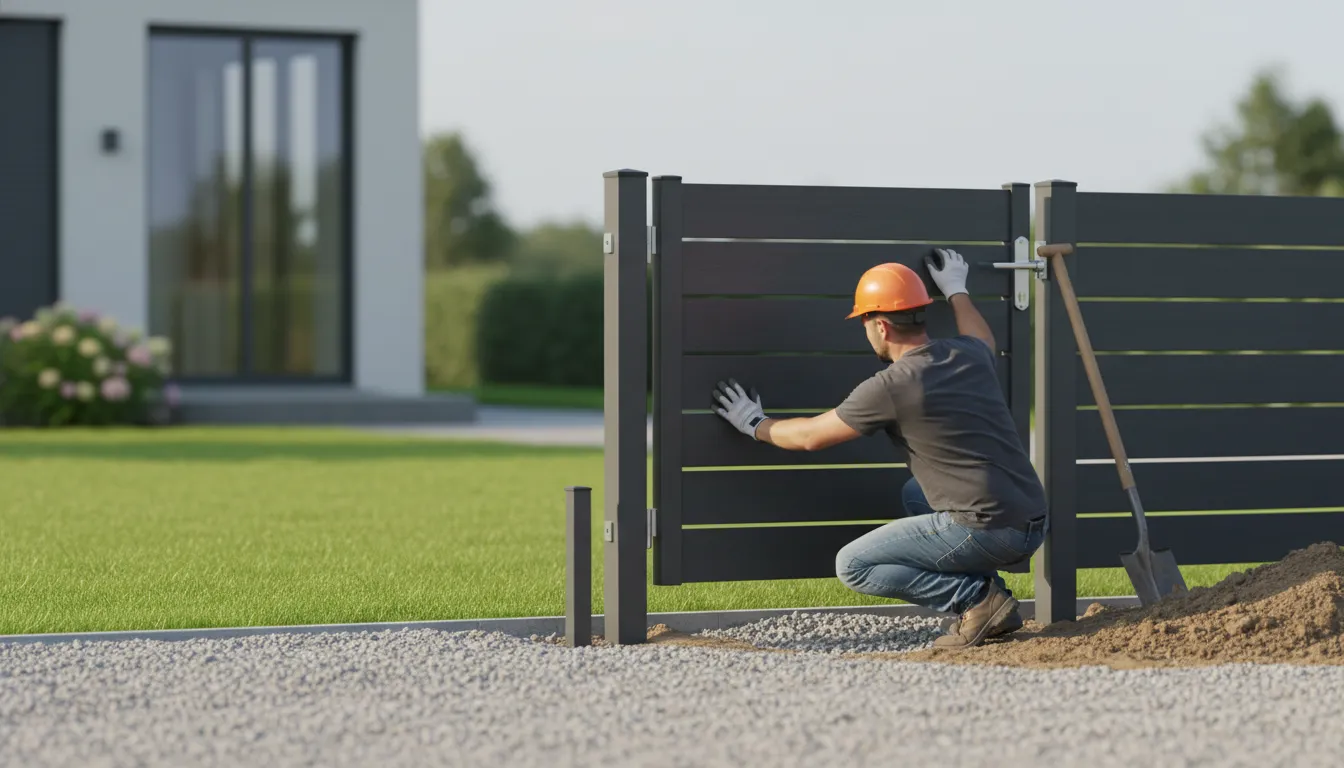
Find the Best Fence Installers for Your Business
No obligation • Fast responses • Nationwide coverage

Why you can trust Landscape Atlas
Landscape Atlas is a leading United States resource for evaluating landscaping, lawn care, and outdoor service providers. Our team researches each category in depth, focusing on service quality, safety, and customer experience. Listings and rankings are based on independent criteria and user feedback, and companies cannot pay to influence our assessments or recommendations.
Search providers near you
Best Fence Installers in Connecticut Ranked
Installing a fence is a significant investment that enhances privacy, security, and curb appeal for your Connecticut property. Navigating local zoning rules, material choices, and finding a qualified installer are crucial steps to ensure a smooth, compliant project. This guide provides essential information on regulations, costs, and planning to help you connect with experienced professionals who understand Connecticut's specific requirements.
Understanding Connecticut's Fence Regulations
Connecticut does not have a single statewide fence code; instead, regulations are set by individual towns and cities. This means the rules in Hartford may differ from those in Stamford or New Haven. Ignoring local ordinances can lead to costly fines or being forced to modify or remove your new fence 1 2.
Key Regulatory Areas to Check
Before you even get quotes, contact your local Planning or Zoning Department. Here are the most common areas they regulate:
- Permit Requirements: Most towns require a building permit for fences, especially those over a certain height. For example, a permit is often mandatory for fences taller than 4 or 6 feet 3 4. Some towns require permits regardless of height.
- Height Limits: Height restrictions are standard. A typical rule is a maximum of 4 feet for front yard fences and 6 feet for side and rear yard fences. Fences exceeding these limits often require a special permit or variance.
- Property Line and Setbacks: You generally cannot build directly on the property line. Towns often require a "setback," such as 6 inches to 1 foot inside your property line. It is also a common requirement that the "good" or finished side of the fence faces your neighbor or the street 5.
- Corner Lots and Visibility: If your property is on a corner, strict "sight triangle" rules apply. Fences within a certain distance of the intersection (e.g., 25 feet) must be very low (often under 3 feet) to ensure visibility for drivers and pedestrians 6.
- Environmental Restrictions: Special rules and additional permits from local conservation commissions are required if your property is near wetlands, watercourses, or flood zones 7 8.
Popular Fence Materials and Cost Considerations
Your choice of material impacts the fence's appearance, maintenance, longevity, and budget. Connecticut homeowners have several durable options suited to the local climate.
Material Breakdown and Price Ranges
Costs are highly variable and depend on material, linear footage, terrain, and labor. The following price ranges are per linear foot, installed 9 10.
- Wood Fencing: ($10 - $45+ per foot) A classic choice offering natural beauty and versatility in styles (picket, privacy, split-rail). It requires regular staining or sealing to withstand Connecticut's weather. Pressure-treated pine is a cost-effective option, while cedar offers better natural rot resistance.
- Vinyl (PVC) Fencing: ($15 - $40+ per foot) Known for its low maintenance-it never needs painting and is cleaned with a hose. It's durable, doesn't rot, and comes in various styles that mimic wood. The initial cost is higher than basic wood, but long-term upkeep costs are minimal.
- Chain Link Fencing: ($8 - $40 per foot) The most budget-friendly option, ideal for securing boundaries without blocking views. It is utilitarian and long-lasting but offers little privacy unless slats are added. Galvanized or vinyl-coated options help prevent rust.
- Aluminum/Wrought Iron Fencing: ($25 - $90+ per foot) Offers a decorative, high-end look with excellent security. Ornamental aluminum is lightweight and rust-resistant, while true wrought iron is incredibly strong but requires painting to prevent corrosion. Ideal for front yard accents and pool enclosures.
- Composite Fencing: ($15 - $45+ per foot) Made from a blend of wood fibers and plastic, it provides the look of wood with extreme durability and near-zero maintenance. It won't rot, splinter, or need paint. The upfront cost is among the highest, but it can be a lifetime investment.
Find the perfect fence installers for your needs
Get personalized recommendations and expert advice
A Step-by-Step Guide to Planning Your Fence Project
Proper planning prevents disputes, delays, and unexpected expenses. Follow this checklist to prepare for a successful installation.
- Research Local Rules First: Your first call should be to your town's Building or Zoning Department. Ask for their specific fence ordinance brochure or information sheet. Clarify permit needs, height limits, setback rules, and any design restrictions.
- Confirm Your Property Lines: Never guess where your property ends. Use your property survey (from your closing documents) or hire a licensed surveyor to mark the exact boundaries. Building on a neighbor's land can lead to legal action requiring removal.
- Have a Conversation with Neighbors: Discuss your plans with adjacent property owners, especially if the fence will be near the shared boundary. While not always legally required, this is a critical step for maintaining good relations. If you plan to build directly on the line, written consent is essential 11.
- Choose the Right Material for Your Needs: Balance your desired look with your budget and willingness to perform maintenance. Consider factors like desired privacy, wind load, and how the fence will complement your home's architecture.
- Get Detailed Written Estimates: Contact several licensed and insured fence professionals in Connecticut. A reputable installer will be familiar with local town codes. Estimates should include a detailed breakdown of material costs, labor, permit fees, site preparation (removing an old fence, clearing brush), and a projected timeline.
- Secure the Permit: Once you select a contractor, ensure the permit is pulled before any work begins. The contractor often handles this, but it's your responsibility to verify it's done. The town may require a plot plan showing the fence's location.
Special Considerations for Connecticut Properties
- Pool Safety Fences: In-ground pools in Connecticut are required by state building code to have a protective barrier, typically a 4-foot-high fence with self-closing, self-latching gates. These rules are separate from local zoning and are strictly enforced for safety 12.
- Historical Districts: If your home is in a local or national historic district, additional design review and approvals will be necessary. The materials, style, and even color of your fence may need to conform to historical guidelines.
- Hilly or Rocky Terrain: Connecticut's terrain can be challenging. Sloped yards may require a stepped or racked fence installation, which increases labor time and material waste. Rocky soil can make post-hole digging difficult and more expensive.
Finding and Vetting a Fence Installer
Look for established companies with verifiable references in your area. Check their standing with the Connecticut Department of Consumer Protection and look for reviews on trusted platforms. Ensure they carry both liability insurance and workers' compensation. A trustworthy professional will ask about your town's regulations and may even handle the permit process for you, demonstrating their local expertise.
Frequently asked questions
Sources
Footnotes
-
I want to build a fence but I don't know where to start! - https://www.plainvillect.com/building-department/files/fence-brochure ↩
-
HOMEOWNER'S GUIDE FOR INSTALLING FENCES ZONING ... - https://www.waterburyct.org/filestorage/458/4301/4334/6710/Homowner-Guide-for-Fences.pdf ↩
-
Do I need a permit to construct a fence on my propert - Darien, CT - https://www.darienct.gov/FAQ.aspx?QID=71 ↩
-
FAQs • Do I need a permit to construct a fence on my propert - https://www.granby-ct.gov/FAQ.aspx?QID=76 ↩
-
CT Fence Installation Rules and Regulations - Riverside Fence - https://riversidefence.net/ct-fence-installation-rules-and-regulations/ ↩
-
Fence Requirements | Clinton, CT - https://clintonct.org/162/Fence-Requirements ↩
-
Fences and Retaining Walls Information Sheet - East Hartford - https://www.easthartfordct.gov/inspections-permits/files/fences-and-retaining-walls-information-sheet ↩
-
Residential Fences - enfield-ct.gov - https://www.enfield-ct.gov/DocumentCenter/View/295 ↩
-
2026 Fencing Prices - Fence Cost Estimator, Price per Foot, Acre - https://www.homeadvisor.com/cost/fencing/ ↩
-
How Much Does Wood Fence Installation Cost? [2026 Data] | Angi - https://www.angi.com/articles/how-much-does-it-cost-install-wood-fence.htm ↩
-
Property Line Fence Regulations: Legal Placement & Permit Rules - https://barrierbossusa.com/blogs/news/property-line-fence-rules-guide ↩
-
Fence Height Laws: What You Need To Know Before Building - https://kdfencing.com/fence-height-laws-guide/ ↩