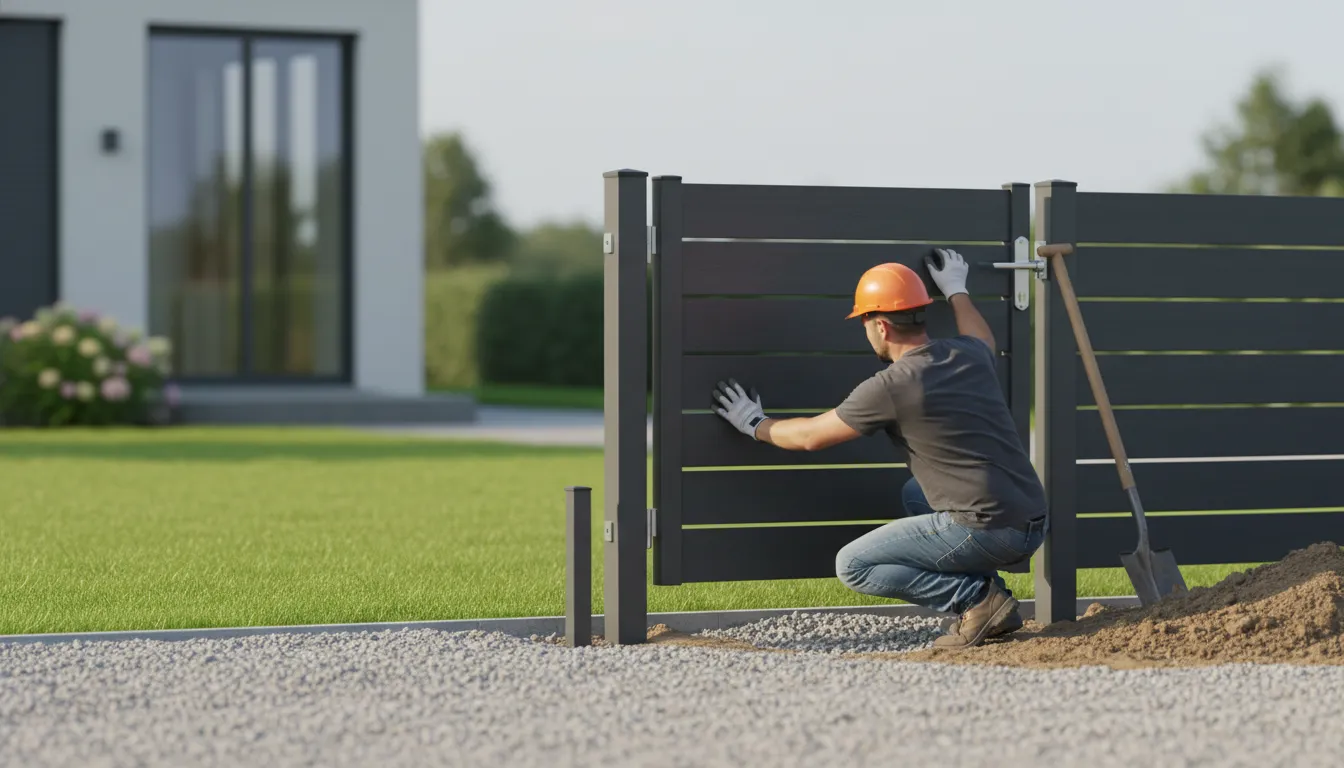
Find the Best Fence Installers for Your Business
No obligation • Fast responses • Nationwide coverage

Why you can trust Landscape Atlas
Landscape Atlas is a leading United States resource for evaluating landscaping, lawn care, and outdoor service providers. Our team researches each category in depth, focusing on service quality, safety, and customer experience. Listings and rankings are based on independent criteria and user feedback, and companies cannot pay to influence our assessments or recommendations.
Search providers near you
Best Fence Installers in Florida Ranked
A well-planned fence installation enhances your Florida property's privacy, security, and curb appeal. Given the state's unique climate, local regulations, and neighborhood standards, navigating the process requires careful consideration. This guide provides clear, practical information to help you understand material choices, permitting requirements, typical costs, and key regulations, empowering you to make informed decisions for your project.
NGC Fence Inc
Jacksonville, FL
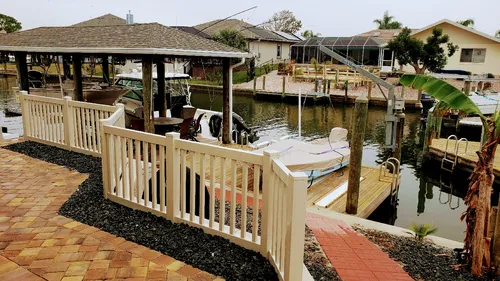
NGC Fence Inc is a fence installation contractor based in Jacksonville, FL. They offer fence installation services with a focus on clear communication and customer satisfaction. The company emphasizes quality craftsmanship and uses experienced staff to handle challenging projects. NGC Fence Inc guarantees customer satisfaction and is committed to addressing any issues that arise during their work.
LawnStarter
4521 23rd Ave N, St. Petersburg, FL 33713
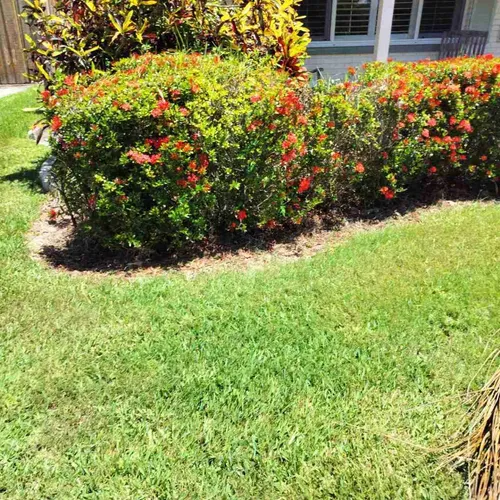
LawnStarter is a landscaping and lawn care company serving St Petersburg, FL. They offer a wide range of services including lawn mowing, fence installation, landscape lighting, sprinkler installation and repair, hardscaping, and general landscaping. Their capabilities include installing irrigation systems and constructing paver walkways and retaining walls. LawnStarter provides seasonal landscaping services tailored to the local climate, helping maintain outdoor spaces year-round.
Snyder's Landscapes
Orlando, FL
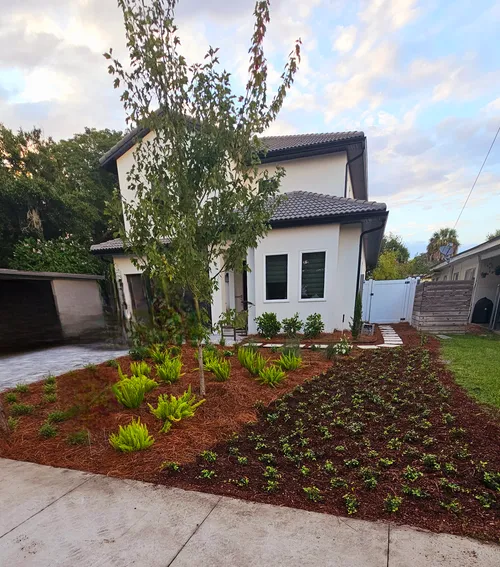
Snyder's Landscapes is a landscaping company based in Orlando, FL, with nearly 20 years of experience in landscape design and installation. They offer a range of services including sod installation, artificial turf, fence installation, landscape lighting, tree services, and hardscaping such as pavers and retaining walls. The company is known for creating professional lighting systems and comprehensive landscape plans that enhance outdoor spaces. Their work includes mulch beds, brick edging, and pool patios, reflecting a broad capability in both soft and hard landscaping elements.
Masters Quality Fence
4963 Kentucky Derby Ct, Jacksonville, FL 32257
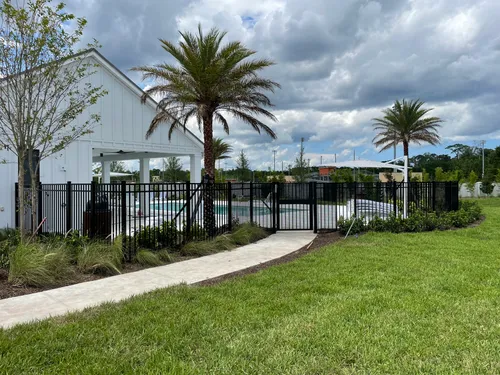
Masters Quality Fence is a fence installation contractor based in Jacksonville, FL. They provide commercial and residential fencing services, including installation, repair, and removal. Their offerings include wood fences made from cedar, pine, and redwood, aluminum fences that are rust resistant and suitable for pools or security, and durable chain link fences designed to withstand high winds and storms common in Florida. They also install outdoor railings for decks, porches, and homes to enhance safety and aesthetics.

Citrus Pavers
401 E Jackson St Suite 3338, Tampa, FL 33602
Citrus Pavers is a Tampa, FL-based company specializing in luxury outdoor construction and landscape design. They offer a comprehensive range of services including fence installation, landscape lighting, yard drainage, sprinkler systems, land clearing, hardscaping, and custom outdoor structures. The company emphasizes architectural-grade engineering and integrated project execution, ensuring long-term stability and seamless coordination from design through construction. Their expertise includes precision grading, engineered foundations, and premium surface materials, delivering refined outdoor environments tailored to each client's vision. Citrus Pavers manages all permitting and regulatory requirements, providing a streamlined process for complex exterior projects.
Understanding Florida's Fence Regulations
Before you break ground, it's crucial to understand the local rules that govern fence construction. Regulations can vary significantly between cities and counties, and non-compliance can lead to costly corrections or removal.
Height and Location Restrictions
Florida municipalities typically enforce specific height limits based on your fence's location on your property.
- Front Yards: Fences in front yards are often limited to 4 feet in height, especially if they are considered "decorative" or "ornamental".
- Back and Side Yards: For privacy, fences in rear and side yards are commonly allowed up to 6 feet tall.
- Pool Fencing: State law mandates a minimum 4-foot-high barrier around swimming pools with self-closing, self-latching gates. This is a critical safety requirement separate from your property fence 1.
- Exceptions: Some areas may permit taller fences, particularly if your property abuts a major road or for specific security purposes, but this always requires verification with your local building department.
Property Lines and Easements
One of the most common and expensive mistakes is building a fence on the wrong piece of land.
- Stay On Your Property: The entire fence structure must be erected within your surveyed property lines. A professional land survey is highly recommended before any installation begins.
- Utility Easements: These are areas where utility companies have the legal right to access underground lines. Building permanent structures like concrete walls within an easement is often prohibited, as they could impede necessary repairs 2.
- No Encroachment: You cannot build on your neighbor's property, and you generally cannot attach your new fence to an existing fence owned by your neighbor without their written permission.
Homeowners Association (HOA) Rules
If you live in a community with a Homeowners Association, their covenants, conditions, and restrictions (CC&Rs) will almost certainly include rules about fencing. These can be more stringent than local city or county codes and may dictate approved materials, colors, styles, and even the installation contractor. Always obtain written HOA approval before proceeding with your project.
Choosing the Right Fence Material for Florida
Florida's climate-with its intense sun, high humidity, salt air near the coast, and occasional severe weather-demands durable materials. Here's a breakdown of popular options.
Wood Fencing: A classic choice offering a natural, traditional look. Pressure-treated pine is common and is chemically treated to resist rot, decay, and termites. However, wood requires regular maintenance like staining or sealing to withstand Florida's sun and moisture. Cedar and redwood offer natural resistance but come at a higher cost 3.
Vinyl (PVC) Fencing: Extremely popular in Florida due to its low maintenance. It won't rot, warp, or need painting. Vinyl is durable, easy to clean, and comes in various styles that mimic wood grain. It performs well in humid, salty environments, making it a strong candidate for coastal properties.
Aluminum and Ornamental Metal Fencing: Known for its strength, durability, and elegant appearance. Aluminum is rust-resistant, making it excellent for security or decorative front yard applications. It requires minimal upkeep beyond occasional cleaning. Wrought iron is another option but may require painting to prevent rust in humid climates.
Chain Link Fencing: A highly functional and affordable option for defining boundaries, securing pets, or enclosing pools. It's typically made from galvanized steel for rust resistance and is low-maintenance. While not providing privacy on its own, slats or privacy screens can be added.
Composite Fencing: A newer material made from a blend of wood fibers and recycled plastics. It offers the look of wood with enhanced durability and very low maintenance. It resists fading, rotting, and insect damage, making it a long-lasting, albeit often premium-priced, option for Florida homes 4.
Find the perfect fence installers for your needs
Get personalized recommendations and expert advice
The Permitting Process in Florida
Most fence installations in Florida require a permit from your local city or county building department. Skipping this step can result in fines and being forced to remove an unpermitted structure.
Is a Permit Required? In nearly all cases, yes. Simple repairs may not need one, but new installation or replacement typically does. Always check with your local permitting office, as requirements can differ.
Required Documentation: When applying for a permit, you will likely need to submit:
- A completed permit application.
- A site plan or survey showing the fence's exact location on your property.
- Details on the fence materials, height, and style.
- Written approval from your HOA (if applicable) 5.
Inspections: The permitting process usually involves inspections at key stages, such as after the post holes are dug (to check depth and placement) and a final inspection once the fence is complete to ensure it meets all code requirements 6 7.
Understanding Fence Installation Costs in Florida
The total cost of your fence project depends on several variables: material, linear footage, height, terrain, and labor. Prices are most commonly discussed per linear foot.
Budget-Friendly (Chain Link): This is typically the most economical choice, with installation costs ranging from approximately $10 to $15 per linear foot.
Mid-Range (Wood & Vinyl): For privacy fences using pressure-treated wood or standard vinyl, expect costs in the range of $15 to $25+ per linear foot. The final price depends on the specific grade of wood or quality of vinyl 8.
Premium (Aluminum/Ornamental Metal & Composite): These higher-end materials command prices starting around $20 to $30+ per linear foot 9.
Total Project Cost Example: For a typical 6-foot-tall privacy fence spanning 150 linear feet:
- A chain link version might cost between $1,500 and $2,250.
- A wood or vinyl privacy fence could range from $2,250 to $3,750 or more.
- An aluminum or composite privacy fence may start at $3,000 and exceed $4,500 10 11 12.
These estimates include materials and professional installation labor. Remember to factor in additional potential costs for permits, surveys, removal of an old fence, or dealing with difficult terrain like rocky soil or slopes.
Planning and Professional Installation
A successful fence installation starts with thorough planning.
- Determine Your Purpose: Define your primary goal-privacy, security, pet containment, pool safety, or purely aesthetic enhancement.
- Check Rules: Confirm your local zoning laws, permit requirements, and HOA guidelines.
- Get a Survey: Invest in a property survey to avoid boundary disputes.
- Choose Your Material: Select a material that fits your budget, aesthetic desires, and willingness to perform maintenance.
- Get Multiple Quotes: Obtain detailed written estimates from several licensed and insured local fence contractors. Ensure the quotes specify materials, labor, post depth, cleanup, and a timeline.
Hiring a professional installer is advisable. They understand local codes, can efficiently handle the permitting process, have the right tools for the job, and can ensure your fence is built level, plumb, and durable enough to withstand Florida's weather.
Frequently asked questions
Sources
Footnotes
-
Guidelines for Fences and Walls - https://www.wellingtonfl.gov/1019/Guidelines-for-Fences-and-Walls ↩
-
Fence - Residential Permit Guidelines - Revize - https://cms4files.revize.com/capecoralfl/department/community_development/permitting/Guidelines/Fence%20Guideline%20-%20Residential.pdf ↩
-
Understanding Florida Fence Laws & Regulations - https://www.mastersqualityfence.com/blog/2024/understanding-florida-fence-laws-regulations.html ↩
-
Top 5 Fence Materials for Florida Homes: Pros & Cons - https://swfencesportstlucie.com/top-5-fence-materials-florida-homes/ ↩
-
Fence Installation for Florida Homeowners: Step-by-Step Guide - https://www.fenceoutlet.com/fence-installation-florida-guide/ ↩
-
Residential Fence or Wall Application and Permitting Guide - https://www.leegov.com/dcd/PermittingDocs/Residential%20Fence%20Guide.pdf ↩
-
Florida Fence Permits: What You Need to Know Before Building - https://www.fenceflowsupply.com/blog/2025/florida-fence-permits-what-you-need-to-know-before-building.html ↩
-
How Much Is a Fence in San Antonio in 2025: Real Costs for Wood Fence, Vinyl Fencing, and More - Cool Cat Fence - https://coolcatfence.com/how-much-is-a-fence-in-san-antonio/ ↩
-
How Much Does It Cost to Install a Fence in Orlando, FL (2025 Guide) - https://bestpricefence.com/2025/11/03/how-much-does-it-cost-to-install-a-fence-in-orlando-fl/ ↩
-
How Much Does It Cost To Install 100 Feet Of Fence? - https://cerosfencecontractors.com/how-much-does-it-cost-to-install-100-feet-of-fence/ ↩
-
How Much Does It Cost to Install a 6-Foot Privacy Fence? - https://www.dcfence.com/cost-to-install-a-6foot-privacy-fence/ ↩
-
Fence Cost Calculator | Fence Installation Cost | Wood Fence Cost Calculator | Vinyl Fence Calculator | Privacy Fence Calculator - https://buyafence.com/fence-price-calculator/ ↩