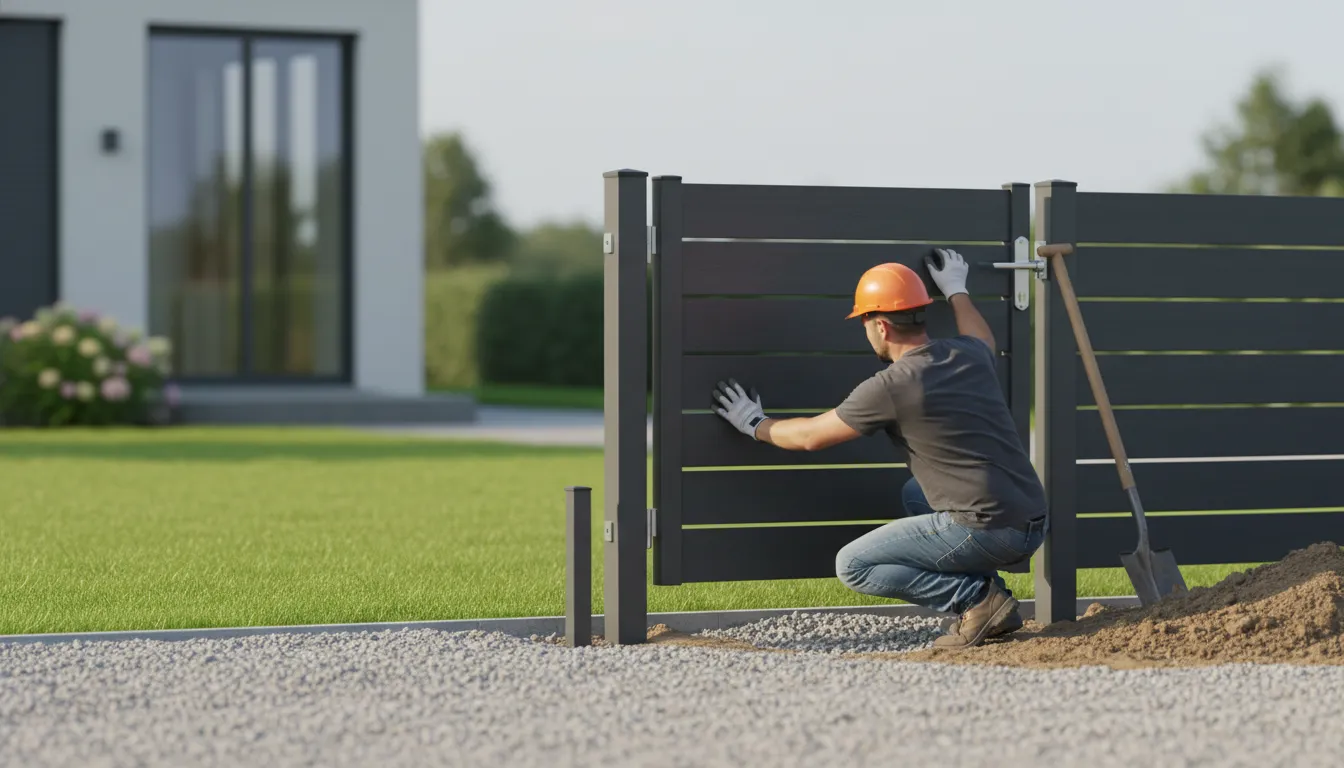
Find the Best Fence Installers for Your Business
No obligation • Fast responses • Nationwide coverage

Why you can trust Landscape Atlas
Landscape Atlas is a leading United States resource for evaluating landscaping, lawn care, and outdoor service providers. Our team researches each category in depth, focusing on service quality, safety, and customer experience. Listings and rankings are based on independent criteria and user feedback, and companies cannot pay to influence our assessments or recommendations.
Search providers near you
Best Fence Installers in Hawaii Ranked
Installing a fence in Hawaii is a practical way to enhance privacy, security, and the beauty of your property. However, navigating the unique combination of local county codes, terrain challenges, and material considerations is essential for a successful project. This guide provides clear, actionable information to help you understand the rules, choose the right materials, and connect with qualified local professionals who can bring your vision to life.

Landscape Builders Hawaii
Honolulu, HI
Landscape Builders Hawaii is a landscaping and hardscaping contractor based in Honolulu, HI. They offer a range of services including landscape design and installation, concrete driveway and patio construction, as well as wall and fence installation using various materials. The company also addresses yard drainage and erosion issues by creating functional outdoor spaces that enhance both residential and commercial properties. With years of experience, they guide clients from design through installation to achieve tailored outdoor living areas that complement the natural beauty of Hawaii.
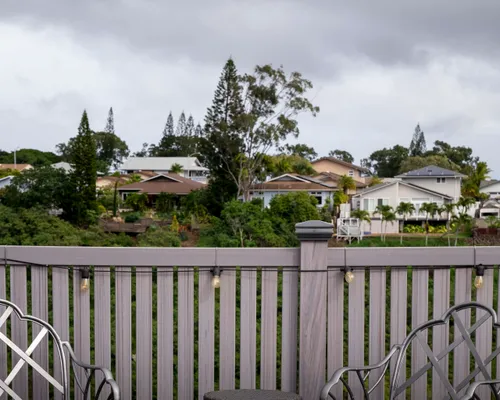
Valleywide Fence & Deck
91-181 Hanua St, Kapolei, HI 96707
Valleywide Fence & Deck is a fence installation contractor serving Honolulu, HI, and other parts of Hawaii. They offer a variety of fencing options including vinyl and ornamental fences, as well as pergolas, patio covers, decks, and railings. Their vinyl fences are designed to withstand Hawaii's weather conditions, providing durability and low maintenance. The company has expanded beyond its original focus on vinyl fencing and continues to serve customers across the valley with customized solutions. Valleywide Fence & Deck is known for quality installation and offers a strong warranty on their work.
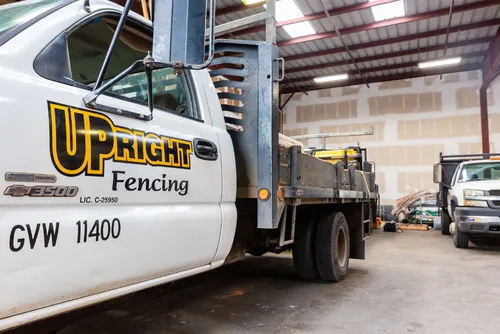
Upright Fencing Hawaii LLC
91-329 Kauhi St Suite D1, Kapolei, HI 96707
Upright Fencing Hawaii LLC is a fence installation contractor based in Kapolei, serving Honolulu, HI, and the island of Oahu. They specialize in installing and selling various types of fences including vinyl, chain link, aluminum, and wood, as well as custom gates and gate operators. The company offers vinyl fence materials in multiple colors and provides welding and repair services. Established in 1995, Upright Fencing Hawaii LLC has a long history of serving the local community with sustainable fencing solutions and a one-year workmanship warranty.
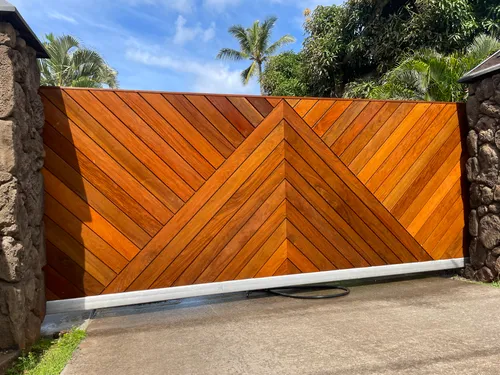
Widner Builders
Honolulu, HI
Widner Builders is a contractor based in Honolulu, HI, specializing in automatic driveway gate installation and repair. They offer custom-designed gates, fencing, and walls, with expertise in construction, concrete work, welding, and access control systems including RFID and Bluetooth technologies. Serving the entire island of Oahu, Widner Builders provides durable gate solutions designed to withstand the local tropical climate. Their services also extend to outdoor patios, kitchens, and custom hardscaping projects. The company is known for its craftsmanship and ability to handle complex gate repairs and installations with a comprehensive skill set.

Allied Security Fence
91-444 Komohana St, Kapolei, HI 96707
Allied Security Fence is a fencing contractor based in Honolulu, HI, specializing in residential fence installation. They offer a range of fencing options including chain link, ornamental, aluminum, vinyl, and wood fences for single-family homes, townhouses, and other residential properties. Allied Security Fence serves the Honolulu area with a focus on providing various fencing solutions tailored to residential needs.
Understanding Hawaii's Fence Regulations and Permits
Before you purchase a single post, understanding local regulations is your most critical step. Hawaii does not have a single statewide fence code; rules are set by individual counties and can vary significantly. Ignoring these can lead to costly fines or being required to remove a non-compliant fence.
Permit Requirements: In most Hawaiian counties, a building permit is required for fences over a certain height. A common threshold is 6 feet, but this is not universal. For instance, in the City and County of Honolulu, a permit is generally needed for any fence over 6 feet tall 1. Special rules often apply in flood zones, near street corners (for visibility), or on properties with specific zoning. Always contact your local county planning department (DPP in Honolulu, or the equivalent on Maui, Kauai, or Hawaii Island) to confirm the exact requirements for your address 2.
Height and Placement Limits: Residential fence height limits are typically 6 feet for solid privacy fences in side and rear yards 3. However, "see-through" fences, like chain link, may be allowed up to 8 feet in some areas, but this requires verification. Front yard fences often have lower height limits, commonly 3 to 4 feet. Proper placement is equally important. Fences should be installed inside your property line, not directly on it, to avoid future legal disputes with neighbors. A professional property survey is a highly recommended investment before installation begins.
HOA and CC&R Rules: If your property is part of a Homeowners Association (HOA) or is governed by Covenants, Conditions, and Restrictions (CC&Rs), you will likely face additional rules. These can be stricter than county codes and may dictate approved materials (e.g., no chain link), colors, styles, and even the placement of gates. Securing written HOA approval is a mandatory step before proceeding with any work.
Choosing the Right Fence Material for Island Conditions
Hawaii's climate-sun, salt air, wind, and rain-demands durable materials. Your choice will impact the fence's longevity, maintenance needs, appearance, and cost.
- Wood: A classic choice for privacy and a natural look. Woods like redwood or pressure-treated pine are common. However, wood requires regular maintenance, including staining or sealing, to withstand moisture and sun damage. It is also susceptible to termites 4.
- Vinyl/PVC: Increasingly popular for its low maintenance. Vinyl fencing doesn't need painting, won't rot, and is resistant to insects. It's available in various styles that mimic wood and can be a good choice for sloped properties. While the upfront cost can be higher, the long-term savings on maintenance are significant 5.
- Chain Link: A durable, cost-effective option for security, pet containment, or defining boundaries without blocking views or trade winds. It is low-maintenance and can be coated to resist corrosion from salt air. In some jurisdictions, taller chain link fences (e.g., 8 feet) may be permitted where solid fences are not.
- Aluminum: Offers the elegant look of wrought iron without the rust. Aluminum fencing is strong, lightweight, and requires minimal upkeep, making it suitable for pools or decorative borders. Its modular design can accommodate Hawaii's often uneven terrain better than some rigid materials.
Cost Considerations for Fence Installation in Hawaii
Fence installation costs in Hawaii vary widely based on material, linear footage, terrain, and labor. The challenging landscape-rocky soil, steep slopes, or hard lava rock-can significantly increase installation time and cost.
As a general reference, for a typical residential yard in the Honolulu area, a basic wood privacy fence might range from approximately $1,500 to $3,000 or more, depending on size and wood type 6. For a 200-foot run of chain link fencing, installed costs can range from about $3,600 to over $7,000 7 8. These are ballpark figures, and obtaining multiple, detailed quotes from licensed local contractors is the only way to get an accurate price for your specific project.
Factors that influence cost include:
- Material: Vinyl and aluminum typically cost more than wood or chain link upfront.
- Terrain: Level sites are most affordable. Slopes, rocky ground, or the need for extensive excavation will increase labor costs.
- Linear Footage: The total length of the fence is a primary cost driver.
- Gates and Customization: Adding gates, decorative post caps, or special finishes adds to the total.
- Site Preparation: Removing an old fence, clearing vegetation, or dealing with difficult access can add to the project cost 9 10.
Find the perfect fence installers for your needs
Get personalized recommendations and expert advice
A Step-by-Step Guide to Your Fence Project
Following a logical process will save you time, money, and stress.
- Research Local Codes: Start by calling or visiting the website of your county's planning department. Confirm height limits, setback requirements, and permit needs for your specific property 11.
- Determine Property Lines: Hire a licensed surveyor to mark your exact property boundaries. This is the best way to prevent disputes and ensure your fence is built entirely on your land 12.
- Check HOA Rules: Review your community's governing documents and submit any required plans for architectural review committee approval.
- Select Your Material and Style: Consider your primary goals (privacy, security, pet containment, aesthetics), budget, and willingness to perform maintenance. View material samples in person if possible.
- Get Multiple Detailed Quotes: Contact at least three licensed, insured, and locally experienced fence contractors. A proper quote should include a site visit, a breakdown of material and labor costs, a timeline, and information on who will pull the necessary permits.
- Secure Permits: Once you select a contractor, they will typically handle the permit application process, though the homeowner is ultimately responsible for compliance.
- Prepare the Site: Clear the fence line of plants, debris, or old fencing as agreed upon with your contractor.
- Installation and Inspection: The contractor will install the fence according to the approved plans. In many cases, a county inspector will need to visit to approve the work, especially for permitted projects.
Maintaining Your Hawaiian Fence
Protect your investment with proper care. For wood fences, plan on cleaning and applying a fresh sealant or stain every 2-3 years. Vinyl fences can be cleaned with soap and water to remove mold or salt spray. Aluminum and chain link should be rinsed periodically. Regularly inspect all fence types for loose posts, damaged panels, or rust spots, especially after periods of high wind or heavy rain.
Frequently asked questions
Sources
Footnotes
-
Building Permit Requirements | Department of Planning and Permitting - https://www.honolulu.gov/dpp/permitting/building-permits-home/building-permit-requriements/ ↩
-
Department of Planning and Permitting - Honolulu.gov - https://www.honolulu.gov/dpp/home/faq/ ↩
-
Haw. Code R. § 15-22-63 - Yards; general | State Regulations - https://www.law.cornell.edu/regulations/hawaii/Haw-Code-R-SS-15-22-63 ↩
-
Do You Have a Right to Protect Your View? - Destination Maui - https://www.destinationmaui.net/do-you-have-a-right-to-protect-your-view/ ↩
-
Permits, Local Codes & Height Rules for Vinyl Privacy Fences ... - https://www.sunsethawaiifencingcompany.com/permits-local-codes-height-rules-for-vinyl-privacy-fences-in-hawaii ↩
-
Fence Installation in Honolulu, HI - Costs 01 / 2026 - Homeyou - https://www.homeyou.com/hi/fence-installation-honolulu-costs ↩
-
How Much Does It Cost For 200 Feet Of Fencing? - https://cerosfencecontractors.com/how-much-does-it-cost-for-200-feet-of-fencing/ ↩
-
Hilo Fenceo Company 2025 Pricing Guide - https://onthelinefencing808.com/residential-fencing/hilo-fence-company-2025-pricing-guide/ ↩
-
Fence Installation Quotes: A Quick Guide for Homeowners - https://agvinylfencing.com/fence-installation-quote-guide/ ↩
-
Your Guide to Fence Installation Cost by Material and Size - https://jhlandscapes.com/your-guide-to-fence-installation-cost-by-material-and-size/ ↩
-
Fencing Regulations on the Big Island: What Homeowners ... - https://onthelinefencing808.com/residential-fencing/fencing-regulations-on-the-big-island-what-homeowners-need-to-know-before-installing/ ↩
-
Property Line Fence Regulations: Legal Placement & Permit Rules - https://barrierbossusa.com/blogs/news/property-line-fence-rules-guide ↩