Find the Best Fence Installers for Your Business
No obligation • Fast responses • Nationwide coverage

Why you can trust Landscape Atlas
Landscape Atlas is a leading United States resource for evaluating landscaping, lawn care, and outdoor service providers. Our team researches each category in depth, focusing on service quality, safety, and customer experience. Listings and rankings are based on independent criteria and user feedback, and companies cannot pay to influence our assessments or recommendations.
Search providers near you
Best Fence Installers in Idaho Ranked
Installing a fence is a significant investment that enhances your property's privacy, security, and curb appeal. In Idaho, a successful fencing project requires navigating a mix of local regulations, material choices, and practical considerations. This guide provides a clear overview of what you need to know about residential fence installation in the Gem State, from understanding local codes to selecting the right materials and finding qualified professionals to complete the work.

DogWatch Hidden Fences of Boise
1493 E Mona Lisa Dr, Meridian, ID 83642
DogWatch Hidden Fences of Boise is a fence installation contractor based in Boise, ID. They specialize in installing hidden fencing systems designed to keep pets safe within designated areas. Serving a wide range of locations across Idaho and Oregon, they provide solutions tailored to pet containment needs. Their service area includes numerous cities such as Meridian, Nampa, and Caldwell in Idaho, as well as Ontario and Baker City in Oregon.
Idaho Property Maintenance Meridian, ID
880 E Franklin Rd STE 311, Meridian, ID 83642
Idaho Property Maintenance Meridian, ID provides a wide range of property maintenance and handyman services in Boise, ID, and surrounding areas. They offer solutions for both commercial and residential properties, including fence installation and repair, drywall repair, electrical work, plumbing, painting, and remodeling. The company has over ten years of experience serving property managers and owners with customized maintenance services. They also provide 24/7 after-hours service to address urgent maintenance needs.
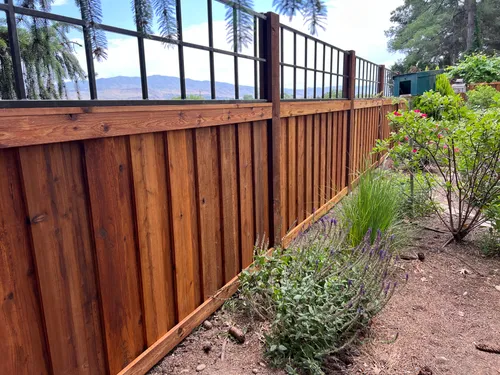
ZD Fencing LLC
3660 N Falcon Ridge Ln, Eagle, ID 83616
ZD Fencing LLC is a licensed and insured fence installation contractor serving Boise, ID, and the Treasure Valley area. The family-owned business offers residential and commercial fencing services, including installations, repairs, and replacements. Their team works with various fence types such as cedar, vinyl, wrought iron, chain-link, and board-on-board. With over three years of professional experience, ZD Fencing LLC provides a two-year workmanship warranty on all installations and offers same-day emergency services.
Top Rail Fence Boise
Boise, ID
Top Rail Fence Boise is a fence installation contractor based in Boise, ID, offering services that include fence installation, tree removal, stump grinding, and sprinkler system installation and repair. They serve residential customers in Boise and the surrounding areas, providing quality fence construction and maintenance along with irrigation solutions. The company is known for capabilities such as stump removal to prepare sites for new fencing. Customers appreciate their straightforward approach and attention to detail. While the exact years in business are not specified, the company has built a reputation for reliable fence work and related services.
A-Z Tree Trimming & Removal
Boise, ID
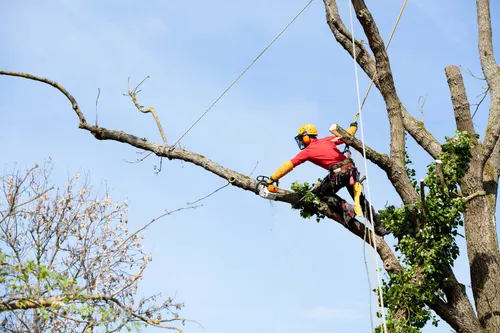
A-Z Tree Trimming & Removal is a family-owned business serving Boise, ID, and the surrounding Treasure Valley area. They offer a range of services including tree removal, tree trimming and pruning, stump grinding, land clearing, brush removal, and fence installation. Their team handles emergency tree removal and damage cleanup with next-day service available Monday through Friday. The company is equipped to perform stump grinding with biodegradable treatments to prevent regrowth and installs various types of fences including wood, vinyl, metal, and iron. They emphasize careful work to protect clients' yards and are committed to sustainability by replanting a tree for every one removed.
Understanding Idaho Fence Regulations
Before you purchase a single post, it's crucial to understand the rules that govern fence construction in your specific area. Idaho state law provides general definitions, but residential fence installations are primarily governed by city and county ordinances 1. These local rules can vary significantly between municipalities like Boise, Coeur d'Alene, Eagle, and Caldwell.
Height and Location Restrictions
Most Idaho cities have standard zoning rules for fence heights based on their location on your property:
- Front Yards and Setbacks: Fences in the front yard setback area are typically limited to 3 to 4 feet in height. This rule often applies whether the fence is solid (like a privacy fence) or open (like a picket or split-rail) 2.
- Side and Rear Yards: In the backyard or along side property lines, fences are commonly allowed to be taller, often up to 6 or 7 feet without a permit 3.
- Vision Triangles: A critical safety rule involves "vision triangles" at street corners and driveway entrances. To ensure clear sight lines for drivers and pedestrians, fences, walls, and plantings within these designated areas are usually restricted to a maximum height of 3 feet (36 inches) 4 5.
When Do You Need a Permit?
A common question is whether a permit is required. In many Idaho jurisdictions:
- Permits are typically required for any fence over 6 feet tall, as it is often considered a structure 6.
- Retaining walls over 4 feet high also generally require a building permit.
- Always check with your local Planning & Zoning or Building Department before starting your project. They can provide the exact requirements, necessary permit applications, and any associated fees for your address.
Essential Pre-Installation Steps
Proper planning prevents costly mistakes and disputes with neighbors.
- Locate Your Property Lines: Never guess where your property ends. To avoid encroachment-building on your neighbor's land-you should have a professional land survey conducted. A surveyor will accurately mark your property lines, which is the only definitive way to know where you can legally build your fence.
- Call 811 Before You Dig: Idaho law requires you to call 811 or make an online request at least two full business days before any digging project. This free service will have all underground utility lines (gas, water, electric, communications) marked on your property. Hitting a utility line can be dangerous, cause service disruptions, and result in expensive repairs for which you may be liable 7.
- Review Homeowner Association (HOA) Rules: If you live in a community with a Homeowners Association, you must review its Covenants, Conditions, and Restrictions (CC&Rs). HOAs often have stricter rules than city codes regarding fence materials, colors, styles, and heights, and they usually require architectural review committee approval before installation.
Choosing the Right Fence Material for Your Idaho Property
The material you choose impacts your fence's cost, appearance, maintenance, and longevity. Idaho's climate, with its hot summers, cold winters, and varying precipitation, should influence your decision.
Wood Fencing
Wood is a classic, versatile choice that offers natural beauty and excellent privacy.
- Types: Cedar and redwood are premium, naturally rot-resistant options ideal for Idaho's climate. Pressure-treated pine is a more economical choice but requires regular sealing or staining to maintain its appearance and durability.
- Best For: Privacy fences, traditional backyard enclosures, and custom designs.
Vinyl (PVC) Fencing
Vinyl fencing has become extremely popular due to its durability and minimal upkeep.
- Advantages: It never needs painting or staining, resists rotting and insect damage, and is easy to clean with soap and water. It comes in a wide variety of styles, colors, and textures that can mimic wood.
- Best For: Homeowners seeking a low-maintenance, long-lasting solution for privacy, pool enclosures, or decorative yard borders.
Metal Fencing
Metal options range from ornate to purely functional.
- Wrought Iron/Aluminum: Offers an elegant, secure, and durable boundary with an open design that doesn't block views. Aluminum is a lighter, rust-resistant alternative to traditional wrought iron.
- Chain Link: A highly affordable and practical option for security, containing pets, or defining property lines without obscuring sightlines. It can be galvanized or vinyl-coated in green or black for a more finished look.
- Best For: Security, front yard boundaries, pool codes, and decorative accents.
Stone and Rock Walls
For a timeless, ultra-durable boundary, stone or rock walls are unmatched.
- Advantages: Extremely long-lasting, requires virtually no maintenance, and adds significant value and curb appeal. They can be dry-stacked or mortared.
- Considerations: This is the most expensive option and requires skilled masonry labor for proper installation 8.
- Best For: Creating permanent, high-end landscape features, terracing sloped yards, or building retaining walls.
Find the perfect fence installers for your needs
Get personalized recommendations and expert advice
Understanding Fence Installation Costs in Idaho
The total cost of your fence project depends on several key factors. Getting multiple detailed estimates from local professionals is the best way to understand the market rate for your specific project.
Primary Cost Factors:
- Material: This is the largest variable. Generally, chain link is the most affordable, followed by wood and vinyl, with ornamental metal and natural stone at the higher end of the spectrum 9 10.
- Labor: Labor rates can vary between urban areas like the Boise Metro and more rural parts of the state. Complex terrain, rocky or hard soil, and the need for extensive excavation or tree root removal will increase labor time and cost.
- Linear Footage: Fences are typically priced by the linear foot for materials and installation. The total perimeter length of your fence is the baseline for the quote.
- Gates: Don't forget to factor in gates. A standard walk-through gate may add $150 to $300, while a wider double drive-through gate for vehicles can cost $400 to $600 or more, depending on the material and hardware 11.
- Permits and Surveys: The costs for required building permits and professional property surveys are additional upfront expenses that should be included in your project budget 12.
As a broad reference point, a basic wood or vinyl privacy fence installation in Idaho might start in the range of $20 to $40 or more per linear foot, but this can vary widely based on the factors above 13 14. A custom iron fence or a natural stone wall will be considerably more.
Working with a Professional Fence Installer
Hiring a reputable professional ensures your fence is built correctly, complies with all codes, and stands the test of time.
What to Look For:
- Licensing and Insurance: Verify the contractor holds any required state or local licenses and carries both liability insurance and workers' compensation coverage. This protects you from financial risk if an accident or damage occurs on your property.
- Local Experience: Choose a company familiar with installing fences in your specific Idaho community. They will understand the local soil conditions, weather challenges, and municipal permit processes.
- Detailed Written Estimate: A professional quote should be in writing and detail the scope of work, materials (including brand names and specifications), total cost, payment schedule, and estimated start/completion dates.
- Portfolio and References: Ask to see photos of past projects similar to yours and request contact information for recent clients. Follow up with these references to ask about their experience.
- Warranty: Inquire about the warranties offered on both the materials (often from the manufacturer) and the installer's workmanship.
A quality installer will handle the entire process, including helping you understand local rules, obtaining necessary permits, calling 811, and ensuring the finished fence is plumb, secure, and aesthetically pleasing.
Maintaining Your Idaho Fence
Protect your investment with regular maintenance tailored to your fence material.
- Wood: Inspect annually for rot, insect damage, or loose boards. Re-stain or reseal every 2-3 years to protect the wood from Idaho's sun and moisture.
- Vinyl: Wash with a garden hose and mild detergent annually to remove dirt and prevent mildew. Check for cracks or damage from impacts.
- Metal: Inspect for rust spots, especially on wrought iron. Touch up paint as needed. For powder-coated aluminum or steel, simply rinse with water.
- All Types: Regularly check posts for stability, ensure gates swing smoothly, and tighten any loose hardware. Keep vegetation trimmed back from the fence line to promote air circulation and prevent moisture retention and damage.
Frequently asked questions
Sources
Footnotes
-
Do you Know Idaho Fence Law? - https://www.idahofb.org/media/5iwfukwl/fence-brochure-web-version-updated-photos.pdf ↩
-
17.06.815: FENCING REGULATIONS: - American Legal Publishing - https://codelibrary.amlegal.com/codes/coeurdaleneid/latest/coeurdalene_id/0-0-0-11326 ↩
-
Fences - Garden City, Idaho - http://gardencityidaho.org/index.asp?SEC=5583DA46-D022-4792-B15F-3DFBAF247F00&DE=316F6C21-45EA-4150-9A2F-F6D5A42591BE ↩
-
ZOA18-00003 / Ordinance - City of Boise - https://www.cityofboise.org/media/9345/11-07-053-fence-wall-standards.pdf ↩
-
Boise Fence Setback Rules: Clear Vision Triangle Guide - https://equinoxfence.com/boise-fence-setback-rules-clear-vision-triangle-guide/ ↩
-
10-02-07: FENCING REGULATIONS: - https://codelibrary.amlegal.com/codes/caldwellid/latest/caldwell_id/0-0-0-58564 ↩
-
How to Install Split Rail Fence - https://www.homedepot.com/c/ah/how-to-install-split-rail-fence/9ba683603be9fa5395fab9066ead458 ↩
-
8-14-2-2: FENCING: - American Legal Publishing's Code Library - https://codelibrary.amlegal.com/codes/kootenaiid/latest/kootenai_id/0-0-0-2402 ↩
-
Your Ultimate Guide to Choosing the Perfect Idaho Fence - https://www.buttefence.com/the-ultimate-guide-to-choosing-the-perfect-idaho-fence/ ↩
-
Residential Fence Installation & Repair Company - https://www.buttefence.com/fence-installation/ ↩
-
How Much Does Fence Installation Cost in 2022? - https://www.buttefence.com/how-much-does-fence-installation-cost-in-2022/ ↩
-
Fences and Retaining Walls | Eagle, ID - https://www.cityofeagle.org/1836/Fences-and-Retaining-Walls ↩
-
How Much Does Fence Installation Cost in Idaho? - https://www.buttefence.com/how-much-does-fence-installation-cost-in-idaho/ ↩
-
Fence Installation Cost Guide - The Home Depot - https://www.homedepot.com/services/c/cost-install-fence/8fa995a0c ↩