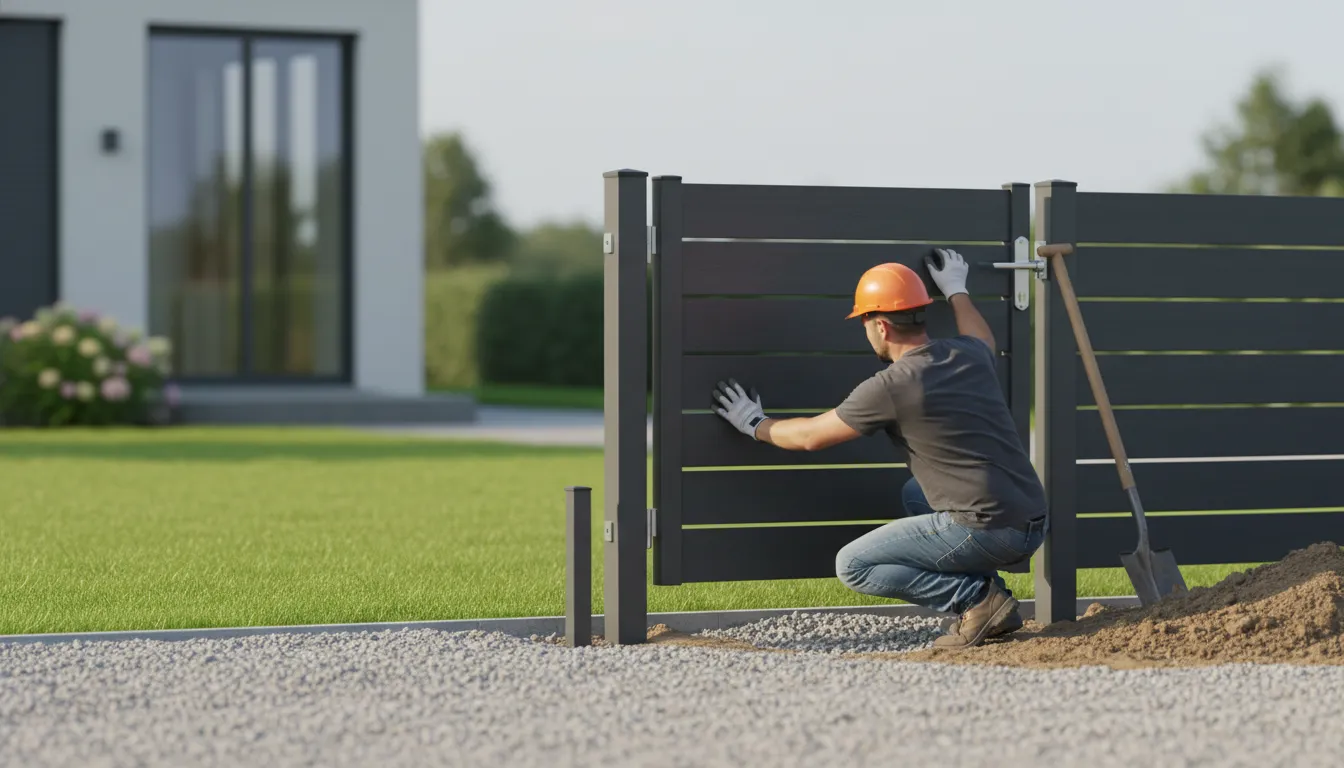
Find the Best Fence Installers for Your Business
No obligation • Fast responses • Nationwide coverage

Why you can trust Landscape Atlas
Landscape Atlas is a leading United States resource for evaluating landscaping, lawn care, and outdoor service providers. Our team researches each category in depth, focusing on service quality, safety, and customer experience. Listings and rankings are based on independent criteria and user feedback, and companies cannot pay to influence our assessments or recommendations.
Search providers near you
Best Fence Installers in Kansas Ranked
Installing a fence is a significant investment that enhances privacy, security, and curb appeal for your Kansas property. Navigating local regulations, material choices, and budgeting can be complex. This guide provides a clear overview of the process, costs, and key considerations for residential fencing in Kansas, helping you make informed decisions and connect with qualified local professionals for your project.
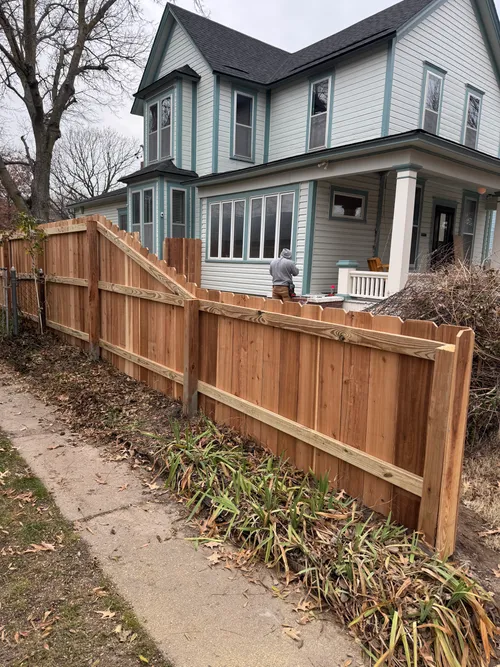
Midwest Fence
Wichita, KS
Midwest Fence is a locally owned fence installation company based in Wichita, KS. They provide residential and commercial fencing services including installation, repair, and staining, using a variety of materials such as wood, vinyl, aluminum, iron, and chain link. Serving Wichita and nearby communities like Derby, Andover, and Goddard, they focus on quality craftsmanship and reliable construction. Midwest Fence offers a one-year warranty on their installations and flexible financing options to support customers' fencing projects.

Dog Guard Of Kansas
Wichita, KS
Dog Guard Of Kansas is a fence installation contractor based in Wichita, KS, specializing in electronic dog fencing systems. Their Dog Guard Out of Sight fencing is a veterinarian-approved solution combining animal training with advanced electronic pet fencing technology. The system is adjustable to suit each dog's temperament and response to correction, creating a safe environment for pets. Dog Guard products are designed and assembled in the U.S.A. to ensure quality. The company serves multiple counties in Kansas and Oklahoma, providing professional installation and initial training support to help pets learn their boundaries.
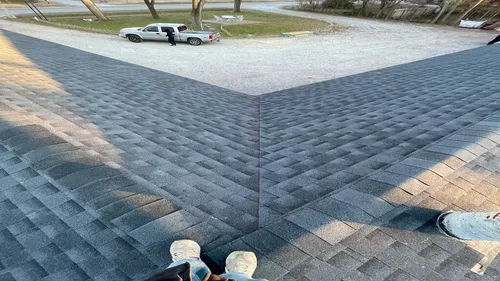
Better Solutions Roofing & Construction LLC
Wichita, KS
Better Solutions Roofing & Construction LLC is a Wichita, KS-based contractor offering roofing, fencing, siding, and concrete services. With over 20 years of experience, they provide custom fence installations using materials like wood and wrought iron to enhance privacy and security. The company serves Wichita and a broad area within a four-hour radius, including both urban and rural communities. They also offer 24/7 emergency repair services for urgent property damage. Their team assists clients with insurance claims and communicates in both English and Spanish.
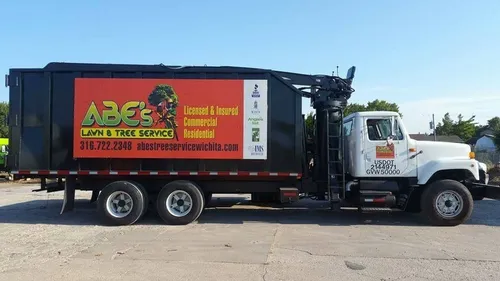
Abe's Tree Service
3535 W 30th St #100, Wichita, KS 67217
Abe's Tree Service is a tree care company based in Wichita, KS, offering a range of services including tree removal, trimming, pruning, and stump grinding. With over 20 years of experience, they serve both residential and commercial clients. Their team includes ISA-certified arborists who provide expert advice and sustainable tree care. Abe's Tree Service handles complex tree work safely and efficiently, including crown reduction and lateral weight reduction, and they include stump grinding and wood hauling with tree removals.
Fencing Wichita KS
Wichita, KS
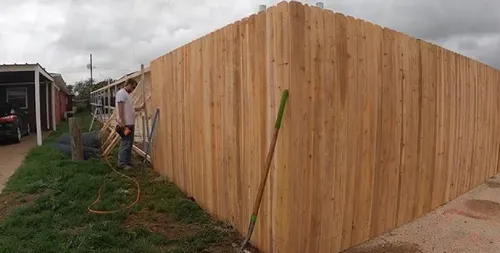
Fencing Wichita KS is a locally owned and operated fence installation company serving Wichita, KS, and surrounding areas. They provide a wide range of fencing options including vinyl, wood, chain link, ornamental aluminum or steel, security gates, pool fences, privacy fences, and custom fences for both residential and commercial properties. The company is fully licensed, bonded, and insured, focusing on durable fence installations that meet various needs such as privacy, security, and property value enhancement. Their experienced contractors also offer fence repair services and emphasize customer satisfaction throughout the project.
Understanding Kansas Fence Regulations
Before you pick up a post-hole digger, it's crucial to understand the local rules that govern fence construction. Regulations vary by city and even neighborhood, so checking with your local building department is a non-negotiable first step.
Height and Location Restrictions
Most Kansas municipalities follow a common pattern for fence heights, but specifics differ:
- Backyard Fences: Typically, the maximum height allowed is 6 feet, which is ideal for privacy.
- Front Yard Fences: These are often limited to 4 feet in height and must usually be of an "open" or "decorative" style, such as picket, split-rail, or wrought iron. Many codes require front yard fences to be at least 50% open to preserve sightlines 1 2 3.
- Corner Lots: Special rules apply due to visibility concerns for traffic. The portion of the fence along the street side is often restricted to 4 feet and must be open-style 4.
- Finished Side: The more finished, attractive side of the fence (without posts and rails) must face outward toward your neighbor's property or the street.
Permits and Setbacks
A permit is frequently required for fence installation, especially for structures over a certain height (commonly over 4 feet in front yards and over 6 feet in backyards) 5. The permit process ensures your project complies with zoning laws, property line setbacks (how far the fence must be from the street or lot line), and easement rules. Easements are rights-of-way for utilities; building a fence in an easement usually requires city or utility company approval and may need to include a removable section or gate for access 6 7.
Choosing the Right Fence Material
The material you choose impacts your fence's cost, appearance, maintenance, and longevity. Here are the most common options for Kansas homes:
- Wood Fencing: A classic and popular choice for privacy and traditional styles like picket fences. It offers natural beauty and can be stained or painted in various colors. However, it requires regular maintenance like sealing or painting to withstand Kansas weather.
- Vinyl Fencing: Known for its durability and low maintenance, vinyl fencing never needs painting and is resistant to rot and insects. It's available in privacy, picket, and rail styles, making it a versatile option for both front and back yards 8.
- Chain Link Fencing: An economical and durable option for security and pet containment. Be aware that some Kansas cities restrict the use of chain link (and materials like hog wire) in front yards or visible locations. Privacy slats can be added for screening.
- Aluminum & Wrought Iron: These materials are primarily used for decorative, open-style fences in front yards or around pools. They offer elegant security with minimal maintenance but are among the higher-cost options 9.
Cost Factors for Fence Installation
The total cost of your fence project is influenced by several key factors. On average, you can expect to pay between $20 and $50 per linear foot for a professionally installed wood fence, with total project costs for a 200-foot fence ranging from approximately $4,000 to $10,000 or more10.
Find the perfect fence installers for your needs
Get personalized recommendations and expert advice
What Drives the Price?
- Material Choice: Premium materials like cedar, composite, or wrought iron cost significantly more than pressure-treated pine or chain link.
- Fence Height and Linear Footage: Taller fences and longer runs require more materials and labor.
- Design Complexity: Adding gates, following sloped terrain, or choosing intricate designs increases installation time and cost.
- Site Preparation: If your yard needs clearing, grading, or the removal of an old fence, this will add to the project cost, typically $2 to $5 or more per linear foot11 12.
- Local Labor Rates: Costs can vary between different regions and cities within Kansas.
The Installation Process: What to Expect
A professional fence installation typically follows these steps:
- Consultation and Quote: A reputable installer will visit your property to discuss your needs, take measurements, identify any challenges (like slopes or trees), and provide a detailed written estimate.
- Permit Acquisition: Your installer may handle pulling the required permit, or you may need to do this yourself with your city's building department 13.
- Utility Location Call: Before any digging, you or your contractor must call 811 to have underground utility lines marked. This is free and legally required.
- Site Preparation: The area is cleared, and the fence line is marked according to the approved plan and property survey.
- Installation: Posts are set in concrete, rails are attached, and pickets or panels are installed. Gates are hung and adjusted.
- Final Inspection: Some cities require a final inspection to ensure the fence meets code.
Maintenance and Long-Term Care
Protecting your investment ensures your fence lasts for years:
- Wood Fences: Plan to clean, stain, or seal every 2-3 years to prevent warping, cracking, and rot.
- Vinyl Fences: Occasional washing with soap and water is usually all that's needed to maintain its appearance.
- Metal Fences: Check for rust spots periodically, especially on wrought iron, and touch up with paint as needed.
- General: Keep vegetation trimmed back from the fence, and promptly repair any damage from storms or impacts.
Frequently asked questions
Sources
Footnotes
-
Decks, Fences & Sheds - https://www.lenexa.com/Your-Residence/Home-Improvement/Decks-Fences-Sheds ↩
-
Residential Fences | Paola, KS - Official Website - https://cityofpaola.com/251/Residential-Fences ↩
-
§ 18.50.050 Fences, Walls or Hedges - Olathe Municipal Code - https://olathe.municipal.codes/UDO/18.50.050 ↩
-
Fence and Wall Permits - Leawood.Org - https://www.leawood.org/DocumentCenter/View/766/Fence-and-Wall-Permits-Brochure-PDF ↩
-
Fence Permit - Junction City, KS - http://www.junctioncity-ks.gov/170/Fence-Permit ↩
-
Your New Fence Checklist - https://www.kansascityfencepros.com/your-new-fence-checklist ↩
-
Residential Fence Permits and Regulations - https://www.cityofbasehor.org/DocumentCenter/View/102/Fence-Guidelines ↩
-
Rules and Regulations for fence in Overland Park KS - https://slaglefence.com/rules-and-regulations-for-fence-in-overland-park-ks/ ↩
-
Do You Need a Permit To Build a Fence on Your Property? - https://tmfencingllc.com/do-you-need-a-permit-to-build-a-fence/ ↩
-
Understanding Wood Fencing Cost: 2024 Guide - https://slaglefence.com/understanding-wood-fencing-cost-2024-guide/ ↩
-
Fence Installation Cost: 5 Key Factors That Affect Price - https://brothersfencellc.net/blog/fence-installation-cost-factors/ ↩
-
Fences, Walls, Hedges - salina-ks.gov - https://www.salina-ks.gov/media/Community%20Development/Building%20&%20Neighborhood%20Services/Fences,%20Walls,%20Hedges.pdf ↩
-
Fence Permit - Edwardsville, KS - https://www.edwardsvilleks.org/DocumentCenter/View/67 ↩