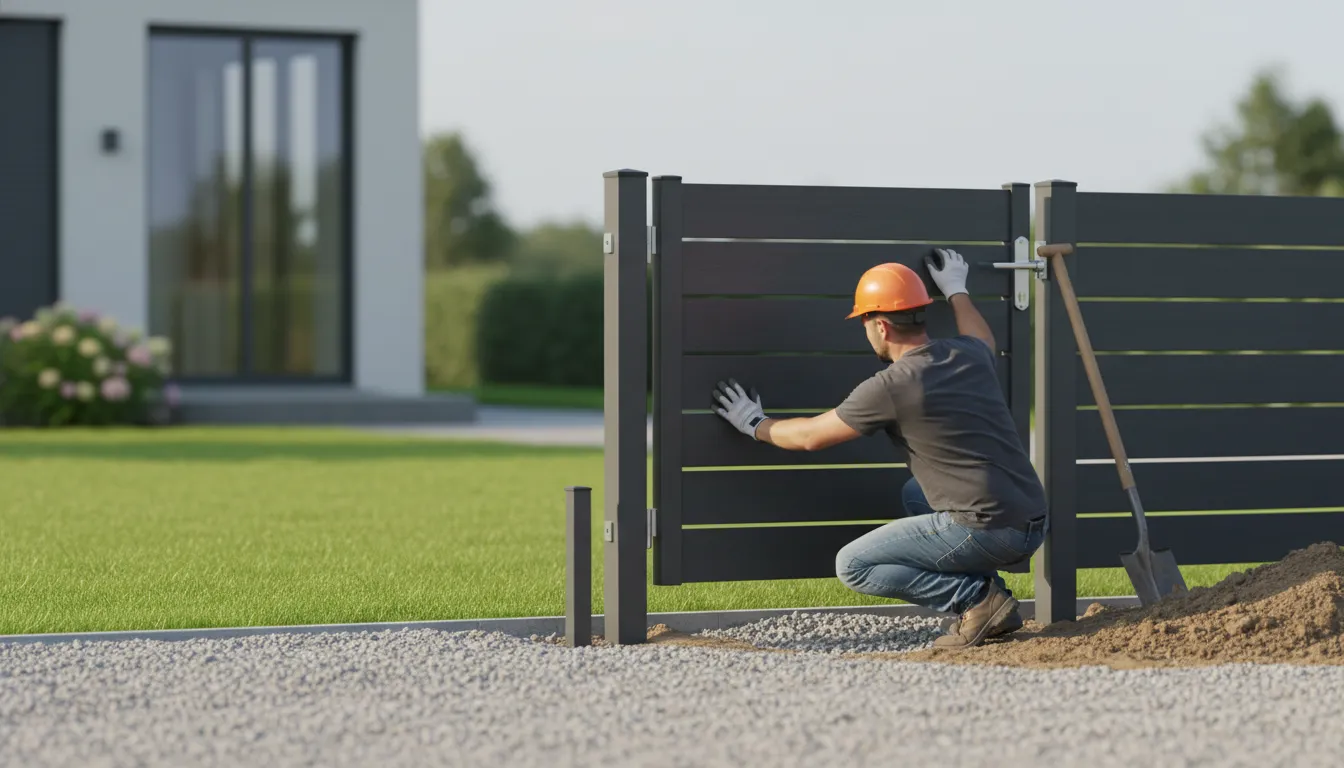
Find the Best Fence Installers for Your Business
No obligation • Fast responses • Nationwide coverage

Why you can trust Landscape Atlas
Landscape Atlas is a leading United States resource for evaluating landscaping, lawn care, and outdoor service providers. Our team researches each category in depth, focusing on service quality, safety, and customer experience. Listings and rankings are based on independent criteria and user feedback, and companies cannot pay to influence our assessments or recommendations.
Search providers near you
Best Fence Installers in Kentucky Ranked
Adding a fence to your Kentucky property can enhance privacy, security, and curb appeal. Whether you're looking for a classic white picket fence in Lexington or a sturdy privacy fence in Louisville, understanding local rules and planning is essential. This guide provides a clear overview of the key considerations, from navigating local ordinances and property lines to choosing materials and budgeting, helping you connect with qualified professionals for your project.

Edible Gardens Inc.
Louisville, KY
Edible Gardens Inc. is a landscaping and garden design company based in Louisville, KY. They specialize in creating raised bed edible gardens with custom-built cedar planter boxes, organic plants, deer fencing, and landscape lighting. Their services include onsite consultations, garden design, turnkey installations, maintenance, and planting plans for residents, businesses, schools, and retirement homes. Edible Gardens Inc. also offers workshops, mentorship, and an Edible Gardening Academy with online courses to support gardening education and skills development.
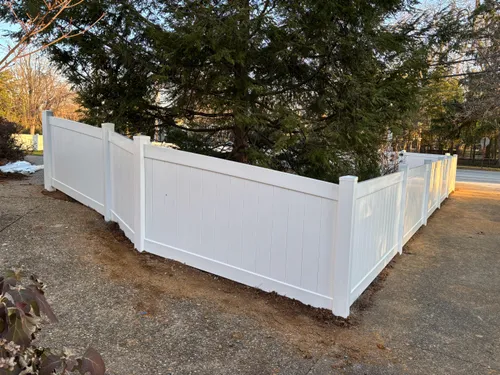
Superior Fence & Rail of Greater Louisville
439 Downes Terrace, Louisville, KY 40214
Superior Fence & Rail of Greater Louisville is a fence installation contractor serving Louisville, KY. They offer a wide range of fencing options including vinyl, wood, aluminum, composite, chain link, and commercial fences. The company uses premium materials such as pressure-treated pine for wood fences and StayStrong rails for vinyl fences to ensure durability and resistance to local weather conditions. With decades of experience and extensive team training, they provide customized fence installations tailored to various property types. Their commercial fencing team follows strict workplace safety standards to complete projects efficiently.
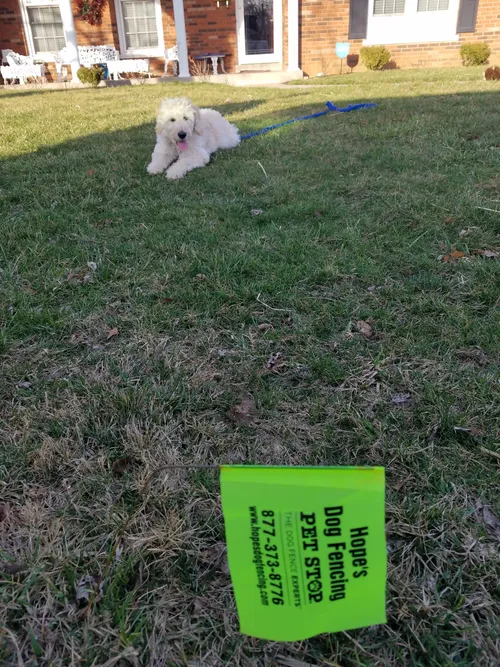
Hope's Dog Fencing
Lexington, KY
Hope's Dog Fencing is a locally owned fence installation contractor based in Lexington, KY, specializing in electric pet fencing systems. They provide safe, reliable containment solutions that allow pets off-leash freedom while keeping them secure within property boundaries. The company offers personalized, low-stress training through their GentleSteps™ program, designed to accommodate pets with different temperaments. Hope's Dog Fencing also supports existing underground fence systems from various brands and provides upgrades to their Pet Stop® rechargeable collars. Their systems include safety shut-off features, wire break warnings, and a mobile app for monitoring.
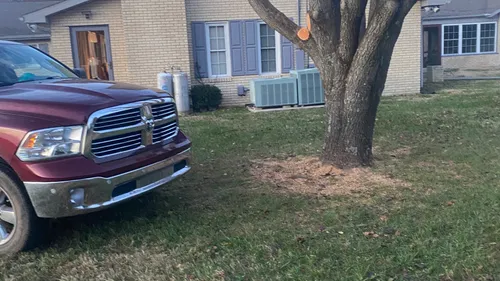
Huff's Tree Service and Handyman
Lexington, KY
Huff's Tree Service and Handyman is a locally owned business based in Lexington, KY, offering a variety of tree and handyman services across the state. With over 30 years of experience, they provide tree trimming, tree removal, stump grinding, fence installation, and general handyman work. Recognized by the County Advisory Board as a leader in the tree service and landscaping industry, Huff's Tree Service uses expert tools and knowledge to serve their community.
Schmidt Fencing
Louisville, KY
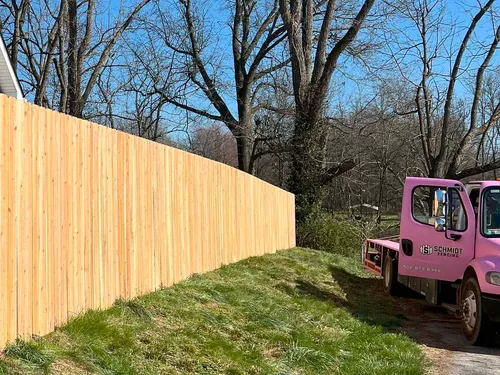
Schmidt Fencing is a fencing contractor serving Louisville, KY, and surrounding areas including Southern Indiana. They provide residential and commercial fence installation with a focus on aluminum and vinyl fencing options. The company uses innovative no-dig installation techniques suitable for various terrains, including rocky soil, and offers a lifetime craftsmanship warranty. Founded in 2022, Schmidt Fencing supports clients throughout the project from consultation to installation and beyond.
Understanding Kentucky's Fence Regulations
Before you break ground, the most critical step is understanding the rules that apply to your specific location. Kentucky does not have a single statewide fence code; regulations are set at the city and county level. This means the requirements in Bowling Green can differ significantly from those in Covington or rural Boone County.
Always start by contacting your local building or zoning department. They can provide the exact ordinances regarding:
- Permit requirements: Most cities require a permit for fence installation. The permit process ensures your planned fence meets local standards for height, material, and location.
- Height restrictions: These are the most common regulations. General guidelines often specify lower heights (typically 3-4 feet) for front yards to maintain open sightlines and higher allowances (often up to 6 feet) for back and side yards for privacy.
- Material and style rules: Some areas, particularly historic districts or communities with specific aesthetic goals, may restrict materials or colors.
Failing to obtain a required permit can result in fines and may force you to alter or remove the non-compliant fence.
Homeowners Association (HOA) Rules
If your property is part of a Homeowners Association, their covenants, conditions, and restrictions (CC&Rs) take precedence. HOAs often have strict rules governing fence style, color, material (e.g., only wood or vinyl), and even the type of finish. You must obtain written approval from your HOA before applying for a city permit 1.
Navigating Property Lines and Easements
A common source of neighbor disputes is the placement of a fence. To avoid legal issues, it is imperative to know exactly where your property ends.
- Get a Professional Survey: Do not rely on old property markers or assumptions. Hiring a licensed surveyor to mark your property lines is a wise investment. This provides a legal record of your boundaries.
- Build on Your Property: It is standard and legally prudent to install your fence entirely on your side of the property line, typically a few inches to a foot inward. Building directly on the line can imply a shared structure (a "party fence") with shared responsibility and ownership, which requires a written agreement with your neighbor 2.
- Respect Easements: Utility and drainage easements grant companies or municipalities the right to access a portion of your land. Building a fence on an easement can result in it being removed without compensation if access is needed. Check your property survey or plat for easement locations.
Fence Height Guidelines and Special Cases
While always confirming with local authorities, these are common height allowances in Kentucky municipalities:
- Front Yard Fences: Usually limited to 3 or 4 feet to preserve visibility for drivers and pedestrians and maintain neighborhood aesthetics.
- Backyard & Side Yard Fences: Privacy fences are commonly allowed up to 6 feet. For chain-link fences, some areas permit heights up to 8 feet in rear yards, though a special permit may be required for anything over 6 feet.
- Pool Fences: These are governed by specific safety codes, which typically mandate a minimum height of 48 inches (4 feet) with self-closing and self-latching gates positioned away from the pool. Local codes may be more stringent than the state minimum 3.
- Sightline Clearance: Regardless of height rules, fences cannot block visibility at street intersections, driveways, or sidewalks. Local codes define these "clear zones" or "vision triangles".
Choosing the Right Fence Material
Your choice of material impacts cost, maintenance, durability, and compliance with HOA or local rules. Here are the most popular options in Kentucky:
- Wood Fences: A timeless choice offering excellent privacy and a natural look. Styles like solid board privacy or shadowbox are popular. Wood requires regular staining or sealing to withstand Kentucky's humidity and seasonal changes.
- Vinyl Fences: Gaining popularity for their low maintenance and durability. They won't rot, warp, or need painting, making them a long-term investment. They are often available in styles that mimic wood and are commonly approved by HOAs.
- Chain Link Fences: A cost-effective and functional option for security and pet containment. They are less obstructive to sightlines and are often allowed to greater heights in rear yards. Vinyl-coated options can improve appearance 4.
- Wrought Iron or Aluminum: Offers a classic, elegant look with high security. While more expensive, it is durable and often permitted in upscale or historic districts. Aluminum provides a similar aesthetic with less maintenance than iron.
Find the perfect fence installers for your needs
Get personalized recommendations and expert advice
Budgeting for Your Fence Project
The total cost of a fence installation in Kentucky varies widely based on material, linear footage, terrain, and labor rates. Understanding the general cost structure helps in planning your budget.
- Cost Per Foot: Installation costs typically range from $6 to $50 per linear foot, fully installed. This wide range reflects the difference between basic chain-link and high-end materials like composite or ornate metalwork.
- Project-Based Pricing: For a standard 100-foot linear run, total costs can range from approximately $1,800 to $7,000.
- Cost Breakdown: On average, labor accounts for about 50% of the total project cost, with materials making up the other half. Complex terrain, like steep slopes or rocky soil, will increase labor time and cost 5.
- Additional Costs: Remember to factor in the cost of a property survey (if needed), the permit fee from your city, and the price of gates. A basic walk-through gate can start around $150, while larger, more decorative driveway gates cost significantly more 6.
The Installation Process: A Summary
Following a clear process ensures a smooth project:
- Survey: Confirm your property lines.
- Research: Check all local zoning ordinances and HOA rules.
- Plan & Permit: Finalize design and materials, then apply for the required permit.
- Hire a Professional: Choose a licensed, insured installer with good references.
- Installation: The crew will install the fence on your property, respecting easements and local codes.
- Inspection: Some localities require a final inspection once the fence is complete 7 8 9.
Frequently asked questions
Sources
Footnotes
-
Fence and Retaining Walls - LouisvilleKY.gov - https://louisvilleky.gov/government/construction-review/fence-and-retaining-walls ↩
-
Can a Fence Be Built on a Property Line? - https://www.longfence.com/can-a-fence-be-built-on-the-property-line/ ↩
-
Fences and Neighbors FAQ - Anthem Kentucky EAP - https://www.anthemeap.com/anthem-kentucky/find-legal-support/resources/consumer-rights/legal-assist/fences-and-neighbors-faq ↩
-
What is the Standard Fence Height in Kentucky? - https://myersfencing.com/blog/what-is-the-standard-fence-height-in-kentucky/ ↩
-
How Much Does It Cost To Install 100 Feet Of Fence? - https://cerosfencecontractors.com/how-much-does-it-cost-to-install-100-feet-of-fence/ ↩
-
How Much Does Fence Installation Cost? [2026 Data] | Angi - https://www.angi.com/articles/how-much-does-fence-installation-cost.htm ↩
-
What are the Rules About Fences in Kentucky? - https://myersfencing.com/blog/what-are-the-rules-about-fencing-in-kentucky/ ↩
-
The Importance of Fence Permits and Zoning Laws in Kentucky - https://www.riograndefence.com/blog/the-importance-of-fence-permits-and-zoning-laws-kentucky ↩
-
Understanding Local Regulations for Residential Fencing in ... - https://www.riograndefence.com/blog/understanding-local-regulations-for-residential-fencing-in-kentucky ↩