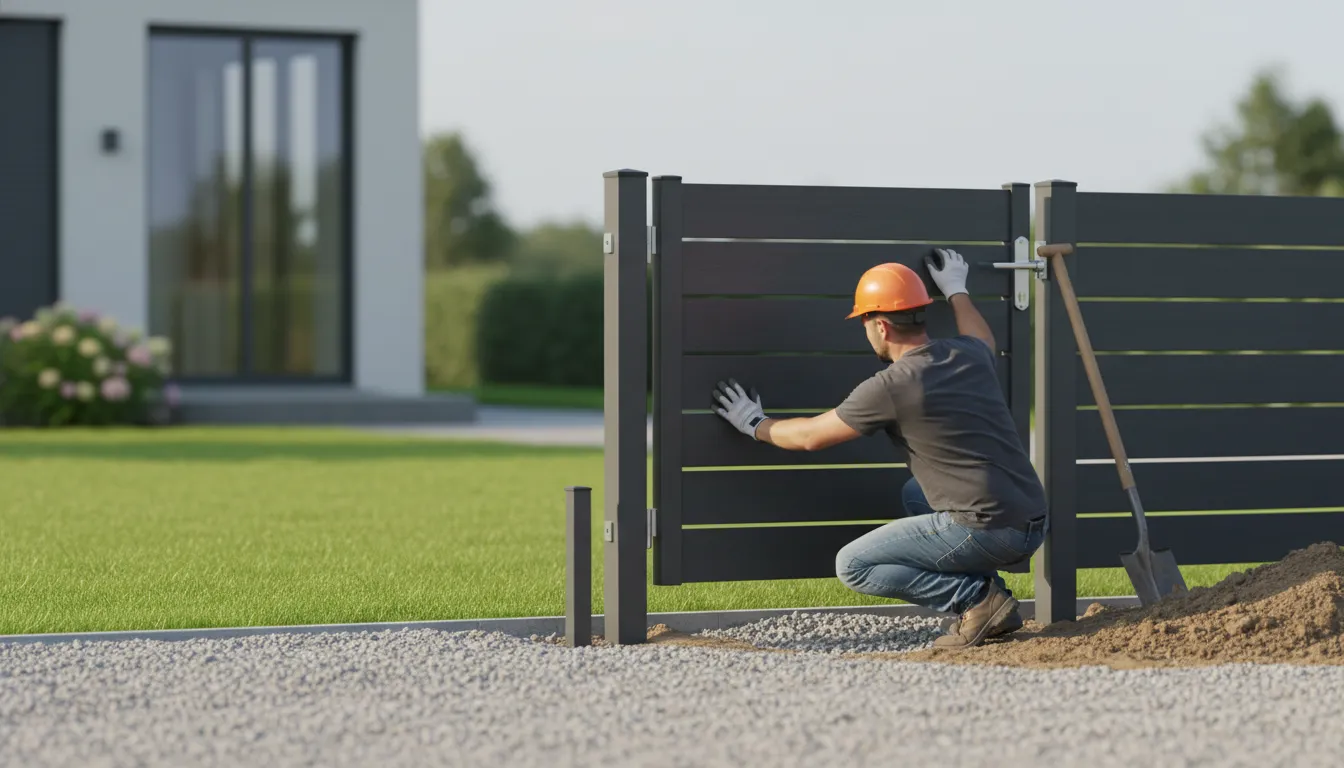
Find the Best Fence Installers for Your Business
No obligation • Fast responses • Nationwide coverage

Why you can trust Landscape Atlas
Landscape Atlas is a leading United States resource for evaluating landscaping, lawn care, and outdoor service providers. Our team researches each category in depth, focusing on service quality, safety, and customer experience. Listings and rankings are based on independent criteria and user feedback, and companies cannot pay to influence our assessments or recommendations.
Search providers near you
Best Fence Installers in Massachusetts Ranked
Installing a fence is a significant investment that enhances your property's privacy, security, and curb appeal. In Massachusetts, this process involves navigating a unique set of state statutes and local bylaws that govern everything from height limits to property line disputes. Understanding these regulations, along with material options and cost factors, is essential for a successful project. This guide provides clear, practical information to help you plan your fence installation and connect with qualified local professionals who understand Massachusetts-specific requirements.
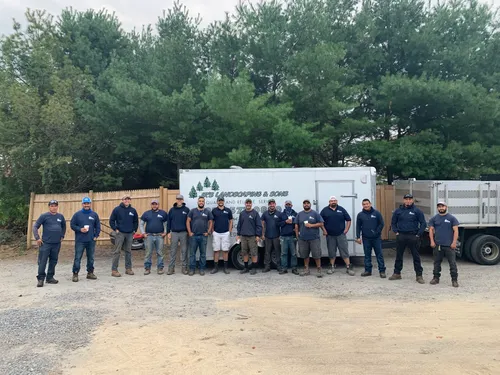
JR's Landscaping & Sons LLC
3 Sorelle Pl, Burlington, MA 01803
JR's Landscaping & Sons LLC is a full-service landscaping company serving Boston, MA, and Middlesex County. They provide a wide range of services including lawn mowing, lawn fertilization, weed control, sod installation, fence installation, landscape lighting, sprinkler installation and repair, hardscaping with patios and retaining walls, and custom landscape design. With over 20 years of experience since 1997, they offer year-round solutions tailored to maintain and enhance outdoor spaces for both residential and commercial properties. Their capabilities include expert hardscape installations such as stone walkways, patios, and retaining walls designed for New England weather conditions.
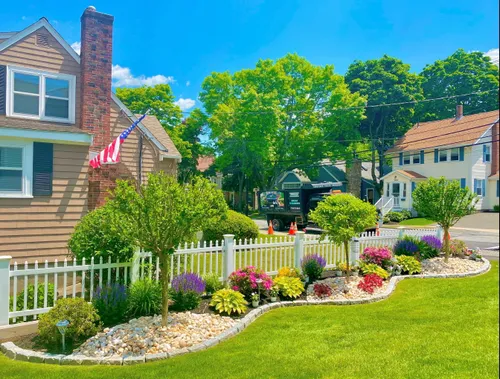
Done Right Landscape & Construction
20 Fitch Ct, Wakefield, MA 01880
Done Right Landscape & Construction is a full-service landscaping and hardscaping company serving the Boston, MA area. They specialize in residential and commercial landscape design, fence installation, patios, retaining walls, and other outdoor construction projects. With over 40 years of experience since 1980, their team works closely with clients to create customized outdoor spaces that combine functionality and aesthetic appeal. Their expertise includes the installation of vinyl, steel, aluminum, and wooden fences, as well as low-maintenance stonescaping designs.
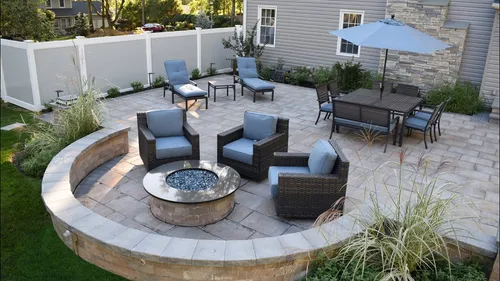
The Pros Inc. - Landscape Design & Build
29 Hanover St, Lynn, MA 01902
The Pros Inc. - Landscape Design & Build is a landscaping and outdoor living company serving Boston, MA, and surrounding areas. With over 20 years of experience, they offer a wide range of services including landscape design, lawn care, sod installation, fence installation, hardscaping, outdoor lighting, irrigation, water features, pool and spa construction, decks, pergolas, driveways, and seasonal maintenance. Their expertise includes custom pool building with options like fiberglass and gunite concrete pools, as well as comprehensive irrigation systems designed for efficient watering. The company also provides snow and ice management services during winter months.
Pat Gibbs Landscape Design & Construction, Inc.
Boston, MA
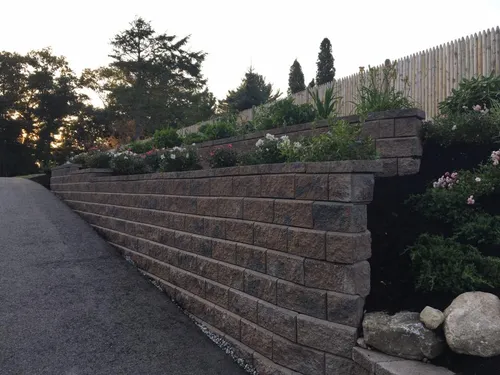
Pat Gibbs Landscape Design & Construction, Inc. is a landscaping and construction company serving Boston, MA, and the surrounding areas. With over 25 years of experience, they offer a wide range of services including lawn maintenance, landscaping, hardscaping, excavating, fencing installation, outdoor living spaces, tick and mosquito spray, bathroom remodeling, dumpster rental, and snow removal. The company uses quality materials such as Techo Block and Uni-Lock for durable and attractive hardscaping projects and provides a 25-year warranty on hardscaping work. They also offer a 10% discount for military and first responders on seasonal contracts and hardscaping.
Anthony Tree Services & Landscaping
Boston, MA
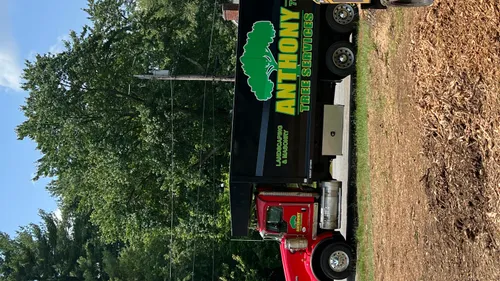
Anthony Tree Services & Landscaping is a landscaping and tree care company based in Boston, MA. They offer a range of services including lawn fertilization, weed control, tree removal, stump grinding, fence installation, and landscape design. Their capabilities include professional tree services and pest and weed control to maintain healthy and visually appealing green spaces. The company also specializes in constructing and remodeling outdoor features such as fences and poolside walkways. Anthony Tree Services & Landscaping emphasizes environmentally considerate landscaping solutions and provides free consultations to plan and maintain gardens and lawns.
Understanding Massachusetts Fence Regulations
Before you purchase a single post, it's crucial to understand the legal framework. Massachusetts state law provides a foundation, but your town or city's specific zoning bylaws are the ultimate authority. Ignoring these rules can lead to costly fines or being forced to remove or alter your new fence.
State Laws: Partition Fences and "Spite Fences"
Massachusetts General Laws, Chapter 49, addresses "partition fences"-those built directly on a property line. The law states that such fences are considered jointly owned by both property owners, and both are responsible for a fair share of construction and maintenance costs 1 2. Disputes over partition fences are historically resolved by local "fence viewers," a board appointed to mediate such issues 1 3.
Another key state-level rule prohibits "spite fences." A fence built primarily to annoy or injure a neighbor-typically defined as one over 6 feet tall constructed out of malice-is illegal. This underscores the importance of maintaining good communication with your neighbors throughout the planning process.
Local Zoning Bylaws: Permits, Height, and Setbacks
Local regulations vary significantly from one municipality to another. You must contact your town's Building or Zoning Department to obtain the exact rules for your property. Common local regulations include:
- Permits: Many towns do not require a permit for fences under 6 feet in height. However, for fences taller than 6 feet, a building permit is almost always required. Some towns require permits regardless of height, especially in historic districts.
- Height Limits: This is the most common regulation. A standard rule is a maximum of 4 feet for front yard fences and 6 to 7 feet for side and rear yards 4. Corner lots often have stricter, lower height limits in "visibility triangles" to ensure traffic safety.
- Setbacks: Your fence must be installed a certain distance from property lines, sidewalks, and streets. These setback requirements ensure access for utilities and maintenance.
- Materials and Appearance: Some communities, particularly in historic areas, have rules about acceptable materials (e.g., prohibiting chain link in front yards) or styles to maintain a certain aesthetic.
Always check with your local building department before finalizing any plans.
Key Planning Steps for Your Fence Project
A successful installation starts with thorough preparation. Following these steps will prevent headaches and unexpected costs down the line.
1. Verify Your Property Lines
This is the most critical step. You are legally required to build your fence entirely on your own property. Do not rely on old markers or assumptions. If you are unsure, hire a professional land surveyor to stake out your exact property lines. Building on a neighbor's land can lead to legal disputes and forced removal 5.
2. Research and Choose Your Fence Material
The material you choose impacts cost, maintenance, appearance, and longevity. Here are the most popular options in Massachusetts:
- Wood: A classic choice offering natural beauty and good privacy. Common types include pressure-treated pine (economical) and cedar (naturally rot-resistant). Wood fences require periodic staining or sealing to withstand New England weather.
- Vinyl (PVC): Extremely popular for its low maintenance-it never needs painting and cleans easily with a hose. It's durable, comes in various styles (privacy, picket, ranch rail), and resists insects and rot.
- Chain Link: A budget-friendly and highly functional option, ideal for pet containment, pool safety, and defining boundaries without blocking views. It's durable and requires minimal upkeep 6.
- Metal (Aluminum & Steel): Offers a sleek, elegant look with exceptional durability. Aluminum is rust-resistant, while steel is incredibly strong. Often used for ornamental residential fencing and requires little maintenance 7.
3. Understand the Cost Factors
Fence installation costs in Massachusetts are typically quoted per linear foot, which includes both materials and labor. For a standard 6-foot privacy fence, you can expect a range of roughly $25 to $60 per linear foot installed, though this can vary widely based on several factors.
- Material Cost: This is the largest variable. Vinyl and wood are often in a similar mid-range, while ornamental metal is typically more expensive, and chain link is generally the most economical 8 9.
- Labor & Site Complexity: Labor typically accounts for 40-60% of the total cost. Challenging site conditions like steep slopes, rocky soil, or ledge will increase labor time and cost by 20-50% or more 10 11.
- Extras: Don't forget to budget for gates (which can cost $150 to $500+ each), decorative post caps, removal of an old fence (approx. $3-$8 per linear foot), and of course, the required building permit fees from your town 12 13.
Find the perfect fence installers for your needs
Get personalized recommendations and expert advice
The Professional Installation Process
Working with a professional installer ensures your fence is built correctly, legally, and to last. Here's what a typical process looks like:
- Consultation & Quote: A reputable installer will visit your property to discuss your needs, take measurements, assess the terrain, and identify any potential challenges like trees or slopes.
- Planning & Permitting: A good professional will help you understand local regulations and often will pull the required building permit on your behalf, ensuring all plans are compliant.
- Site Preparation: This involves marking the exact fence line (often using your surveyor's stakes), clearing vegetation, and addressing any grading issues.
- Installation: Posts are set in concrete at proper depths (below the frost line in MA to prevent heaving). Rails and pickets (or panels) are then attached. Gates are hung and adjusted for smooth operation.
- Final Inspection: The installer will do a walk-through with you to ensure you're satisfied, and some towns require a final inspection by the building department to close out the permit.
Getting and Comparing Quotes
Always get at least three detailed written estimates. A thorough quote should include a line-item breakdown of material costs, labor, permit fees, site preparation, and any extras. Ask each installer about their timeline, warranty on materials and labor, and whether they are licensed and insured. Be wary of quotes that seem unusually low, as they may cut corners on materials, permit compliance, or proper installation techniques.
Maintaining Your Massachusetts Fence
Protect your investment with proper maintenance:
- Wood: Inspect annually. Re-stain or seal every 2-3 years to protect against moisture and UV damage. Keep soil and mulch from touching the bottom of the fence to prevent rot.
- Vinyl: Simply wash with soap and water annually to remove dirt and mildew. Avoid using abrasive cleaners or tools that could scratch the surface.
- Chain Link & Metal: Check for rust spots periodically, especially on steel fences. Touch up with rust-inhibitive paint as needed. Ensure gate hardware is lubricated.
Frequently asked questions
Sources
Footnotes
-
FENCE INFO - Carver Town Hall - https://www.carverma.gov/sites/g/files/vyhlif4221/f/uploads/fence_info_0.pdf ↩ ↩2
-
Fence Law Series: Beverly MA - https://malonefencecompany.com/fence-law-series-beverly-ma/ ↩
-
What are the rule of building fence in massachusetts - https://www.brentwoodfence.com/blog/fence-building-rules-massachusetts ↩
-
Fence and Retaining Wall Information Sheet ... - Lexington, MA - https://lexingtonma.gov/DocumentCenter/View/1720/Fence-and-Retaining-Wall-Information-Sheet-PDF ↩
-
Massachusetts Fence Permits and Regulations - https://www.profenceco.com/permits-and-regulations ↩
-
Chain Link Fence Heights: 3 Crucial Tips - Brentwood Fence - https://www.brentwoodfence.com/blog/chain-link-fence-heights-nh-ma-me ↩
-
Popular Fence Styles in Massachusetts | PR Fence Company - https://www.prfencecompany.com/fence-styles/ ↩
-
Fence Installation Companies: 7 Best & Trusted Picks 2025 - https://www.brentwoodfence.com/blog/nh-me-ma-fence-installation-companies ↩
-
What Affects Chain Link Fence Installation Pricing in Haverhill, MA? - https://theamericanfenceco.com/factors-influencing-chain-link-fence-costs-haverhill/ ↩
-
Professional Fence Installation 101 Guide | NH, MA, ME - https://www.brentwoodfence.com/blog/professional-fence-installation-101 ↩
-
Cost Of Wood Fence Installation 2025: Save Big! | Nh, Ma, Me - https://www.brentwoodfence.com/blog/cost-wood-fence-installation-nh-ma-me ↩
-
6 ft privacy fence installation cost: Smart 2025 Guide - https://www.brentwoodfence.com/blog/6-ft-privacy-fence-install-cost-guide ↩
-
Fence cost per linear foot: 7 Powerful Facts for 2025 - https://www.brentwoodfence.com/blog/fence-cost-per-linear-foot-nh-ma-me ↩