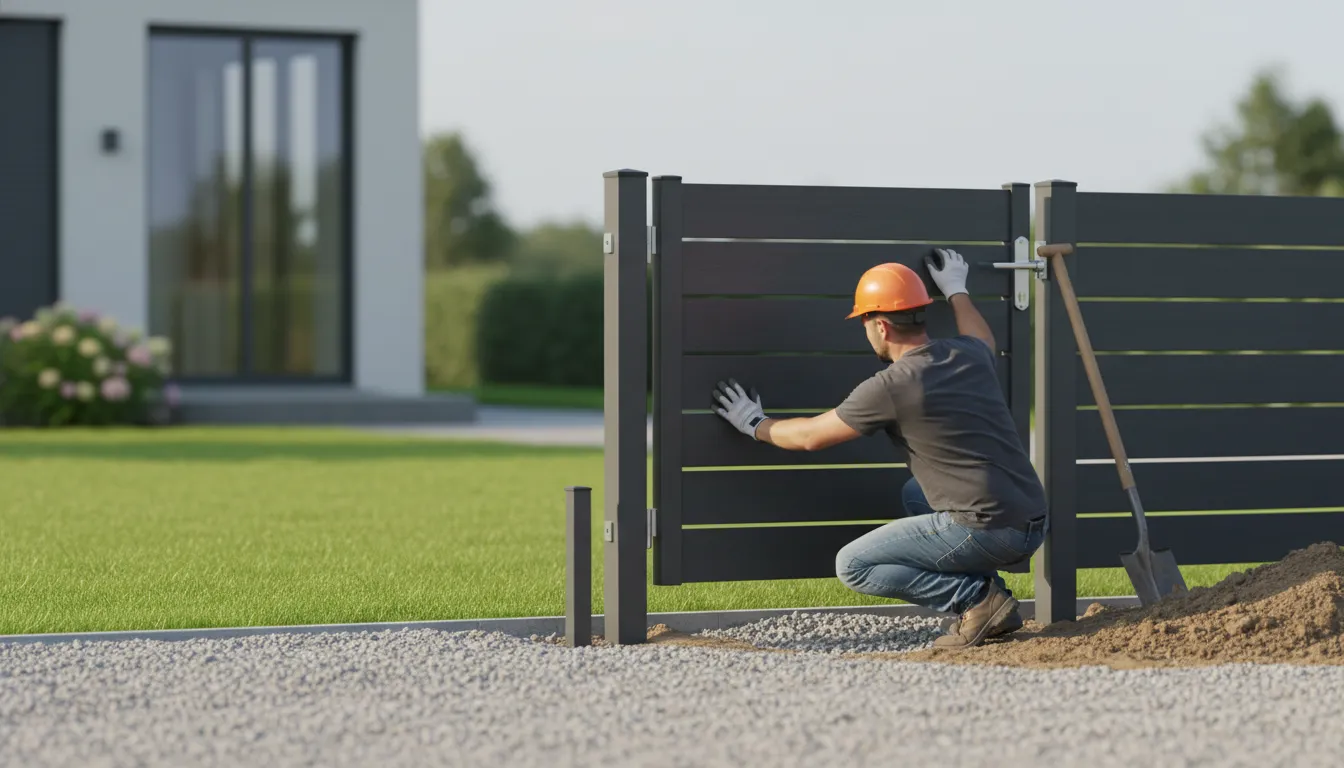
Find the Best Fence Installers for Your Business
No obligation • Fast responses • Nationwide coverage

Why you can trust Landscape Atlas
Landscape Atlas is a leading United States resource for evaluating landscaping, lawn care, and outdoor service providers. Our team researches each category in depth, focusing on service quality, safety, and customer experience. Listings and rankings are based on independent criteria and user feedback, and companies cannot pay to influence our assessments or recommendations.
Search providers near you
Best Fence Installers in Maine Ranked
Installing a fence on your Maine property is a significant investment that enhances privacy, security, and curb appeal. A well-planned fence project requires navigating local zoning rules, selecting the right materials for Maine's climate, and understanding the associated costs. This guide provides clear, practical information to help you plan your project, from understanding state laws and permit requirements to choosing a durable material and finding a qualified local installer.
Understanding Maine's Fence Regulations
Before you purchase a single post, it's crucial to understand the rules that govern fence construction in Maine. Regulations exist at both the state and local municipal levels, and compliance is essential to avoid costly disputes or removal orders.
State Law on Height and "Spite Fences" Maine state law (17 MRS §2801) addresses fences primarily through the concept of a "spite fence." This law states that a fence over six feet in height, erected maliciously to annoy a neighbor, may be considered a private nuisance and subject to removal 1. While proving malicious intent can be complex, this statute effectively sets a practical statewide benchmark: fences exceeding six feet in height may attract legal scrutiny. For most residential purposes, a height of 4 to 6 feet for backyard fences is standard and widely accepted 2.
Local Zoning is Key The most important regulations come from your local town or city office. Municipal zoning codes dictate:
- Maximum Height: Limits often differ for front yards (commonly 4 feet) and back/side yards (commonly 4-6 feet).
- Setbacks: Required distances from property lines, streets, or sidewalks.
- Permit Requirements: Most towns require a building permit for fences over a certain height, typically 6 feet, but sometimes lower 3. Some municipalities, like Bar Harbor, have specific fence requirements that must be reviewed and approved 4.
- Material Restrictions: Some historic or coastal districts may regulate the appearance or materials of fences.
Your First Step: Always visit or call your local town office or code enforcement department to obtain the specific fence ordinance for your property. This is a non-negotiable first step in the planning process.
Navigating Property Lines and Neighbor Relations
A fence built in the wrong place is a major problem. Ensuring your fence is constructed entirely on your property is your responsibility.
Locating Your Property Lines Do not rely on guesswork, old fences, or approximate markers. To accurately locate your property lines:
- Review your property survey (if you have one from your home purchase).
- If no survey exists, hire a licensed land surveyor to mark the boundaries. This upfront cost prevents immense future expense and conflict.
Building Near the Line It is generally advisable to build your fence at least a few inches inside your property line. This creates a clear buffer and ensures you are not accidentally encroaching on your neighbor's land 5. Building directly on the property line typically implies shared ownership, which requires a written agreement with your neighbor regarding costs, maintenance, and style 6.
The "Good Neighbor" Approach Even if the fence is entirely on your property, it's considerate to discuss your plans with adjoining neighbors. This can prevent surprises and disputes, especially regarding the "finished" side orientation (which usually faces outward toward your neighbor's property).
Choosing the Right Fence Material for Maine
Maine's climate-with its cold winters, snow load, freeze-thaw cycles, and coastal salt air in some areas-demands durable materials. Your choice will define the fence's appearance, maintenance needs, lifespan, and cost.
Wood Fences Wood is a classic, versatile choice popular throughout Maine. It offers a natural look and can be stained or painted any color.
- Pros: Aesthetic appeal, customizable, can be relatively affordable.
- Cons: Requires regular maintenance (staining/sealing every few years), susceptible to rot, insect damage, and warping over time.
- Cost: Installed costs vary widely based on wood type and style, typically ranging from $10 to over $50 per linear foot.
Vinyl (PVC) Fences Vinyl fencing has grown tremendously in popularity due to its durability and low upkeep.
- Pros: Extremely low maintenance (just occasional washing), won't rot, warp, or need paint, available in various styles and colors.
- Cons: Higher initial cost than basic wood, can become brittle in extreme cold, and color cannot be changed.
- Cost: Installed costs generally range from $20 to $40+ per linear foot.
Chain Link Fences A practical and budget-friendly option focused on function over form.
- Pros: Very affordable, durable, low-maintenance, provides security without blocking views.
- Cons: Industrial appearance offers little privacy unless slats are added.
- Cost: Often the least expensive installed option.
Aluminum and Wrought Iron These materials are used for more decorative fencing, such as picket styles or ornate designs.
- Pros: Highly decorative, strong, low-maintenance (especially powder-coated aluminum), excellent for curb appeal.
- Cons: Among the highest cost options, provides limited privacy.
- Cost: Significantly higher than wood or vinyl, varying greatly by design.
Find the perfect fence installers for your needs
Get personalized recommendations and expert advice
The Fence Installation Process: Step-by-Step
A successful installation follows a logical sequence. Skipping steps can lead to violations, damaged utilities, or poor results.
- Research Local Codes: Obtain and review your town's fence ordinance from the municipal office 7 8.
- Call DigSafe (811): This free, legally required service must be called at least 3 business days before any digging. Utility companies will mark the location of underground lines on your property.
- Finalize Design & Material: Choose your fence type, height (within local limits), and gate locations.
- Apply for Permits: If required by your town, submit your fence plan and application. Permit fees typically range from $40 to $1509 10.
- Prepare the Site: Clear the fence line of vegetation, rocks, and debris.
- Installation: A professional installer will set posts in concrete (below the frost line for stability), attach rails and pickets/panels, and hang gates. Professional labor typically accounts for 50-70% of the total project cost.
Understanding Fence Installation Costs in Maine
Fence costs are almost always quoted by the linear foot for a complete, installed project. The total is influenced by material, height, terrain (slopes cost more), and labor rates.
Cost Per Linear Foot (Installed)
- Chain Link: Most economical option.
- Wood: $10 - $50+ per foot11 12.
- Vinyl: $20 - $40+ per foot13 14.
- Aluminum/Wrought Iron: Highest cost, varies by design.
Total Project Cost Example For a common 100-foot linear fence:
- Basic Wood Picket: Approximately $1,800 - $3,500
- Privacy Wood Fence: Approximately $3,000 - $5,000+
- Vinyl Privacy Fence: Approximately $4,000 - $7,000+15
These estimates include materials and professional installation. Remember to factor in additional costs for permits, any survey work, and removal of an old fence.
Hiring a Professional Fence Installer in Maine
Given the importance of proper installation for longevity and compliance, hiring a qualified professional is highly recommended. Look for a licensed and insured contractor with specific experience installing fences in Maine. They should be familiar with local code requirements, soil conditions, and the best practices for setting posts to withstand frost heave. Always request multiple written quotes that detail the scope of work, materials (including brand and specifications), total cost, and timeline.
Frequently asked questions
Sources
Footnotes
-
MRS Title 30-A, Chapter 133. FENCES AND FENCE VIEWERS - https://legislature.maine.gov/statutes/30-a/title30-Ach133.pdf ↩
-
Frequently Asked Questions - CivicPlus.CMS.FAQ - https://www.yorkpolice.org/faq.aspx?TID=22 ↩
-
When is a Permit Required - Residential - Hampden, ME - https://www.hampdenmaine.gov/residential-permit ↩
-
Fence Requirements - Bar Harbor - https://www.barharbormaine.gov/DocumentCenter/View/4492/Fence-Requirements-Town-of-BH ↩
-
Property Line Fence Rules: Your Complete Guide to Legal ... - https://barrierbossusa.com/blogs/news/property-line-fence-rules-guide ↩
-
Fences and Neighbors FAQ - Maine Municipal Employees Health ... - https://www.anthemeap.com/mmeht/find-legal-support/resources/consumer-rights/legal-assist/fences-and-neighbors-faq ↩
-
How To Choose The Right Fence For You - https://www.allenfarmfence.com/maine-fence-buyers-guide/ ↩
-
Residential Fence Installation Info - https://androscogginfence.com/residential-fence-installation-info/ ↩
-
Residential Fencing Options: 10 Best Choices for 2025 - https://www.brentwoodfence.com/blog/residential-fencing-options-nh-ma-me ↩
-
How Much Does Fence Installation Cost? [2026 Data] | Angi - https://www.angi.com/articles/how-much-does-fence-installation-cost.htm ↩
-
Cost Of Wood Fence Installation 2025: Save Big! | Nh, Ma, Me - https://www.brentwoodfence.com/blog/cost-wood-fence-installation-nh-ma-me ↩
-
Guide to Fence Costs & Estimates in Canada - https://www.homestars.com/gardening-outdoors/price-guides/fence-cost ↩
-
Budgeting Guide: What's the Average Cost to Install a Fence? - https://www.fmianddeckstoo.com/budgeting-guide-whats-the-average-cost-to-install-a-fence ↩
-
Cost to have vinyl fence installed: 2025 Best Guide - Brentwood Fence - https://www.brentwoodfence.com/blog/cost-to-have-vinyl-fence-installed ↩
-
How Much Does It Cost To Install 100 Feet Of Fence? - https://cerosfencecontractors.com/how-much-does-it-cost-to-install-100-feet-of-fence/ ↩