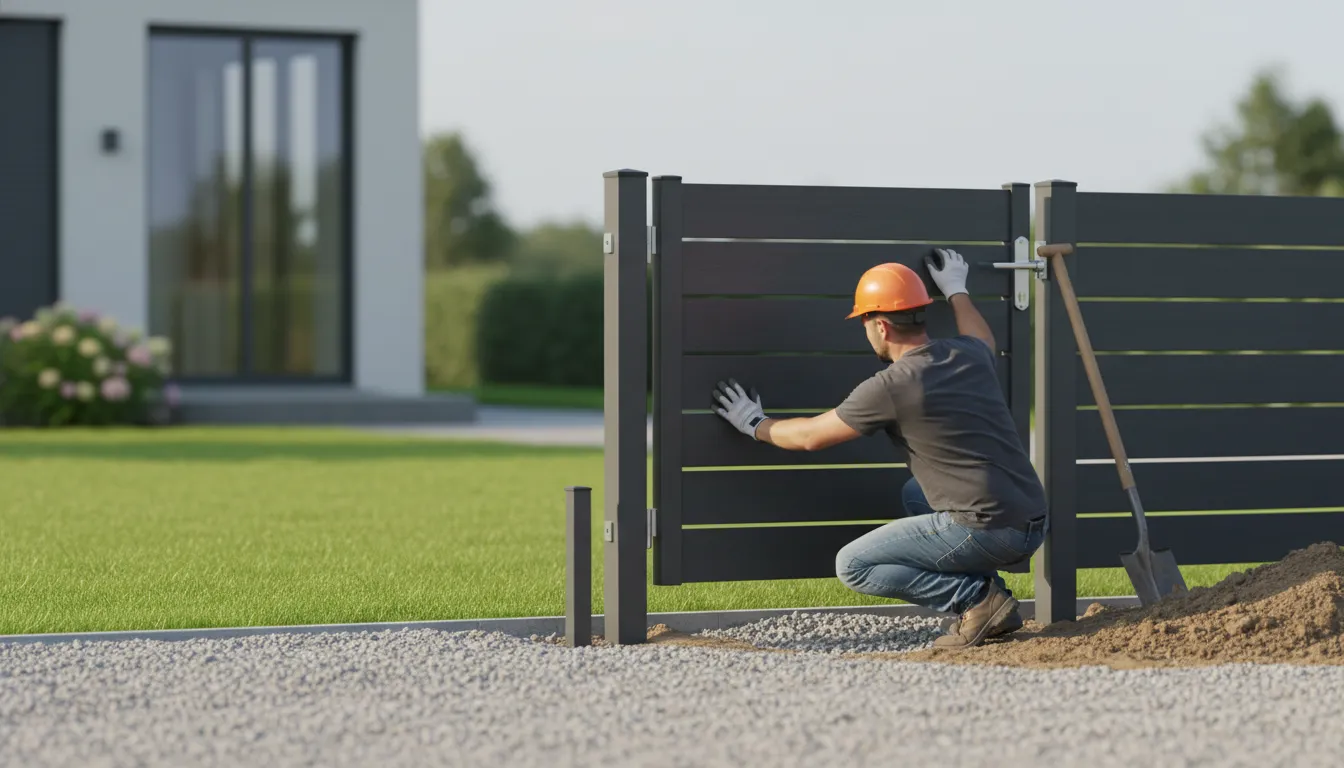
Find the Best Fence Installers for Your Business
No obligation • Fast responses • Nationwide coverage

Why you can trust Landscape Atlas
Landscape Atlas is a leading United States resource for evaluating landscaping, lawn care, and outdoor service providers. Our team researches each category in depth, focusing on service quality, safety, and customer experience. Listings and rankings are based on independent criteria and user feedback, and companies cannot pay to influence our assessments or recommendations.
Search providers near you
Top Fence Installers in St Charles, Missouri Ranked
Adding a fence to your St. Charles property is a significant investment that enhances privacy, security, and curb appeal. Whether you're looking to define your property line, create a safe play area, or add a decorative element to your landscape, understanding the local regulations, material options, and costs is crucial. This guide provides the essential information you need to plan your project and connect with qualified local professionals who can bring your vision to life.
GreenScapeSTL Landscaping and Outdoor Living
St Louis, MO
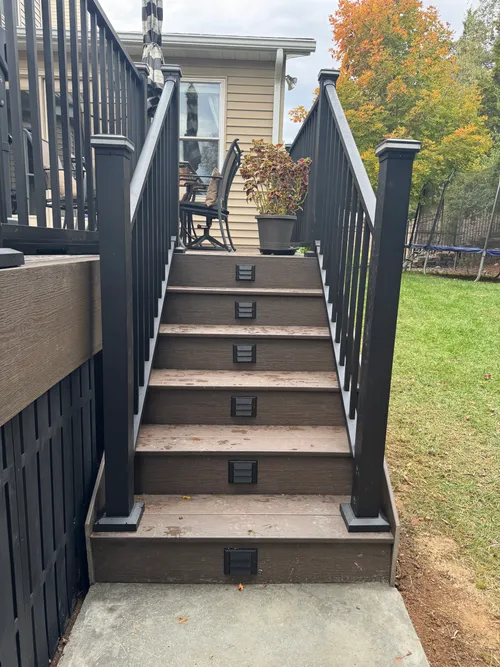
GreenScapeSTL Landscaping and Outdoor Living is a full-service landscaping company based in St Louis, MO. They provide a wide range of services including landscape design, installation, maintenance, fence installation, patios, decks, and retaining walls. Serving St Louis and surrounding counties, GreenScapeSTL guides clients through every stage of their outdoor projects from concept to completion. Their team of experienced landscape contractors focuses on creating custom outdoor living spaces that enhance both the beauty and functionality of residential properties.
VQ Land & Stone, LLC
St Louis, MO
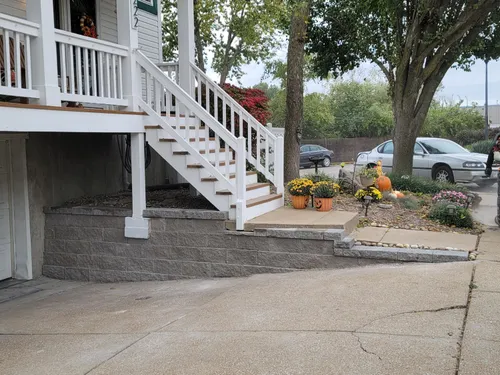
VQ Land & Stone, LLC is a landscaping and hardscaping company based in St. Louis, MO. With 14 years of experience, they offer a broad range of services including retaining wall construction, patio design, landscape installation, fence installation, sod installation, tree pruning, and snow removal. Their expertise also includes French drain installation and hardscape construction, helping to enhance both the beauty and functionality of outdoor spaces in the St. Louis area. The company is family owned, licensed, and insured, emphasizing sustainable practices and knowledge of native plants and water conservation.
Stuart Lawn and Land
10816 Galt Industrial Blvd, St. Louis, MO 63132
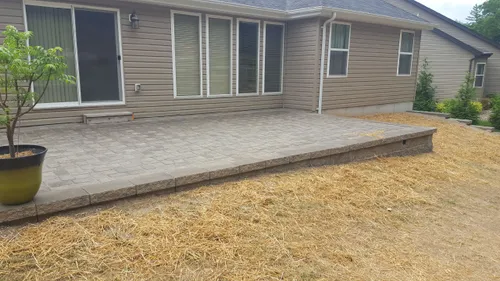
Stuart Lawn and Land is a family-owned lawn care and landscaping company based in St Louis, MO. Founded in 2004 by Gordon Stuart, the company offers a wide range of services including lawn mowing, fertilization, weed control, sod installation, landscaping design, hardscaping with pavers and retaining walls, fencing, and property preservation. They serve numerous communities throughout the St Louis area, providing tailored outdoor solutions such as patios, driveways, decks, and leaf removal. With over 20 years of experience, Stuart Lawn and Land works closely with clients to create and maintain attractive outdoor spaces.
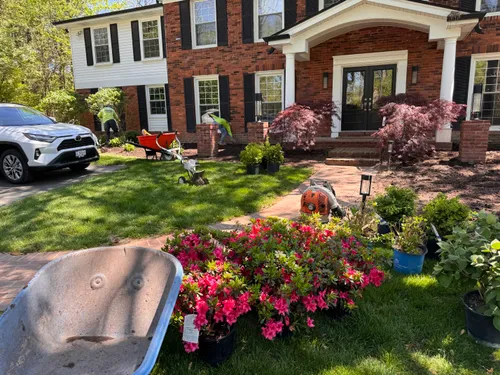
West County Gardens - Landscaping - Hardscaping - Snow Management
10687 Midland Blvd, St. Louis, MO 63114
West County Gardens - Landscaping - Hardscaping - Snow Management is a landscaping and hardscaping company based in St Louis, MO. They offer a wide range of services including lawn maintenance, fence installation, landscape lighting, yard drainage, and snow and ice management. Their capabilities include designing and installing patios, fire pits, water features, pergolas, decks, and fences to create inviting outdoor living spaces. The company also provides landscape design services led by a landscape architect and manages water issues such as creeks and ponds. Snow and ice management is a key service to keep properties safe during winter months.
Understanding St. Charles Fence Regulations
Before you choose a style or material, it's imperative to understand the local rules governing fence construction in St. Charles. Adhering to these regulations from the start prevents costly mistakes and potential disputes.
Height and Placement: In St. Charles, fence height is typically regulated by yard location. For front yards, the maximum height is generally 4 feet, while side and rear yards may allow fences up to 7 feet, though specific zoning can affect this. All fences must be constructed entirely within your property lines. A common setback requirement is at least 12 inches from the edge of a public sidewalk 1.
Special Considerations for Corner Lots: Properties on corner lots have unique challenges. These lots are considered to have two front yards-one facing each street. Therefore, the front yard height and style restrictions apply to both sides of the property that face a public right-of-way.
Front Yard Restrictions: The city often prohibits "sight-proof" or solid privacy fences in front yards to maintain open sightlines and a uniform streetscape. Fences in this area typically must be "open" in design, such as a traditional picket style 2. Additionally, certain materials like barbed wire, chain link, or wire mesh are generally not permitted in front yard applications.
Permits: Most fence installations in St. Charles require a permit from the city's building department. The permit process ensures your planned fence meets all zoning and code requirements. A professional installer will typically handle this process for you.
Choosing the Right Fence Material
The material you select will define your fence's appearance, durability, maintenance needs, and budget. Here's a breakdown of the most popular options for St. Charles homes.
Wood Fencing
Wood is a classic, versatile choice that offers a natural look. It's often more affordable upfront than other solid materials and is excellent for creating privacy with styles like board-on-board or shadowbox. Wood also works beautifully for decorative picket fences. The primary consideration is maintenance; wood fences require periodic staining or sealing to protect against Missouri's weather and prevent rot or insect damage.
Vinyl Fencing
Vinyl (or PVC) fencing is prized for its low maintenance and durability. It won't rot, warp, or fall victim to pests, and it never needs painting-an occasional wash is usually sufficient. Vinyl comes in both privacy panel and decorative styles, including options that mimic the look of painted wood. While the initial cost is typically higher than basic wood, the long-term savings on upkeep can make it a cost-effective choice.
Chain Link Fencing
For a budget-friendly, durable, and secure option, chain link is a practical solution. It's excellent for containing pets, marking boundaries without blocking views, and requires minimal maintenance. However, it offers little privacy and is often considered less aesthetically pleasing. It's important to note that chain link is generally prohibited in front yards within St. Charles city limits.
Aluminum and Wrought Iron
These metal fences offer elegance and durability with minimal upkeep. Aluminum is lightweight and rust-resistant, while wrought iron provides a timeless, sturdy look. Both are ideal for decorative purposes, defining property boundaries without creating a solid visual barrier. They are excellent for adding a touch of sophistication to front yards where open designs are required.
Find the perfect fence installers for your needs
Get personalized recommendations and expert advice
Defining Your Fence's Purpose
Your primary goal for the fence will heavily influence the style and material you choose.
Privacy Fences: If seclusion is your main objective, you'll want a full-height (typically 6 to 7 feet) solid barrier. Wood and vinyl are the top contenders for privacy fences, as they can be installed with no gaps between panels or boards. These are best suited for side and rear yards where height restrictions are more lenient.
Decorative Fences: For enhancing curb appeal, marking a boundary, or creating a garden accent, decorative fences are the way to go. Classic white picket fences (in wood or vinyl), elegant aluminum, or shorter (3-4 foot) ornamental styles fit this category perfectly. These are designed to look attractive and are the standard choice for front yard installations 3.
Cost Considerations for Fence Installation
The total price of your fence project depends on several factors: material, linear footage, style complexity, and site conditions. Costs are typically quoted per linear foot.
Material Cost Ranges (Per Linear Foot):
- Chain Link: $8 - $40 (galvanized steel is on the lower end, while powder-coated options cost more).
- Wood: $20 - $50, with pressure-treated pine being more affordable and cedar or redwood commanding a higher price.
- Vinyl: $20 - $40, with premium styles and enhanced UV resistance at the higher end of the range 4 5 6.
Additional Cost Factors: The material cost is just one part of the equation. Your final estimate will include:
- Labor: Professional installation ensures the fence is level, secure, and compliant with codes.
- Site Preparation: If your yard needs clearing, grading, or stump removal, this can add $200 to $1,500 or more to the project cost.
- Demolition & Removal: Removing an old fence typically costs between $2 and $5 per linear foot 7 8.
- Gates and Hardware: Adding gates, especially custom or automated ones, increases the price.
- Permit Fees: The city will charge a fee for the required building permit.
Getting multiple detailed quotes from local installers is the best way to understand the full cost for your specific property and vision.
The Professional Installation Advantage
While a DIY fence project is possible, hiring a professional offers significant benefits. Experienced installers understand local soil conditions (like Missouri's clay), can efficiently handle sloping yards, and will ensure the fence is plumb and structurally sound. Most importantly, they manage the entire permit process, guaranteeing your new fence meets all St. Charles city regulations, which saves you time and protects your investment from future compliance issues.
Frequently asked questions
Sources
Footnotes
-
City of St. Charles Fence - https://www.stcharlesil.gov/files/assets/city/v/4/docs/permits/residential-permits-2024/fence.pdf ↩
-
REGULATIONS FOR FENCES IN ALL ZONING DISTRICTS - https://www.stcharlescitymo.gov/DocumentCenter/View/32/Fence-Regulations-PDF ↩
-
REGULATIONS FOR FENCES IN ALL ZONING DISTRICTS - https://www.stcharlescitymo.gov/DocumentCenter/View/4781/Fence-Regulations-PDF ↩
-
Saint Charles, MO Fence Install & Deck Builders - https://www.fencedepotco.com/mo/saint-charles/ ↩
-
Your Guide to Fence Installation Cost by Material and Size - https://jhlandscapes.com/your-guide-to-fence-installation-cost-by-material-and-size/ ↩
-
Fence cost per linear foot: 7 Powerful Facts for 2025 - Brentwood Fence - https://www.brentwoodfence.com/blog/fence-cost-per-linear-foot-nh-ma-me ↩
-
Fence installers near Saint Charles, MO - Thumbtack - https://www.thumbtack.com/mo/saint-charles/fence-installation ↩
-
Fence Installation Cost: 5 Key Factors That Affect Price - https://brothersfencellc.net/blog/fence-installation-cost-factors/ ↩