Find the Best Fence Installers for Your Business
No obligation • Fast responses • Nationwide coverage

Why you can trust Landscape Atlas
Landscape Atlas is a leading United States resource for evaluating landscaping, lawn care, and outdoor service providers. Our team researches each category in depth, focusing on service quality, safety, and customer experience. Listings and rankings are based on independent criteria and user feedback, and companies cannot pay to influence our assessments or recommendations.
Search providers near you
Best Fence Installers in Montana Ranked
Installing a fence on your Montana property is a significant investment that enhances privacy, security, and curb appeal. However, navigating the state's diverse local regulations, from Billings to Missoula, is crucial for a successful project. This guide provides clear, practical information on Montana's fence codes, material choices, and cost considerations to help you plan effectively and connect with qualified local professionals for your installation.
Understanding Montana Fence Regulations
Before you purchase a single post, your first step is to understand the rules that govern fence construction in your specific location. Montana does not have a statewide fence code; regulations are set at the city and county level, and they can vary significantly.
Permits and When You Need One
A common question is whether a permit is required. In many Montana jurisdictions, a permit is necessary for fences over a certain height, typically between 4 and 7 feet. For example, simpler fences under these thresholds may not need formal approval, but it's always best to check with your local planning or building department. Taller fences, especially those over 8 feet, often require a building permit, which may involve submitting plans and potentially an engineering review.
Height and Setback Limits
Local ordinances strictly control how tall your fence can be and where you can place it:
- Front Yards: Height limits are usually more restrictive in front yards to maintain visibility and streetscape character. A common limit is 4 feet in the front setback area 1.
- Side and Rear Yards: Fences in side and rear yards are often allowed to be taller, frequently up to 6 or 8 feet, providing the privacy many homeowners seek.
- Setbacks: Your fence must be constructed entirely on your private property. It cannot encroach on public rights-of-way (like sidewalks or utility easements) or directly on the property line without potentially creating a shared "boundary fence" agreement with your neighbor2. It is standard practice to install the fence a few inches inside your property line.
Material Restrictions
Most common fencing materials are permitted, but with exceptions. Wood, vinyl, chain-link, and ornamental metal are widely accepted3. However, the use of barbed wire is heavily restricted in residential areas. Some codes only allow it above 8 feet or in specific zoning districts, so it's essential to verify local rules if considering this material3 4.
Planning Your Montana Fence Project
A well-planned project avoids costly mistakes and delays. Follow this step-by-step approach.
- Research Local Codes: Contact your city or county planning department. Have your property address ready to get precise information on height limits, required setbacks, and permit applications.
- Review HOA or Subdivision Covenants: If you live in a managed community, review its Covenants, Conditions, and Restrictions (CC&Rs). These private rules can be stricter than city codes, governing materials, colors, and styles.
- Confirm Property Lines: Do not rely on guesswork or old markers. Hire a professional surveyor to stake your exact property boundaries before any digging begins. This prevents disputes with neighbors.
- Apply for Permits: If required, submit your application to the local building or planning department. This may include a site plan showing the fence's location relative to property lines and structures 5.
- Choose Design and Materials: Select a fence type that meets your goals (privacy, security, decoration) and complies with all codes. Finalize the exact placement, typically a few inches inside your surveyed property line.
- Hire a Professional or DIY: Obtain multiple quotes from licensed and insured Montana fence contractors. Check references and reviews. For DIY projects, create a detailed material and labor plan.
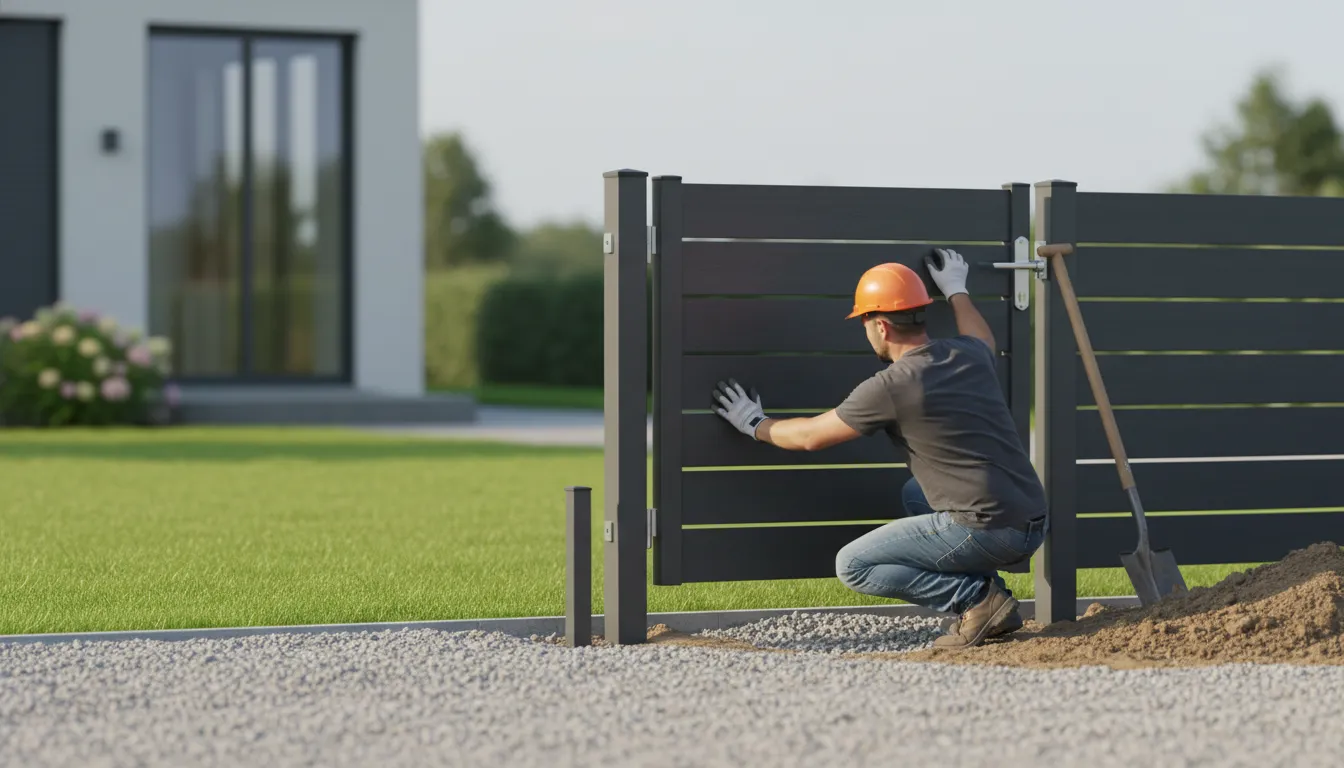
- Installation: The installer will set posts, attach panels or fabric, and install gates, ensuring the structure is plumb, level, and secure.
Find the perfect fence installers for your needs
Get personalized recommendations and expert advice
Popular Fence Materials and Cost Considerations
The choice of material is the primary driver of both aesthetics and budget. Here's a breakdown of common options in Montana.
Wood Fencing
A classic choice offering natural beauty and privacy. Pressure-treated pine is economical, while cedar and redwood offer greater resistance to rot and insects. Wood requires regular maintenance like staining or sealing. For a 100-foot privacy fence, expect costs to range from approximately $2,500 to over $5,000, depending on wood type, height, and design complexity.
Vinyl Fencing
Vinyl (PVC) provides a clean, modern look with minimal upkeep-it never needs painting and is cleaned with a hose. It's more expensive upfront than basic wood but can be cost-effective over time due to its durability. For a 100-foot run, vinyl fencing often falls in the $4,000 to $7,000+ range.
Chain Link Fencing
The most economical option, ideal for securing large areas, containing pets, or defining boundaries without blocking views. It is durable and low-maintenance. Galvanized steel is standard, but vinyl-coated options are available in colors. A basic 100-foot chain-link fence typically costs between $1,800 and $3,000.
Ornamental Metal Fencing
This category includes aluminum and steel fences that mimic wrought iron. They offer security and elegance with an open view. Aluminum is lightweight and rust-resistant, while steel is extremely strong. These are typically among the higher-cost options, with 100-foot installations starting around $4,000 and increasing with ornate designs6.
Cost Factors Specific to Montana
Beyond material, several factors influence your final price:
- Height: Taller fences (over 6-8 feet) require more material and sturdier construction, increasing cost.
- Terrain: Rocky or sloped land requires more labor for excavation and specialized installation techniques.
- Permits and Engineering: As mentioned, taller fences may require paid permits and stamped engineering plans, adding $100 to $1,000 or more to the project cost7 8.
- Gates and Hardware: Adding walk-through or drive-through gates, especially automated ones, adds to the total.
Working with Neighbors and Avoiding Disputes
Montana law and common courtesy emphasize good neighbor relations in fence matters.
- Boundary Fences: A fence built directly on the property line may be considered a "boundary fence." Ownership, maintenance costs, and responsibility are typically shared by both property owners. It is highly advisable to have a written agreement with your neighbor before constructing such a fence9.
- The "Good Side": It is standard practice to install the more finished or "good" side of the fence facing your neighbor's property and the public street. Some local codes may even require this10.
- Communication: Discuss your plans with adjacent neighbors before starting work. This simple step can prevent misunderstandings and foster cooperation.
Maintenance and Long-Term Care
Protecting your investment ensures your fence lasts for years in Montana's climate.
- Wood: Inspect annually for rot, insect damage, or loose boards. Re-stain or reseal every 2-3 years to protect from UV rays and moisture.
- Vinyl: Wash with soap and water annually to prevent mildew. Check for cracks or damage from impacts.
- Metal (Chain Link/Ornamental): Look for rust spots, especially at connections and near the ground. Touch up with rust-inhibitive paint as needed. Ensure gates latch properly and hinges are lubricated.
- General: Keep the fence line clear of overgrown vegetation, which can trap moisture and cause damage. After heavy snow or wind storms, check for leaning posts or sagging sections.