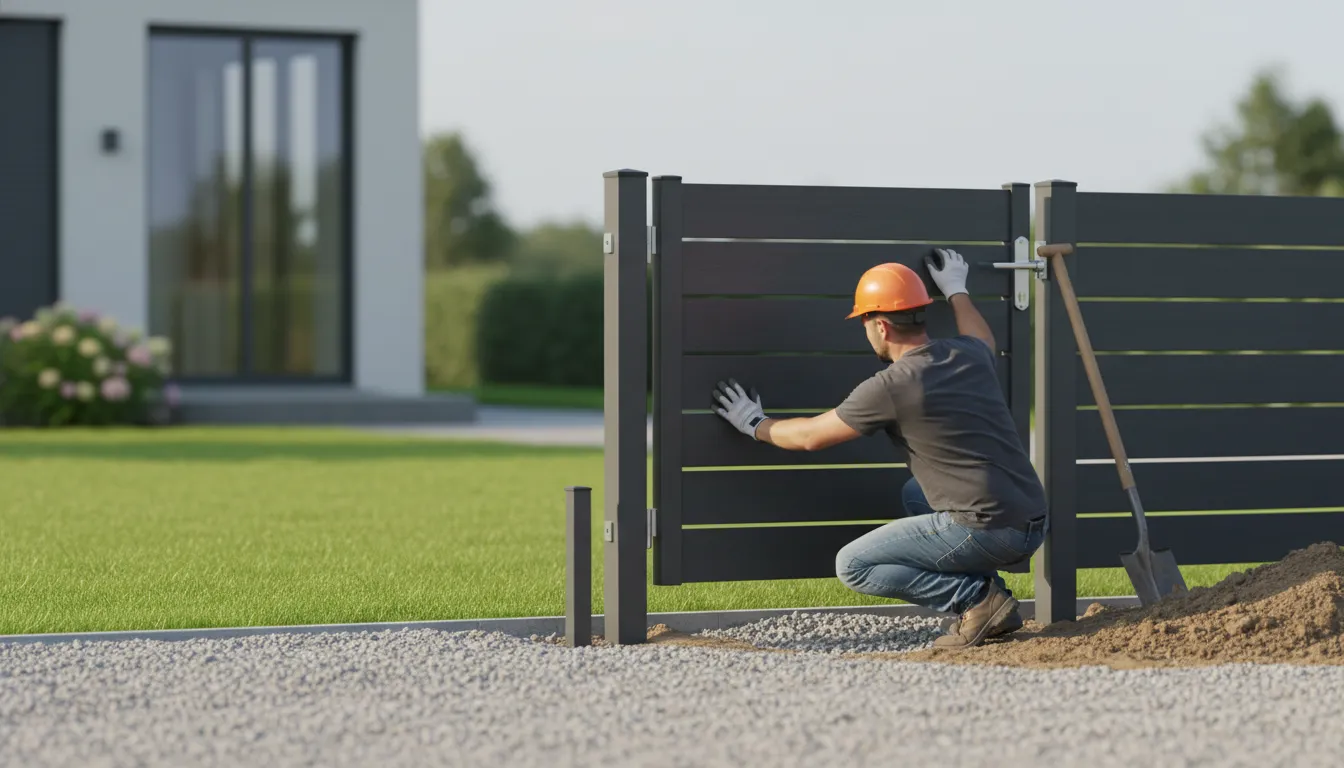
Find the Best Fence Installers for Your Business
No obligation • Fast responses • Nationwide coverage

Why you can trust Landscape Atlas
Landscape Atlas is a leading United States resource for evaluating landscaping, lawn care, and outdoor service providers. Our team researches each category in depth, focusing on service quality, safety, and customer experience. Listings and rankings are based on independent criteria and user feedback, and companies cannot pay to influence our assessments or recommendations.
Search providers near you
Best Fence Installers in North Carolina Ranked
Installing a fence is a significant investment that enhances privacy, security, and curb appeal for your North Carolina property. Navigating local regulations, material choices, and budgeting can be complex. This guide provides a clear overview of the key considerations-from zoning laws and material costs to finding qualified local installers-to help you plan your project with confidence.

DogWatch Hidden Fence of the Triad
4015 Old Hollow Rd, Kernersville, NC 27284
DogWatch Hidden Fence of the Triad is a fence installation contractor based near Winston Salem, NC. They specialize in installing DogWatch hidden dog fences, which include outdoor dog fences, indoor pet fences, and pet containment systems. The company serves a broad area covering multiple cities and counties in North Carolina, including Winston-Salem and surrounding towns. Their expertise lies in providing customized pet containment solutions that help keep pets safely contained without visible fencing.
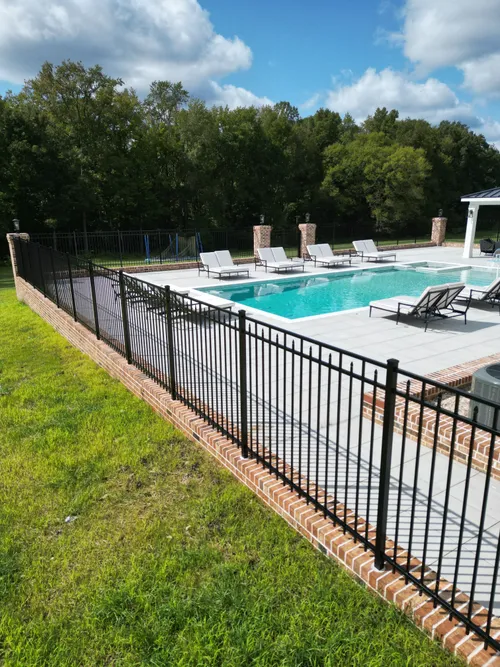
Fortified Fencing
360 Olde Liberty Dr, Youngsville, NC 27596
Fortified Fencing is a locally owned and family-operated fence company based near Durham, NC. They provide full-service residential and commercial fence installation throughout the Greater Triangle region, including Durham and surrounding counties. Their services include wood, ornamental aluminum, vinyl, and chain link fence installation, along with wood fence staining and coating to enhance durability and appearance. Fortified Fencing customizes fence solutions to meet individual needs and property specifications.
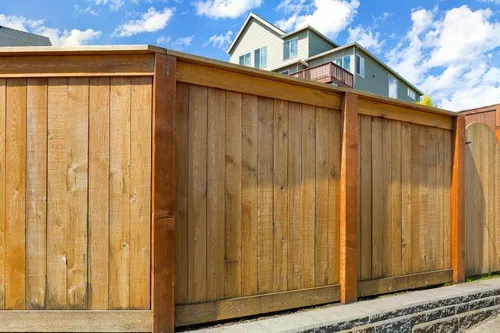
J&B Fence Builders
9310 Fair Oaks Rd, Chapel Hill, NC 27516
J&B Fence Builders is a fence installation contractor serving Durham, NC, and the surrounding Triangle area. They specialize in residential and commercial fencing, including aluminum, wood, and chain link fences. With over 15 years of experience, they also provide fence repair and professional fence staining services. Their team is known for building custom fences that meet HOA requirements and handling projects across multiple counties in the region.
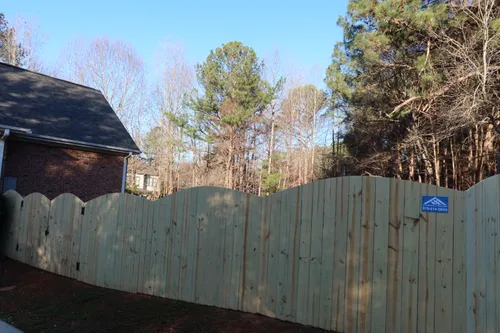
Atlantic Fencing
2842 State Rd 1116, Youngsville, NC 27596
Atlantic Fencing is a fence installation contractor based in Youngsville, serving Raleigh, NC, and the surrounding Triangle region. They provide a variety of fencing options including aluminum, chain link, vinyl, wood, ornamental iron, and agricultural fencing tailored to both residential and commercial properties. Known for their no-dig installation methods and precision craftsmanship, Atlantic Fencing offers durable fences backed by a lifetime workmanship warranty on select products. The company emphasizes long-term strength and clear communication throughout each project.
AAA Fence and Deck Company
5306 Creedmoor Rd, Raleigh, NC 27612
AAA Fence and Deck Company is a veteran-owned fence installation contractor serving Raleigh, NC, and nearby communities including Cary and Apex. They specialize in designing and installing a variety of fences such as wood, vinyl, aluminum, chain link, and composite, tailored to meet different aesthetic and durability needs. The company manages all permit and HOA requirements and builds fences to withstand local weather conditions using high-PSI concrete and wind-resistant hardware. Established in 1993, AAA Fence and Deck Company offers 24/7 availability for their services.
Understanding Local Fence Regulations in North Carolina
Before you purchase a single post, understanding your local rules is the most critical step. Regulations in North Carolina are primarily set at the city and county level, and they can vary significantly. Ignoring these rules can result in fines or being forced to remove a non-compliant fence.
Common Zoning and Height Restrictions
Most municipalities divide regulations based on your fence's location on the property.
- Front Yard Fences: These are typically the most restrictive. Heights often range from 4 to 6 feet. For example, Raleigh limits front yard fences to 4 feet, while Monroe allows up to 5 feet 1.
- Side and Rear Yard Fences: Regulations are usually more lenient here, with maximum heights commonly set at 8 feet in cities like Durham and High Point.
- Pool Fences: State and local building codes impose strict safety requirements, including a minimum height of 4 feet and self-closing, self-latching gates 2.
Permits and Property Lines
A permit is almost always required for a new fence installation. The process and fee (typically $100-$500) are managed by your local city or county planning department.
- Setbacks: While fences can often be built within the required setback area from property lines, they must not obstruct visibility for traffic or encroach on public rights-of-way 3.
- The "Finished Side" Rule: Many local codes require that the more finished, attractive side of the fence face your neighbor or the street 4.
- Property Line Verification: It is your responsibility to know exactly where your property lines are. A professional survey is highly recommended to avoid costly disputes with neighbors.
Homeowners Association (HOA) Rules
If you live in a community with an HOA, its covenants, conditions, and restrictions (CC&Rs) will apply. HOA rules are legally binding and can be much stricter than city ordinances, dictating everything from approved materials and colors to specific styles and post caps. Always obtain written approval from your HOA before proceeding 5 6.
Choosing the Right Fence Material
The material you choose will define your fence's appearance, durability, maintenance needs, and a large portion of its cost. Here's a breakdown of popular options in North Carolina.
Wood Fencing
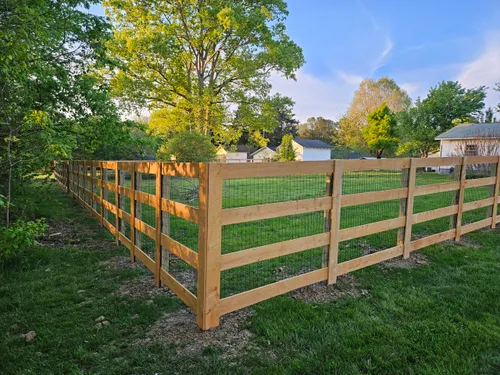
Wood is a classic, versatile choice that offers a natural look.
- Cost: $20 - $50 per linear foot installed.
- Pros: Highly customizable with various styles (privacy, picket, split-rail); can be stained or painted any color.
- Cons: Requires regular maintenance like staining or sealing every few years to protect against North Carolina's humidity, sun, and insects. Susceptible to rot and warping over time.
Vinyl (PVC) Fencing
Vinyl has become a mainstream favorite for its durability and low upkeep.
- Cost: $30 - $60 per linear foot installed.
- Pros: Virtually no maintenance beyond occasional cleaning; won't rot, peel, or need painting; available in many styles that mimic wood.
- Cons: Higher upfront cost than basic wood; can become brittle in extreme cold and may fade slightly over decades.
Chain Link Fencing
A practical and economical solution for security and pet containment.
- Cost: $8 - $21 per linear foot installed.
- Pros: Very affordable, durable, and low-maintenance. Excellent for defining boundaries without blocking views.
- Cons: Offers little privacy or aesthetic appeal unless enhanced with privacy slats or climbing vines.
Metal Fencing: Aluminum & Wrought Iron
Metal fences provide security, elegance, and longevity.
- Cost: $50 - $85+ per linear foot installed.
- Pros: Extremely strong and durable; offers a high-end, decorative look with numerous ornamental designs; requires minimal maintenance.
- Cons: Highest cost among common materials; wrought iron may need occasional repainting to prevent rust.
Composite Fencing
Made from a blend of wood fibers and plastics, composite is a premium, eco-friendly option.
- Cost: $20 - $85 per linear foot installed.
- Pros: Excellent resistance to rot, insects, and weathering; has the look of wood without the intensive maintenance.
- Cons: Carries a premium price tag; color is molded in and cannot be changed.
Find the perfect fence installers for your needs
Get personalized recommendations and expert advice
Breaking Down the Costs of Fence Installation
The total price of your fence project depends on several interconnected factors. Understanding these will help you create a realistic budget.
Cost Per Linear Foot by Material
This is the base cost for materials and standard installation on relatively flat, clear ground.
- Chain Link: $8 - $21
- Wood: $20 - $50
- Vinyl: $30 - $60 7
- Composite: $20 - $85
- Metal (Aluminum/Iron): $50 - $85+ 8
Factors That Influence Your Final Price
- Labor: Labor typically accounts for about 50% of the total project cost. Complex installations will increase this share.
- Terrain and Site Preparation: Is your yard hilly, rocky, or full of tree roots? Difficult terrain requires more labor, specialized equipment, and possibly retaining walls, adding $200-$1,000 or more to the cost 9.
- Gates: Each gate adds significant cost due to hardware and reinforced posts. Expect to pay between $400 and $1,200+ per gate, depending on size and material 10.
- Length and Height: A taller fence or a longer perimeter uses more materials and labor.
- Additional Services: Don't forget to budget for permits ($100-$500), potential land clearing, and for wood fences, initial staining or sealing ($2-$14 per foot) 11 12 13.
The Professional Installation Process
Working with a professional ensures your fence is built correctly, safely, and in compliance with all codes.
- Consultation and Estimate: A reputable installer will visit your property to discuss your needs, take measurements, assess the terrain, and provide a detailed written estimate.
- Permit Acquisition: Many professionals will handle the permit application process on your behalf, but it remains your responsibility to ensure it's done.
- Utility Location (Call 811): This free service marks underground utility lines and is legally required before any digging begins.
- Installation: The crew will set posts in concrete, attach rails and pickets (or fabric), and install gates. A quality install includes ensuring the fence is level and plumb, even on sloped ground.
- Final Inspection: Some localities require a final inspection once the fence is complete.
Maintaining Your North Carolina Fence
Protect your investment with proper care.
- Wood: Inspect annually. Re-stain or reseal every 2-4 years to protect against moisture and UV rays. Check for loose boards, rot, or insect damage.
- Vinyl & Composite: Wash with a garden hose and mild soap annually to remove dirt and mildew. Inspect for any cracks or damage from impacts.
- Metal: Wash periodically. For wrought iron, touch up any paint chips promptly to prevent rust. Aluminum generally needs no protective coating.
- Chain Link: Check for rust, especially at the base of posts, and apply a rust-inhibitive paint if needed. Ensure tension bands and hardware are tight.
Frequently asked questions
Sources
Footnotes
-
RESIDENTIAL FENCE STANDARDS - City of High Point - https://www.highpointnc.gov/DocumentCenter/View/24660/Residential-Fence-Standards-PDF ↩
-
The Ultimate Guide to Choosing the Right ... - Asheville Fence - https://ashevillefence.com/blog/the-ultimate-guide-to-choosing-the-right-fence-for-your-property ↩
-
Residential and Commercial Fences | Raleighnc.gov - https://raleighnc.gov/permits/services/residential-and-commercial-fences ↩
-
Fences & Walls | Durham, NC - https://www.durhamnc.gov/303/Fences-Walls ↩
-
Fence | High Point, NC - https://www.highpointnc.gov/3015/Fence ↩
-
Fence Permit & HOA Rules in Charlotte, NC - https://bigjerrysfencing.com/north-carolina/charlotte/fence-permit-hoa-rules-in-charlotte-nc-what-homeowners-must-know/ ↩
-
8.3.10. FENCES, WALLS AND BERMS. - American Legal Publishing - https://codelibrary.amlegal.com/codes/monroe/latest/monroe_nc/0-0-0-68909 ↩
-
Your Guide to Fence Installation Cost by Material and Size - https://jhlandscapes.com/your-guide-to-fence-installation-cost-by-material-and-size/ ↩
-
The Ultimate Guide to Building a New Fence in the Foothills of North ... - https://foothillsfenceanddeck.com/the-ultimate-guide-to-building-a-new-fence-in-the-foothills-of-north-carolina/ ↩
-
Fencing Cost & Pricing Guide - Asheville Fence - https://ashevillefence.com/fencing-cost-pricing-guide ↩
-
How to Determine Your Fence Project Budget in Charlotte, NC - https://www.standstrongfencing.com/rock-hill-sc/about-us/blog/categories/guide/how-to-determine-your-fence-project-budget-in-ch/ ↩
-
How Much Does it Cost to Build a Fence? [2025 Data] - Raleigh Realty - https://raleighrealty.com/blog/building-fence-cost ↩
-
Fence cost per linear foot: 7 Powerful Facts for 2025 - https://www.brentwoodfence.com/blog/fence-cost-per-linear-foot-nh-ma-me ↩