Find the Best Fence Installers for Your Business
No obligation • Fast responses • Nationwide coverage

Why you can trust Landscape Atlas
Landscape Atlas is a leading United States resource for evaluating landscaping, lawn care, and outdoor service providers. Our team researches each category in depth, focusing on service quality, safety, and customer experience. Listings and rankings are based on independent criteria and user feedback, and companies cannot pay to influence our assessments or recommendations.
Search providers near you
Best Fence Installers in New Jersey Ranked
Installing a fence on your New Jersey property is a significant investment that enhances privacy, security, and curb appeal. However, navigating the state's complex web of local zoning ordinances, permit requirements, and material choices can be challenging. This guide provides clear, practical information to help you understand the key considerations for fence installation in the Garden State, from local regulations to material costs, so you can make informed decisions and connect with qualified professionals for your project.
Superior Fence & Rail
957 Ball Ave, Union, NJ 07083
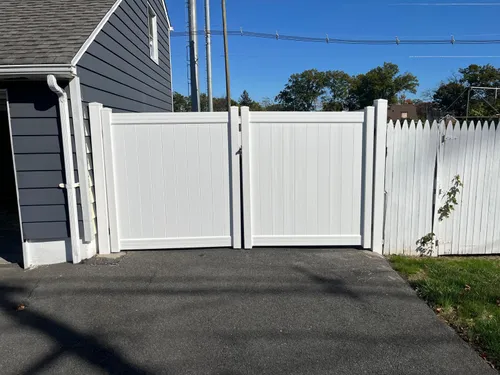
Superior Fence & Rail is a fence installation contractor serving Newark, NJ, and the surrounding Northern New Jersey area. They offer a wide range of fencing options including vinyl, wood, aluminum, composite, chain link, and commercial fencing. Their vinyl fences feature SolarShield technology for UV resistance, and their wood fences come with warranties against termite damage and rot. Superior Fence & Rail also specializes in commercial fencing installations and can handle challenging terrain and complex projects. With over 30,000 positive reviews, they have extensive experience in the industry.
FIDELITY FENCE AND PAVERS L.L.C.
935 Broad St Unit C, Bloomfield, NJ 07003
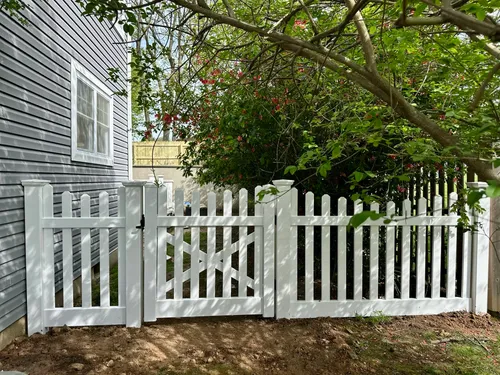
FIDELITY FENCE AND PAVERS L.L.C. is a fence installation and hardscaping contractor based in Newark, NJ. They offer a range of services including fence installation with materials like wood, aluminum, chain link, vinyl, and composite, as well as deck construction and paving using concrete, asphalt, and pavers. The company focuses on personalized service and attention to detail, tailoring projects to client preferences and property aesthetics. Their capabilities include custom fence and deck building along with durable paving solutions designed to enhance outdoor spaces. As a small business, they emphasize transparent communication and flexible scheduling, maintaining a 98% satisfaction rate among clients.
Ergeon
Newark, NJ
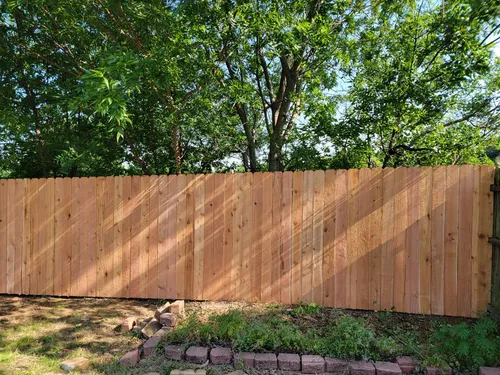
Ergeon is a fence installation contractor serving Newark, NJ. They provide a range of fencing options including wood, vinyl, aluminum, and chain link fences. Ergeon handles local permits and licenses, ensuring compliance with Newark regulations. The company has completed over 40,000 projects nationwide and offers a workmanship warranty on their installations. Their team focuses on transparent pricing and efficient project completion, with an average installation time of about two weeks in Newark.
Mega Fencing LLC
Newark, NJ
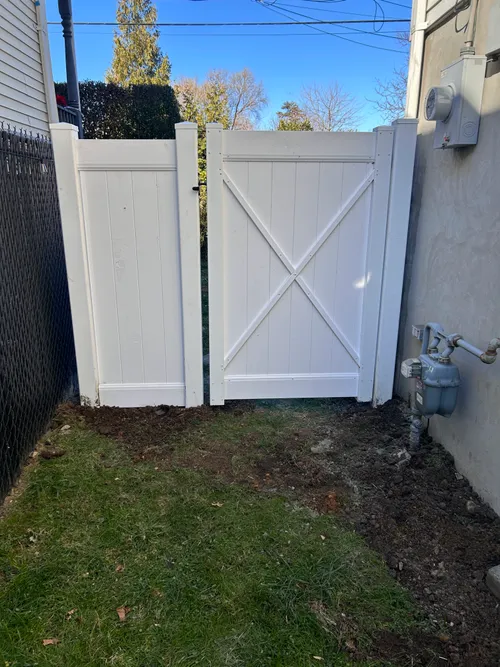
Mega Fencing LLC is a fence installation contractor based in Newark, NJ. The company specializes in building fences with a focus on precision, strength, and durability. With over a decade of hands-on experience, Mega Fencing LLC brings skilled craftsmanship to each project.
Green Acres Landscape Construction
Newark, NJ
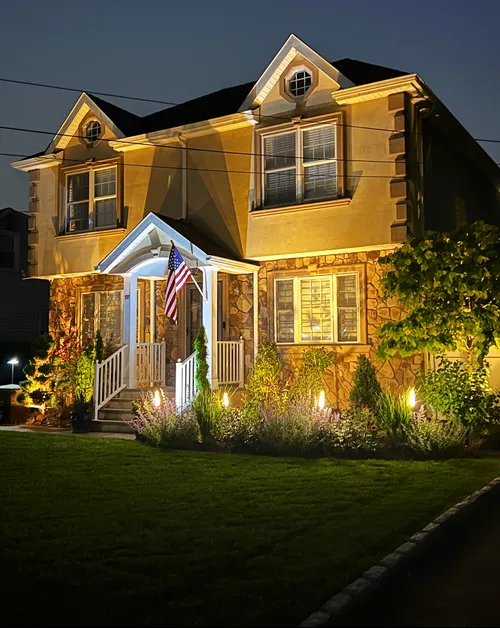
Green Acres Landscape Construction has been providing landscaping design, irrigation, and construction services in Newark, NJ, and throughout New Jersey for over 15 years. They offer a wide range of services including lawn maintenance, sod installation, fence construction, drainage solutions, hardscape lighting, and outdoor kitchen installations. The company handles both residential and commercial properties with a focus on treating each property with care and respect. Their capabilities include brick paver installation and comprehensive landscape design and maintenance.
Understanding New Jersey's Fence Regulations
Before you purchase a single post, it's crucial to understand that fence rules in New Jersey are almost entirely governed at the municipal level. There is no single statewide fence code, but most townships and boroughs follow similar patterns based on common zoning principles. Failing to comply with local ordinances can result in fines or being required to remove or alter your newly installed fence.
The primary regulatory areas you must check with your local zoning or construction office include:
- Maximum Height Limits: These vary by the fence's location on your property.
- Material Restrictions: Some towns regulate materials for durability or aesthetic reasons.
- Property Line Setbacks: Rules dictate how close a fence can be to sidewalks, streets, or property lines.
- Permit Requirements: Most municipalities require a zoning or construction permit before installation begins.
- Special Lot Considerations: Corner lots and properties with pools have additional, specific rules.
Fence Height Rules by Location
Height restrictions are the most common regulation and are strictly enforced. Here's a typical breakdown for New Jersey municipalities:
- Front Yard Fences: Often limited to a maximum of 3 to 4 feet in height. Many towns also require these fences to be at least 50% "open" (e.g., picket, wrought iron, or split-rail styles) to maintain sightlines and a streetscape-friendly appearance 1 2.
- Side and Rear Yard Fences: Typically allowed to be taller, commonly up to 6 feet, to provide privacy. Solid privacy fences are usually permitted in these areas.
- Corner Lots: Special "sight triangle" rules apply. At intersections, fences within a defined area (e.g., 50 feet from the corner) are often restricted to a very low height, such as 30 inches, to ensure drivers and pedestrians have a clear line of sight for safety 3.
- Pool Enclosures: State building codes mandate that pools be enclosed by a barrier at least 54 inches high with self-closing and self-latching gates. Your fence must meet or exceed this requirement, and local rules may add further specifications 4.
- Deer Fencing: On larger, rural, or wooded properties, towns may allow taller fencing (e.g., 8 feet) if it is constructed of an open-type wire mesh and is a dark, non-reflective color to minimize visual impact.
Navigating Property Lines and Neighbor Relations
A fence must be installed entirely within your property boundaries. Straying over the line onto a neighbor's property or a public right-of-way can lead to major disputes and legal issues.
- Get a Property Survey: The single most important step is to have a recent property survey. This document, often available from your closing paperwork or a surveyor, shows the exact legal boundaries of your lot. Do not rely on old fence lines or approximations.
- Respect Easements: Avoid building in utility or drainage easements, as utility companies have the right to access these areas and may remove any obstruction.
- The "Good Neighbor" Side: Convention and some local codes suggest installing the fence with the "finished" or more attractive side facing your neighbors and the street. It's both a courtesy and sometimes a requirement 5.
- Talk to Your Neighbors: For any fence built near a shared property line, having a conversation with your adjoining neighbors is essential. Discussing plans in advance can prevent conflicts. For a fence directly on the boundary line, a written agreement regarding shared cost and maintenance is highly advisable.
Material Options and Cost Considerations
The material you choose significantly impacts the fence's cost, appearance, maintenance needs, and longevity. Prices in New Jersey are typically quoted per linear foot for a complete professional installation, which includes materials, labor, and basic site preparation.
Find the perfect fence installers for your needs
Get personalized recommendations and expert advice
-
Wood Fencing: A classic choice offering a natural look. Pressure-treated pine is the most budget-friendly, while cedar offers better natural resistance to rot and insects.
-
Typical Cost: $30 - $55+ per linear foot.
- Pros: Natural aesthetic, can be stained or painted, often the lowest initial cost.
- Cons: Requires regular maintenance (staining/sealing), susceptible to rot, insect damage, and warping over time.
-
Vinyl Fencing: Made from PVC, vinyl is a popular low-maintenance alternative to wood.
-
Typical Cost: $20 - $40+ per linear foot 6.
- Pros: Extremely durable, never needs painting, resists rot and insects, easy to clean.
- Cons: Higher upfront material cost, can become brittle in extreme cold, color cannot be changed.
-
Aluminum Fencing: Offers the elegant look of wrought iron without the heavy maintenance.
-
Typical Cost: $15 - $30+ per linear foot.
- Pros: Rust-resistant, very low maintenance, strong and durable, ideal for decorative and pool applications.
- Cons: Provides less privacy, can be more expensive than basic wood.
-
Composite Fencing: Made from a blend of wood fibers and recycled plastics, composite is a premium option.
Note: These are average price ranges. Your final cost will depend on your specific township's accessibility, the complexity of your terrain (slopes, rocky soil), gate additions, and the current cost of materials and labor.
The Permit Process: A Step-by-Step Guide
Securing the proper permit is a non-negotiable part of the process for most New Jersey homeowners. Skipping this step risks a "stop work" order from your town's construction office.
- Research Local Ordinances: Visit your municipal website or contact the zoning/planning board. Download the fence ordinance document to understand all rules.
- Prepare Your Plot Plan: Using your property survey, create a simple drawing showing your lot, the house, and the proposed fence location with dimensions. Indicate the height and material.
- Submit Application: Complete the town's fence permit application, attach your plot plan, and pay any required fee. Some towns may require the application to be submitted by a licensed contractor.
- Await Approval: The zoning officer will review for compliance. They may perform a site visit. Once approved, you'll receive the permit to post at the job site.
- Schedule Inspections: Some towns require a post-installation inspection to ensure the fence was built according to the approved plan 9 10.
Why Hiring a Professional Installer is Recommended
While a DIY fence project is possible, hiring a licensed and insured New Jersey fence contractor offers significant advantages:
- Regulation Knowledge: Reputable installers are familiar with the permit processes and height rules in the towns where they work, helping you avoid costly mistakes 11 12.
- Proper Installation: Correct post-setting depth, concrete footings, and assembly are critical for a fence that stands straight and lasts for years, especially in New Jersey's soil and weather conditions.
- Efficiency and Warranty: Professionals complete the job quickly and often provide warranties on both materials and labor.
- Handling Challenges: They have the tools and expertise to manage slopes, rocky soil, and other site-specific challenges.
Frequently asked questions
Sources
Footnotes
-
A Guide To Fence Height Regulations In New Jersey - https://www.virtuefence.com/a-guide-to-fence-height-regulations-in-new-jersey/ ↩
-
Fence Requirements - Middletown, NJ - https://middletownnj.org/DocumentCenter/View/10444/Fence-Requirements ↩
-
Fences - https://www.chnj.gov/DocumentCenter/View/10656/Fence-Permit-Guidance ↩
-
Fences - Montville Township, NJ - https://www.montvillenj.org/DocumentCenter/View/644/Fences ↩
-
Fence Height Laws: What You Need To Know Before Building - https://kdfencing.com/fence-height-laws-guide/ ↩
-
How Much Does a Fence Cost in New Jersey? (2025 Guide) - https://dipasqualefence.com/fence-cost-nj-2025-guide/ ↩
-
Fence Installation Cost | How much does a fence costs? - https://northeast-fence.com/fence-installation-costs/ ↩
-
Types of Fences - https://www.lowes.com/n/buying-guide/fence-buying-guide ↩
-
Fences - East Brunswick, NJ - https://www.eastbrunswick.org/174/Fences ↩
-
Fence permit guide - Somerville, NJ - https://www.somervillenj.org/fence-permit-guide/ ↩
-
Choosing the Right Fence for Your New Jersey Home - https://bycarls.com/choosing-the-right-fence-for-your-new-jersey-home-a-comprehensive-guide/ ↩
-
Fence Permits and Regulations in New Jersey: A Homeowner's Guide - https://dipasqualefence.com/fence-permits-and-regulations-in-nj/ ↩