Find the Best Fence Installers for Your Business
No obligation • Fast responses • Nationwide coverage

Why you can trust Landscape Atlas
Landscape Atlas is a leading United States resource for evaluating landscaping, lawn care, and outdoor service providers. Our team researches each category in depth, focusing on service quality, safety, and customer experience. Listings and rankings are based on independent criteria and user feedback, and companies cannot pay to influence our assessments or recommendations.
Search providers near you
Best Fence Installers in Nevada Ranked
Installing a fence is a practical way to enhance your property's privacy, security, and curb appeal. In Nevada, this project involves navigating specific local zoning rules, material choices suited to the climate, and understanding the factors that influence cost. This guide provides clear, actionable information to help you plan your project, from understanding legal requirements to selecting the right materials, so you can confidently connect with qualified local professionals for your installation.
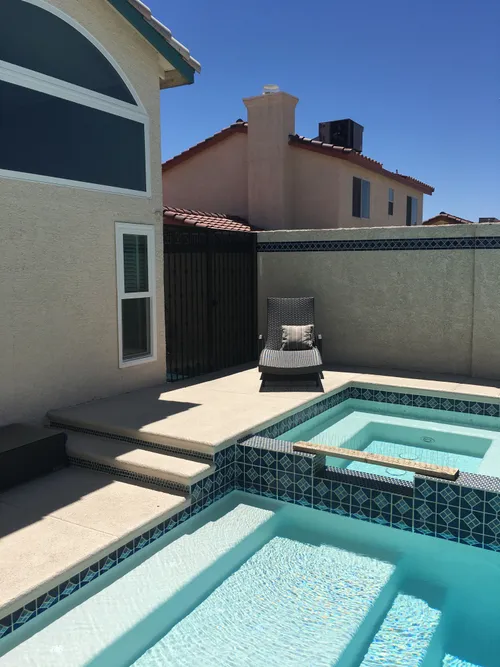
Olson Iron Security Screens, Iron Gates, Security Doors Las Vegas
3060 N Nellis Blvd, Las Vegas, NV 89115
Olson Iron Security Screens, Iron Gates, Security Doors Las Vegas is a custom wrought iron manufacturer serving Las Vegas, NV. They specialize in residential and commercial iron fabrication, offering custom designs in any style or color. Their services include fence installation and upgrading driveway gates with electric operators, keypads, and push-button openers. Olson Iron emphasizes craftsmanship and aesthetic quality in their work.
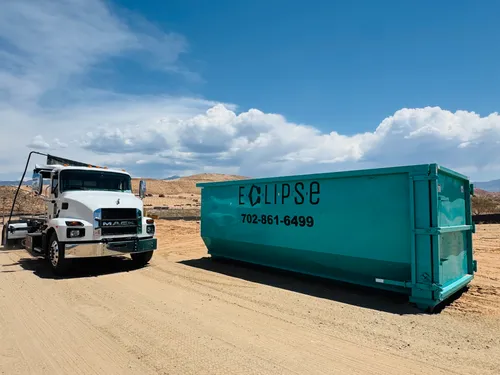
Eclipse Waste Management
5001 Donnie Ave, Las Vegas, NV 89130
Eclipse Waste Management is a waste management company based in Las Vegas, NV, offering a variety of dumpster rentals, temporary fencing, portable restrooms, and junk removal services. They serve homeowners, contractors, event planners, and businesses with scalable solutions for projects ranging from small cleanouts to large construction sites and public events. Their capabilities include roll-off dumpsters in multiple sizes, waste bags, and commercial dumpsters designed to handle different types of debris and waste. Eclipse Waste Management is locally owned and operated, emphasizing community commitment and transparent pricing with a 4-hour delivery guarantee.
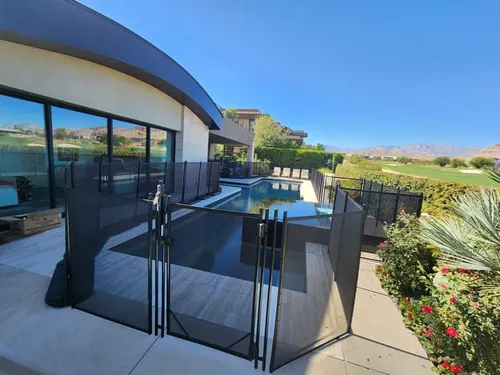
Safety 1st Pool Fence LLC
Las Vegas, NV
Safety 1st Pool Fence LLC is a fence installation contractor based in Las Vegas, NV, specializing in pool safety fencing. With over 25 years of experience, they provide high-quality pool fence solutions using Guardian Pool Fence Systems products, known for their safety features like self-closing gates and climb-resistant mesh panels. They serve Southern Nevada, including Las Vegas and nearby areas, offering personalized consultations to meet specific safety needs. Their patented No Holes Pool Fence system offers a removable, no-drill option ideal for rental properties or temporary barriers.
JunkMan - Junk Removal and Small Dumpster Rental Las Vegas
719 E Lake Mead Pkwy, Henderson, NV 89015
JunkMan - Junk Removal and Small Dumpster Rental Las Vegas offers comprehensive junk removal, demolition, and dumpster rental services in Henderson, NV. The company handles a wide range of projects including pool demolition, concrete removal, estate cleanouts, and hot tub removal, with a focus on responsible disposal and recycling. Their team is equipped to manage both residential and commercial cleanouts, providing flexible dumpster rental options for various project sizes. JunkMan emphasizes eco-friendly practices and transparent pricing, ensuring customers understand costs upfront. They serve Henderson and surrounding areas, bringing local knowledge and commitment to each job.
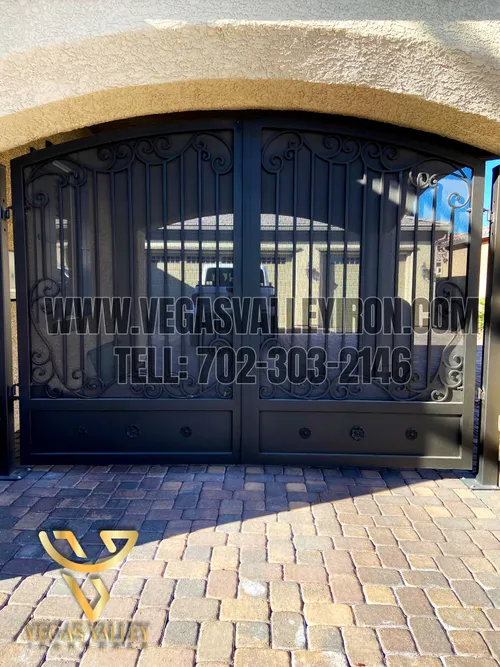
Vegas Valley Ironworks, Iron Gates, Metal Fences, Welder
2125 N Shadow Mountain Pl, Las Vegas, NV 89108
Vegas Valley Ironworks is a family-run business specializing in custom wrought iron manufacturing for residential and commercial projects in Las Vegas, NV. With over 18 years of experience, they offer a range of services including wrought iron doors, gates, fences, railings, automated gates, structural steel, steel stairs, carports, and custom metal pieces. Their team handles everything from design to installation, serving both homeowners and commercial clients in the Las Vegas Valley.
Understanding Nevada's Fence Regulations
Before you start planning your fence, it's crucial to understand the local rules that govern its installation. Nevada does not have a single statewide fence code; regulations are set by individual cities and counties, and they can vary significantly 1 2. Ignoring these rules can lead to costly fines or being forced to remove or modify your new fence.
Height Restrictions
Height limits are typically the most noticeable regulation and are often divided by the fence's location on your property.
- Front Yards: Fences in front yards are generally restricted to a lower height to maintain visibility and an open streetscape. In many areas, including Las Vegas, the maximum height for a front yard fence is often 3 feet 3.
- Side and Rear Yards: For privacy, taller fences are usually permitted in side and rear yards. Common allowances are 6 feet, with some jurisdictions like Clark County and North Las Vegas allowing up to 8 feet 4.
- Exceptions and Permits: Fences exceeding standard height limits (often above 6 or 8 feet) may require a special permit and could be subject to engineering review, especially in areas like Clark County. Some cities, like Henderson, may have more open regulations for rear yards 5.
Property Lines, Setbacks, and Easements
Knowing exactly where you can build is just as important as knowing how high.
- Property Lines: You must build your fence entirely on your own property. Local codes dictate the required "setback," or distance, the fence must be from the property line. This can range from being allowed right on the line (with neighbor agreement) to a requirement of several feet back.
- Sight Triangles: For safety, shorter fences (e.g., 30 inches to 3 feet) are required near street corners and driveway intersections to ensure drivers, cyclists, and pedestrians have a clear line of sight 6.
- Easements: You are almost always prohibited from building a fence within a utility or drainage easement. These are areas where city workers or utility companies have the legal right to access underground lines. Building in an easement means your fence could be removed without compensation if access is needed 7.
The Role of HOAs and Permits
Always double-check with two entities before you build:
- Your Homeowners Association (HOA): If your property is part of an HOA, its covenants, conditions, and restrictions (CC&Rs) will almost certainly include rules about fence materials, styles, colors, and heights that are stricter than city codes. HOA approval is usually required before any work begins.
- Your Local Building Department: Contact your city or county's planning or building department to confirm height limits, setback requirements, and whether a building permit is needed for your project. A permit is commonly required for fences over a certain height (like 6 feet) or for masonry walls 8.
Find the perfect fence installers for your needs
Get personalized recommendations and expert advice
Choosing the Right Fence Material for Nevada's Climate
Nevada's climate-with intense sun, heat, dry air, and occasional high winds-demands durable materials. Your choice will balance aesthetics, maintenance, budget, and longevity.
- Wood Fencing: A classic choice that offers a natural look. Pressure-treated pine is common, but cedar and redwood offer better natural resistance to insects and decay. In Northern Nevada's more variable climate, wood requires regular sealing or staining to prevent drying, cracking, and weathering 9.
- Vinyl Fencing: Extremely popular in Nevada due to its low maintenance. It won't rot, warp, or need painting. Modern vinyl is UV-resistant to prevent fading in the strong desert sun. It's available in various styles that mimic wood grain and is easy to clean with just soap and water.
- Chain Link Fencing: The most affordable and utilitarian option. It provides excellent security, requires virtually no maintenance, and is highly durable. While not private on its own, slats can be woven through for screening. It's a common choice for backyards, pool enclosures, and commercial properties.
- Ornamental Aluminum & Steel Fencing: Offers an elegant, wrought-iron look without the heavy maintenance. Aluminum is lightweight, rust-proof, and powder-coated for durability. It's ideal for pool codes, front yard accents, and properties where security and visibility are both desired.
- Composite Fencing: Made from a blend of wood fibers and recycled plastics, composite fencing provides the appearance of wood with even greater durability and resistance to moisture, insects, and UV rays than vinyl. It is typically at the higher end of the cost spectrum.
Cost Factors for Fence Installation in Nevada
The total cost of your fence project is influenced by several variables. Prices are typically quoted per linear foot for materials and installation.
- Material Costs: This is the largest variable. As a general range for materials and installation in the Las Vegas area, you can expect:
- Labor and Installation Complexity: Labor costs are integrated into the per-foot price. Complexities like rocky or sloped terrain, hard soil, or the need for extensive post-hole digging will increase labor time and cost.
- Project Scope: The total linear footage of your fence is the primary driver of cost. Adding gates (especially automated ones), corner posts, and decorative post caps will add to the final price.
- Permits and Planning: Don't forget to budget for any required building permits, which can cost a few hundred dollars depending on your jurisdiction.
Planning and Executing Your Fence Project
A successful installation starts with careful planning.
- Confirm Your Property Line: Do not rely on guesswork or existing fences. Hire a professional land surveyor to mark the exact boundaries of your property. This prevents disputes with neighbors and ensures you build in the correct location.
- Review All Rules: Collect and review the fence regulations from your local city/county website and your HOA's architectural guidelines.
- Get Multiple Quotes: Contact several licensed, insured, and experienced local fence contractors. Provide each with the same project specifications (linear footage, material choice, gate locations) for comparable quotes.
- Ask the Right Questions: Inquire about the warranty on both materials and workmanship, the projected timeline, who is responsible for obtaining permits, and how property cleanup will be handled.
- Prepare the Site: Make sure the installation path is clear. Mark any underground utilities by calling 811 at least a few days before digging begins. This free service is critical for safety.
Frequently asked questions
Sources
Footnotes
-
Property Line Fence Rules: Your Complete Guide to Legal ... - https://barrierbossusa.com/blogs/news/property-line-fence-rules-guide ↩
-
Property Line and Fence Laws in Nevada - FindLaw - https://www.findlaw.com/state/nevada-law/property-line-and-fence-laws-in-nevada.html ↩
-
City of Las Vegas Code Enforcement- Common Violations - https://files.lasvegasnevada.gov/code-enforcement/Code-Enforcement-Common-Violations.pdf ↩
-
10-1-33: FENCE STANDARDS: - https://www.nslcity.org/DocumentCenter/View/1410 ↩
-
19.10.6 Fences and Walls - Document Viewer | Development Code - https://online.encodeplus.com/regs/henderson-nv/doc-viewer.aspx?secid=70 ↩
-
Residential Fences, Walls and Hedges - http://www.slcdocs.com/building/Residential%20Fences,%20Walls%20&%20Hedges_ENG.pdf ↩
-
Fences and Retaining Walls - Washoe County - https://www.washoecounty.gov/building/Files_2020/Fence-and-Retaining-wall-handout-2022.pdf ↩
-
Fence/Block Wall Building Permit Guide - Clark County - https://www.clarkcountynv.gov/adobe/assets/urn:aaid:aem:07ba6053-2ab5-4df5-a2ce-893ec3eb7b22/original/as/bpg-232-fence-and-block-wall-bpg-051-final.pdf ↩
-
Nevada Fencing - https://jpfence.com/category/nevada-fencing/ ↩
-
How Much Does a Privacy Fence Cost: Updated 2025 Pricing Guide - https://barrierbossusa.com/blogs/news/how-much-does-a-privacy-fence-cost-usa-2025 ↩
-
Cost to install fence in Las Vegas, NV - Handoff AI Estimating - https://www.handoff.ai/construction-costs/install-fence/las-vegas-nv ↩
-
How Much Does Ornamental Aluminum Fencing Cost? - Good Neighbor Fence - https://goodneighborfencing.com/how-much-does-ornamental-aluminum-fencing-cost/ ↩