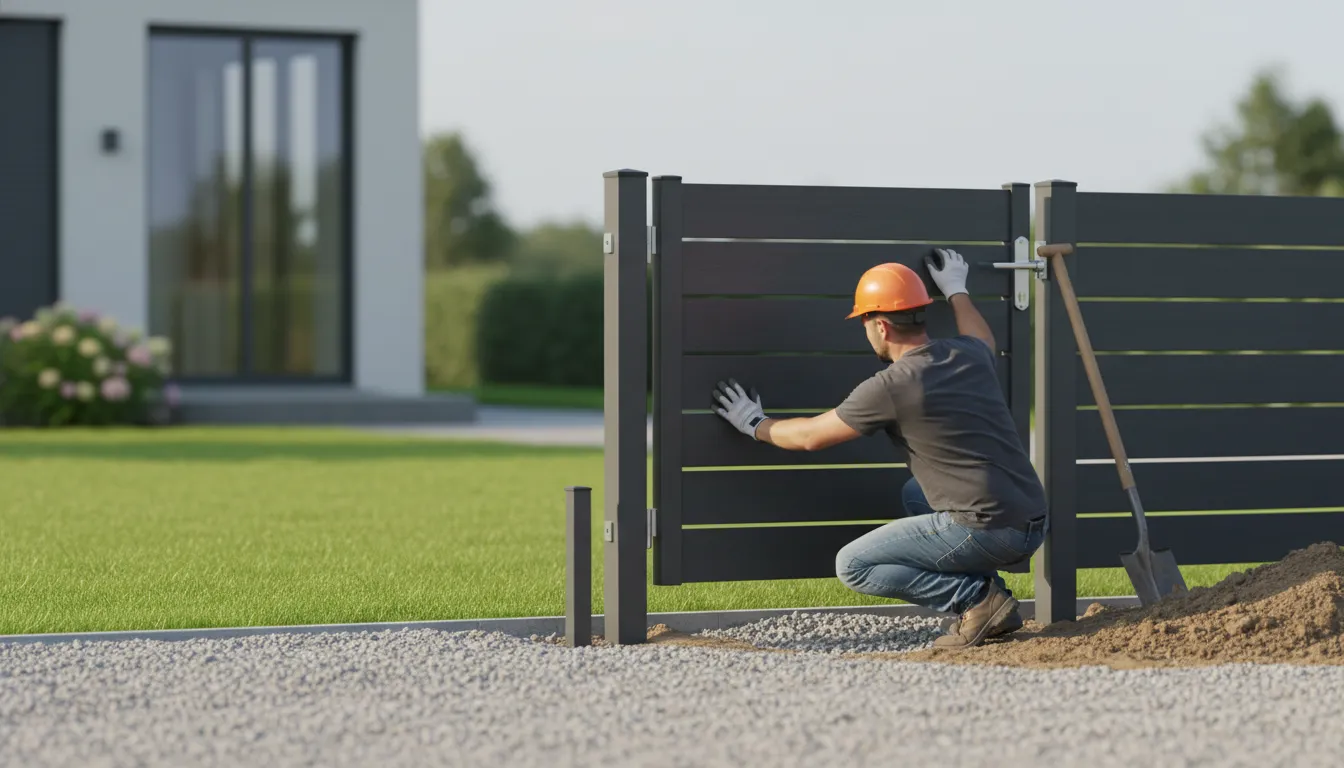
Find the Best Fence Installers for Your Business
No obligation • Fast responses • Nationwide coverage

Why you can trust Landscape Atlas
Landscape Atlas is a leading United States resource for evaluating landscaping, lawn care, and outdoor service providers. Our team researches each category in depth, focusing on service quality, safety, and customer experience. Listings and rankings are based on independent criteria and user feedback, and companies cannot pay to influence our assessments or recommendations.
Search providers near you
Top Fence Installers in Beaverton, Oregon Ranked
Adding a fence to your Beaverton property is a significant investment that enhances privacy, security, and curb appeal. Whether you're looking to define your property line, create a safe space for children and pets, or simply add a stylish architectural element, understanding your local options and regulations is crucial. This guide will help you navigate the process, from choosing the right materials and styles to complying with Beaverton's specific codes, so you can connect with qualified local professionals to bring your vision to life.

Fence Repair Master
Portland, OR
Fence Repair Master is a fence installation and repair contractor serving the Portland, OR area. They specialize in a variety of fencing solutions including farm and ranch fences, picket fences, backyard fences, and dog kennels. The company is known for custom building and maintaining durable fences suited to different needs. They offer 24/7 emergency services and have a strong presence in the Greater Vancouver, Washington area, with coverage extending to several nearby communities. Fence Repair Master is a locally owned business committed to quality craftsmanship and customer involvement throughout the project.
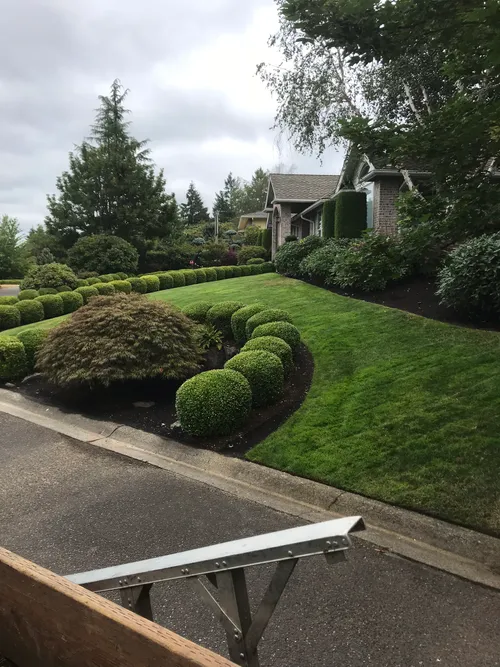
HD Landscape and Maintenance
Portland, OR
HD Landscape and Maintenance is a landscaping and maintenance company serving Portland, OR, and the surrounding metropolitan area. They offer a wide range of services including lawn care, sod and artificial turf installation, fence installation, landscape lighting, landscape design, tree services, yard drainage, hardscaping, and seasonal maintenance. Their work covers residential and commercial properties across Multnomah, Washington, and Clackamas counties. The company emphasizes sustainable landscaping practices using native plants and eco-friendly materials. They are fully licensed and insured, with experience handling projects from initial design to completion, including specialized capabilities like storm damage restoration and smart drainage systems.
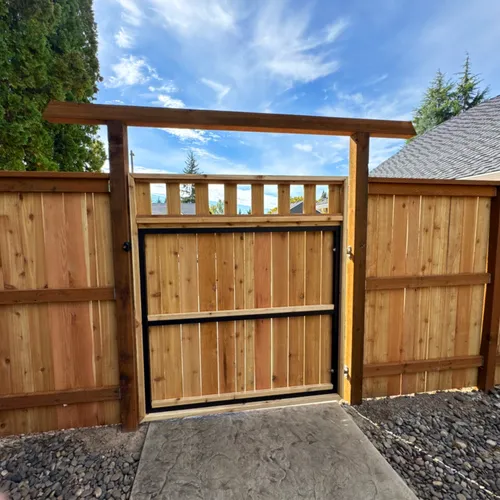
Mr. Fence LLC
Portland, OR
Mr. Fence LLC is a fencing contractor based in Portland, OR, offering a range of fencing solutions including wood, metal, vinyl fences, and custom steel gates. They focus on combining functionality and style to enhance security and curb appeal for residential and commercial properties. Their custom steel gates feature options like Ironwood panels and automation for added convenience and durability. Mr. Fence LLC is licensed in Oregon and provides fencing options suited to the local climate and aesthetic preferences.
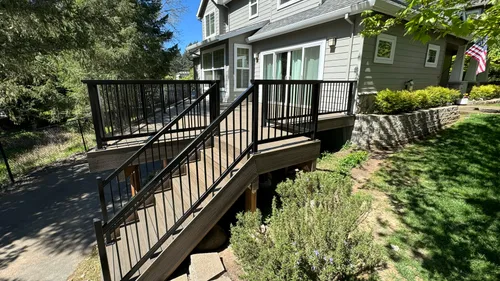
Big Works Fence & Deck
16106 Forsythe Rd, Oregon City, OR 97045
Big Works Fence & Deck is an outdoor living space contractor based in Portland, OR. They specialize in fence installation, decks, railings, pergolas, patio covers, and hardscaping elements such as pavers and retaining walls. Serving Portland and surrounding areas, the company focuses on creating custom outdoor spaces using quality materials and innovative designs. Their approach emphasizes precision and customer collaboration to ensure each project meets client needs and enhances outdoor living. Big Works has built a reputation in the region for transforming outdoor environments with craftsmanship and care.
Cascade Fence & Deck
323 NE Birch St Suite 203, Camas, WA 98607
Cascade Fence & Deck is a fence installation and deck construction contractor serving Portland, OR, and the surrounding Vancouver area. They offer full-service solutions including deck design, permitting, construction, and final cleanup. With decades of experience since the late 1990s, they focus on creating outdoor living spaces suitable for the Pacific Northwest climate. Their operations include material preparation and project management to ensure smooth progress from start to finish.
Understanding Beaverton's Fence Regulations
Before you start planning your fence project, it's essential to familiarize yourself with local rules. Beaverton, and Washington County more broadly, have specific codes governing fence height, placement, and permitting to ensure safety and neighborhood consistency.
Permit Requirements
Not every fence requires a permit, but many do. In Beaverton, you typically need a building permit for:
- Wood fences over 7 feet tall.
- Masonry or stone fences over 4 feet tall.
- Any fence surrounding a swimming pool 1.
Even if your planned fence doesn't fall into these categories, checking with the City of Beaverton's Planning Division is a critical first step. They can confirm requirements for your specific lot and neighborhood, potentially saving you from costly corrections later 2.
Height and Placement Rules
Fence height limits in Beaverton are primarily determined by their location on your property:
- Front Yards: Fences are generally limited to between 3 and 6 feet in height, depending on the type of adjacent street. The goal is to maintain a welcoming streetscape and ensure visibility 3.
- Side and Rear Yards: You typically have more flexibility here, with allowances for fences up to 8 feet tall in many cases.
- Sight Visibility: This is a non-negotiable safety rule. Fences, walls, or plantings cannot obstruct the view of drivers at intersections or driveways. A specific "sight triangle" must be kept clear to prevent accidents 4.
Fences can usually be built directly on your property line, but you must always respect these visibility standards and are responsible for knowing your exact boundary lines.
Choosing the Right Fence for Your Needs
The perfect fence balances function, aesthetics, and maintenance. Beaverton homeowners have a wide array of materials and styles to choose from, each with its own advantages.
For Ultimate Privacy
If seclusion is your primary goal, you'll want a solid-panel fence that stands at least 6 feet tall.
- Wood Privacy Fences: A classic choice, often built from Cedar or pressure-treated Douglas Fir. Cedar offers natural resistance to rot and insects and weathers to a attractive gray, while treated pine is a sturdy, cost-effective option. These fences provide a traditional, natural look but require periodic staining or sealing to maintain their appearance and longevity.
- Vinyl Privacy Fences: These offer the look of painted wood with significantly less upkeep. They won't rot, warp, or need painting, making them a popular choice for long-term, low-maintenance privacy. Modern vinyl systems are durable and come in various styles and colors.
- Steel Privacy Fences: Products like ColorMAX steel provide a contemporary, clean-lined look with exceptional durability. They are resistant to weathering, pests, and rot, offering a modern alternative to wood and vinyl with robust security.
For Decorative Appeal and View
If your goal is to define your space without blocking light or views, consider these options:
- Hog Wire & Modern Hybrids: Combining horizontal metal wires with wood or metal framing is a hugely popular design choice. It creates a transparent, modern barrier that is both stylish and functional for containing pets while preserving views.
- Ornamental Iron: Offers timeless elegance and security with intricate designs. It's exceptionally durable but often comes at a higher initial cost.
- Picket Fences: The quintessential symbol of the American front yard. Available in wood or vinyl, picket fences add charm and boundary definition without creating a solid wall. Heights and picket spacing can be customized.
Balancing Durability and Maintenance
Your long-term satisfaction will depend on how much upkeep you're willing to perform.
- Low-Maintenance Champions: Vinyl and composite materials lead this category. After installation, they generally only need occasional cleaning with soap and water. Modern steel fences with powder-coated finishes also offer incredible durability with minimal care.
- The Natural Choice: Wood requires the most ongoing maintenance. To prevent graying, warping, and rot in the Pacific Northwest's damp climate, a quality stain or sealant should be applied every few years. However, for many, the authentic look and feel of wood are worth the effort.
Find the perfect fence installers for your needs
Get personalized recommendations and expert advice
Understanding Fence Installation Costs in Beaverton
The total cost of your fence project is influenced by material choice, linear footage, terrain, and labor. Prices in the Portland metro area, including Beaverton, can vary widely based on these factors and current market conditions.
Here's a general overview of what you might expect per linear foot for professional installation, including materials and labor:
- Wood (Cedar/Treated Pine): $28 - $60+. Costs rise with premium wood grades, intricate designs (like horizontal slats), and challenging installations on sloped land 5.
- Vinyl/Composite: $30 - $60+. While the initial price is competitive with wood, the long-term savings on maintenance (no staining, painting, or rotting) can make it a cost-effective choice over decades 6.
- Steel (ColorMAX & Similar): Often competitive with high-end wood and vinyl installations. The price reflects the material's strength, modern aesthetic, and longevity.
- Hog Wire & Chain Link: Typically more budget-friendly, ranging from approximately $15 - $35+ per foot. Hog wire setups with wooden frames tend to be on the higher end of this range due to the combined materials and craftsmanship 7.
Key Takeaway: These are estimated ranges. The only way to get an accurate price for your specific project is to obtain detailed quotes from licensed and insured local fence contractors. They can assess your property, discuss your material preferences, and provide a firm cost based on current material pricing and labor.
The Professional Installation Process
Working with a seasoned installer ensures your fence is built correctly, safely, and in compliance with all codes. A typical process involves:
- Consultation & Quote: A reputable contractor will visit your property to discuss your needs, take measurements, evaluate the terrain, and identify any potential challenges (like roots, slopes, or utilities).
- Design & Planning: They will help you finalize the material, style, height, and gate placement. They should also handle or guide you through the permit application process if required.
- Utility Locating: Before any digging begins, the contractor (or you) must call 811 to have all public underground utility lines marked. This is a free and legally required safety step.
- Preparation & Installation: The crew will set posts in concrete at precise intervals and depths-the most critical step for a fence's longevity. Panels, pickets, or wire are then securely attached.
- Final Inspection & Cleanup: A quality installer will ensure the fence is level, gates swing smoothly, and the job site is left clean and tidy.
Maintaining Your New Fence
Protect your investment with proper care:
- Wood: Inspect annually. Reapply a high-quality water-repellent stain or sealant every 2-4 years to protect against moisture and UV damage. Keep soil and mulch from piling up against the wood to prevent rot.
- Vinyl/Composite: Wash with a garden hose and mild detergent once or twice a year to prevent mildew and dirt buildup. Avoid using abrasive cleaners or pressure washers on a high setting, which can damage the surface.
- Metal (Steel, Iron, Hog Wire): Check for scratches in the finish annually. Touch up any bare metal spots with matching paint to prevent rust. A general rinse is usually sufficient for cleaning.
Frequently asked questions
Sources
Footnotes
-
Fence Residential Building Permits | Portland.gov - https://www.portland.gov/ppd/residential-permitting/home-projects/fence-permits ↩
-
Development Code of the City of Beaverton - https://online.encodeplus.com/regs/beaverton-or/doc-viewer.aspx?secid=156 ↩
-
What's the Right Fence Height? - https://www.longfence.com/blog/whats-the-right-fence-height/ ↩
-
Development Review/Current Planning FAQs - https://www.washingtoncountyor.gov/current-planning/development-review-current-planning-faqs ↩
-
How Much Does It Cost to Put in a Fence in Seattle or Portland ... - https://coolcatfence.com/cost-to-put-in-a-fence/ ↩
-
How Much Does It Cost to Install a Fence? [2025 Data] - HomeAdvisor - https://www.homeadvisor.com/cost/fencing/install-a-fence/ ↩
-
Cool Cat Fence Company In Beaverton, OR - https://coolcatfence.com/portland/beaverton-fence-company/ ↩