Find the Best Fence Installers for Your Business
No obligation • Fast responses • Nationwide coverage

Why you can trust Landscape Atlas
Landscape Atlas is a leading United States resource for evaluating landscaping, lawn care, and outdoor service providers. Our team researches each category in depth, focusing on service quality, safety, and customer experience. Listings and rankings are based on independent criteria and user feedback, and companies cannot pay to influence our assessments or recommendations.
Search providers near you
Top Fence Installers in Tigard, Oregon Ranked
Installing a fence is a significant investment that enhances your property's privacy, security, and curb appeal. In Tigard, selecting the right fencing solution means navigating local regulations, choosing from a variety of materials and styles, and understanding the full scope of project costs. This guide provides a detailed overview of everything you need to know about planning a fence project in Tigard, from permit requirements to material comparisons and budgeting, helping you connect with qualified local professionals for your installation.

Fence Repair Master
Portland, OR
Fence Repair Master is a fence installation and repair contractor serving the Portland, OR area. They specialize in a variety of fencing solutions including farm and ranch fences, picket fences, backyard fences, and dog kennels. The company is known for custom building and maintaining durable fences suited to different needs. They offer 24/7 emergency services and have a strong presence in the Greater Vancouver, Washington area, with coverage extending to several nearby communities. Fence Repair Master is a locally owned business committed to quality craftsmanship and customer involvement throughout the project.
HD Landscape and Maintenance
Portland, OR
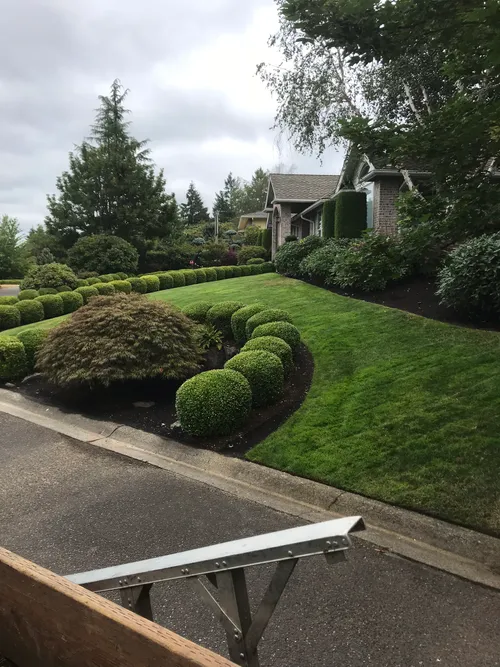
HD Landscape and Maintenance is a landscaping and maintenance company serving Portland, OR, and the surrounding metropolitan area. They offer a wide range of services including lawn care, sod and artificial turf installation, fence installation, landscape lighting, landscape design, tree services, yard drainage, hardscaping, and seasonal maintenance. Their work covers residential and commercial properties across Multnomah, Washington, and Clackamas counties. The company emphasizes sustainable landscaping practices using native plants and eco-friendly materials. They are fully licensed and insured, with experience handling projects from initial design to completion, including specialized capabilities like storm damage restoration and smart drainage systems.
Mr. Fence LLC
Portland, OR
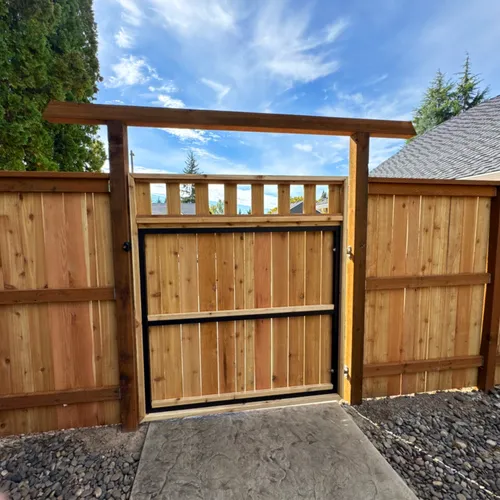
Mr. Fence LLC is a fencing contractor based in Portland, OR, offering a range of fencing solutions including wood, metal, vinyl fences, and custom steel gates. They focus on combining functionality and style to enhance security and curb appeal for residential and commercial properties. Their custom steel gates feature options like Ironwood panels and automation for added convenience and durability. Mr. Fence LLC is licensed in Oregon and provides fencing options suited to the local climate and aesthetic preferences.
Big Works Fence & Deck
16106 Forsythe Rd, Oregon City, OR 97045
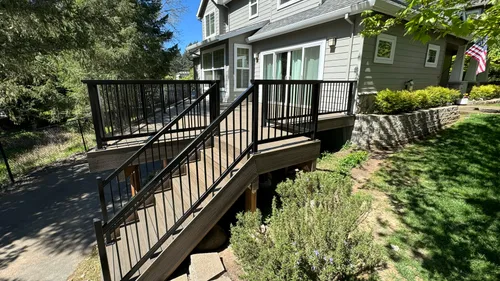
Big Works Fence & Deck is an outdoor living space contractor based in Portland, OR. They specialize in fence installation, decks, railings, pergolas, patio covers, and hardscaping elements such as pavers and retaining walls. Serving Portland and surrounding areas, the company focuses on creating custom outdoor spaces using quality materials and innovative designs. Their approach emphasizes precision and customer collaboration to ensure each project meets client needs and enhances outdoor living. Big Works has built a reputation in the region for transforming outdoor environments with craftsmanship and care.
Cascade Fence & Deck
323 NE Birch St Suite 203, Camas, WA 98607
Cascade Fence & Deck is a fence installation and deck construction contractor serving Portland, OR, and the surrounding Vancouver area. They offer full-service solutions including deck design, permitting, construction, and final cleanup. With decades of experience since the late 1990s, they focus on creating outdoor living spaces suitable for the Pacific Northwest climate. Their operations include material preparation and project management to ensure smooth progress from start to finish.
Understanding Tigard's Fence Regulations
Before you start planning your fence build, it's crucial to understand the local rules. Tigard has specific codes governing fence height, placement, and permitting to ensure safety, maintain neighborhood character, and respect property rights.
Height and Location Restrictions
Tigard's zoning code establishes clear limits based on where your fence will be located on your property.
- Rear and Side Yards: The maximum allowable height for fences in rear and side yards is typically 8 feet.
- Front Yards: In standard front yards, the maximum height is much lower, at 3 feet. However, if your property borders a collector or arterial street, you may be allowed to install a fence up to 6 feet tall in the front yard setback area1.
- Vision Clearance: Safety is paramount. Fences must not obstruct the vision of drivers or pedestrians at street corners, alleys, or driveway entrances. This "vision clearance" area usually requires fences to be lower or see-through to prevent accidents2.
When You Need a Permit
Not every fence project requires a permit in Tigard, but many do. A permit is generally required for any fence that is 7 feet or taller3. Since the common maximum is 8 feet, most privacy fences will need a permit. It's always best to check with the City of Tigard's Community Development Department before finalizing plans. The permit process ensures your project complies with all codes, which can prevent costly corrections later.
Property Lines and Shared Fences
A critical, often overlooked, step is verifying your property lines. Installing a fence even a few inches over your boundary can lead to disputes. Consider hiring a professional surveyor to mark the exact lines. If a fence sits directly on the boundary line, it may be considered a shared or "partition" fence under Oregon law4. State law requires you to provide your neighbor with six months' written notice before removing or substantially altering a shared fence4. Discussing plans with adjoining property owners early can foster goodwill and potentially allow for cost-sharing.
Choosing the Right Fence Material and Style
The material you choose defines your fence's appearance, longevity, maintenance needs, and cost. Tigard homeowners have several excellent options, each suited to different goals like privacy, decoration, or security.
Wood Fencing (Cedar)
Wood, particularly cedar, remains a timeless choice for its natural beauty and versatility.
- Pros: Offers excellent privacy, can be stained or painted any color, and provides a classic, warm look. It's well-suited for both solid privacy panels and traditional picket styles.
- Cons: Requires regular maintenance, including staining or sealing every few years to protect against Oregon's damp weather and prevent rot or warping.
- Best For: Homeowners who value a natural, customizable look and don't mind periodic upkeep.
Vinyl Fencing
Vinyl is a popular low-maintenance alternative that offers a clean, uniform appearance.
- Pros: Extremely durable, never needs painting, and resists rotting, insects, and moisture. It's available in solid privacy panels as well as picket and ranch-rail styles. A simple wash with a hose keeps it looking new.
- Cons: Higher upfront material cost than basic wood, and color options are limited (typically white, tan, or gray).
- Best For: Those seeking a long-lasting, privacy-focused fence with minimal ongoing maintenance.
Composite Fencing
Composite materials, made from a blend of wood fibers and plastics, offer a modern aesthetic.
- Pros: Highly durable and resistant to rot, insects, and fading. It often features a sleek, horizontal board-on-board style that provides privacy with a contemporary flair. Like vinyl, it requires very little maintenance.
- Cons: Tends to be the most expensive material option.
- Best For: Homeowners wanting a modern, low-maintenance design with a premium look and feel.
Ornamental Metal Fencing
For security and elegance, ornamental iron or aluminum is a standout choice5.
- Pros: Provides exceptional security and a stately, decorative border. It's incredibly strong, requires almost no maintenance, and allows for visibility and light penetration.
- Cons: Offers little privacy and is among the more costly options.
- Best For: Defining property lines elegantly, securing pools, or adding decorative accents to front yards without blocking views.
Chain Link Fencing
A practical and economical option focused on function.
- Pros: Very affordable, durable, and low-maintenance. Vinyl-coated chain link comes in green or black for a slightly more polished look. It's ideal for securing yards for pets or defining boundaries.
- Cons: Offers minimal privacy or aesthetic appeal in its standard form (though privacy slats can be added).
- Best For: Budget-conscious projects, securing large areas, or backyards where privacy is not the primary concern.
Find the perfect fence installers for your needs
Get personalized recommendations and expert advice
Breaking Down the Cost of Fence Installation in Tigard
The total price of your fence project depends on several variables: material, linear footage, height, terrain, and additional prep work. Here's a detailed cost breakdown to help you budget effectively.
Cost Per Linear Foot (Installed)
The most common way to estimate fence cost is by the linear foot, which includes both materials and professional labor. For a standard 6-foot tall privacy fence in the Tigard area, you can expect a general range of $28 to $58 per linear foot 6. This wide range is primarily driven by material choice:
- Wood (Cedar): $15 - $30 per linear foot 7.
- Vinyl: $15 - $40 per linear foot.
- Composite: $25 - $50 per linear foot.
- Chain Link: $11 - $25 per linear foot for basic installations8.
Total Project Cost Example
To translate linear foot costs into a full project estimate, consider a typical backyard needing 150 linear feet of fencing.
- Using a mid-range material like vinyl at approximately $30 per foot, the base cost would be around $4,500.
- Opting for premium composite at $45 per foot would bring the total to about $6,750.
- A basic wood privacy fence might start around $3,375 ($22.50/ft), while a high-end ornamental metal fence could exceed $9,000.
Additional Costs and Considerations
Your final quote will include more than just the fence panels and posts. Reputable installers will factor in all necessary expenses:
- Permits: The City of Tigard charges for permits, which can range from an estimated $50 to $500 depending on the project's scope and valuation.
- Site Preparation: This is often a significant variable. Costs include removing an old fence (approximately $3 to $5 per linear foot), clearing vegetation, or grading uneven terrain9.
- Gates and Hardware: Each gate adds to the cost, with decorative hardware increasing the price further.
- Terrain: Sloped or rocky yards require more labor and specialized installation techniques, which increases the price.
Getting detailed, written estimates from several local installers is the best way to understand the full cost for your specific property.
The Professional Installation Process
Working with a seasoned fencing contractor in Tigard ensures your project meets code, is built to last, and progresses smoothly. A typical professional installation follows these key steps:
- Consultation and Estimate: A contractor visits your property to discuss your needs, take measurements, assess the terrain, and provide a detailed quote.
- Planning and Permitting: They help finalize material and style choices and can often manage the permit application process on your behalf.
- Site Preparation: The crew clears the fence line, removes any old fencing, and marks the layout based on your property survey.
- Installation: Posts are set in concrete for stability, panels or sections are assembled and attached, and gates are hung with proper hardware.
- Final Inspection and Cleanup: The installer ensures everything is level, secure, and meets specifications, followed by a thorough cleanup of the work area.
Choosing a contractor with strong local knowledge is invaluable, as they will be familiar with Tigard's soil conditions, common weather challenges, and city inspectors.
Maintaining Your New Fence
Protecting your investment extends its life and keeps it looking great.
- Wood Fences: Plan to stain or seal a new wood fence within the first few months, and reapply every 2-4 years. Regularly check for loose boards, rot, or insect damage.
- Vinyl/Composite Fences: These require the least upkeep. Periodically wash them with mild soap and water to remove dirt, mildew, or pollen.
- Metal Fences: Inspect for rust spots annually, especially at joints or scratches. Touch up with rust-inhibitive paint as needed. Wash with water to remove debris.
- All Fences: Keep the base of your fence clear of soil, mulch, and vegetation to prevent moisture retention and rot. After major storms, do a quick visual check for damage.
Frequently asked questions
Sources
Footnotes
-
City of Tigard, OR Nonresidential General Provisions - https://ecode360.com/43706254 ↩
-
Zoning FAQs - Fence and Wall Placement - https://www.grandrapidsmi.gov/files/sharedassets/public/gr-digital/digital-services/paper-forms/development-center/faqs-fences.pdf ↩
-
When You Need A Permit | City of Tigard - https://www.tigard-or.gov/your-government/departments/community-development/building-services/when-you-need-a-permit ↩
-
Fence Laws in Oregon | Super Lawyers - https://www.superlawyers.com/resources/real-estate/oregon/fence-laws-in-oregon/ ↩ ↩2
-
Cool Cat Fence Company In Tigard, OR - https://coolcatfence.com/portland/tigard-fence-company/ ↩
-
How Much Does It Cost to Put in a Fence in Seattle or Portland ... - https://coolcatfence.com/cost-to-put-in-a-fence/ ↩
-
How Much Does a Privacy Fence Cost? (2025 Pricing Guide for ... - https://coolcatfence.com/how-much-does-a-privacy-fence-cost/ ↩
-
How Much Is The Cost Of Fence And Installation in 2025? Your Complete Guide to Fence Installation and Pricing - Cool Cat Fence - https://coolcatfence.com/cost-of-fence-and-installation/ ↩
-
Privacy Fence Cost Guide 2025: Materials, Labor, and Installation - https://barrierbossusa.com/blogs/news/how-much-does-a-privacy-fence-cost-usa-2025 ↩