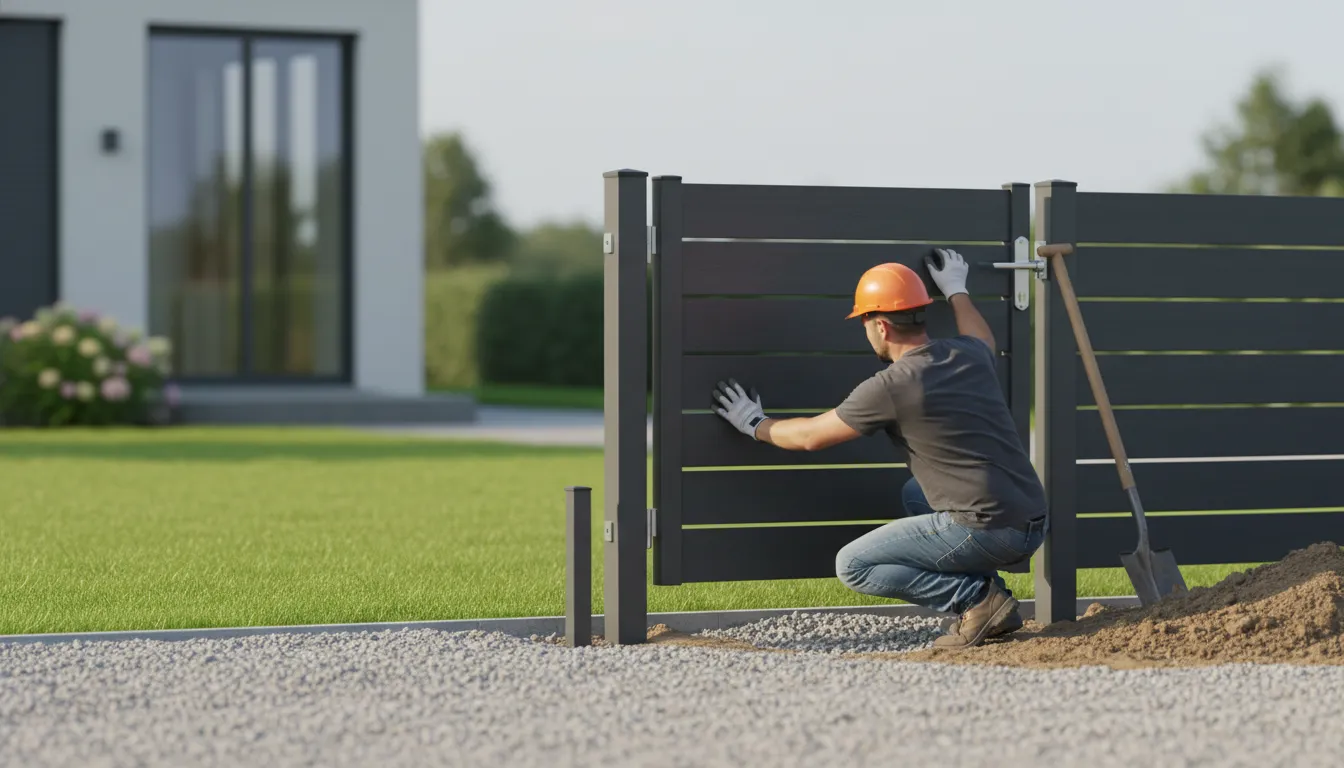
Find the Best Fence Installers for Your Business
No obligation • Fast responses • Nationwide coverage

Why you can trust Landscape Atlas
Landscape Atlas is a leading United States resource for evaluating landscaping, lawn care, and outdoor service providers. Our team researches each category in depth, focusing on service quality, safety, and customer experience. Listings and rankings are based on independent criteria and user feedback, and companies cannot pay to influence our assessments or recommendations.
Search providers near you
Top Fence Installers in Reading, Pennsylvania Ranked
Installing a fence is a significant investment that enhances your property's privacy, security, and curb appeal. In Reading, navigating local zoning rules and material choices is crucial for a successful project. This guide provides essential information on regulations, material options, and costs to help you plan your fencing project and connect with qualified local professionals.
Understanding Reading's Fence Regulations
Before you break ground, understanding local ordinances is the most critical step. The City of Reading has specific codes governing fence and wall construction to ensure safety, maintain neighborhood aesthetics, and respect property rights. Ignoring these rules can result in costly fines or being required to remove a non-compliant structure.
The primary regulation to reference is § 600-1301 of the City's code, which outlines permit requirements and standards. A permit is required for most fence installations, and the application process typically involves submitting a site plan and paying a fee 1. It's always best to contact the City of Reading's permitting office directly to confirm the current process and any specific requirements for your property.
Key Zoning and Placement Rules
Reading's regulations focus on height, location, and sightlines. Here are the common requirements for residential properties:
- Height Limits: Regulations often differentiate between front and rear yards. In residential zones, fences in the front yard are typically limited to a maximum of 4 feet in height. For side and rear yards, the maximum height is usually 6 feet 2. Always verify the exact limits for your specific zoning district.
- Sight Triangles: For safety, you must maintain clear sightlines at driveways and street intersections. Fences, hedges, or walls cannot obstruct the view of drivers 3. This means the corner of your fence near a driveway may need to be lower or set back.
- Property Lines: This is paramount. You are responsible for knowing exactly where your property ends. Installing a fence even a few inches over the line can lead to disputes with neighbors and legal issues. If you're unsure, investing in a professional land survey is highly recommended before finalizing plans.
The Importance of Property Line Agreements
Pennsylvania law has specific considerations for fences built directly on a property line, known as "boundary" or "division" fences 4. If you plan to build a fence on the shared line, it's wise to have a written agreement with your neighbor regarding the cost, maintenance, and ownership of the fence. While not always legally required, this agreement can prevent future conflicts. If the fence is entirely on your property, you maintain full responsibility for it, but you must still ensure it complies with setback rules (the required distance from the property line) 4 5.
Find the perfect fence installers for your needs
Get personalized recommendations and expert advice
Choosing the Right Fence Material for Your Reading Home
Selecting a material involves balancing budget, desired function (privacy, decoration, security), and maintenance commitment. Reading's climate, with its full range of seasons, should also influence your choice.
Popular Fence Materials Compared
- Wood Fencing: A classic and popular choice, wood offers a natural, warm look and is generally affordable to install. It's versatile, available in stockade, picket, and post-and-rail styles. The main drawback is maintenance; wood fences require regular staining or painting to protect against moisture, insects, and rot.
- Vinyl Fencing: Gaining immense popularity for its durability and low upkeep. Vinyl won't rot, warp, or need painting. It's available in many styles that mimic wood grain and is excellent for privacy fences with solid panels. The initial cost is higher than wood or chain-link, but the long-term savings on maintenance can be significant 6.
- Chain-Link Fencing: The most budget-friendly option, providing basic security and boundary definition without blocking views. It's durable and requires minimal maintenance. Its primary downside is a lack of privacy and a more utilitarian appearance, though slats can be added for some screening.
- Aluminum & Wrought Iron: These metal fences are chosen for their decorative appeal, security, and longevity. Ornamental aluminum is lightweight and rust-resistant, while wrought iron is extremely sturdy but requires maintenance to prevent rust. Both are excellent for defining property lines elegantly without creating a solid visual barrier, making them suitable for front yards where height restrictions apply.
Function-Specific Fencing: Privacy vs. Decorative
Your goal for the fence will narrow down the style.
- Privacy Fences: Designed to block sightlines into your yard. These are typically 6 feet tall (for rear yards) and constructed from solid materials like close-board wood, vinyl panels, or composite materials. A well-built privacy fence creates a secluded outdoor living space.
- Decorative Fences: Aim to enhance curb appeal and mark boundaries while maintaining an open feel. Classic white picket fences, split-rail styles, and ornamental metal are prime examples. These are often used in front yards and are built to comply with lower height limits.
Fence Installation Cost Factors in Reading
The total cost of your fence project depends on three main variables: material, linear footage, and labor. Prices are typically quoted per linear foot, installed.
Based on regional data, here is a general cost range per linear foot for different materials installed in our area 7:
- Chain-Link: $10 - $20
- Wood: $25 - $45
- Vinyl: $25 - $60 (with simpler styles at the lower end and decorative styles at the higher end)
- Aluminum/Composite: $30 - $60
- Wrought Iron: $35 - $70+
Remember, these are estimates. The final price for your project will be determined by the specific product grade, the complexity of your terrain (hills and slopes increase cost), and the rates of the installer you choose. Always get multiple detailed quotes.
Additional Cost Considerations
Beyond the basic per-foot price, factor in these potential expenses:
- Permit Fees: The City of Reading charges a fee for the required fence permit.
- Survey Costs: If your property lines are unclear, a professional survey can cost several hundred dollars but is invaluable.
- Gates and Hardware: Adding gates, especially double-width or automated ones, adds to the cost.
- Removal and Disposal: If you're replacing an old fence, include removal and disposal costs in your budget.
- HOA Approval: If you live in a community with a Homeowners Association, there may be additional design restrictions and approval fees 8.
Your Pre-Installation Checklist
A smooth installation starts with thorough preparation. Follow this checklist before hiring a contractor:
- Confirm Property Lines: Review your property survey. If one isn't available or is outdated, consider getting a new one.
- Research City Codes: Visit the City of Reading's website or contact the permits office to review § 600-1301 and confirm height limits, setback rules, and the permit application for your address 9.
- Check HOA Covenants: If applicable, obtain a copy of your HOA's architectural guidelines for any additional rules on style, material, or color.
- Talk to Your Neighbors: It's good practice to inform adjoining neighbors of your plans, especially if the fence will be near the property line. This fosters good relations and can help avoid surprises.
- Define Your Needs: Decide on the primary purpose (privacy, pets, pool, decoration), budget, and preferred material to discuss clearly with contractors.
Frequently asked questions
Sources
Footnotes
-
Fence Permit in Pennsylvania | Rolling Acres Fencing | PA - https://www.rollingacrefencing.com/do-you-need-a-permit-to-build-a-fence-in-pennsylvania-understanding-regulations-in-central-pa ↩
-
PA Fence Requirements: What You Need to Know - https://www.randsfence.com/single-post/2017/02/09/pa-fence-requirements-what-you-need-to-know ↩
-
§ 27-314. Fences and Walls. - https://codelibrary.amlegal.com/codes/plains/latest/plains_pa/0-0-0-7032 ↩
-
Pennsylvania Property Line and Fence Laws - https://www.vanderslicelaw.com/blog/pennsylvania-property-line-and-fence-laws/ ↩ ↩2
-
Understanding Local Fence Regulations and Permits in Pennsylvania - https://www.justfences.com/post/understanding-local-fence-regulations-and-permits-in-pennsylvania ↩
-
§ 600-1301. Fence and wall permits. - https://codelibrary.amlegal.com/codes/readingpa/latest/reading_pa/0-0-0-25711 ↩
-
Your Guide to Fence Installation Cost by Material and Size - https://jhlandscapes.com/your-guide-to-fence-installation-cost-by-material-and-size/ ↩
-
Fences | State College, PA - Official Website - https://www.statecollegepa.us/791/Fences ↩
-
Fence Policy - ReadingPA.gov - https://www.readingpa.gov/fence-policy ↩