Find the Best Fence Installers for Your Business
No obligation • Fast responses • Nationwide coverage

Why you can trust Landscape Atlas
Landscape Atlas is a leading United States resource for evaluating landscaping, lawn care, and outdoor service providers. Our team researches each category in depth, focusing on service quality, safety, and customer experience. Listings and rankings are based on independent criteria and user feedback, and companies cannot pay to influence our assessments or recommendations.
Search providers near you
Best Fence Installers in Rhode Island Ranked
Installing a fence is a significant investment that enhances privacy, security, and the aesthetic appeal of your Rhode Island property. Navigating local zoning laws, material choices, and finding a qualified installer are crucial steps to ensure a smooth and compliant project. This guide provides clear, practical information on regulations, costs, and material options to help you plan your fencing project effectively and connect with experienced local professionals.
Understanding Rhode Island Fence Regulations
Before you purchase a single post, understanding local rules is essential. Fence regulations in Rhode Island are primarily governed by city and town ordinances, not a single statewide law. This means the requirements in Providence may differ from those in Portsmouth or Middletown. The core areas regulated are height, location, and the need for a permit.
Height Restrictions: This is the most common regulation. Typically, fences in side and rear yards within residential zones are limited to a maximum of 6 feet (72 inches). Front yard fences are often restricted to a much lower height, commonly between 3.5 and 4 feet (42-48 inches), to preserve sightlines for drivers and pedestrians 1. Always verify the specific definition of "front yard" with your local planning department.
Placement and Setbacks: Many Rhode Island towns allow you to build a fence directly on your property line. However, this is not a universal rule. Special restrictions frequently apply to corner lots, where fences within a certain distance (e.g., 15 feet) of the street corner intersection may be prohibited or height-limited to maintain visibility for traffic safety 2. It is your responsibility to know your exact property lines, often requiring a survey.
Permit Requirements: A building permit is generally required for any fence over 6 feet tall 3. For fences under 6 feet, permit requirements vary by municipality. Some towns require a permit for all fences, while others do not. For example, Providence requires a permit for any fence over 7 feet, but it's always best to check 4 5. The permitting process ensures your planned fence complies with local zoning codes.
Key Action Step: Contact your local city or town hall's planning, zoning, or building inspection department before finalizing your plans. Provide your exact address to get authoritative information on height limits, setback rules, and permit applications for your specific lot 6 7 8.
Choosing the Right Fence Material
The material you choose impacts your fence's cost, appearance, maintenance needs, and longevity. Rhode Island's coastal climate, with its humidity, salt air, and winter weather, should influence your decision. Here are the most common options:
Wood Fencing: A classic choice that offers a natural, traditional look. It's versatile, can be painted or stained, and provides good privacy. The downside is maintenance; wood fences in Rhode Island require periodic sealing, staining, or painting to protect against moisture, rot, and insect damage. Pressure-treated pine is a common, more resilient option.
Vinyl Fencing: Extremely popular for its low-maintenance durability. Vinyl won't rot, warp, or need painting. It simply needs occasional cleaning with soap and water. It comes in various styles, including designs that mimic wood grain. While the upfront cost can be higher than basic wood, the long-term savings on maintenance often make it a cost-effective choice.
Aluminum Fencing: An excellent choice for ornamental, decorative purposes. It's lightweight, strong, rust-resistant (especially with powder-coated finishes), and requires virtually no maintenance. It's ideal for defining property boundaries without blocking views. It is often used for pool enclosures and elegant front yard demarcation.
Chain-Link Fencing: The most cost-effective and practical option for security and defining large areas, like backyards or containing pets. It is durable, low-maintenance, and provides visibility. While not known for privacy or high aesthetics, it can be enhanced with vinyl slats or climbing plants.
Find the perfect fence installers for your needs
Get personalized recommendations and expert advice
Cost Expectations for Fence Installation
Fence installation costs in Rhode Island are typically quoted per linear foot, which includes materials and professional labor. The total price for your project depends on the material, fence height, terrain (level vs. sloped), and any custom features like gates.
- General Cost Range: Installation can range from roughly $17 to over $90 per linear foot, with most common residential projects for wood or vinyl falling in the $20 to $40+ per linear foot range 9.
- Material-Specific Estimates:
- Aluminum: Often ranges from $17 - $90 per linear foot, with total project costs commonly between $2,000 and $4,000 10.
- Chain-Link: A more economical option, typically $8 - $40 per linear foot. A 200-foot chain-link fence project might cost between $1,800 and $6,000 installed 11.
Getting Accurate Quotes: These are estimates. To budget accurately, obtain detailed written quotes from several licensed and insured local installers. The quote should break down material costs, labor, permit fees (if handled by the installer), and any charges for removing an old fence.
The Professional Installation Process
Working with a professional ensures your fence is built correctly, safely, and in compliance with local codes. A reputable installer will typically manage the process in these key stages:
- Consultation and Estimate: A professional will visit your property to assess the layout, terrain, soil conditions, and discuss your goals. They should be knowledgeable about local permit requirements.
- Planning and Permitting: Once you approve a quote, the installer (or you) will submit necessary plans and applications to your local building department for a permit. Never proceed without a required permit.
- Utility Line Locating: This is a critical safety and legal step. Before digging, you or your contractor must call 811 to have all public underground utility lines marked for free. This prevents dangerous and costly strikes.
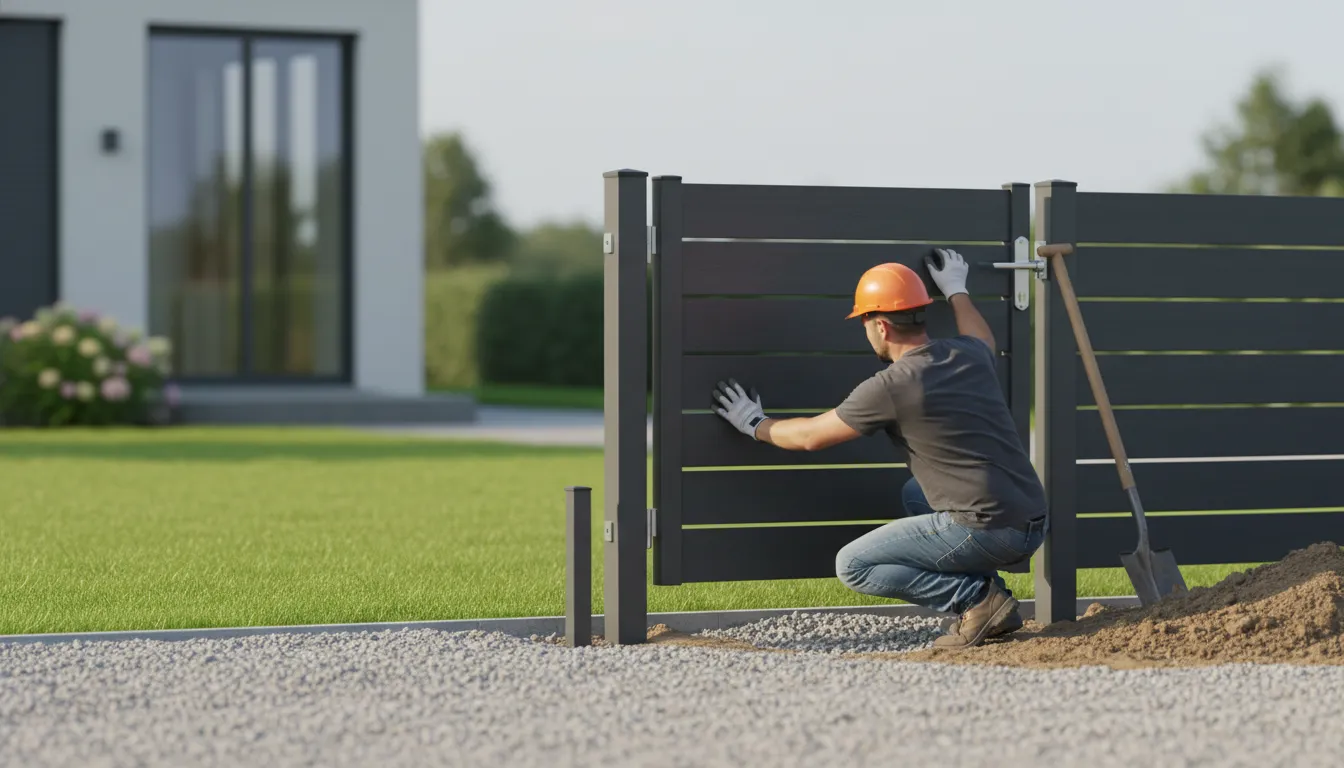
- Site Preparation and Installation: The crew will clear the fence line, set posts in concrete at proper depths and intervals, attach rails and pickets/panels, and install gates. They will ensure the fence is level and plumb, even on sloped ground.
- Final Inspection and Cleanup: In many towns, a final inspection by a municipal official is required once the fence is complete. The installer should leave your property clean and free of debris.
Maintaining Your Rhode Island Fence
Protect your investment with proper maintenance tailored to your material.
- Wood Fences: Inspect annually for rot, loose boards, or insect damage. Re-stain or re-seal every 2-3 years to protect against Rhode Island's moisture. Keep vegetation trimmed back to allow air circulation.
- Vinyl Fences: Wash with a garden hose and mild detergent once or twice a year to prevent mildew and dirt buildup. Avoid using abrasive cleaners or power washers on a high setting, which can damage the surface.
- Aluminum Fences: Rinse occasionally with water. Check for any chips in the powder coating, especially in coastal areas, and touch up with matching paint to prevent rust.
- Chain-Link Fences: Inspect for rust, especially at the base of posts. Touch up with rust-inhibitive paint as needed. Ensure tension wires are secure.
By understanding the rules, choosing the right material for your needs and climate, and working with a qualified professional, you can successfully add a beautiful, functional, and long-lasting fence to your Rhode Island property.
Frequently asked questions
Sources
Footnotes
-
FAQs • I want to put up a fence at my home. What are the Ci - https://rigov.org/FAQ.aspx?QID=210 ↩
-
ARTICLE IV. - FENCES | Code of Ordinances | Providence, RI - https://library.municode.com/ri/providence/codes/code_of_ordinances?nodeId=PTIICOOR_CH5BUSTAP_ARTIVFE_S5-46LAFEDE ↩
-
Fence Permits - Middletown, RI - https://www.middletownri.gov/520/Fence-Permits ↩
-
Fence Questions and Answers - રે - Providence City - https://www.providencecity.com/media/156 ↩
-
FAQs - City of Providence - https://www.providenceri.gov/inspection/building-board-review/ ↩
-
FAQs • Fences - Do I need a permit? Where can it be placed? - https://portsmouthri.gov/FAQ.aspx?QID=284 ↩
-
Sec. 5-55. - West Warwick, RI - https://westwarwickri.gov/vertical/sites/%7B7B7C7E47-F7C1-4511-8CF3-EA8EBAF7D539%7D/uploads/5-55_Fences.pdf ↩
-
Property Line Fence Regulations: Legal Placement & Permit Rules - https://barrierbossusa.com/blogs/news/property-line-fence-rules-guide ↩
-
Fence cost per linear foot: 7 Powerful Facts for 2025 - https://www.brentwoodfence.com/blog/fence-cost-per-linear-foot-nh-ma-me ↩
-
Fence cost per linear foot: 7 Powerful Facts for 2025 - Brentwood Fence - https://www.brentwoodfence.com/blog/fence-cost-per-linear-foot-nh-ma-me ↩
-
How Much Does 200 Ft Of Chain Link Fence Cost? - https://www.southlandfence.com/how-much-does-200-ft-of-chain-link-fence-cost ↩
-
The best type of fence to install in Rhode Island - https://traprocklandscaping.com/what-is-the-best-type-of-fence-to-install-in-rhode-island/ ↩
-
How Much is Fence Installation in Rhode Island? - https://fencecompanyofrhodeisland.com/blog/how-much-is-fence-installation-rhode-island/ ↩