Find the Best Fence Installers for Your Business
No obligation • Fast responses • Nationwide coverage

Why you can trust Landscape Atlas
Landscape Atlas is a leading United States resource for evaluating landscaping, lawn care, and outdoor service providers. Our team researches each category in depth, focusing on service quality, safety, and customer experience. Listings and rankings are based on independent criteria and user feedback, and companies cannot pay to influence our assessments or recommendations.
Search providers near you
Best Fence Installers in Tennessee Ranked
Installing a fence is a practical investment that enhances privacy, security, and curb appeal for your Tennessee property. Navigating local regulations and material choices is essential for a successful project that adds value and avoids costly mistakes. This guide provides clear, actionable information on Tennessee's fence rules, popular materials, and cost considerations to help you plan effectively and connect with qualified local professionals for your installation.

DogWatch of Nashville
559 Forest Retreat Rd, Hendersonville, TN 37075
DogWatch of Nashville is a fence installation contractor specializing in underground hidden dog fences in Nashville, TN. They provide customizable pet containment systems that use buried wires to create reliable boundaries, helping keep pets safe while allowing them freedom to roam within set limits. Their technology offers consistent signal strength and durability, designed to fit various yard layouts including gardens and pools. Recognized as an award-winning hidden pet fence dealer, DogWatch of Nashville combines advanced technology with expert installation and training to ensure effective pet containment.
First Fence
Memphis, TN
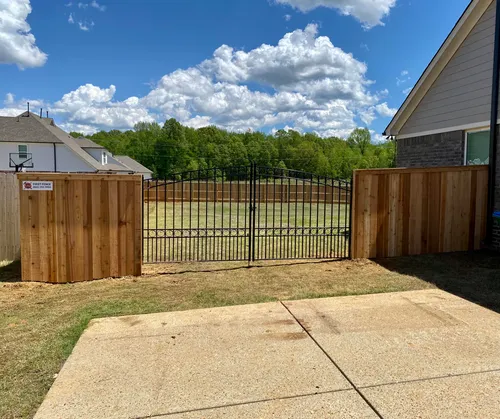
First Fence is a fencing contractor serving Memphis, TN, and the surrounding North Mississippi area. Founded by firemen, the company applies the same precision and dedication to fencing projects as they do to their firefighting duties. They offer a variety of fencing options including wood, vinyl, aluminum, ornamental steel, composite, chainlink, and agricultural fencing, as well as custom steel-framed gates. Their services cover both residential and agricultural needs with a focus on craftsmanship and durability.
K & C Fence Company
2503 Hart St, Nashville, TN 37207
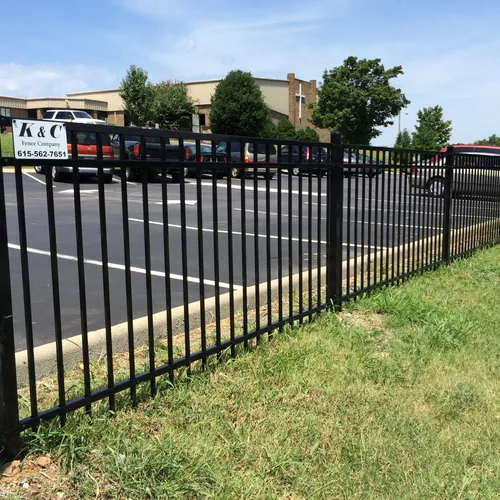
K & C Fence Company is a fence installation contractor serving Nashville, TN. They provide a variety of fencing options including wood, vinyl, chain-link, aluminum, composite, and steel to suit different needs such as privacy, security, curb appeal, and pet safety. The company emphasizes compliance with local building codes and HOA guidelines, helping customers navigate permit requirements. Their expertise includes installing fences suitable for Nashville's humid climate and clay soil conditions.

E.H Landscaping Lawn Care
Nashville, TN
E.H Landscaping Lawn Care is a full-service landscaping and tree care company based in Nashville, TN. They offer a wide range of services including lawn mowing, fertilization, weed control, tree trimming and removal, fence installation, mulching, and landscape design. With over 15 years of experience, the company focuses on enhancing and maintaining outdoor spaces for both residential and commercial clients. Their capabilities include specialized services such as lawn aeration and garden design, aiming to create beautiful and functional outdoor environments.
Fenceworks of Middle Tennessee
3412 Cobble St, Nashville, TN 37211
Fenceworks of Middle Tennessee is a fence installation contractor based in Nashville, TN. They specialize in custom fence solutions that combine innovative design with high-quality materials to create fences that enhance property aesthetics and functionality. With over 20 years of combined experience and a local presence in Central Tennessee for the past three years, Fenceworks offers tailored fencing options for privacy, pets, and farms, focusing on superior craftsmanship and personalized service.
Understanding Tennessee Fence Regulations
While Tennessee has no statewide fence code, every city and county enforces its own zoning ordinances. These local rules dictate critical aspects of your project, from height limits to permit requirements. Ignoring them can result in fines or being forced to modify or remove your new fence.
The most common regulatory themes across Tennessee municipalities include:
- Height Restrictions: Front yard fences are typically limited to 3-4 feet to maintain visibility and an open streetscape. Side and rear yard fences are usually allowed to be taller, commonly between 6 and 8 feet, for privacy.
- Permit Requirements: Most cities require a building permit for any fence over a specific height, often 3 to 4 feet. Permits ensure your plans comply with local codes.
- Property Line Placement: Your fence must be constructed entirely on your property. Most localities require a setback from the property line, which can range from a few inches to several feet, especially on corner lots for traffic safety 1 2.
- "Good Side" Out Rule: A nearly universal requirement is that the finished, "good" side of the fence must face outward toward your neighbor and the street. Structural posts and rails should face inward toward your property.
Key City-Specific Examples
Regulations can vary significantly from one city to the next. Here's a snapshot of rules in some major Tennessee areas:
- Nashville/Davidson County: A permit is required for any fence over 3 feet tall. In front yard setback areas, solid fences cannot exceed 30 inches, while "open" fences (like picket or split rail) can be up to 72 inches. Side and rear yard fences are generally limited to 8 feet 3.
- Memphis: Permit requirements are strict, especially for taller fences. It's crucial to check with the Memphis & Shelby County Division of Planning and Development before starting any work, as rules can differ by neighborhood 4.
- Collierville: Front yard fences are limited to 4 feet (42 inches in historic districts). Side and rear yard fences can be up to 6 feet. All fences require a permit from the Town's Building Department 5.
- Gallatin: Regulations permit fences up to 4 feet in front yards and 6 feet in side and rear yards. A permit is required, and certain materials like plywood or junk materials are prohibited 6.
- Millington: The code specifies a 4-foot maximum in front yards and 8 feet in side/rear yards. On corner lots, a 15-foot visibility triangle must be maintained, restricting fence height in that area 7.
Always contact your local building or codes department for the most current and precise regulations applicable to your address.
Choosing the Right Fence Material
The material you choose defines your fence's appearance, maintenance needs, longevity, and cost. Tennessee homeowners have several excellent options to match their budget and style.
Wood Fencing
Wood offers a classic, natural look that complements many architectural styles. Popular choices include pressure-treated pine for its affordability and resistance to rot and insects, and cedar for its natural oils that provide durability and a pleasant aroma.
- Pros: Timeless aesthetic, can be stained or painted any color, provides good privacy and sound dampening.
- Cons: Requires regular maintenance (staining/sealing every few years), can be susceptible to warping, rotting, or insect damage over time.
- Estimated Cost: $10 - $50 per linear foot installed.
Vinyl (PVC) Fencing
Vinyl fencing has become extremely popular due to its durability and minimal upkeep. It's available in a wide range of styles, including privacy, picket, and rail designs.
- Pros: Virtually no maintenance (no painting or staining), highly durable and resistant to weathering, retains its color, easy to clean.
- Cons: Higher upfront cost than some materials, can become brittle in extreme cold, color options are limited to manufacturer offerings.
- Estimated Cost: $20 - $40 per linear foot installed.
Chain Link Fencing
A practical and economical choice for security, boundary definition, and pet containment. Modern chain link is often vinyl-coated in green or black for a more attractive appearance.
- Pros: Very cost-effective, extremely durable and long-lasting, requires almost no maintenance, provides security without blocking views.
- Cons: Offers little privacy or aesthetic enhancement unless slats are added, considered less decorative.
- Estimated Cost: $8 - $18 per linear foot installed.
Ornamental Metal Fencing
This category includes aluminum and steel fences, often designed to mimic wrought iron. Aluminum is lightweight and rust-resistant, while steel is incredibly strong.
- Pros: Provides a high-end, decorative look with excellent security, very durable, aluminum requires no painting (powder-coated), open design doesn't obstruct views.
- Cons: Can be expensive, offers minimal privacy, steel may require painting to prevent rust.
- Estimated Cost: $12 - $50 per linear foot installed 8 9 10.
Find the perfect fence installers for your needs
Get personalized recommendations and expert advice
The Fence Installation Process: What to Expect
A professional fence installation typically follows a structured process. Understanding these steps helps ensure a smooth project.
- Consultation and Estimate: A reputable installer will visit your property to discuss your needs, take measurements, assess the terrain, and identify any potential obstacles like slopes, trees, or utility lines.
- Design and Planning: Based on your goals and budget, you'll select the material, style, and gate options. The contractor should then handle pulling the necessary permits from your local municipality.
- Utility Location (Call 811): This critical, free service must be called at least 3 business days before digging. Utility companies will mark the location of underground lines to prevent damage and ensure safety.
- Site Preparation and Layout: The crew will clear the fence line and mark the exact post locations based on the plan and property survey.
- Post Installation: Holes are dug, posts are set in concrete, and everything is leveled and braced. This is the most important step for fence stability and longevity.
- Fencing Installation: Once the concrete has cured, rails and pickets (or chain link fabric) are attached to the posts. Gates are hung and adjusted for smooth operation.
- Final Inspection and Cleanup: The installer should walk the project with you, ensure everything meets your approval, and thoroughly clean the job site of all debris.
Cost Factors for Fencing in Tennessee
The total cost of your fence project depends on several variables. The primary cost driver is the material, as shown in the estimates above. Beyond material, consider:
- Linear Footage: The total length of the fence is the baseline for cost.
- Terrain: Sloped or rocky yards require more labor and specialized installation techniques, increasing the price.
- Gate Additions: Each gate adds to the cost, with larger, double-width, or automated gates being more expensive.
- Removal and Disposal: If an old fence needs to be removed and hauled away, this will add to the project cost.
- Permit Fees: City permit fees vary but are a necessary part of the budget 11.
Getting multiple detailed, written estimates from licensed and insured contractors is the best way to understand the fair market price for your specific project in Tennessee.
Working with a Professional Installer
Choosing the right contractor is as important as choosing the right material. A professional ensures the job is done correctly, safely, and in compliance with all codes.
- Verify Licensing and Insurance: Ensure the company holds any required local business licenses and carries both liability insurance and workers' compensation.
- Check References and Portfolios: Ask for local references and look at photos of past projects similar to yours.
- Get a Detailed Contract: The contract should include the total price, payment schedule, a description of materials (including brand, style, and color), start and completion dates, and a plan for handling old fence removal.
- Understand Warranties: Ask about warranties on both materials (often from the manufacturer) and labor (from the installer).
A well-built fence is a long-term investment. Taking the time to plan, understand local rules, and hire a qualified professional will provide peace of mind and a result you can enjoy for years to come.
Frequently asked questions
Sources
Footnotes
-
Essential Fence Installation FAQs | Nashville & Beyond - https://www.prolinefencecompany.com/faq/ ↩
-
How Close Can You Build to Property Line in Tennessee - Oreate AI - https://www.oreateai.com/blog/how-close-can-you-build-to-property-line-in-tennessee/7acd3430254ef14b0a413da4d5201817 ↩
-
Building Permits Central: I Want to Build a Fence | Nashville.gov - https://www.nashville.gov/departments/codes/construction-and-permits/building-permits-central/fence ↩
-
Fence Permits in Memphis, TN - What You Need to Know - https://bluffcityfence.com/2025/04/17/fence-permits-in-memphis-tn-what-you-need-to-know/ ↩
-
So you want to build a fence? | Town News - Collierville, TN - https://www.colliervilletn.gov/Home/Components/News/News/965/ ↩
-
FENCE REQUIREMENTS | Gallatin, TN - https://www.gallatintn.gov/1816/Fence-Requirements ↩
-
ATTACHMENT A CHAPTER 8 FENCES SECTION 13-801. Scope ... - https://www.millingtontn.gov/AgendaCenter/ViewFile/Item/3152?fileID=3834 ↩
-
How Much Does a Fence Cost in Nashville? (2026 Pricing ... - https://www.fencenashville.net/fence-blog-posts/how-much-does-a-fence-cost ↩
-
Fencing Davidson County, TN - Elite Property Services - https://www.epstn.com/blog/fencing-davidson-county-tn ↩
-
Fence Types, Materials & Costs | Complete Home Fencing Guide - https://modernize.com/fencing ↩
-
How Much Does a Fence Permit Cost in Nashville, TN? - https://bigjerrysfencing.com/tennessee/nashville/how-much-does-a-fence-permit-cost-in-nashville-tn/ ↩