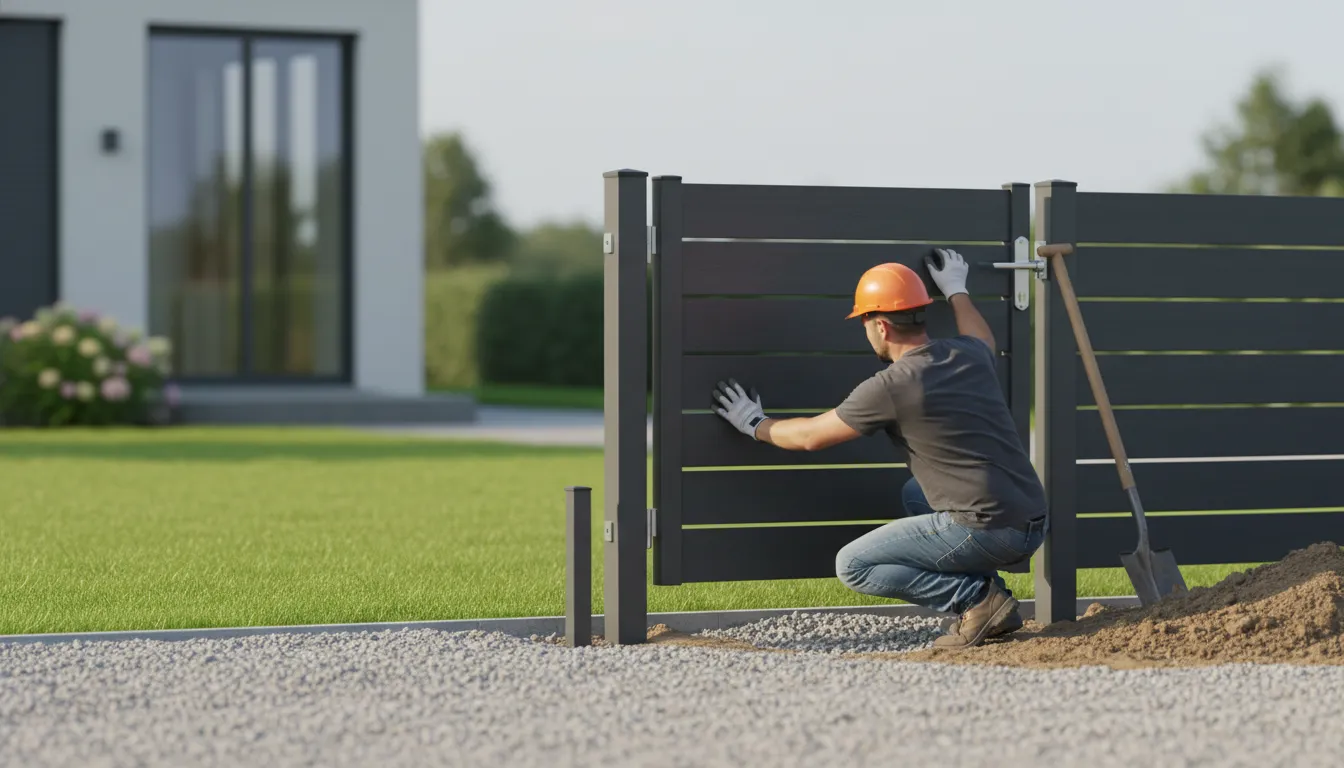
Find the Best Fence Installers for Your Business
No obligation • Fast responses • Nationwide coverage

Why you can trust Landscape Atlas
Landscape Atlas is a leading United States resource for evaluating landscaping, lawn care, and outdoor service providers. Our team researches each category in depth, focusing on service quality, safety, and customer experience. Listings and rankings are based on independent criteria and user feedback, and companies cannot pay to influence our assessments or recommendations.
Search providers near you
Top Fence Installers in Rockwall, Texas Ranked
Adding a fence to your Rockwall property is a significant investment that enhances privacy, security, and curb appeal. A well-chosen and properly installed barrier defines your outdoor space and can increase your home's value. Navigating local regulations and material choices is crucial for a successful project. This guide provides essential information to help you understand your options, comply with Rockwall's specific codes, and connect with qualified local professionals for your fencing needs.
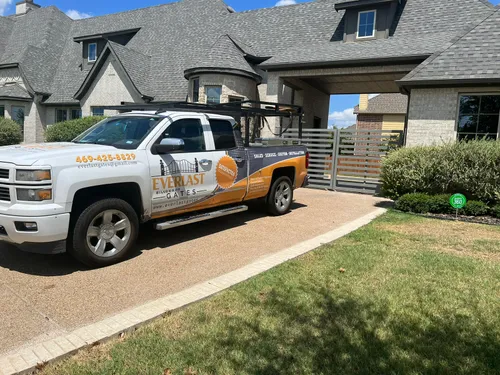
Everlast Gates & Fence
2043 Empire Central Dr Suite 108, Dallas, TX 75235
Everlast Gates & Fence is a family-owned fence installation contractor based in Dallas, TX. They provide residential and commercial fencing and gate solutions, including automatic gate repairs, gate motors, tracks, keypads, and welding services. Serving the Dallas-Fort Worth Metro area, they offer customized fencing and advanced automatic gate access control to enhance security and privacy. Their licensed and certified technicians handle fabrication and repairs with expertise. The company has built a reputation for quality work and holds an A+ rating with the BBB.

Imperial Roofing and Construction
400 Chisholm Pl # 213, Plano, TX 75075
Imperial Roofing and Construction is a roofing and general contracting company based in Plano, TX. They serve commercial, multi-family, and residential property owners throughout the Dallas-Fort Worth area. Their services include roofing installation and repair, storm damage restoration, fencing, patios, decks, and other general contracting solutions. The company is licensed and insured, offering a range of roofing options such as shingles, metal, and green roofing to suit different styles and needs. Imperial Roofing and Construction emphasizes quality craftsmanship, safety, and innovation in their work and provides financing options to help clients manage project costs.
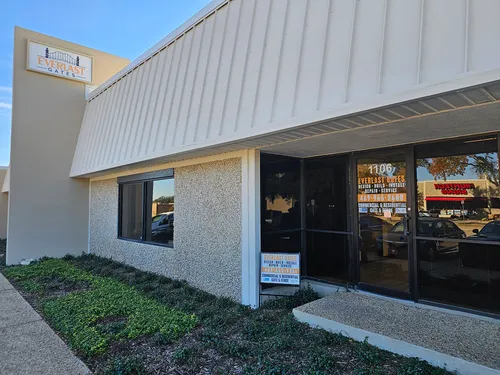
Everlast Gates & Fence
1106 Commerce Dr, Richardson, TX 75081
Everlast Gates & Fence is a family-owned fence installation contractor based in Dallas, TX. They provide residential and commercial fencing and automatic gate services, including gate motor repairs, track maintenance, keypads, and welding. The company offers customized fencing solutions and advanced automatic gate access control to enhance property security and privacy. With licensed and certified technicians, Everlast Gates & Fence serves the Dallas-Fort Worth Metro area and is known for expert fabrication and same-day service.
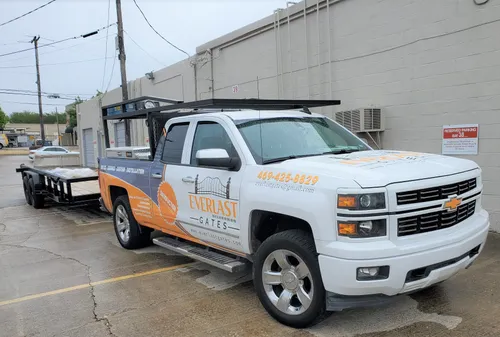
Everlast Gates & Fence
7460 Warren Pkwy Suite 164, Frisco, TX 75034
Everlast Gates & Fence is a family-owned fence installation contractor serving Dallas, TX. They provide residential and commercial fencing and automatic gate repair services, including gate motors, tracks, keypads, and welding. The company offers customized fencing solutions and advanced automatic gate access control to enhance property security and privacy. With licensed and certified technicians, Everlast Gates & Fence operates across the Dallas-Fort Worth Metro area and has built a reputation supported by numerous positive reviews and an A+ BBB rating.
Everlast Gates & Fence
1100 E Plano Pkwy suite 469, Plano, TX 75074
Everlast Gates & Fence is a fence installation contractor based in Dallas, TX, specializing in residential and commercial fencing and automatic gate repairs. They provide services including gate motor repairs, track maintenance, keypad installation, and welding, with same-day service available across the Dallas-Fort Worth Metro area. The company offers customized fencing solutions and advanced automatic gate access control to enhance property security and privacy. Everlast Gates & Fence is a family-owned business with licensed and certified technicians and holds an A+ rating from the BBB.
Understanding Rockwall's Fencing Regulations
Before you select a single post or pick up a phone, your first step must be to understand the local rules. Rockwall, like many Texas cities, has specific ordinances and permitting requirements that govern fence construction. Ignoring these can lead to costly corrections or even removal orders.
Key City Code Requirements:
- Height Limits: For most residential properties, fences in rear and side yards are typically limited to 6-8 feet in height. Front yard fences cannot exceed 4 feet. Additionally, fences within a "clear vision" area near street intersections must be under 30 inches to ensure driver and pedestrian safety 1.
- Transparency Rules: Front yard fences must be at least 50% transparent (e.g., picket, wrought iron, or spaced board styles)2 3 4. Solid privacy fences are generally not permitted in front yards.
- Material Specifications: The city has guidelines on acceptable materials. For instance, solid privacy fences often require thick, durable cedar and may not allow softer woods like spruce.
- Permits: A permit from the City of Rockwall Planning Department is required for any fence installed in a front yard. It's always wise to verify current requirements with the city before starting any project.
Homeowners Association (HOA) Rules: In addition to city codes, your neighborhood may have a Homeowners Association with its own, often stricter, covenants. These can dictate material type (e.g., cedar-only), color, style, and even the brand of vinyl allowed 5. Always obtain your HOA's written guidelines and secure approval before proceeding.
Choosing the Right Fence Material for Your Needs
The material you choose will define your fence's appearance, longevity, maintenance needs, and cost. Here's a breakdown of the most popular options for Rockwall homes.
Wood Fencing (Cedar)
Cedar is the most popular choice for residential fencing in the area, prized for its natural beauty, insect resistance, and durability. It's versatile, working well for both solid privacy styles (like board-on-board) and more decorative, transparent designs.
- Pros: Natural aesthetic, can be stained or painted, provides excellent privacy and wind blocking.
- Cons: Requires periodic maintenance (sealing/staining) to prevent weathering and graying.
- Common Styles: Privacy, picket, shadowbox, and post-and-rail.
Vinyl Fencing
Vinyl (PVC) fencing offers a clean, uniform look with minimal upkeep. It won't rot, warp, or need painting, making it a favorite for busy homeowners.
- Pros: Extremely low maintenance, durable, available in various colors and textures (some mimicking wood grain), and easy to clean.
- Cons: Higher initial cost than basic wood, can become brittle in extreme cold, and color options are fixed.
- Common Styles: Privacy panels, picket, and ranch rail.
Metal Fencing (Wrought Iron & Aluminum)
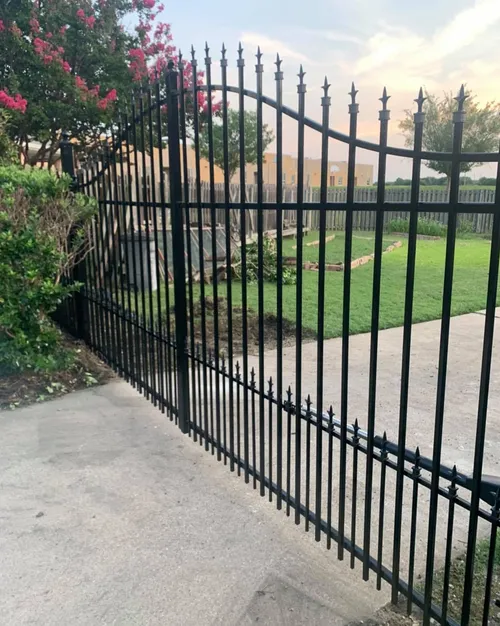
Ornamental metal fences provide security and a high-end, decorative look while maintaining the transparency often required for front yards.
- Pros: Very strong and secure, highly decorative with many design options, requires little maintenance (especially powder-coated aluminum), and allows for visibility.
- Cons: Offers little privacy, can be expensive depending on scrollwork complexity, and iron may require repainting over time to prevent rust.
- Common Styles: Ornamental picket, estate-style, and pool code barriers.
Composite Fencing
Made from a blend of wood fibers and plastics, composite fencing is a premium option that combines the look of wood with the durability of synthetic materials.
- Pros: Highly durable and resistant to rot/insects, low maintenance, often comes in solid, privacy-style panels.
- Cons: Highest cost among common materials, and style/color choices can be more limited.
Fence Styles: Privacy vs. Decorative
Your choice often comes down to the primary function you need your fence to serve.
Privacy Fencing: The goal is to create a secluded backyard oasis by blocking sightlines. These are typically 6 to 8 feet tall and use solid materials. In Rockwall, this is most commonly achieved with:
- Solid Wood Panels: Cedar board-on-board or stockade styles.
- Vinyl Privacy Panels: Solid, interlocking sheets.
- Metal R-Panels: Corrugated metal sheets mounted on a frame, often used for side or rear yard screening.
Decorative Fencing: This style prioritizes curb appeal, property definition, and a degree of security without creating a solid visual barrier. It adheres to front yard height and transparency rules 6. Popular choices include:
- Ornamental Iron/Aluminum: Elegant scrollwork and pickets.
- Wood Picket: Classic, spaced-board style.
- Vinyl Picket or Ranch Rail: Clean, maintenance-free lines.
- Hybrid Styles: Wood fences with lattice tops or decorative post caps.
Find the perfect fence installers for your needs
Get personalized recommendations and expert advice
Understanding Fence Installation Costs in Rockwall
The total price of your fence project is calculated per linear foot and depends on several key factors: material, height, style, terrain, and labor. Here's a general cost overview based on material, excluding gates and complex add-ons.
- Wood Fencing: $20 - $50+ per linear foot. Pressure-treated pine is on the lower end, while premium cedar (commonly specified in Rockwall) is higher. Intricate styles like board-on-board also increase the cost.
- Vinyl Fencing: $28 - $60+ per linear foot. Basic white privacy panels start in this range, with upgraded colors, textures, and thicker gauge materials commanding higher prices 7 8.
- Metal Fencing: $24 - $80+ per linear foot. Simple aluminum ranch rail is more affordable, while custom wrought iron with elaborate scrollwork is a premium investment9 10.
- Add-Ons & Complexity: Features like lattice tops, decorative post caps, kickboards (to prevent soil contact), and automatic gates will add $4 - $10+ per foot to the project cost11. Sloped or rocky terrain also increases labor and material requirements.
Getting Accurate Estimates: Always obtain detailed, written quotes from several licensed and insured local contractors. The quote should break down material costs, labor, permit fees (if handled by the contractor), and a projected timeline.
The Professional Installation Process
Working with a professional ensures your fence is built correctly, safely, and in compliance with all codes. A typical process includes:
- Consultation & Quote: A site visit to discuss needs, take measurements, and identify any challenges (slopes, trees, utilities).
- Planning & Permitting: Finalizing design, securing any required city permits, and obtaining HOA approval if needed.
- Utility Locate (Call 811): This critical, free service marks underground utility lines to prevent dangerous strikes during digging.
- Site Preparation & Post Installation: Clearing the fence line, digging post holes to proper depth (below the frost line for stability), and setting posts in concrete.
- Framing & Panel Installation: Attaching rails and then the fence panels or pickets.
- Finishing Touches: Installing gates, adding post caps, and cleaning up the job site.
Maintaining Your New Fence
Protect your investment with proper care:
- Wood: Apply a high-quality sealant or stain within the first few months and reapply every 2-3 years. Inspect for loose boards or rot annually.
- Vinyl: Wash with soap and water annually to prevent mildew. Check for cracks or damage from impacts.
- Metal: Inspect for rust spots (especially on iron) and touch up with paint as needed. Ensure gate hinges and latches are lubricated.
Frequently asked questions
Sources
Footnotes
-
What Is the New Fence Law in Texas? - https://www.comalfence.com/new-fence-law-texas/ ↩
-
Rockwall's Trusted Fence Company for Installation & Repair - https://buzzfence.com/service-areas/rockwall/ ↩
-
Fencing Permits & Regulations Texan Homeowners Should Know - https://southernlovelandscaping.com/2025/06/30/learn-about-texas-fencing-laws-before-installing-your-fence/ ↩
-
Z2020-007 - City of Rockwall - https://www.rockwall.com/pz/Planning/Development%20Cases/2020/Z2020-007.pdf ↩
-
Rockwall Fence Company - Fences, Automatic Gates & More - https://www.texasselectfencing.com/service-area/rockwall-fence-company ↩
-
Your Guide to Fence Installation Cost by Material and Size - https://jhlandscapes.com/your-guide-to-fence-installation-cost-by-material-and-size/ ↩
-
Average Cost of a 6-Foot Privacy Fence in Texas - https://coolcatfence.com/how-much-does-a-6-foot-privacy-fence-cost-per-foot-in-texas/ ↩
-
How Much Does Fence Installation Cost? (2025) - https://homeguide.com/costs/fence-installation-cost ↩
-
What Is the Cost of Fence Installation in Texas? - https://titanfence.com/fences/fence-installation-cost ↩
-
Fence Installation Company in Rockwall, Texas - https://texasbackyardliving.com/fence-installation-company-dfw/rockwall-tx-texas-fence-construction-contractor-near-me/ ↩
-
Fence cost per linear foot: 7 Powerful Facts for 2025 - Brentwood Fence - https://www.brentwoodfence.com/blog/fence-cost-per-linear-foot-nh-ma-me ↩