Find the Best Fence Installers for Your Business
No obligation • Fast responses • Nationwide coverage

Why you can trust Landscape Atlas
Landscape Atlas is a leading United States resource for evaluating landscaping, lawn care, and outdoor service providers. Our team researches each category in depth, focusing on service quality, safety, and customer experience. Listings and rankings are based on independent criteria and user feedback, and companies cannot pay to influence our assessments or recommendations.
Search providers near you
Best Fence Installers in Virginia Ranked
Adding a fence to your Virginia property can enhance privacy, security, and curb appeal. Whether you're looking to define your property line, keep pets and children safe, or simply add a decorative element to your landscape, understanding the local considerations is key to a successful project. This guide provides essential information on regulations, material choices, and cost factors to help Virginia homeowners plan their fence installation effectively.
Protect-A-Child Pool Fence of Virginia Beach
711 Crawford St, Portsmouth, VA 23704
Protect-A-Child Pool Fence of Virginia Beach is a fence installation contractor specializing in safety fences for pools. Based in Virginia Beach, VA, the company focuses on providing protective fencing solutions to help keep children and pets safe around pools. With over 15 years of experience installing the Protect A Child Safety fence from Northern Virginia to Wilmington, North Carolina, the business emphasizes family safety and child protection through durable pool fencing.
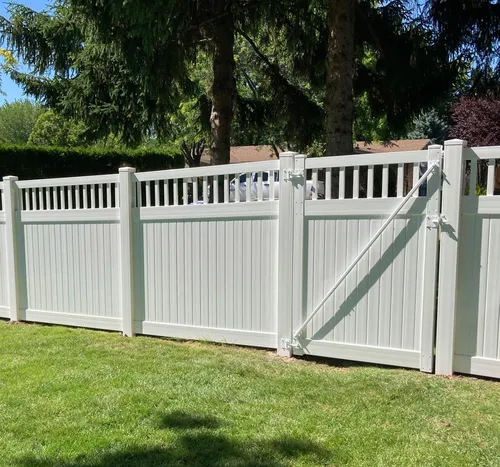
Superior Fence & Rail
405 E 20th St, Norfolk, VA 23504
Superior Fence & Rail is a fence installation contractor based in Virginia Beach, VA. They provide custom fencing solutions designed to offer privacy and safety, with on-site quotes tailored to each yard. Their services focus on transparent pricing and personalized installation to meet customer needs.
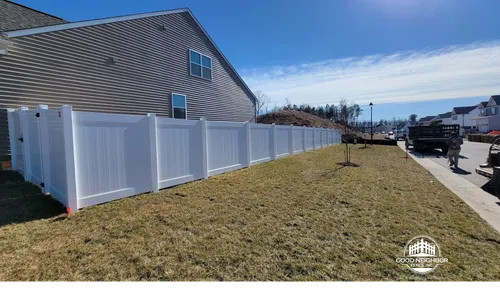
Good Neighbor Fence
1352 Mountain Rd, Glen Allen, VA 23060
Good Neighbor Fence is a fence installation contractor based in Richmond, VA, serving the greater Richmond area including Mechanicsville, Chesterfield, Fredericksburg, Henrico, and Williamsburg. They specialize in installing a variety of fence types such as chain link, aluminum, vinyl, and custom wood fences tailored to fit the landscape. The company has been serving the region since 2006 and is known for completing installations typically within one to two days. Their team includes experienced owners, salespeople, and installers who focus exclusively on fencing, ensuring detailed knowledge and quality craftsmanship.
Mister Fence, Inc.
1133 Alexander Ln, Chesapeake, VA 23322
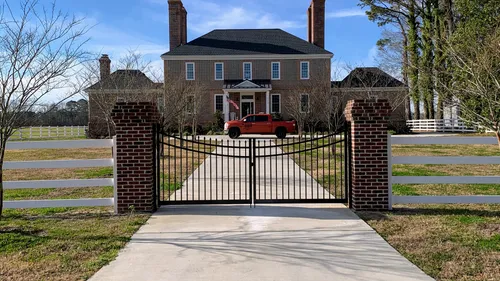
Mister Fence, Inc. is a licensed fencing contractor serving Virginia Beach, VA. They specialize in installing wood, vinyl, aluminum, and chain link fences, along with fence staining and painting to maintain durability and appearance. The company focuses on delivering precise installations tailored to the local environment and customer needs. Their expertise covers a variety of fencing options suitable for both residential and commercial properties in the Virginia Beach area.
Chesterfield Fencing & More, LLC
2471 Goodes Bridge Rd, Richmond, VA 23224
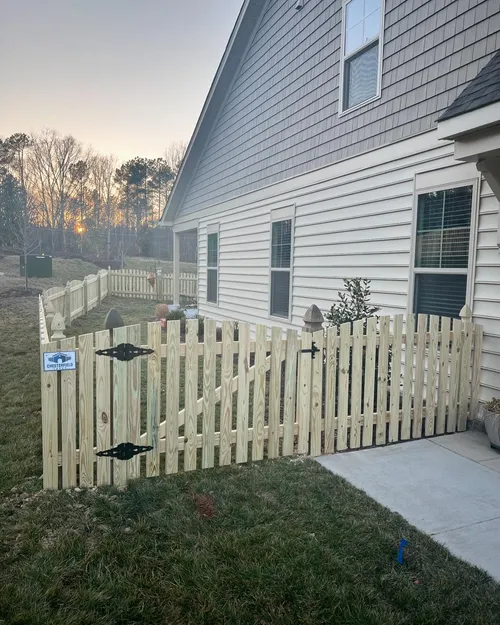
Chesterfield Fencing & More, LLC is a fence installation contractor based in Richmond, VA. They provide custom fencing solutions for residential and commercial properties throughout Richmond and surrounding counties including Chesterfield, Henrico, and Powhatan. The company specializes in a variety of fence types, combining high-quality materials with expert craftsmanship to ensure durability and style suited to local architectural and climate conditions. Their certified installers handle the entire process from design to completion, backed by a workmanship warranty. Chesterfield Fencing & More also offers deck and pergola construction to enhance outdoor living spaces.
Understanding Virginia's Fence Regulations
Before you break ground, it's crucial to understand that fence rules in Virginia are primarily governed by local city and county ordinances, not a single statewide law. These local regulations dictate critical aspects of your project, and ignoring them can lead to costly corrections or removal orders 1.
The most common regulations concern height and placement:
- Front Yards: Typically limited to a maximum of 4 feet in height. Many localities further restrict the design in front yards, often requiring open or semi-open styles (like picket or split-rail) to maintain visibility and neighborhood aesthetics.
- Side & Rear Yards: Usually allow fences up to 6 or 7 feet tall, providing more privacy for these areas.
- Corner Lots: Face stricter rules. On any street-facing side, height is often severely limited-sometimes to 42 inches or less-to ensure clear sightlines for traffic safety 2.
- Setbacks: Many jurisdictions require fences to be set back a specific distance from property lines, sidewalks, or driveways. A common rule is a 1-foot setback for every 1-foot of fence height 3 4.
Always contact your local zoning or permitting office with your specific address to get the exact requirements before finalizing plans or purchasing materials 5.
Navigating HOA Rules and Property Lines
Beyond city or county rules, two other critical checks are necessary.
Homeowners Associations (HOAs): If your property is part of an HOA, its covenants, conditions, and restrictions (CC&Rs) will almost certainly include fencing guidelines. These can be more stringent than local laws, governing not just height and placement but also material, color, and style. Approval from your HOA's architectural review committee is typically required before installation can begin.
Property Lines: You are legally required to build your fence entirely on your own property. Relying on old assumptions or visual markers can lead to disputes with neighbors. The only sure way to know your property's exact boundaries is to reference a recent property survey or hire a licensed surveyor to mark the lines. This upfront step prevents costly legal issues and potential moving of the fence later 6.
Choosing the Right Fencing Material for Your Needs
The material you choose will significantly impact your fence's cost, appearance, durability, and maintenance requirements. Here's a breakdown of popular options in Virginia:
- Chain-Link: The most affordable option, ranging from $8 to $15 per linear foot for materials and installation 7. It's durable, low-maintenance, and provides security but offers little privacy or aesthetic enhancement unless supplemented with slats or vines.
- Wood (Pressure-Treated Pine, Cedar): A classic choice offering good privacy and a natural look. Pressure-treated pine is cost-effective, while cedar offers better natural resistance to rot and insects. Wood fences generally fall in the $15 to $30+ per linear foot range, depending on the wood type, height, and design complexity 8. The main drawback is ongoing maintenance, including staining or sealing every few years.
- Vinyl/PVC: Gaining popularity for its durability and minimal upkeep. It won't rot, warp, or need painting, though it can become brittle in extreme cold. Vinyl typically comes at a higher initial cost than wood or chain-link but can be more economical over its lifespan due to near-zero maintenance.
- Aluminum: Offers the elegant look of wrought iron without the rust or heavy maintenance. It's strong, durable, and available in various decorative styles. Aluminum fencing sits in the mid-to-high price range and is an excellent choice for decorative borders, pool enclosures, or where visibility is desired.
Find the perfect fence installers for your needs
Get personalized recommendations and expert advice
Breaking Down the Costs of Fence Installation
The total cost of your fence project is influenced by several factors, with material and labor being the two largest components.
Primary Cost Drivers:
- Materials: This is the single biggest expense. As outlined above, material choice (chain-link, wood, vinyl, aluminum) creates the base price range per linear foot.
- Labor: Professional installation typically accounts for about 50% of the total project cost 9. Labor covers site preparation, post-hole digging, setting posts in concrete, assembling panels or pickets, and installing gates.
- Project Size & Complexity: The total linear footage is a straightforward multiplier. However, complexity adds cost. This includes sloping terrain (requiring stepped or racked panels), adding gates (each can add $150 or more), and removing old fencing or clearing brush 10 11.
- Permits & Surveys: Don't forget to budget for any required local permits. If your property lines are unclear, investing in a professional survey (which can cost several hundred dollars) is a wise and necessary expense to avoid future disputes 12.
The Installation Process and Professional Tips
A professional installation follows a standard process to ensure longevity and compliance:
- Consultation & Planning: A reputable installer will visit your property to discuss goals, take measurements, identify potential obstacles (like utility lines), and review local/HOA rules.
- Layout & Marking: The proposed fence line is marked, often using spray paint or flags. This is the time to double-check placement with neighbors.
- Post Installation: Holes are dug, typically 24-36 inches deep (or below the local frost line) for stability. Posts are set in concrete, which must cure properly-this is the most critical step for a fence's strength and longevity.
- Framing & Infill: Once posts are secure, horizontal rails are attached, followed by the infill material (pickets, panels, or chain-link fabric).
- Gates & Finishing: Gates are hung and adjusted for smooth operation. For wood fences, finishing touches like post caps are added, and a protective stain or sealant may be applied.
Key Tip: Some local codes, like in Suffolk, VA, require that the "finished" or more attractive side of the fence face your neighbor or the public street. A professional installer will know and adhere to these local nuances.
Long-Term Maintenance Considerations
Your responsibility doesn't end once the fence is up. Planning for maintenance will extend its life and keep it looking great.
- Wood Fences: Require the most upkeep. Plan to clean, stain, or seal every 2-4 years to protect against Virginia's humidity, sun, and rain. Regularly check for loose boards, rot at the base of posts, or insect damage.
- Vinyl Fences: Primarily need occasional cleaning with soap and water to remove dirt, mildew, or pollen. Inspect for cracks, especially after severe weather.
- Aluminum & Chain-Link: Are very low-maintenance. Occasional rinsing and checking for rust spots (which should be sanded and touched up with paint) are usually sufficient.
Investing in a quality installation with proper materials suited to your specific location in Virginia is the best way to ensure your new fence is a valuable and trouble-free addition to your home for years to come.
Frequently asked questions
Sources
Footnotes
-
Fences - Prince William County - https://www.pwcva.gov/department/land-development-division/fences ↩
-
FAQs • Are there permit, height, or location requirements fo - https://www.spotsylvania.va.us/Faq.aspx?QID=504 ↩
-
September 2024 - Code Compliance Corner - Fairfax County - https://www.fairfaxcounty.gov/code/september-2024-code-compliance-corner ↩
-
Frequently Asked Questions - CivicPlus.CMS.FAQ - Waynesboro, VA - https://www.waynesboro.va.us/Faq.aspx?QID=102 ↩
-
VirginiaFenceLaw | Fencing Contractor in Northern Virginia - https://www.nvdeck.com/virginia-fence-law ↩
-
Fences - Suffolk, VA - https://www.suffolkva.us/443/Fences ↩
-
How Much Does a Fence Cost in Richmond, VA? [2025 Guide] - https://www.chesterfieldfencingandmore.com/blog/fence-cost-in-richmond/ ↩
-
Fence Cost in Richmond, VA (2026): Budget & Price Guide - https://www.chesterfieldfencingandmore.com/blog/fence-cost-richmond-va-2026/ ↩
-
Figuring up What a Fence Cost Will Be for Your Home in Northern, VA - https://carterfence.net/figuring-up-what-a-fence-cost-will-be-for-your-home-in-northern-va/ ↩
-
Professional Fence Installation Tips for Homeowners in ... - https://toprailfences.com/charlottesville/blog/fence-installation/fence-installation-tips-charlottesville/ ↩
-
How Much Does Fence Installation Cost? [2026 Data] | Angi - https://www.angi.com/articles/how-much-does-fence-installation-cost.htm ↩
-
Your Legal Guide to Installing a Fence in Virginia - https://ruggedfence.com/blog/your-legal-guide-to-installing-a-fence-in-virginia/ ↩