Find the Best Fence Installers for Your Business
No obligation • Fast responses • Nationwide coverage

Why you can trust Landscape Atlas
Landscape Atlas is a leading United States resource for evaluating landscaping, lawn care, and outdoor service providers. Our team researches each category in depth, focusing on service quality, safety, and customer experience. Listings and rankings are based on independent criteria and user feedback, and companies cannot pay to influence our assessments or recommendations.
Search providers near you
Top Fence Installers in Spokane Valley, Washington Ranked
Adding a fence to your Spokane Valley property is a significant investment that enhances privacy, security, and curb appeal. Whether you're looking to define your property line, create a safe space for children and pets, or simply add a decorative touch to your landscape, understanding local regulations and material options is crucial. This guide provides a detailed overview of what you need to know about residential fencing in Spokane Valley, from navigating city codes to selecting the right materials for your needs and budget.
Cornerstone Landscape, LLC
Spokane, WA
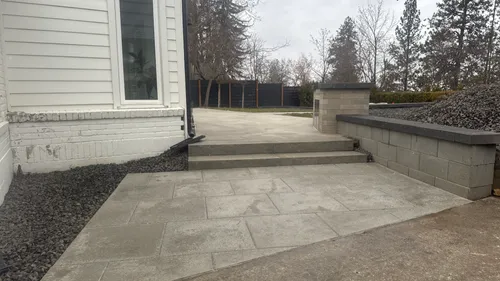
Cornerstone Landscape, LLC is a landscaping company based in Spokane, WA, offering a wide range of services including sod and artificial turf installation, fence installation, landscape design, sprinkler system installation and repair, and hardscaping such as patios and retaining walls. They serve residential clients in Spokane and the surrounding areas, providing custom outdoor living spaces like pergolas and waterfall features. Their expertise includes comprehensive patio services and sprinkler system maintenance, ensuring well-designed and functional outdoor environments.
S&S Fencing
Spokane, WA
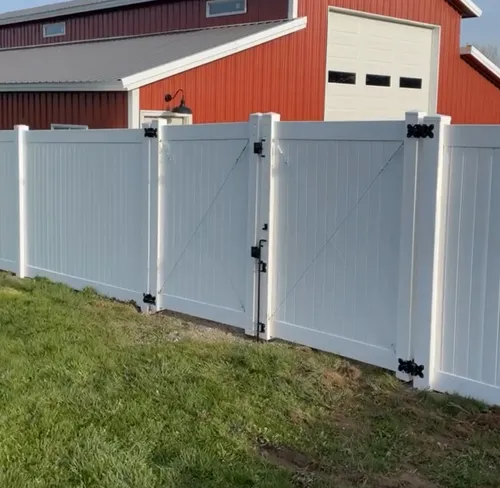
S&S Fencing is a fence installation contractor based in Spokane, WA. They offer a range of fencing services including new fence installations, fence staining, and gate additions for both residential and commercial properties. With years of experience, the company focuses on providing customized fencing solutions to meet various customer needs.

Mr. Handyman of Spokane
9608 E Montgomery Ave Suite 13, Spokane Valley, WA 99206
Mr. Handyman of Spokane offers a wide range of home maintenance and repair services in Spokane, WA. Their skilled professionals handle projects including drywall repair, door and window installation, carpentry, plumbing, painting, flooring, and landscape design. They also provide specialized services such as safety and mobility upgrades, assembly, and power washing. With an average of over 10 years of experience among their technicians, Mr. Handyman focuses on delivering reliable solutions for both residential and commercial properties. Their service area includes Spokane and surrounding communities, ensuring broad local coverage.
All-Star Fence Company - LLC
903 E Pacific Ave, Spokane, WA 99202
All-Star Fence Company - LLC is a locally owned and operated fence installation contractor based in Spokane, WA. They provide a wide range of fencing solutions including vinyl, privacy, chain link, wood, ornamental steel, and aluminum fences. Their services cover both residential and commercial properties, with options for custom designs and DIY fence material packages. With over 15 years of experience, All-Star Fence Company emphasizes quality craftsmanship and premium fence products suited to Spokane's climate. The company is fully licensed, insured, and certified, offering financing options and hassle-free estimates.
Meraki Construction
Spokane, WA
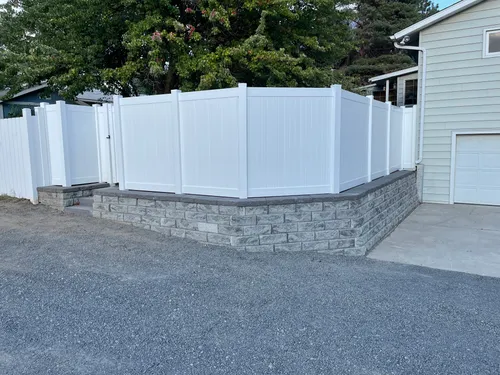
Meraki Construction is a fencing and decking contractor serving Spokane, WA, and nearby Colbert. They provide custom fencing installation, automated gate installation, fencing repairs, and custom deck installation to enhance outdoor living spaces and property security. Their services include professional installation, groundwork support, and DIY packages with quality materials. Meraki Construction emphasizes clear communication, craftsmanship, and customization to meet individual client needs.
Understanding Spokane Valley Fence Regulations
Before you start planning your fence project, it's essential to familiarize yourself with the local rules. Spokane Valley has specific ordinances governing fence height, location, and materials to ensure safety, visibility, and neighborhood aesthetics. Ignoring these can lead to costly corrections or removal orders.
The most critical regulations concern fence height, which varies based on your yard's location.
- Front Yards: For sight-obstructing fences (like solid wood or vinyl), the maximum height is typically 3 feet. For non-sight-obstructing fences (such as standard chain link), the limit is usually 4 feet within the required front setback area.
- Side and Rear Yards: In these areas, you can generally build a fence up to 7 feet tall without a permit. If you need a fence between 7 and 8 feet tall, a permit and possibly engineered plans are required.
- Setbacks: Fences built within the required front yard setback (the area between your house and the street) are subject to the shorter height limits mentioned above. It's important to know your property's exact setback lines.
- Measuring Height: On sloped lots, the fence height is measured from the lowest finished grade on the side facing your neighbor or the public right-of-way.
Always verify the exact requirements for your specific lot by contacting the Spokane Valley Planning Department, as corner lots or unique property shapes can have additional rules 1 2 3.
Choosing the Right Fence Material
The material you choose will define your fence's appearance, durability, maintenance needs, and cost. Spokane Valley homeowners have several popular options, each with distinct advantages.
Wood Fencing
Wood is a classic and versatile choice, offering a natural look that complements many architectural styles. Cedar and pressure-treated pine are common for their resistance to rot and insects. Wood fences are excellent for creating a private, solid barrier and can be stained or painted to match your home. However, they require regular maintenance, such as sealing or staining every few years, to protect against Spokane's weather.
Vinyl Fencing
Vinyl fencing has become increasingly popular due to its low-maintenance benefits. It doesn't need painting, staining, or sealing and can be easily cleaned with soap and water. Modern vinyl fences are durable, resisting cracking, peeling, and insect damage. They are available in privacy, picket, and ranch rail styles, often mimicking the look of painted wood without the upkeep 4.
Chain Link Fencing
For a budget-friendly, durable, and functional option, chain link is a strong contender. It provides security without blocking views or light, making it a good choice for containing pets or defining a boundary. For added privacy or aesthetic improvement, you can install vinyl slats through the links or opt for a vinyl-coated chain link in colors like black or green.
Ornamental Metal Fencing
For security with elegance, ornamental fences made of aluminum or wrought iron are top choices. Aluminum is lightweight, rust-resistant, and often powder-coated for durability. Wrought iron is extremely strong and offers a timeless, decorative look. Both options provide a high level of security while maintaining an open, decorative feel that enhances curb appeal.
Composite Fencing
Composite materials, made from a blend of wood fibers and plastics, offer the aesthetic appeal of wood with minimal maintenance. They are highly durable, resistant to rot, insects, and fading, and don't require painting. While typically at a higher price point, their longevity and appearance make them a valuable long-term investment 5.
Privacy Fences vs. Decorative Fences
Your primary goal will often dictate the style of fence you choose.
Privacy fences are designed to create a secluded outdoor living space. They are typically solid, tall (often 6 to 8 feet), and constructed from materials like wood, vinyl, or chain link fitted with privacy slats. The key is to create a visual barrier from neighbors and street traffic, making your backyard a true retreat.
Decorative fences, such as picket, ranch rail, or ornamental metal, focus on aesthetics and boundary definition rather than creating a solid wall. A white vinyl picket fence adds classic charm, while an aluminum ornamental fence provides security with decorative scrollwork. These styles enhance your home's curb appeal without fully enclosing the space.
Find the perfect fence installers for your needs
Get personalized recommendations and expert advice
Planning and Cost Considerations for Your Project
A successful fence installation involves careful planning and a clear understanding of costs. Start by clearly marking your property lines, either through a recent survey or by hiring a professional surveyor. This step is crucial to avoid disputes with neighbors. Next, decide on the fence's purpose, style, and material, keeping the local Spokane Valley codes in mind.
Costs for fence installation in Spokane Valley vary significantly based on material, height, linear footage, and terrain complexity. Prices are often quoted per linear foot, installed. Here is a general cost range based on common materials 6:
- Chain Link: $9 - $30 per linear foot
- Wood: $15 - $45 per linear foot
- Vinyl: $15 - $60 per linear foot
- Ornamental Aluminum: $30 - $50 per linear foot
- Wrought Iron: $35 - $70+ per linear foot
Remember to factor in the cost of gates, post caps, and any special finishes. It's highly recommended to obtain detailed written estimates from several licensed and insured local fence contractors. A reputable installer will handle permit applications (if needed), ensure the fence is built to code, and provide a warranty on both materials and labor.
Working with Professional Fence Contractors
Choosing the right professional is as important as choosing the right material. Look for a contractor with a strong local reputation, verifiable references, and proper licensing and insurance for Washington State. They should be knowledgeable about Spokane Valley's specific fence regulations and willing to pull any necessary permits on your behalf.
A professional will assess your property's slope, soil conditions, and layout to recommend the best installation methods. They can also advise on practical details, like orienting the "good" side of the fence toward your neighbor (often a local requirement or courtesy) and ensuring gates swing correctly. Their expertise can prevent common issues like premature post rot or sagging gates, ensuring your fence is beautiful and built to last.
Maintaining Your Spokane Valley Fence
Protecting your investment requires some routine care. For wood fences, inspect annually for loose boards, rot, or insect damage, and reapply sealant or stain as needed. Vinyl fences mainly need an occasional wash with a garden hose or mild detergent to remove dirt and mildew. Metal fences should be checked for rust spots, which can be sanded and touched up with matching paint. For all fence types, keep vegetation trimmed back and ensure sprinkler heads aren't constantly spraying directly onto the fence material, as consistent moisture can shorten its lifespan.
Frequently asked questions
Sources
Footnotes
-
Installing a Fence / Residential Standards in Construction - https://spokanevalleywa.gov/DocumentCenter/View/504/Residential-Fencing-Standards-PDF ↩
-
Fences for Residential Zones Guide - City of Spokane - https://static.spokanecity.org/documents/business/resources/guidesheets/construction/fence-guide-for-residential-zones.pdf ↩
-
Ordinance 20-003 Fencing Regulations - Spokane Valley - https://laserfiche.spokanevalley.org/WebLink/DocView.aspx?id=416705&dbid=0&repo=SpokaneValley ↩
-
The Top Residential Vinyl Fence Styles for 2025 - https://agvinylfencing.com/residential-vinyl-fence-guide/ ↩
-
Fencing Spokane Wa - Quality Fence Company in Spokane Wa - https://fencingspokanewa.com/ ↩
-
How Much Does A New Fence Installation Cost? - https://spokanevalleyfenceinstallers.com/fence-cost/ ↩