Find the Best Hardscaping Contractors for Your Business
No obligation • Fast responses • Nationwide coverage

Why you can trust Landscape Atlas
Landscape Atlas is a leading United States resource for evaluating landscaping, lawn care, and outdoor service providers. Our team researches each category in depth, focusing on service quality, safety, and customer experience. Listings and rankings are based on independent criteria and user feedback, and companies cannot pay to influence our assessments or recommendations.
Search providers near you
Top Hardscaping Contractors in Davis, California Ranked
Transforming your outdoor space with permanent, non-living features like patios, walkways, and retaining walls is a significant investment that enhances your home's value and livability. In Davis, this process-often called hardscaping or masonry work-requires specialized knowledge of the local climate and soil conditions to ensure a durable and functional result. This guide will help you understand the key considerations for your project and how to connect with skilled professionals who can navigate Davis's unique environmental challenges.
Black Diamond Paver Stones & Landscape, Inc.
1111 Howe Ave #535, Sacramento, CA 95825
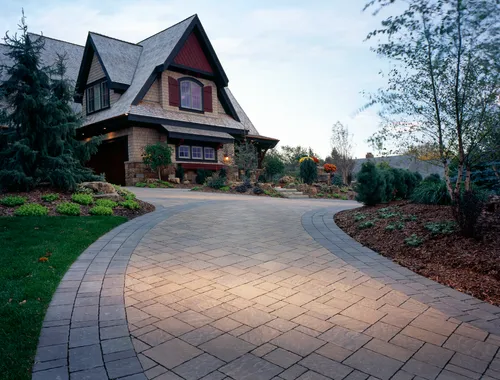
Black Diamond Paver Stones & Landscape, Inc. is a family-owned landscaping and hardscaping company serving Sacramento, CA. With over 20 years of experience, they provide a range of services including paver stone installation, artificial turf, landscape lighting, outdoor kitchens, and custom hardscape features such as retaining walls and pergolas. Their expertise includes durable driveway and patio designs using paver stones, which come with a 27-year installation warranty and a lifetime manufacturer warranty. The company emphasizes quality craftsmanship and comprehensive project design support throughout the installation process.
CA Pro Concrete
2020 Hurley Way # 185, Sacramento, CA 95825
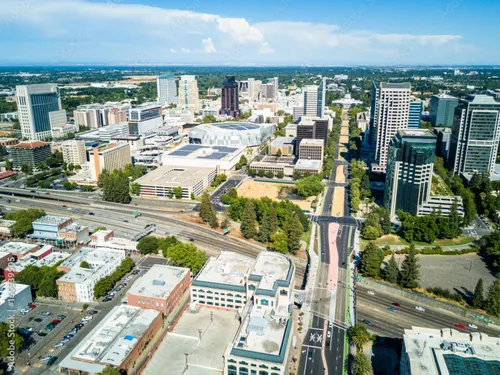
CA Pro Concrete is a concrete service company based in Sacramento, CA, offering a range of residential and commercial concrete solutions. Their services include concrete driveways, patios, pool decks, steps, walkways, slabs, grading, and demolition. With over 15 years of experience, they have completed numerous projects in Sacramento and surrounding areas, providing skilled craftsmanship and expertise in concrete installation and repair. CA Pro Concrete is equipped to handle various concrete projects, ensuring durable and precise results.
System Pavers
3035 Prospect Park Dr #110, Rancho Cordova, CA 95670
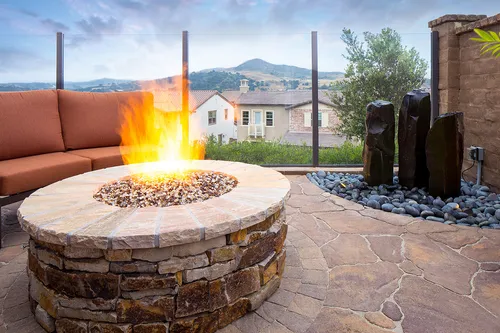
System Pavers is a landscaping and hardscaping company based in Sacramento, CA. They specialize in designing and installing outdoor spaces including paver driveways, patios, artificial turf, decks, and landscape lighting. The company offers personalized design consultations and uses premium materials backed by industry-leading warranties. With over 30 years of experience since 1992, System Pavers provides durable and customizable outdoor solutions that add value to properties.
Caligreen Landscaping
4970 unit B Jackson St, North Highlands, CA 95660
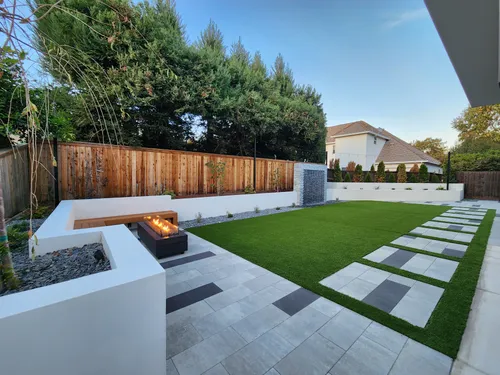
Caligreen Landscaping is a full-service landscaping company based in Sacramento, CA. They specialize in custom outdoor spaces, including sod and artificial turf installation, fence installation, landscape lighting, tree services, and hardscaping such as pavers and retaining walls. Their approach emphasizes thoughtful planning, clear communication, and quality craftsmanship to create functional and attractive landscapes tailored to each client's needs. Caligreen Landscaping works closely with designers when detailed drawings or 3D visuals are needed to ensure the final result matches the vision. They serve Sacramento and nearby communities, delivering projects that range from patios and retaining walls to custom lighting and water-saving plant installations.
Total Turf
5740 Roseville Rd # B, Sacramento, CA 95842
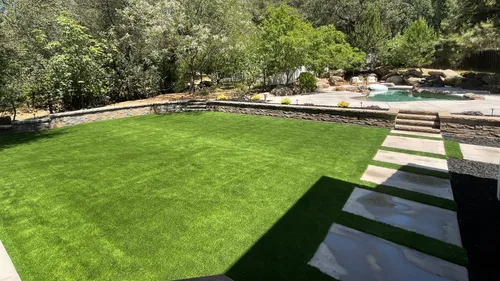
Total Turf is a licensed and insured landscaping contractor based in Sacramento, CA, specializing in artificial turf installation, sod replacement, and hardscaping services such as pavers and retaining walls. Serving residential and commercial clients, they offer solutions including putting greens, dog runs, playground surfaces, sports fields, and commercial landscaping projects. With over 45 years of combined turf experience and operating since 2017, Total Turf provides professional turf installation using high-quality, made-in-America products.
Understanding Davis's Hardscaping Environment
Successful outdoor construction in Davis starts with a deep understanding of the local terrain and weather. The city's distinct conditions directly influence material choices, installation methods, and long-term project viability.
The Challenge of Clay Soil
A primary factor for any landscape construction project in Davis is the prevalence of heavy, expansive clay soil, especially in South Davis and older neighborhoods. This dense soil presents a dual challenge: it retains water during the wet winter months, leading to potential pooling and flooding, and then shrinks and cracks during the hot, dry summer. This cycle of expansion and contraction can wreak havoc on improperly installed hardscapes, causing settling, cracking, and heaving. Any patio or pathway installation must account for this movement with a properly prepared, stable base.
Climate Considerations: From Frost to Extreme Heat
Davis experiences a Mediterranean climate with its own set of extremes. While winters are generally mild, frost events do occur and can affect materials that are not rated for freeze-thaw cycles 1. More impactful is the intense summer heat. Surface temperatures on dark, non-porous materials can become unbearably hot, making material selection for patios and seating areas crucial for comfort. Furthermore, the long dry season underscores the importance of drought-tolerant, low-maintenance designs that align with water-conscious landscaping principles 2.
Essential Hardscape Elements and Material Choices
Selecting the right materials is about balancing aesthetics, functionality, durability, and climate suitability. Here's a breakdown of popular options for Davis properties.
Patios: Your Outdoor Living Room
The patio serves as the foundation for outdoor entertainment and relaxation. Given the heat, materials that stay cooler underfoot are highly desirable.
- Concrete Pavers: Arguably the most popular choice for patio installations in Northern California. Pavers are individual units that create a flexible surface capable of accommodating ground movement from clay soil without cracking. Brands like Calstone and Belgard offer a wide range of styles. Installation costs typically range from $20 to over $40 per square foot, depending on pattern complexity and material grade 3.
- Natural Stone & Flagstone: For a high-end, unique look with excellent heat resistance, natural stone is a premier option. Its natural thermal properties help it stay cooler than concrete in direct sun, and no two patios are alike 4.
- Stamped & Colored Concrete: This poured concrete option provides a durable and often more cost-effective unified surface with extensive design flexibility. However, it is a rigid system and can develop hairline cracks if the substrate is not meticulously prepared to handle soil movement 5.
Walkways and Paths: Connectivity and Permeability
Paths guide movement through your landscape. In Davis, permeability is a key consideration to help manage stormwater runoff and reduce strain on drainage systems.
- Permeable Pavers: These specially designed pavers allow water to seep through the joints and into a gravel base below, directly addressing drainage concerns and often aligning with local best management practices 6.
- Decomposed Granite (DG): A very popular, affordable, and permeable material for pathways in drought-tolerant landscapes. It provides a rustic, natural look and is relatively inexpensive to install, often costing between $5 and $10 per square foot.
- Flagstone Steppers: Setting large flagstones into a bed of gravel or DG creates an attractive, permeable walkway that combines formal material with informal spacing.
Retaining Walls: Function and Form
Walls are critical for managing slopes, creating level planting areas, and preventing erosion. On sloped Davis properties, they are often a necessary structural element 7.
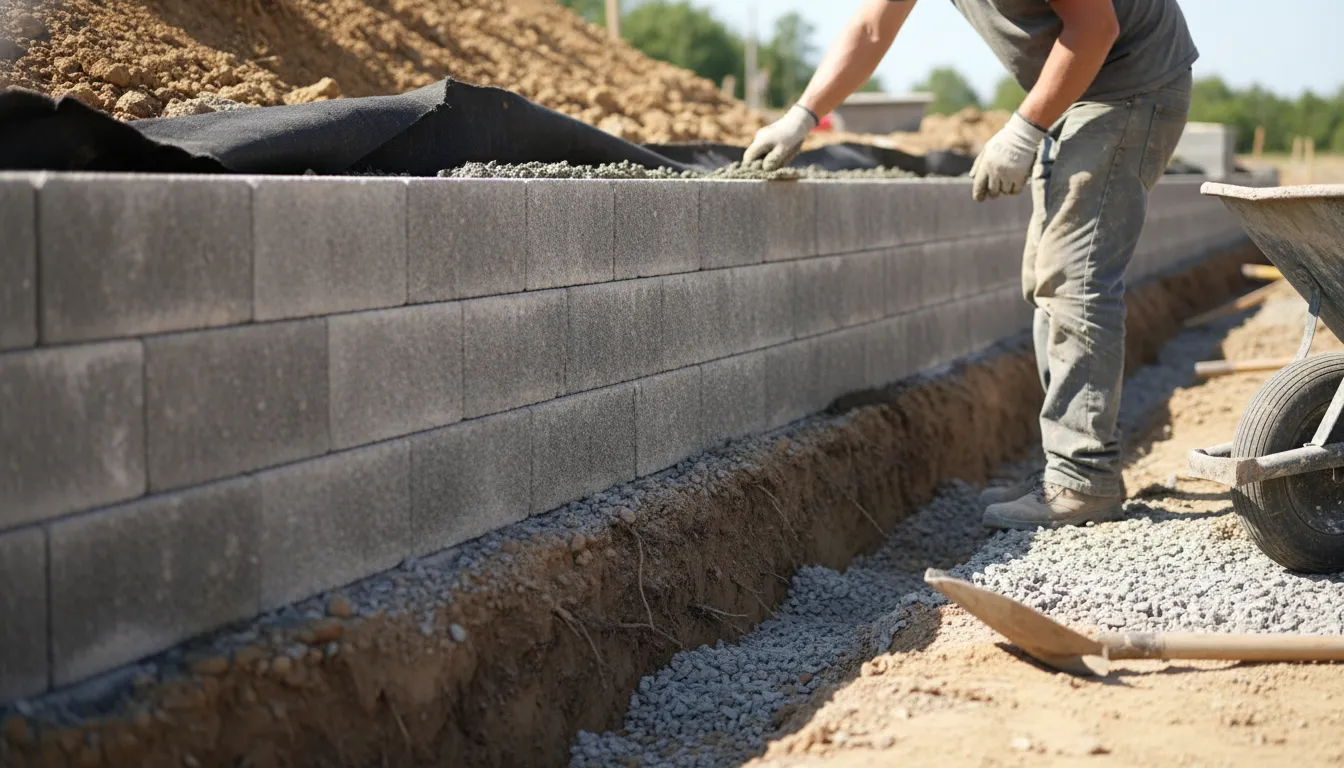
- Segmental Retaining Wall (SRW) Blocks: These are the industry standard for most residential projects. Interlocking concrete blocks are engineered for strength, ease of installation, and built-in drainage behind the wall face. They are essential for handling the pressure of Davis's clay soils 8. Costs vary widely based on height and block type, generally starting around $50 per linear foot and increasing from there 9.
- Natural Stone Walls: Built with boulders or cut stone, these walls offer a timeless, natural aesthetic but require significant skill to construct properly and are typically more expensive than SRW blocks.
Find the perfect hardscaping contractors for your needs
Get personalized recommendations and expert advice
Critical Installation Factors for Longevity
A beautiful design is only as good as its installation. In Davis, several technical factors are non-negotiable.
Drainage: The Most Important System
Proper drainage is not an add-on; it is integral to every hardscaping project. Without it, water will undermine bases, saturate soils behind walls, and create persistent problems 10.
- Positive Grading: All surfaces must slope away from your home's foundation at a minimum pitch (typically 2%) to direct water toward landscaped areas or drainage systems 11.
- Subsurface Solutions: For areas with persistent water, French drains (gravel-filled trenches with perforated pipe) are a common solution to intercept and redirect groundwater 12.
- Permeable Design: Utilizing permeable materials and directing downspouts into rain gardens or dry creek beds helps manage runoff sustainably, a practice encouraged by local resources 13.
Base Preparation: Building on a Solid Foundation
The longevity of your patio or walkway hinges on what lies beneath. For clay soils, this means excavating to a sufficient depth and replacing unstable native soil with a compacted base of road base (aggregate base rock). This stable layer distributes weight, prevents settling, and, when combined with a bedding layer of sand, provides a level surface for pavers or stone 14.
Expansion and Control Joints
For large areas of poured concrete, control joints (planned grooves) are strategically cut into the surface. These joints control where the concrete will crack as it expands and contracts with temperature changes, creating a neat, linear break instead of a random, jagged one 15.
Planning Your Project with a Professional
Given these complexities, working with an experienced hardscaping contractor is invaluable. They can help with:
- Site Analysis: Assessing soil type, slope, drainage patterns, and microclimates in your yard.
- Design Integration: Ensuring new hardscape complements your home's architecture and existing softscape.
- Material Selection: Recommending the best products for your budget, style, and functional needs.
- Permitting and Regulations: Navigating any local requirements, especially for drainage or structural walls.
- Engineering: For tall retaining walls (generally over 4 feet), a professional may need to provide or consult on an engineering plan to ensure safety.
Frequently asked questions
Sources
Footnotes
-
Frost Protection - Department of Land, Air and Water Resources - https://www.lawr.ucdavis.edu/frost-protection ↩
-
to Landscape Design - California Water Efficiency Partnership - https://calwep.org/wp-content/uploads/2019/02/G3-APLD-Book_updated.pdf ↩
-
Selecting the Right Pavers for Your Outdoor Spaces - https://yavapailandscaping.com/what-factors-should-be-considered-when-selecting-pavers-for-a-specific-project/ ↩
-
Best Materials for Patios and Walkways in Southern California - https://www.deloyamasonry.com/post/best-materials-for-patios-and-walkways-in-southern-california ↩
-
Pavers vs. Concrete Patios: 3 Considerations - Aspen Outdoor ... - https://aspenoutdoordesigns.com/pavers-vs-concrete-patios/ ↩
-
Using Hardscape to Enhance Water Drainage - https://hiltonlandscapesupply.com/hardscape-to-enhance-water-drainage/ ↩
-
Grading Work in Davis - Salens Landscaping - https://salens.com/grading-work-in-davis/ ↩
-
Hardscaping Materials, Methods, and Design - https://www.youtube.com/watch?v=t-ZO4WPcww8&t=16 ↩
-
What Does Landscaping Really Cost in Utah Valley? A Homeowner's Guide - https://uv-landscaping.com/blog/what-does-landscaping-really-cost-in-utah-valley-a-homeowners-guide/ ↩
-
What A Well Maintained Drainage System Has - Gardeners' Guild - https://www.gardenersguild.com/check-4-basics-of-landscape-drainage-for-rainy-season ↩
-
Landscaping & Lawn Care in Davis, CA - https://www.landscapingsacramentoca.com/landscaping-in-davis-ca ↩
-
Using Hardscape to Enhance Water Drainage - https://hiltonlandscapesupply.com/hardscape-to-enhance-water-drainage/ ↩
-
Climate-Ready Landscaping | City of Davis, CA - https://www.cityofdavis.org/city-hall/public-works-utilities-and-operations/environmental-resources/green-gardening ↩
-
Concrete to Cobblestone: Exploring Garden Path Materials - https://kndlandscaping.com/concrete-to-cobblestone-exploring-garden-path-materials/ ↩
-
HOME: What outdoor patio material is right for you? - https://www.youtube.com/watch?v=VsNFbw5cPbo&t=63 ↩