Find the Best Hardscaping Contractors for Your Business
No obligation • Fast responses • Nationwide coverage

Why you can trust Landscape Atlas
Landscape Atlas is a leading United States resource for evaluating landscaping, lawn care, and outdoor service providers. Our team researches each category in depth, focusing on service quality, safety, and customer experience. Listings and rankings are based on independent criteria and user feedback, and companies cannot pay to influence our assessments or recommendations.
Search providers near you
Top Hardscaping Contractors in Westminster, California Ranked
Hardscaping refers to the permanent, non-living elements of your landscape, such as patios, walkways, driveways, and retaining walls. In California, thoughtful hardscape design is crucial for creating beautiful, functional, and sustainable outdoor spaces that can withstand the state's unique climate challenges. This guide provides essential information on materials, costs, regulations, and design considerations to help you plan your project and connect with qualified local professionals for installation.
Gabriel´s Tree Service And Landscaping
11528 Felton Ave, Los Angeles, CA 90045
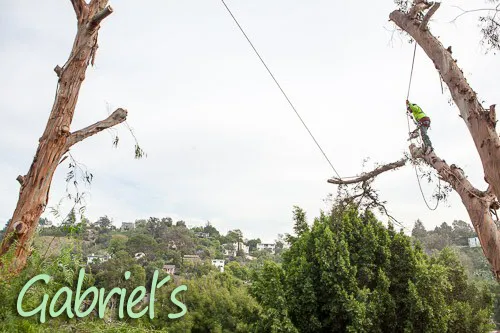
Gabriel's Tree Service And Landscaping is a full-service tree and landscaping company based in Los Angeles, CA. They offer a wide range of services including tree trimming, removal, stump grinding, emergency tree care available 24/7, landscape design, sprinkler installation and repair, land clearing, demolition, and hardscaping. Their certified arborists use professional equipment to safely manage tree emergencies and routine maintenance for residential and commercial properties. With over 20 years of experience, Gabriel's Tree Service And Landscaping also provides demolition services tailored to site preparation and renovation needs.
Greenplace Inc
2151 Pacific Ave A205, Costa Mesa, CA 92627
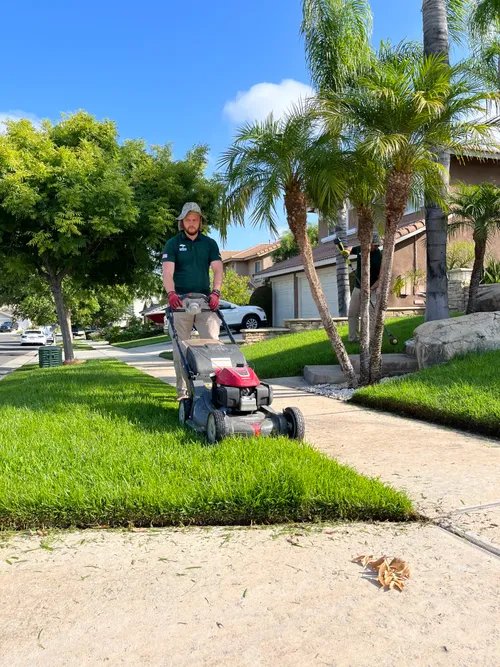
Greenplace Inc is a landscaping company based in Santa Ana, CA, offering a wide range of services including landscape design, hardscaping, lawn care, irrigation installation and repair, artificial turf, and yard drainage solutions. They serve both residential and commercial clients throughout Southern California, including Orange County and Los Angeles. Greenplace specializes in creating custom outdoor environments that combine aesthetic appeal with practical features such as smart irrigation systems to optimize water use. Founded by Volodymyr Dragan and Viktor Peshekhonov, the company emphasizes craftsmanship and long-term vision in their work. Their licensed team is known for detailed project management and responsiveness to client needs.
System Pavers
1730 W Cameron Ave #200, West Covina, CA 91790
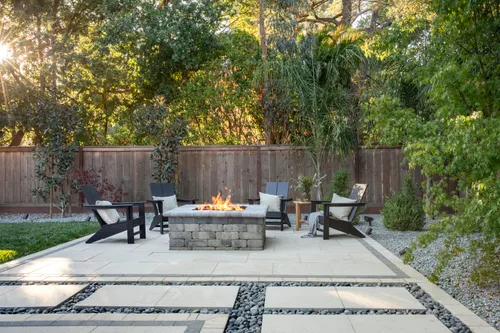
System Pavers is a landscaping and hardscaping company based in Los Angeles, CA. They specialize in designing and installing outdoor living spaces including paver driveways, patios, artificial turf, decks, and outdoor lighting. The company offers personalized design consultations and uses premium materials backed by industry-leading warranties. With over 30 years of experience since 1992, System Pavers provides durable and customizable outdoor solutions that add value to properties.
Thresher Turf
Long Beach, CA
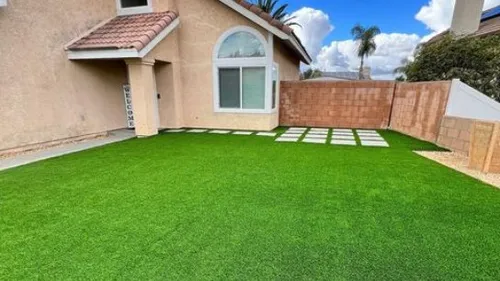
Thresher Turf is a landscaping company based in Long Beach, CA, specializing in outdoor space transformation. They provide a wide range of services including artificial turf installation, landscape design, tree removal, decorative rock and paver installations, as well as concrete demolition. Their team customizes each project to meet the unique preferences and needs of homeowners, using modern techniques and equipment to ensure quality results.
Left Coast Pavers
Los Angeles, CA
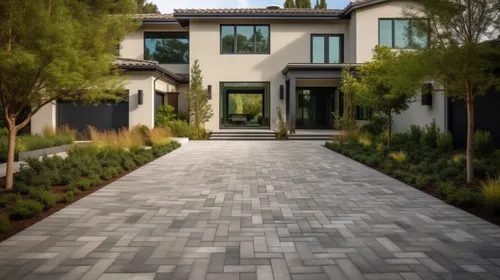
Left Coast Pavers is a hardscaping contractor based in Los Angeles, CA. They specialize in installing pavers and retaining walls using materials from Belgard and other natural and synthetic stone suppliers. The company serves clients in Orange County and Riverside County, offering expertise in selecting styles and materials to fit various projects.
Popular Hardscape Features for California Homes
California's diverse climate and lifestyle inspire a wide range of hardscape applications. These features add structure, usability, and aesthetic appeal to any property.
- Patios: Serving as outdoor living rooms, patios are a top priority. Popular materials include brick, natural stone (like flagstone), interlocking pavers, and concrete. Designs often incorporate spaces for dining, lounging, and amenities like built-in fire pits or outdoor kitchens.
- Walkways & Paths: These guide movement through your garden and connect different yard areas. Materials range from formal pavers and stepping stones to more casual, permeable options like gravel, decomposed granite, and flagstone, which blend well with naturalistic planting.
- Driveways: Beyond function, driveways significantly impact curb appeal. Californians are increasingly choosing pavers, stamped concrete, and permeable materials over standard asphalt for their durability and visual interest 1.
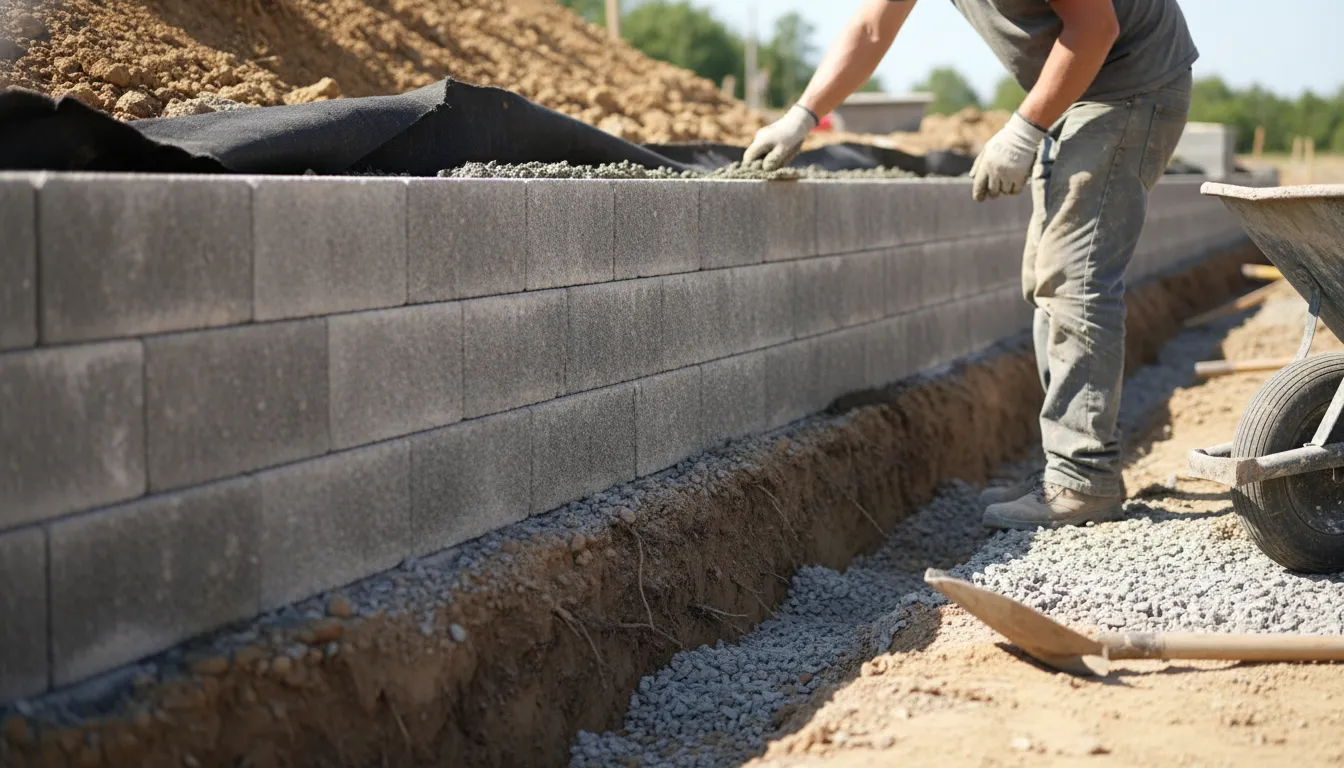
- Retaining Walls: Essential for managing slopes and creating level areas in hilly terrain, retaining walls can be built from stacked stone, concrete blocks, or timber. They are both functional and can be designed as striking landscape features 2.
Key Design Considerations for California Climates
Successful hardscaping in California requires planning around heat, water, and soil stability.
- Heat Management: Dark surfaces absorb and radiate heat. Opt for light-colored or reflective pavers, natural stone, or materials with a high Solar Reflectance Index (SRI) to keep your outdoor spaces cooler.
- Water Conservation & Drainage: Proper drainage is non-negotiable to prevent erosion and water damage. Incorporate permeable paving options like certain pavers or gravel to allow rainwater to replenish groundwater, reducing runoff 3. Always design with positive slope away from structures.
- Drought-Tolerant Integration: Hardscaping should complement a water-wise landscape. Use it to define planting beds for native and drought-tolerant plants, and consider integrating efficient drip irrigation lines during installation.
- Material Selection: Choose materials that can withstand full sun without fading or cracking and that suit your local microclimate. For example, decomposed granite is popular in dry areas but may not hold up as well in very rainy regions without proper stabilization.
Understanding Permits and Local Regulations
Many hardscaping projects require permits, and regulations can vary significantly by city or county. Ignoring these rules can lead to fines or being required to remove the work.
- When Permits Are Typically Required: You will likely need a permit for structural projects like retaining walls over a certain height (often 4 feet), for creating new or significantly enlarging driveways, and for any major grading that alters water flow 4. Projects that connect to existing drainage systems or municipal storm drains also usually require review.
- Common Local Guidelines: Many California municipalities have adopted strict landscape ordinances focused on stormwater management. Cities like Menifee and Sacramento County, for example, have design guidelines that may mandate a percentage of permeable surfaces, specific grading plans, and the use of approved plants and materials to manage runoff 5 6.
- The Professional Advantage: A reputable hardscaping contractor will be familiar with the permit process in your area. They can handle the paperwork, ensure plans meet local codes for setbacks, height, and drainage, and schedule required inspections. Always verify this capability before hiring.
Hardscaping Cost Overview in California
Costs are highly variable and depend on materials, project size, site accessibility, and labor. The following ranges provide a general benchmark; obtaining detailed quotes from contractors is essential.
- Overall Project Costs: Hardscaping projects typically range from $10 to $50 or more per square foot installed. A simple gravel path will be at the lower end, while a complex, multi-level patio with high-end natural stone and built-in features will reach the upper limits 7.
- Material-Specific Ranges:
- Walkways: Simpler materials like decomposed granite or gravel can cost $5-$15 per square foot, while paved walkways align more closely with patio costs 10.
- Retaining Walls: These are often priced by the linear foot or square foot of the wall face. Costs are influenced by height, material (concrete blocks vs. natural stone), and the need for excavation and drainage systems, making professional quotes crucial.
- Labor Factors: Labor rates in California often fall between $30 and $50+ per hour. However, most contractors bid by the project. Complexity, such as intricate patterns, difficult site access, or significant demolition of existing surfaces, will increase the total cost 11 12.
Find the perfect hardscaping contractors for your needs
Get personalized recommendations and expert advice
Planning and Executing Your Project
A well-planned project leads to a better outcome and a smoother process.
- Define Your Vision & Budget: Determine how you want to use the space and establish a realistic budget, including a contingency for unexpected issues.
- Research & Select Materials: Consider aesthetics, durability, maintenance, and climate suitability. Ask contractors for samples.
- Check Regulations: Contact your local city or county building department to understand permit requirements for your specific project before finalizing plans.
- Choose a Qualified Contractor: Look for licensed, insured professionals with specific experience in hardscaping. Review portfolios, check references, and ensure they understand local permit processes.
- Get a Detailed Contract: The contract should outline scope of work, materials (including brands, colors, quantities), payment schedule, timeline, and who is responsible for obtaining permits.
- Prepare for Installation: Clear the work area and discuss access with your contractor. Be prepared for noise, dust, and temporarily limited use of parts of your yard.
Long-Term Value and Maintenance
Investing in quality hardscaping not only enhances your daily living but can also boost your property's value. A well-designed patio or elegant driveway creates strong curb appeal and functional outdoor square footage that appeals to future buyers 13.
Maintenance is relatively low but important:
- Pavers: May require occasional re-sanding of joints and re-leveling over many years.
- Concrete: Should be sealed periodically to prevent staining and cracking.
- Stone & Brick: Generally low-maintenance but may benefit from sealing.
- Permeable Surfaces: Require periodic vacuuming or gentle washing to maintain drainage capacity.
- All Surfaces: Regular sweeping and prompt removal of stains or organic matter (like leaves) will keep your hardscape looking its best for decades.
Frequently asked questions
Sources
Footnotes
-
Hardscaping VS Paving, Madera, California - https://www.rlacyinterlockpavers.com/hardscape-articles/hardscaping-vs-paving ↩
-
Landscaping With Hardscapes | West Basin MWD, CA - https://www.westbasinca.gov/water-use-efficiency/resources/plants-gardens/landscaping-with-hardscapes ↩
-
Types of Hardscaping, Costs & Drawbacks - MySmartscaping - https://www.mysmartscaping.com/understanding-hardscaping-types-cost-effective-options-and-drawbacks/ ↩
-
Everything You Need to Know About Permitting and Materials for ... - https://acebuildingmaterials.com/everything-you-need-to-know-about-permitting-and-materials-for-california-builds/ ↩
-
Landscape Standards - City of Menifee - https://www.cityofmenifee.us/DocumentCenter/View/2247/DRAFT-Landscape-Standards ↩
-
Countywide Design Guidelines - Planning - https://planning.saccounty.gov/applicants/Documents/DesignReview/Countywide_Design_Guidelines_9.9.2022.pdf ↩
-
Innovative Hardscaping Ideas for Backyards - https://www.californiaext.com/transform-your-backyard-with-these-innovative-hardscaping-ideas ↩
-
The Best Patio Design company In California | SOD Home Group - https://sodhg.com/landscape-design/patio-design/ ↩
-
How Much Does Hardscaping Cost? - Outdoor Makeover - https://outdoormakeover.net/faq/how-much-does-hardscaping-cost/ ↩
-
10 Great California Landscaping Ideas for Your Front Yard (2025) - https://tamuradesigns.com/california-landscaping-ideas-front-yard/ ↩
-
Cost Of Landscaping in California - BuildOps - https://buildops.com/resources/cost-of-landscaping-in-california/ ↩
-
Small Job Landscaping Costs Los Angeles 2026 Guide - https://localservicecost.com/services/landscaper/california/los-angeles/ ↩
-
Hardscape Construction: 10 Powerful Ways to Boost Value 2025 - https://salcorplandscaping.com/hardscape-construction/ ↩