Find the Best Hardscaping Contractors for Your Business
No obligation • Fast responses • Nationwide coverage

Why you can trust Landscape Atlas
Landscape Atlas is a leading United States resource for evaluating landscaping, lawn care, and outdoor service providers. Our team researches each category in depth, focusing on service quality, safety, and customer experience. Listings and rankings are based on independent criteria and user feedback, and companies cannot pay to influence our assessments or recommendations.
Search providers near you
Best Hardscaping Contractors in Connecticut Ranked
Hardscaping involves the non-living, structural elements of your landscape, such as patios, walkways, driveways, and retaining walls. In Connecticut, these features are essential for creating functional, beautiful, and durable outdoor living spaces that can withstand the state's distinct seasons. Finding the right professional for your project is key to ensuring it is built to last, complies with local codes, and enhances your property's value. This guide provides the information you need to understand your options and connect with experienced local specialists.
What is Hardscaping?
Hardscaping refers to the built environment within your landscape. It forms the "bones" of your outdoor space, providing structure, definition, and usability. While landscaping involves plants and soil, hardscaping uses materials like pavers, natural stone, concrete, brick, and wood. Common projects include patios for entertaining, walkways for navigation, driveways for access, and retaining walls for managing slopes. A well-designed hardscape complements your home's architecture and softscape (plantings), creating a cohesive and inviting outdoor area 1.
Popular Hardscape Projects in Connecticut
Connecticut homeowners invest in hardscaping to extend their living space outdoors and address practical property needs. The climate and terrain influence the most popular project types.
Patios & Walkways
The patio is the centerpiece of outdoor living. In Connecticut, popular materials include:
- Concrete Pavers: Versatile, durable, and available in countless colors and shapes. They handle freeze-thaw cycles well when installed correctly.
- Natural Stone: Bluestone and flagstone offer a timeless, elegant look with unique color variations.
- Stamped Concrete: Provides the aesthetic appeal of stone or brick at a often lower initial cost, though it may require sealing and maintenance over time.
Walkways connect different areas of your yard, guiding guests and defining traffic flow. Materials should be chosen for both beauty and slip resistance, especially in snowy or rainy conditions 2.
Driveways
Beyond functionality, a driveway significantly impacts curb appeal. Connecticut homeowners are increasingly opting for:
- Permeable Pavers: An eco-friendly choice that allows rainwater to seep through the surface into the ground below, reducing runoff and helping with local stormwater management.
- Traditional Pavers or Stamped Concrete: These materials offer a major upgrade from plain asphalt or concrete, creating a grand entrance to your home.
Retaining Walls
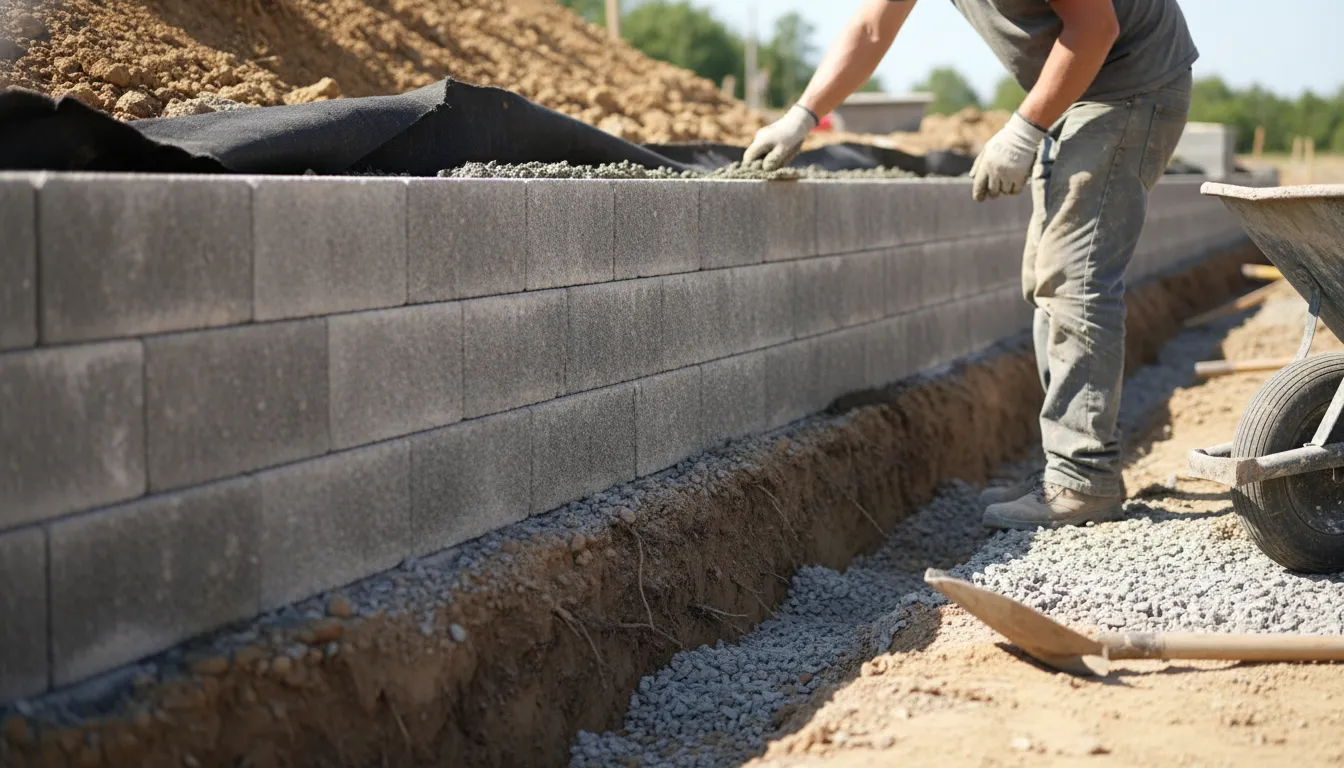
Essential for managing Connecticut's varied topography, retaining walls serve both practical and aesthetic purposes. They are used for:
- Erosion Control: Holding back soil on sloped properties.
- Terracing: Creating flat, usable spaces on hillsides for gardens or patios.
- Defining Spaces: Separating different "rooms" in your landscape, like a raised planting bed around a patio.
Walls can be built from natural stone, modular concrete blocks, or timber, each with different cost and aesthetic profiles 3.
Connecticut-Specific Considerations
The New England climate presents unique challenges that must be addressed in any hardscape design and installation.
Freeze-Thaw Cycles
This is the most critical factor for hardscape longevity in Connecticut. When water trapped in the ground freezes, it expands and can cause pavers to heave and crack, or walls to shift. Proper installation is non-negotiable and includes:
- Adequate Base Preparation: Excavating to the proper depth and installing a compacted base of gravel (often 4-12 inches deep) to allow for drainage and stability.
- Proper Drainage: Ensuring water has a clear path to move away from hard surfaces through slope (pitch), gravel bases, and sometimes perforated pipe systems.
Water Management & Drainage
Connecticut experiences heavy rains and snowmelt. Poorly planned hardscaping can worsen drainage problems, leading to water pooling against your home's foundation or eroding your yard. Solutions include:
- Permeable Surfaces: As mentioned with driveways.
- Positive Grading: Ensuring all hard surfaces slope away from structures at a minimum pitch (typically 1-2%).
- Integrated Drainage: Incorporating channel drains, French drains, or catch basins into the hardscape design.
Understanding Costs & Budgeting
Hardscaping is a significant investment that pays off in enjoyment and property value. Costs in Connecticut vary widely based on scope, materials, and site conditions.
General Price Ranges
- Budget-Friendly ($1,000 - $5,000): Smaller projects like a simple paver walkway, a small garden sitting area, or a short, low retaining wall (under 3 feet).
- Mid-Range ($5,000 - $20,000+): This covers many typical projects: a good-sized paver patio (e.g., 300-400 sq. ft.), a segment of a new driveway, a modest retaining wall system, or adding landscape lighting to an existing space.
- High-End ($20,000 - $50,000+): Large, complex projects such as extensive multi-level patios with outdoor kitchens, full-length paver driveways, substantial retaining walls for major grade changes, or combinations of several high-end features 4 5 6.
Key Factors Influencing Cost
- Materials: Natural stone (bluestone, granite) is typically the most expensive, followed by high-end concrete pavers. Basic poured concrete or standard pavers are more budget-friendly.
- Labor: Connecticut has a high cost of labor. Experienced craftsmen skilled in complex stonework or intricate paver patterns command higher rates, which is reflected in the project price.
- Site Preparation: This is often a hidden cost driver. Properties with steep slopes, poor soil, rocky terrain, or difficult access (tight backyards) require more labor and equipment to prepare for installation.
- Design Complexity: Curved lines, multiple levels, custom features (like built-in seating or fire pits), and integrated lighting add to the time and cost.
- Permits & Engineering: Larger retaining walls or projects involving significant grading may require permits and even structural engineering stamps, adding to the upfront cost.
Find the perfect hardscaping contractors for your needs
Get personalized recommendations and expert advice
Permits and Regulations in Connecticut
Navigating local rules is a crucial part of the hardscaping process. Regulations exist for safety and community standards.
When Are Permits Typically Required?
- Retaining Walls: Most Connecticut municipalities require a building permit for any retaining wall over a certain height-commonly 3 or 4 feet. This ensures the wall is designed and built to safely hold back soil pressure.
- Driveways & Patios: Permits may be triggered if the project impacts the public right-of-way (like a new curb cut), requires a drainage plan, or involves significant grading or fill. Adding a large impervious surface often needs review for stormwater compliance.
- Structural Work: Any hardscape that attaches to your house (like a deck or a patio door landing) will likely need a permit.
The Importance of Local Codes
Connecticut uses a State Building Code, but it is enforced at the town or city level. Zoning regulations, which govern property setbacks and land use, also vary by municipality. Requirements in Hartford, New Haven, Fairfield, or a rural town can differ. A reputable professional will know the local process and can often handle the permit application on your behalf 7 8.
Always verify requirements with your local building department before starting any project.
Choosing Materials for Durability and Style
Selecting the right material balances aesthetics, budget, and performance in the Connecticut climate.
- Concrete Pavers: A top choice for durability. They are manufactured to withstand freeze-thaw, come with a warranty, and if one cracks, it can be individually replaced. The range of colors, shapes, and textures is vast.
- Natural Stone: Offers unmatched, unique beauty. Bluestone is a regional favorite for its color and texture. It is durable but can be more expensive and may require occasional sealing. The installation is more labor-intensive, impacting cost.
- Stamped/Stained Concrete: Provides great design flexibility to mimic other materials at a lower cost. Proper installation with control joints and a high-quality sealant is critical to prevent cracking from freeze-thaw cycles.
- Modular Retaining Wall Blocks: For walls, these interlocking concrete blocks are engineered for strength and ease of installation. They come in various finishes that can resemble natural stone.
The Professional Installation Advantage
While some homeowners tackle small DIY hardscape projects, professional installation is recommended for most work, especially in Connecticut. Here's why:
- Expertise with Climate Challenges: Professionals understand how to build the proper base and drainage to combat freeze-thaw cycles, preventing costly repairs down the line.
- Code Knowledge: They navigate local permit requirements and ensure your project is built to code, avoiding fines or having to redo work.
- Efficiency & Equipment: They have the right tools and crews to complete the job efficiently and correctly.
- Design Insight: A good contractor can help you avoid design mistakes and suggest solutions you might not have considered, maximizing the function and beauty of your space.
- Warranty: Professional work often comes with a warranty on both materials and labor, giving you peace of mind.
Frequently asked questions
Sources
Footnotes
-
What Does Residential Landscaping in Connecticut Include? - https://www.pepperslandscaping.com/post/what-does-residential-landscaping-in-connecticut-include ↩
-
Custom Patio Installation in Connecticut - HQ Landscaping - https://hqlandscaping.com/custom-patios-and-walkways/ ↩
-
Creating a Stunning Hardscape: Tips and Tricks for ... - https://www.jdconstruction-ct.com/blog/connecticut-hardscapes/creating-a-stunning-hardscape-tips-and-tricks-for-connecticut-residents ↩
-
How Much Does a Patio Cost in Connecticut? | HQ Landscaping - https://hqlandscaping.com/patio-cost-connecticut/ ↩
-
Landscape Pricing Guide For Hartford County CT Homeowners - https://www.sceniclandscapingct.com/landscape-pricing-guide/ ↩
-
Hardscape Pricing Guide For Hartford County CT Homeowners - https://www.sceniclandscapingct.com/hardscape-pricing-guide/ ↩
-
2022 Connecticut State Building Code - https://www.cga.ct.gov/rr/related/20220524_2022%20Connecticut%20State%20Building%20Code/1%29%20Proposed%202022%20Connecticut%20State%20Building%20Code.pdf ↩
-
2022 CT State Building Code Amendments to the 2021 IBC (2021 ... - https://www.enfield-ct.gov/DocumentCenter/View/22377/2022-CSBC-Vacant-Buildings ↩