Find the Best Hardscaping Contractors for Your Business
No obligation • Fast responses • Nationwide coverage

Why you can trust Landscape Atlas
Landscape Atlas is a leading United States resource for evaluating landscaping, lawn care, and outdoor service providers. Our team researches each category in depth, focusing on service quality, safety, and customer experience. Listings and rankings are based on independent criteria and user feedback, and companies cannot pay to influence our assessments or recommendations.
Search providers near you
Top Hardscaping Contractors in Peachtree Corners, Georgia Ranked
Transforming your outdoor space with permanent, non-living features like patios, walkways, and retaining walls is a significant investment in your property's value and enjoyment. Hardscaping involves the installation of these structural elements, which require careful planning, proper materials, and expert execution to ensure longevity and functionality, especially given local soil conditions. This guide will help you understand the key considerations for hardscape projects in Peachtree Corners, from material selection to managing Georgia's clay soil, so you can make informed decisions when connecting with skilled local professionals.
Wallis Landscape, Inc.
6720 GA-20, Loganville, GA 30052
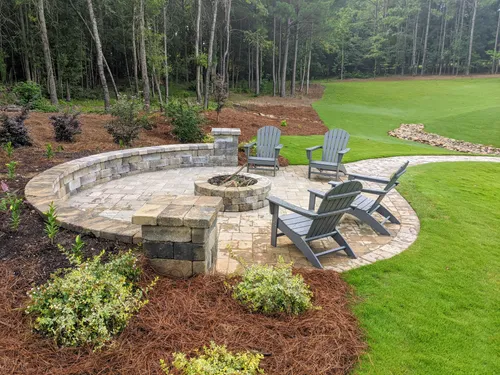
Wallis Landscape, Inc. is a landscape design and hardscaping company based in Atlanta, GA. They provide design-build landscaping and hardscaping services, including yard drainage, grading, pavers, and retaining walls. Serving areas such as Grayson, Lawrenceville, Lilburn, Loganville, Snellville, Walton County, and Oconee County, they handle all aspects of the project from design to materials and labor. Their team works with clients to create custom landscape designs and offers erosion control and drainage solutions for both residential and commercial properties.
Total Lawn Inc.
1670 Hazelwood Dr SE, Marietta, GA 30067
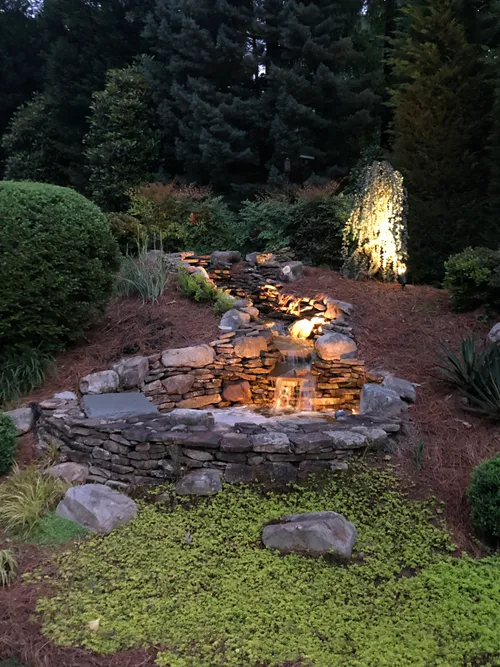
Total Lawn Inc. is a landscaping and lawn care company serving the East Cobb area near Atlanta, GA. They offer a wide range of services including lawn mowing, fertilization, weed control, landscape design, tree removal, stump grinding, yard drainage, grading, and hardscaping such as pavers and retaining walls. The company is known for its expertise in grading and drainage, ensuring efficient water management while integrating aesthetic elements into the landscape. Established in 1992, Total Lawn Inc. has over 30 years of experience working closely with clients to create and maintain personalized outdoor spaces.
LawnStarter - Atlanta Landscaping
773 Denise Ct SW, Stone Mountain, GA 30087
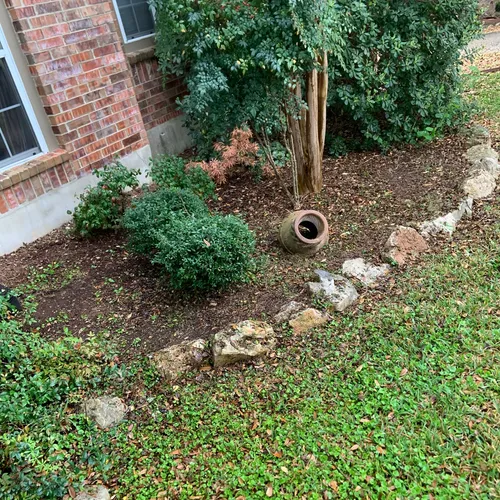
LawnStarter - Atlanta Landscaping offers a wide range of lawn care and landscaping services in Atlanta, GA. Their services include lawn mowing, landscape lighting installation, sprinkler system installation and repair, hardscaping such as patios and retaining walls, and general landscaping maintenance. They provide solutions tailored to the seasonal needs of Atlanta yards, including sustainable landscaping and smart irrigation systems. LawnStarter connects customers with local landscaping professionals through an easy-to-use platform, covering many neighborhoods in and around Atlanta.
Hannah Outdoor Designs
2400 Herodian Way Suite 220, Smyrna, GA 30080
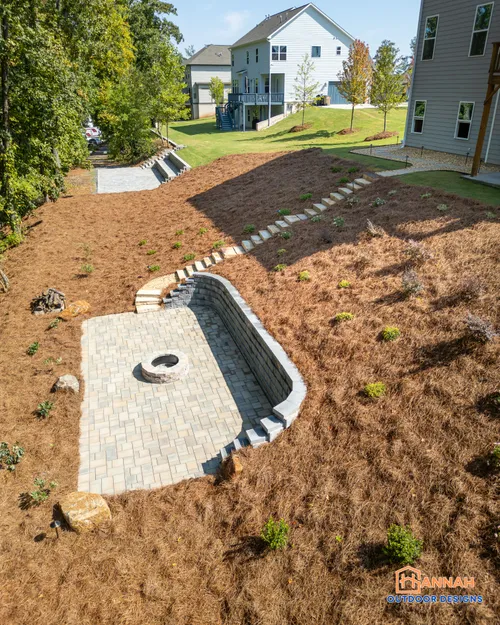
Hannah Outdoor Designs is a landscaping company based in Atlanta, GA, offering a wide range of services including landscape design, sod installation, irrigation, outdoor lighting, and yard drainage. They create custom 2D and 3D landscape designs and specialize in hardscaping features such as paver patios, walkways, retaining walls, and fire pits. The company holds several industry certifications, including those for retaining walls, soil and water conservation, pesticide application, and professional drainage, reflecting their expertise in outdoor living and erosion control solutions.
Outside Designs
Atlanta, GA
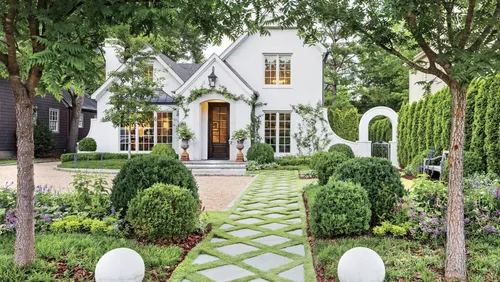
Outside Designs is a landscape design and hardscaping company based in Atlanta, GA, serving Cobb County, Roswell, Sandy Springs, Buckhead, and surrounding communities. With over 15 years of experience, they offer a range of services including landscape design, installation of softscapes like plants and flower beds, hardscape construction such as patios, pergolas, fire pits, retaining walls, and outdoor kitchens, as well as low voltage landscape lighting. Their capabilities include yard grading and drainage improvements to enhance outdoor spaces for both residential and commercial properties.
Understanding Hardscape Materials for Our Region
The choice of materials is foundational to any landscape construction project. In Peachtree Corners, popular options balance aesthetics with durability against our specific climate and soil.
For Patios and Walkways:
- Concrete Pavers: A versatile and popular choice, available in countless colors, shapes, and textures. They offer a classic look, are durable, and individual pavers can be replaced if damaged.
- Natural Stone: Flagstone, slate, and bluestone provide a unique, high-end aesthetic. Each piece is distinct, creating a one-of-a-kind surface. While beautiful, natural stone can be more expensive and may require sealing.
- Stamped or Colored Concrete: This option provides the look of stone or brick at a often lower cost. It's poured as a single slab and can be customized with patterns and integral color, though it can crack over time and is harder to repair seamlessly.
- Gravel: A cost-effective and permeable option for pathways or informal patio areas. It requires edging to contain the gravel and occasional topping up.
For Retaining Walls and Structural Features:
- Segmental Retaining Wall (SRW) Blocks: These are interlocking concrete blocks designed specifically for building walls. They are engineered for strength, come in various finishes, and are often the go-to choice for professionals due to their ease of installation and reliability.
- Natural Stone (Stacked or Mortared): Offers a timeless, rustic look. Dry-stacked walls are permeable but require skill to build; mortared walls are very permanent. Natural stone is typically the highest-cost option for walls.
- Concrete Block (CMU): Often used as a structural core for a wall that is then faced with stone veneer or stucco. It's very strong and cost-effective for larger projects.
- Timber: While less common now for permanent structures due to rot and insect concerns, treated timber can be used for shorter, landscape-grade walls in certain applications.
The Critical Role of Soil and Drainage
Perhaps the most important factor for a successful hardscape installation in Gwinnett County is addressing the native soil. The area is known for its heavy red clay, which presents specific challenges.
Why Clay Soil Demands Attention: Georgia's clay soil is dense, compacts easily, and has poor natural drainage. It expands when wet and contracts when dry. For hardscaping, this means:
- Water Pooling: Without proper grading and drainage, water will saturate the clay around your patio, leading to a muddy mess and potential foundation issues for your home.
- Heaving and Settling: If a patio or walkway is installed on unstable, saturated clay, the freeze-thaw cycles (though minimal) and the soil's expansion can cause the surface to heave or settle unevenly.
Essential Drainage Solutions: Integrating drainage into your hardscape design is not an optional upgrade; it's a necessity. Common solutions include:
- French Drains: A trench filled with gravel and a perforated pipe that collects and redirects subsurface water away from the hardscape and your home's foundation. Professional installation is highly recommended for effectiveness.
- Catch Basins and Channel Drains: These are installed within or along hard surfaces (like a patio or driveway) to collect surface runoff and pipe it away.
- Proper Grading: Ensuring the hardscape and surrounding land slope away from structures at a minimum of 2% is the first line of defense.
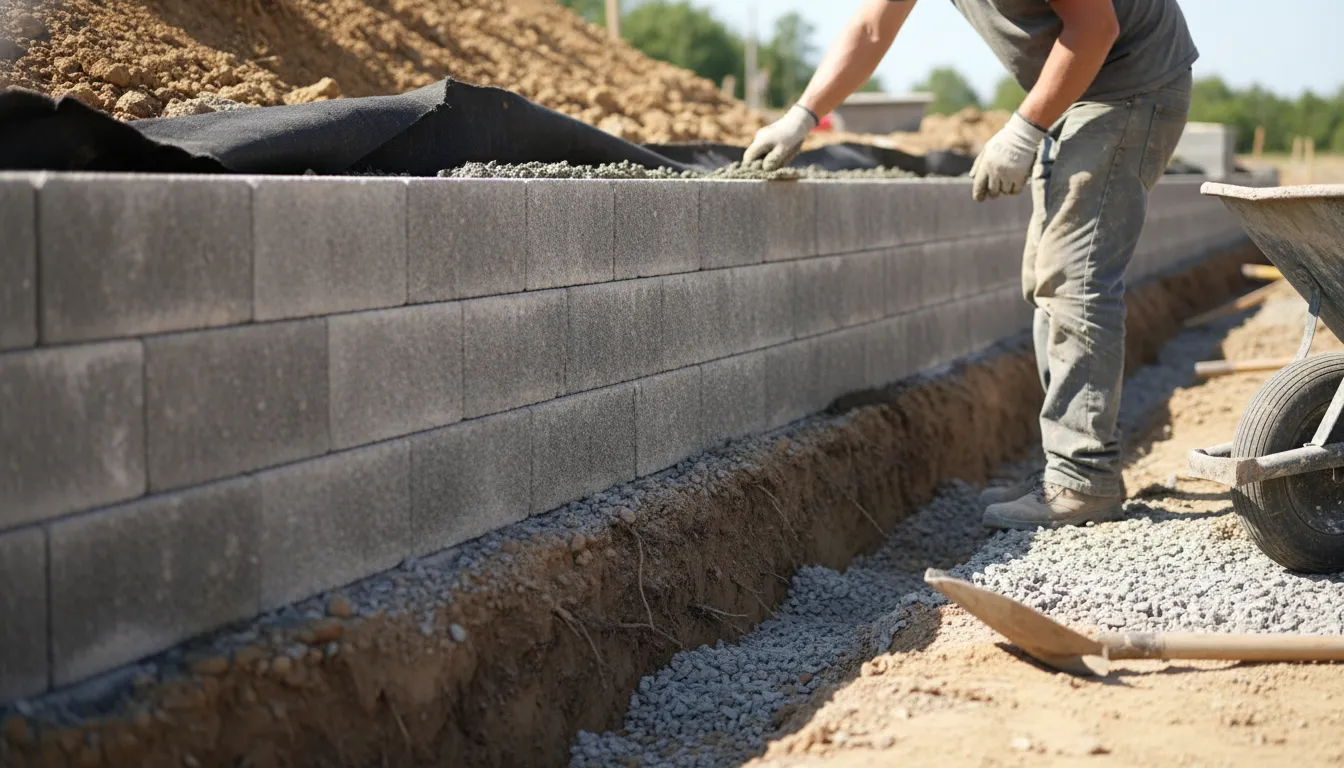
- Gravel Backfill: Behind retaining walls, a gravel backfill with a drainage pipe is crucial to relieve hydrostatic pressure, which is the force of water-saturated soil that can cause walls to fail.
Find the perfect hardscaping contractors for your needs
Get personalized recommendations and expert advice
Navigating Slopes and Frost Considerations
Building on Slopes: Many properties in Peachtree Corners have elevation changes. Managing slopes often requires retaining walls or terraces.
- Tiered Walls: For steep slopes, a series of shorter retaining walls (terraces) is safer and more aesthetically pleasing than one tall wall.
- Engineering and Erosion Control: Taller walls (generally over 4 feet) or walls supporting a significant load may require engineering and the use of geogrid (a synthetic mesh) for reinforcement. Erosion control measures, such as silt fencing during construction, are also critical on sloped sites to prevent sediment runoff 1.
- Cost Impact: Slope work increases project complexity and cost due to the need for more excavation, specialized materials, and potentially engineered solutions.
Frost Heave Risk: While Gwinnett County experiences a relatively mild winter compared to northern states, we do have freeze-thaw cycles. The primary risk isn't deep frost heave but the effect of water in the soil freezing and expanding.
- The Solution is in the Base: The key to preventing settling and cracking is not extreme depth, but a properly prepared base. For patios and walkways, excavating the clay and replacing it with a compacted layer of gravel (often 4-6 inches) creates a stable, well-draining foundation that resists movement.
- Retaining Wall Footings: Retaining walls require a buried base course (or a concrete footing) below the frost line to prevent shifting. Local contractors know the recommended depth for our area.
What to Expect: Project Scope and Investment
Understanding the scope and potential costs helps in planning your landscape architecture project. Pricing varies widely based on materials, site complexity, drainage needs, and labor.
Patio and Walkway Installation: Costs are typically quoted per square foot for the surface area.
- A basic stamped concrete patio may start in the range of $15 - $25 per square foot.
- Concrete paver patios often range from $20 - $30+ per square foot installed.
- Natural stone is generally the highest-cost option, often starting at $30+ per square foot 2.
Retaining Wall Construction: Walls are usually priced by the linear foot, with height being a major cost factor.
- A shorter wall built with segmental retaining wall (SRW) blocks might range from $20 - $50 per linear foot.
- Natural stone walls command a premium, with costs significantly higher.
- Remember, this price should include key components like excavation, a compacted gravel base, the blocks, gravel backfill, drainage pipe, and geogrid if needed 3.
Drainage System Installation: This is a critical line item that should be part of your initial plan.
- A professionally designed and installed French drain system for yard or hardscape drainage can range from $2,000 to $6,000 or more, depending on the length, depth, and complexity of tying into existing drainage or daylighting the pipe 4.
Getting Accurate Estimates: Always seek detailed, written estimates from multiple contractors. A good estimate should break down material costs, labor, excavation, drainage components, and any permitting fees. It should clearly state what is and is not included.
Frequently asked questions
Sources
Footnotes
-
MANUAL FOR EROSION AND SEDIMENT CONTROL IN ... - https://gaswcc.georgia.gov/sites/gaswcc.georgia.gov/files/Manual_for_Erosion_and_Sediment_Control_in_Georgia_Sixth_Edition_2014%28rev%29.pdf ↩
-
Paver Patio Cost Guide for Savannah - https://coastalhardscapesga.com/new-patio-costs/ ↩
-
Best Retaining Wall Materials for Georgia Soil - GCO Landscape - https://www.gcolandscape.com/best-retaining-wall-materials-for-georgia-soil/ ↩
-
Peachtree Corners Drainage Solutions | Gwinnett County - https://thericksgroupga.com/peachtree-corners-drainage-solutions/ ↩