Find the Best Hardscaping Contractors for Your Business
No obligation • Fast responses • Nationwide coverage

Why you can trust Landscape Atlas
Landscape Atlas is a leading United States resource for evaluating landscaping, lawn care, and outdoor service providers. Our team researches each category in depth, focusing on service quality, safety, and customer experience. Listings and rankings are based on independent criteria and user feedback, and companies cannot pay to influence our assessments or recommendations.
Search providers near you
Best Hardscaping Contractors in Hawaii Ranked
Creating a beautiful and functional outdoor living space in Hawaii requires more than just a vision-it demands specialized knowledge of the islands' unique environmental and regulatory landscape. Hardscaping, the installation of non-living elements like patios, walkways, driveways, and retaining walls, is a critical investment that enhances your property's value and usability. This guide provides essential information on planning, materials, and regulations to help you connect with experienced local professionals who understand the specific challenges of building in Hawaii, from volcanic soil to salt-laden air.
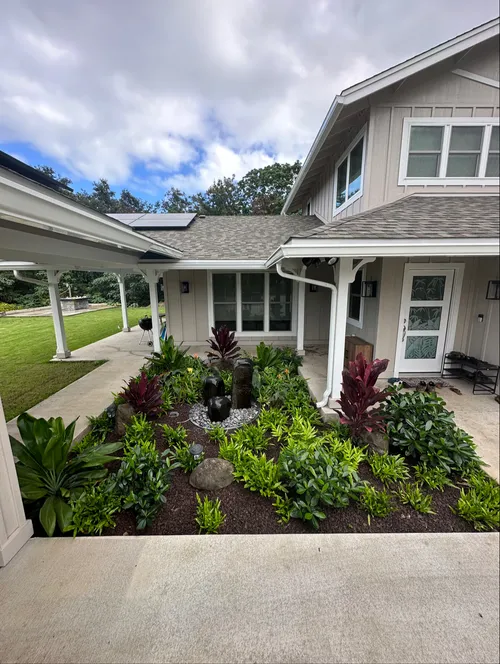
Aloha Sprinkler Systems & Outdoor Design LLC
Honolulu, HI
Aloha Sprinkler Systems & Outdoor Design LLC is a landscape design and sprinkler installation company based in Honolulu, HI. They offer a range of services including custom concrete landscape curbing, sprinkler installation and repair, and hardscaping such as pavers and retaining walls. Their concrete curbing service includes ground preparation, eco-friendly installation, and guidance on border maintenance to enhance and protect garden areas. Founded in 2021 by Shaden Aquino, who has over 14 years of experience in landscape design, the company focuses on improving home curb appeal with durable and eco-friendly solutions.
Oceanic Landscaping
4348 Waialae Ave #562, Honolulu, HI 96816
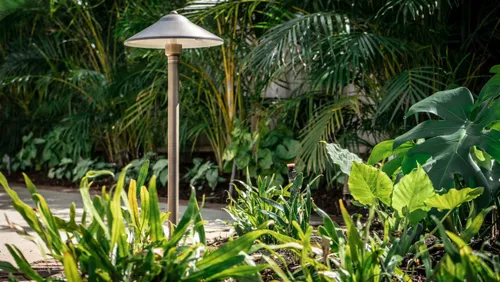
Oceanic Landscaping is a full-service landscaping company based in Honolulu, HI, serving communities throughout Oahu including Ala Moana, Waikiki, Manoa, and Kailua. They offer a wide range of services such as lawn care, tree trimming, landscape design, hardscaping, and outdoor lighting installation. Their team specializes in creating functional and aesthetically pleasing outdoor spaces, including features like outdoor kitchens and fire pits, tailored to enhance clients' lifestyles. Oceanic Landscaping is committed to protecting Hawaii's native ecosystem while maintaining beautiful, well-kept landscapes year-round.
Oahu Tree Trimming and Removal Experts
Honolulu, HI
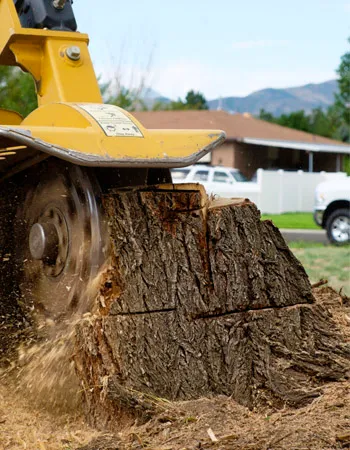
Oahu Tree Trimming and Removal Experts is a landscape and tree service company based in Honolulu, HI. They specialize in tree trimming, removal, and stump grinding for a variety of properties across the island of Oahu. Their team includes professional arborists skilled in handling trees of all sizes, including those near electrical wiring and in difficult locations. In addition to tree care, they offer landscaping services such as retaining walls and water features, backed by over twenty years of experience. They serve residential and commercial clients throughout Oahu, including Honolulu and surrounding areas.
Malama 'Aina Landscape & Masonary Design
Honolulu, HI
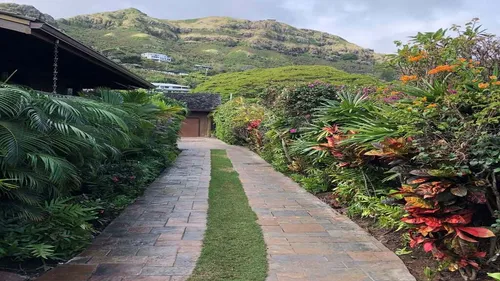
Malama 'Aina Landscape & Masonry Design is a landscaping and hardscaping company based in Honolulu, HI. They offer landscape design, masonry work, and hardscaping services such as pavers and retaining walls. The company emphasizes respect and care for the land, reflecting their family history and commitment to the community. Their approach focuses on detailed, quality work and supporting like-minded local organizations.
Oahu irrigation & design LLC
240 Makee Rd, Honolulu, HI 96815
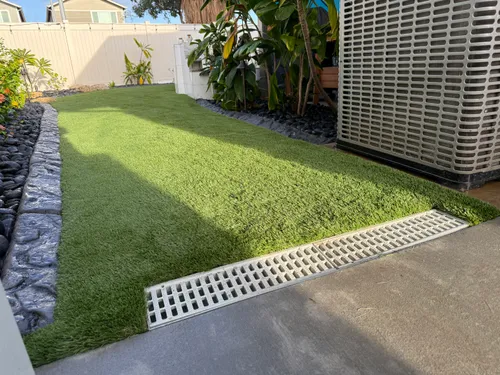
Oahu irrigation & design LLC is a landscaping and irrigation company based in Honolulu, HI. They offer a range of services including lawn fertilization, weed control, landscape design, tree removal, stump grinding, sprinkler installation and repair, as well as hardscaping such as pavers and retaining walls. The company focuses on tailored project needs and uses safe organic sprays for turf management. Since opening, they have emphasized efficient work and clear communication with clients.
Understanding Hawaii's Unique Hardscaping Challenges
Building in paradise comes with a distinct set of considerations that directly impact the design, materials, and longevity of your hardscape project. The tropical climate, unique geology, and strict building codes require a tailored approach.
- High Humidity & Salt Air: The coastal environment demands materials and finishes that resist corrosion and mold. This means selecting marine-grade metals, salt-resistant sealers, and non-porous stones to prevent rapid deterioration 1.
- Volcanic Soil & Lava Rock: The substrate across the islands is often unstable, rocky, and requires significant excavation and specialized site preparation. Proper soil testing and engineered foundations are not just advisable; they are essential for a stable, long-lasting installation.
- Heavy Rainfall & Drainage: Effective water management is paramount. Projects must be designed to handle intense tropical downpours, directing water away from structures to prevent erosion, flooding, and foundation damage.
- Seismic Activity: Hawaii is in a high earthquake risk zone (Seismic Design Categories C/D), which influences the structural requirements for any hardscaping, especially for retaining walls and other load-bearing features.
Popular Hardscape Projects & Material Choices
Selecting the right materials is crucial for durability and aesthetics in the Hawaiian climate. Here's a breakdown of common projects and suitable options.
Patios and Walkways
These features extend your living space outdoors. Ideal materials include:
- Local Stone & Tile: Naturally resistant and blends with the island aesthetic.
- Concrete Pavers: Durable and available in various styles; must be sealed against moisture.
- Poured Concrete: A versatile option that can be stamped or colored.
- Permeable Pavers: An excellent choice for managing Hawaii's heavy rainfall, allowing water to seep through and reduce runoff.
Driveways
A driveway must withstand vehicle weight and the elements. The top choices are:
- Hot Mix Asphalt (HMA): The preferred asphalt material in Hawaii for its durability and smooth finish. It performs better than cold mix in the local climate 2.
- Concrete: Extremely durable and long-lasting with proper installation and a stable sub-base.
- Pavers: Offer a high-end look and are easier to repair in sections if needed.
Regardless of material, a proper sub-base designed for volcanic soil and integrated drainage is critical to prevent cracking and sinking.
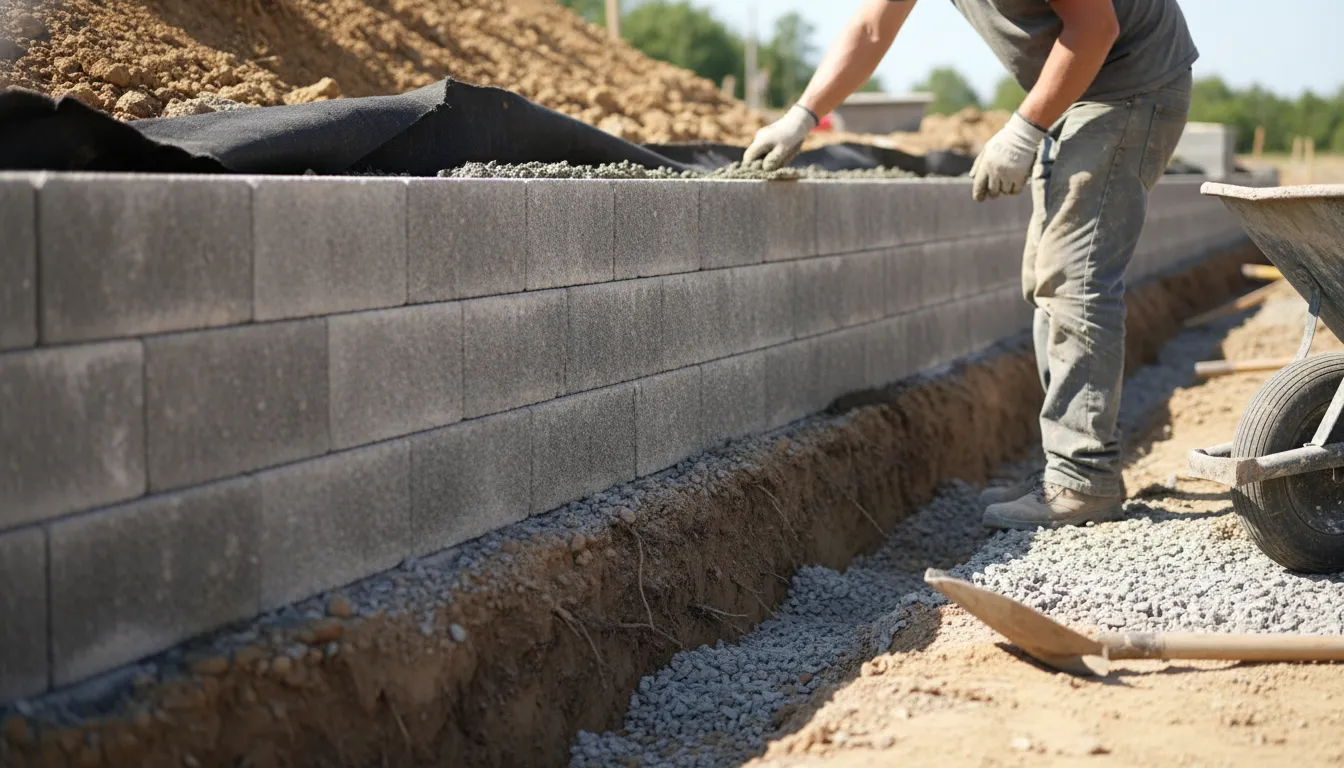
Retaining Walls
Essential for managing slopes and creating usable land on hilly properties.
- Function: They prevent soil erosion and create level areas for gardens, patios, or lawns.
- Key Consideration: Due to unstable volcanic soil and heavy rain, retaining walls often require professional engineering, especially for walls over a certain height. Design must account for hydrostatic pressure (water buildup behind the wall).
- Materials: Segmental block systems, poured concrete, and natural stone are common, but all require proper drainage systems (like weep holes and gravel backfill).
Find the perfect hardscaping contractors for your needs
Get personalized recommendations and expert advice
Navigating Permits and Building Codes
Hardscaping projects in Hawaii almost always require permits, and regulations can vary by county. Navigating this process is a key reason to work with a knowledgeable local contractor.
- Permit Triggers: Significant grading or excavation, constructing retaining walls over specified heights (often 4 feet), altering existing drainage patterns, and work near property lines typically require county approval.
- County-Specific Codes: While the Hawaii State Building Code provides the baseline, individual counties (Honolulu, Maui, Kauai, Hawaii) adopt their own amendments. Always check with your local county building department 3.
- The Role of Your Contractor: A reputable hardscaping professional will handle the permit application process, ensuring plans meet all seismic, wind, and drainage requirements, saving you time and potential legal headaches.
Cost Considerations for Hardscaping in Hawaii
Budgeting for a hardscape project in Hawaii requires understanding the factors that drive costs above national averages.
- Site Preparation: Excavating volcanic rock and soil, and the necessary engineering for stability, can add 30-40% or more to a project's foundation costs 4.
- Materials: Locally sourced materials (like lava rock) can be cost-effective, but many specialized items are imported, increasing expense and potentially causing delays.
- Labor & Logistics: Skilled labor is in high demand, and transporting materials between islands adds complexity and cost.
- Drainage & Engineering: The mandatory inclusion of sophisticated drainage systems and, for slopes, engineered retaining structures, represents a significant portion of the budget.
Ballpark Cost Ranges (Highly Variable):
- Patios & Walkways: $15 - $40+ per square foot (material and labor dependent).
- Driveways: $10 - $25+ per square foot for HMA or concrete 5 6.
- Retaining Walls: $50 - $150+ per square foot of face, heavily dependent on height, engineering requirements, and material choice 7 8.
Finding the Right Professional for Your Project
Given these complexities, selecting a contractor with specific island experience is non-negotiable. Look for professionals who:
- Have a portfolio of completed local projects.
- Understand county-specific permitting processes.
- Can explain their approach to site preparation, drainage, and material selection for the Hawaiian environment.
- Are licensed, insured, and can provide local references. A qualified expert will view your property's unique challenges as a solvable puzzle, not an obstacle, ensuring your outdoor oasis is built to last.
Frequently asked questions
Sources
Footnotes
-
Construction Materials in Hawaii: New Home Considerations - https://h1constructionhawaii.com/construction-materials-in-hawaii-new-home-considerations/ ↩
-
Residential Driveways - Hawaii Asphalt Paving Industry - http://hawaiiasphalt.org/guide/modules/02_design_catalog/02_driveways.htm ↩
-
Hawaii State Building Code - https://ags.hawaii.gov/wp-content/uploads/2018/12/Hawaii_State_Building_Code_20181113.pdf ↩
-
Home Planning Guide Step 2: Evaluate Your Property - https://news-savings.hpmhawaii.com/blog/home-planning-guide-step-2 ↩
-
Top 5 Construction Materials for Building Driveways in Hawaii County - https://landscapemachineryservices.com/blog/top-5-construction-materials-for-building-driveways-in-hawaii-county ↩
-
Pavers, Masonry, Stone, & Tile Work | Island Landscape Hawaii - https://hawaiilandscapingservices.com/pavers-masonry-stone-tile-work/ ↩
-
Hidden Costs of Hawaii Home Design - H-1 Construction LLC - https://h1constructionhawaii.com/hidden-costs-of-hawaii-home-design/ ↩
-
Building Your Home in Hawaii: An Essential Checklist - https://h1constructionhawaii.com/building-your-home-in-hawaii-an-essential-checklist/ ↩