Find the Best Hardscaping Contractors for Your Business
No obligation • Fast responses • Nationwide coverage

Why you can trust Landscape Atlas
Landscape Atlas is a leading United States resource for evaluating landscaping, lawn care, and outdoor service providers. Our team researches each category in depth, focusing on service quality, safety, and customer experience. Listings and rankings are based on independent criteria and user feedback, and companies cannot pay to influence our assessments or recommendations.
Search providers near you
Best Hardscaping Contractors in Maine Ranked
Hardscaping transforms your Maine property with durable, functional, and beautiful outdoor structures. From patios and walkways to retaining walls and driveways, these permanent features extend your living space and enhance property value, especially when designed to withstand the state's challenging climate. Finding a qualified local professional is key to a successful project that meets local codes, manages water properly, and lasts for decades. This guide provides the essential information you need to plan your project and connect with experienced hardscaping contractors in Maine.
Why Hardscaping is Essential for Maine Properties
In Maine, hardscaping does more than just beautify; it solves problems. The state's rugged terrain, significant precipitation, and dramatic freeze-thaw cycles demand outdoor structures that are built to last. Properly installed hardscapes manage stormwater runoff, prevent soil erosion on sloped lots, and create level, usable spaces for outdoor enjoyment throughout much of the year. A well-designed patio or walkway also improves safety and accessibility, providing stable, non-slip surfaces that can handle snow, ice, and rain. Investing in quality hardscaping is an investment in the long-term integrity and usability of your landscape.
Popular Hardscape Features for Maine Homes
Maine homeowners typically focus on features that maximize outdoor living and address practical needs.
Patios and Walkways
These are the foundation of outdoor living. In Maine, popular materials include native bluestone, concrete pavers, and brick, chosen for their durability and natural aesthetic. Designs often integrate these spaces with other features like fire pits, outdoor kitchens, or built-in seating to create a true extension of the home 1. The focus is on creating a cohesive flow from the house into the garden or yard.
Retaining Walls
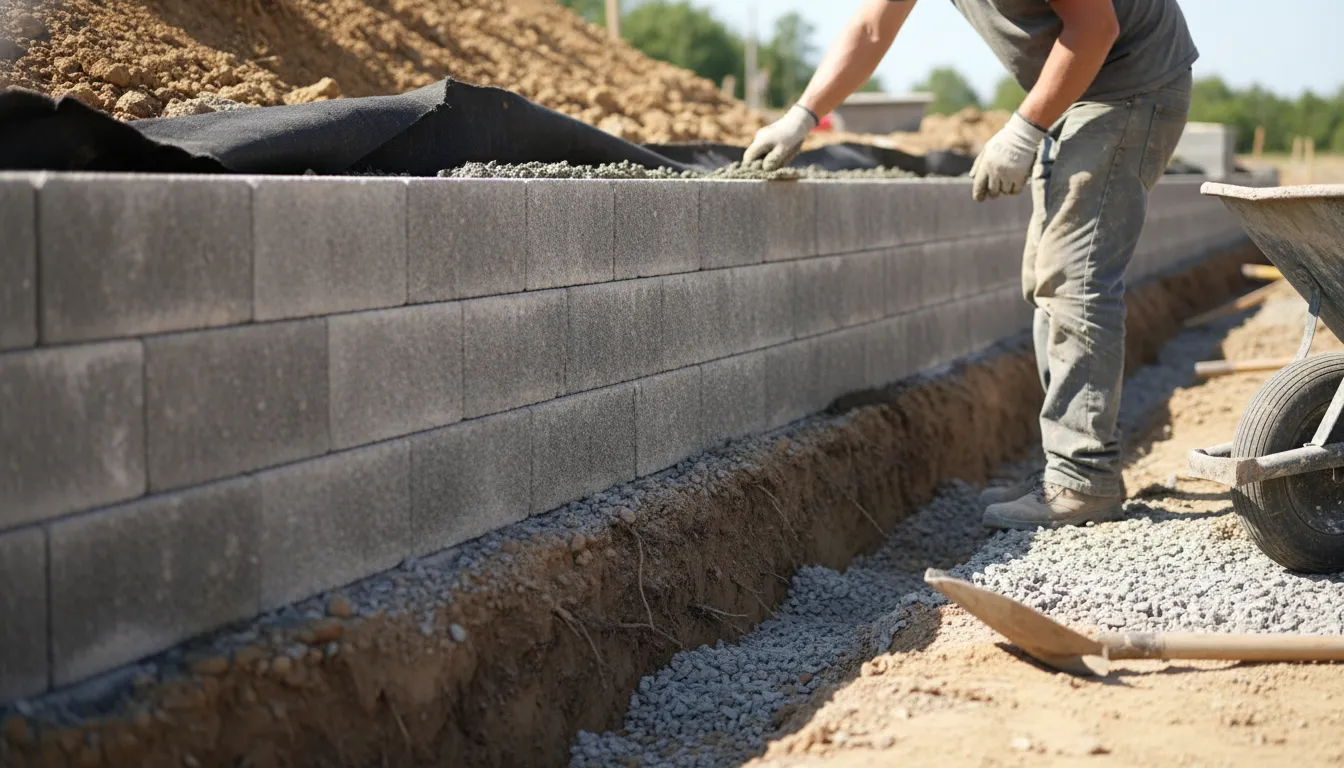
Essential for managing sloped properties, retaining walls create flat terraces for planting or recreation, prevent erosion, and can even incorporate seating. They are commonly built from segmental concrete blocks, natural stone, or pressure-treated timber. The design is critical, as these structures must hold back significant soil pressure and include proper drainage to prevent failure from freezing or water buildup.
Driveways and Paths
Beyond simple asphalt, many Mainers opt for paver driveways for their aesthetic appeal, repairability, and durability. Gravel is a cost-effective option, while permeable pavers are an excellent choice for managing stormwater runoff directly on-site. Front walkways are particularly important, as they set the tone for your home and must be designed with proper pitch and drainage to avoid ice buildup in winter 2.
Critical Considerations for Maine's Climate
The single most important factor for hardscaping success in Maine is designing for the environment. Ignoring these elements can lead to costly repairs.
Conquering Freeze-Thaw Cycles
Maine's winter weather is the greatest test for any hardscape. Water that seeps into materials and subsoil expands when it freezes, causing pavers to heave and walls to crack or tilt. The solution is impeccable base preparation-typically a deep bed of compacted gravel-and the use of materials known for their freeze-thaw resistance, like certain pavers and dense natural stone. Proper installation techniques that allow for slight movement are also crucial.
Managing Moisture and Stormwater
Maine receives ample rainfall and snowmelt. Impervious surfaces like traditional concrete patios can create runoff that erodes soil, floods basements, and pollutes local waterways. Modern hardscaping emphasizes Low Impact Development (LID) principles, which aim to manage water where it falls. This can involve using permeable pavers that allow water to infiltrate the ground, directing runoff to rain gardens, or ensuring all hardscapes are pitched to direct water away from foundations and toward appropriate drainage areas.
Find the perfect hardscaping contractors for your needs
Get personalized recommendations and expert advice
Understanding Materials and Costs
Choosing the right material balances budget, aesthetics, and longevity. Here's a breakdown of common options and what you can expect to invest.
Material Options
- Concrete Pavers: A versatile and popular choice. They come in countless colors, shapes, and textures, offer excellent durability, and are generally more affordable than natural stone. Individual pavers can be replaced if damaged.
- Natural Stone (Bluestone, Granite, Fieldstone): Offers a timeless, classic Maine look with unique variations. Bluestone is a particularly popular local choice. It is extremely durable but often comes at a higher cost and can be more challenging to install.
- Brick: Provides a traditional, warm aesthetic. Good quality clay brick is very durable but can be susceptible to moss growth in shady, damp areas.
- Segmental Retaining Wall Blocks: Engineered specifically for building walls. They are uniform, interlock for stability, and are designed with built-in drainage channels, making them a reliable and often code-compliant choice for structural walls.
Cost Ranges
Hardscaping costs in Maine vary widely based on material choice, site complexity, and project scale. The following are general estimates; obtaining detailed quotes from local contractors is essential.
- Patios & Walkways: Typically range from $15 to $40+ per square foot installed. Simple paver projects start at the lower end, while intricate natural stone designs with complex patterns command higher prices.
- Retaining Walls: Usually priced at $20 to $60+ per linear foot. The final cost depends heavily on the wall's height, the material used, and the difficulty of site access. Taller walls requiring engineering will increase the price significantly 3.
- Driveways: A paver driveway generally costs $25 to $70+ per square foot. A major factor is the condition of the base; sites requiring extensive excavation and gravel base work will be at the higher end of the spectrum 4 5.
Navigating Permits and Regulations in Maine
Before breaking ground, it's crucial to understand local requirements. Regulations exist to ensure safety and protect the environment.
- Retaining Wall Permits: This is the most common trigger for a permit. In most Maine municipalities, any retaining wall over 4 feet in height (measured from the bottom of the footing) requires a building permit and often a stamped design from a licensed engineer. Some towns have stricter rules, regulating walls as low as 2 or 3 feet, especially if they are near property lines or support a load like a driveway.
- Stormwater Management: If your project adds a significant amount of impervious surface (like a large new patio or driveway), you may need to submit a stormwater management plan. Many towns encourage or require LID techniques to minimize runoff impacts.
- Setbacks and Zoning: Always check local zoning ordinances for required setbacks from property lines, wetlands, or waterways. There may also be restrictions on the maximum percentage of your lot that can be covered by impervious surfaces.
Working with a knowledgeable local hardscaping contractor is the best way to navigate this process smoothly. They should be familiar with the permit requirements in the towns where they work and can often handle the application process on your behalf.
The Key to Longevity: Design and Installation
The durability of your hardscape is 90% determined by what happens below the surface. A skilled contractor focuses on:
- Site Evaluation and Design: Assessing soil type, drainage patterns, slope, and sun exposure.
- Excavation and Base Preparation: Excavating to the proper depth and installing and compacting a layered base of gravel and sand. This is the non-negotiable foundation for preventing frost heave.
- Proper Drainage: Incorporating slopes (pitches), drainage pipes (like behind retaining walls), and permeable materials to ensure water flows away from structures and into the ground appropriately 6.
- Quality Installation: Using correct techniques for the chosen material, including precise cutting, secure setting, and proper edge restraint to keep the installation stable for years to come.
Frequently asked questions
Sources
Footnotes
-
Maine Landscaping Design Trends from the Experts - https://terrapinlandscapes.com/maine-landscaping-design-trends-from-the-experts/ ↩
-
Front Entry Hardscaping in Maine: Walkways, Steps & Drainage - https://gardenguyslandscaping.com/front-entry-hardscaping-maine/ ↩
-
Top 10 Hardscape Features for Your Midcoast Maine Landscape - https://www.farleyinc.com/2024/08/26/top-10-hardscape-features-for-your-landscape-in-midcoast-maine/ ↩
-
The Best Hardscaping Materials to Use in Midcoast Maine - https://www.farleyinc.com/2024/10/04/the-best-hardscaping-materials-to-use-in-midcoast-maine/ ↩
-
Natural Stone Patio Designs - https://www.naturalearthgardendesigns.com/Stone-Patios.php ↩
-
LID Guidance Manual for Maine Communities - https://www.maine.gov/dep/land/watershed/materials/lid-guidance-manual.pdf ↩