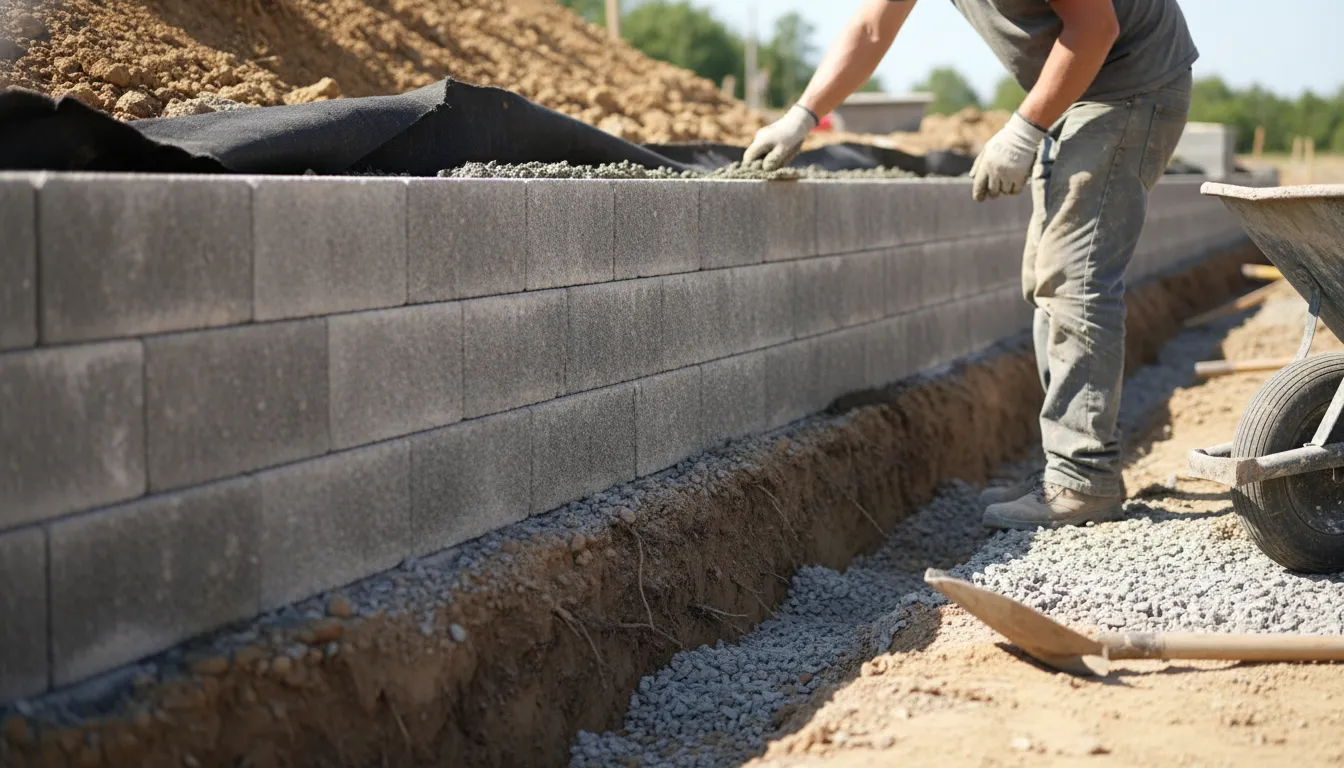
Find the Best Hardscaping Contractors for Your Business
No obligation • Fast responses • Nationwide coverage

Why you can trust Landscape Atlas
Landscape Atlas is a leading United States resource for evaluating landscaping, lawn care, and outdoor service providers. Our team researches each category in depth, focusing on service quality, safety, and customer experience. Listings and rankings are based on independent criteria and user feedback, and companies cannot pay to influence our assessments or recommendations.
Search providers near you
Best Hardscaping Contractors in New Mexico Ranked
Hardscaping involves the non-living, structural elements of your landscape, such as patios, walkways, driveways, and retaining walls. In New Mexico, these features are essential for creating functional and beautiful outdoor living spaces that can withstand the state's unique climate. Finding a qualified local contractor is key to ensuring your project is built to last, complies with local codes, and enhances your property's value and usability.
Enchanted Scape & Design LLC.
Albuquerque, NM
Enchanted Scape & Design LLC. is a landscaping and hardscaping company based in Albuquerque, NM. They offer landscape design services tailored to fit clients' lifestyles and budgets, including custom concrete work, natural stone accents, turf installation, and xeriscaping. Their team focuses on creating functional and attractive outdoor spaces, using concrete for durable and visually interesting features. The company emphasizes client collaboration to ensure satisfaction with the design and final result.
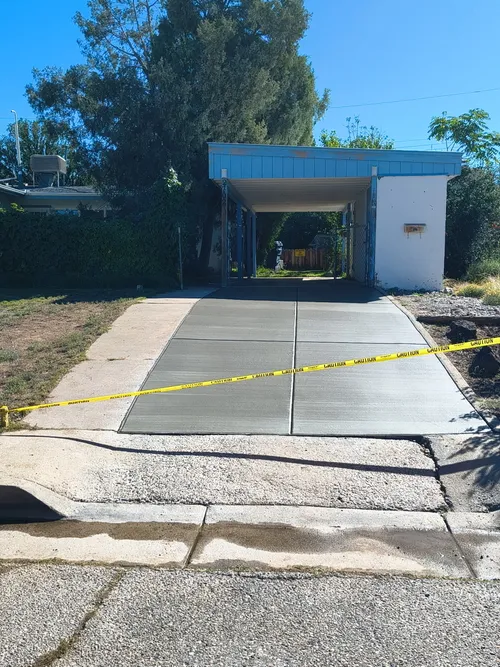
Mountain Side Contractors, LLC
Albuquerque, NM
Mountain Side Contractors, LLC is a family-owned construction company serving Albuquerque, NM. They specialize in residential and commercial concrete, masonry, stucco, landscaping, and home additions. With over 20 years of experience, they offer a full range of services including driveway and patio construction, retaining walls, stucco installation with a 10-year warranty, sod and turf installation, and tenant build-outs. Their work emphasizes quality, durability, and clear communication throughout each project.
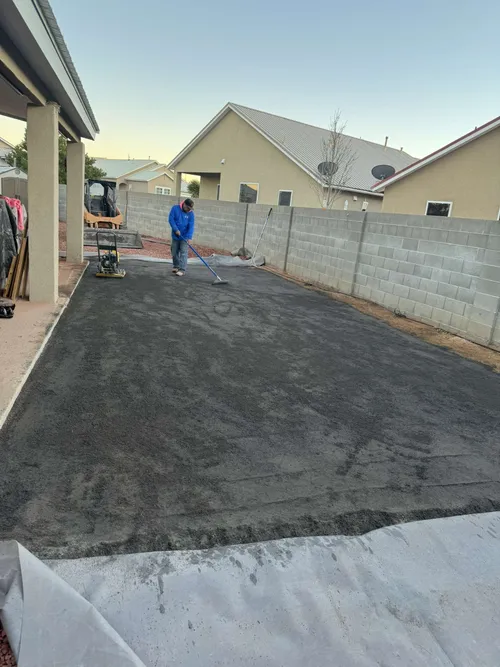
JPR CONSTRUCTION LLC
9608 El Patron Rd SW, Albuquerque, NM 87121
JPR CONSTRUCTION LLC is based in Albuquerque, NM, offering a wide range of outdoor construction services including concrete work, decorative concrete, block walls, pavers, artificial turf installation, flagstone, gravel, and wrought iron features. Serving Albuquerque, Rio Rancho, and surrounding areas, the company provides durable and visually appealing solutions for residential and commercial properties. Their expertise includes custom wrought iron gates and fences, as well as premium artificial turf installations designed for low maintenance and year-round greenery.
Arborscapes Ground Maintenance and Landscaping, LLC
2420 Comanche Rd NE, Albuquerque, NM 87107
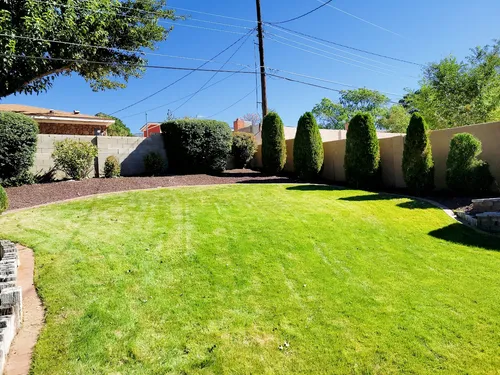
Arborscapes Ground Maintenance and Landscaping, LLC is a family-owned landscaping company based in Albuquerque, NM. They provide a wide range of services including lawn mowing, lawn fertilization, weed control, landscape design, tree removal, stump grinding, sprinkler installation and repair, land clearing, hardscaping, and grounds maintenance for both residential and commercial properties. The company emphasizes custom solutions tailored to clients' lifestyles and priorities, with a focus on desert landscaping suited to the Albuquerque area. Arborscapes has grown through word of mouth and values quality, precision, creativity, and integrity in their work.
Hernandez concrete
Albuquerque, NM
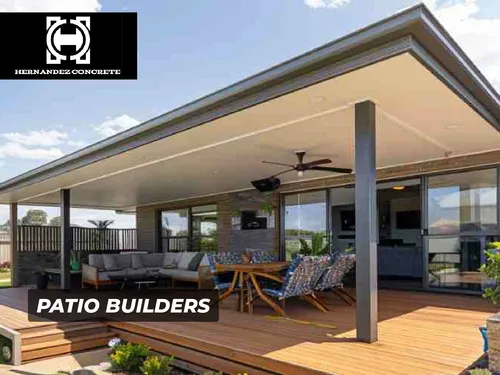
Hernandez Concrete is a hardscaping contractor based in Albuquerque, NM, specializing in masonry and concrete construction and repair for residential and commercial clients. They offer services including foundations, retaining walls, pavers, stucco finishes, and professional staining and sealing. With over 30 years of experience, Hernandez Concrete combines modern techniques with traditional craftsmanship to deliver durable and visually appealing outdoor living solutions. Their team focuses on precision and lasting quality in every project.
Popular Hardscape Features for New Mexico Homes
New Mexico's diverse architecture and outdoor lifestyle make certain hardscape elements particularly popular. These features are designed to blend with the natural environment while providing practical benefits.
- Patios: Serving as outdoor living and dining rooms, patios in New Mexico often use materials like flagstone, concrete pavers, or stamped concrete. They are central to creating a comfortable space for enjoying the state's abundant sunshine and clear skies.
- Walkways: Connecting different areas of the yard, walkways can be crafted from stone, pavers, gravel, or concrete. They are an opportunity to incorporate xeriscape principles by using permeable materials and integrating with drought-tolerant planting beds.
- Driveways: Beyond functionality, driveways contribute to curb appeal. Common materials include concrete, pavers, gravel, or decomposed granite, all chosen for their ability to handle sun exposure and proper drainage needs.
- Retaining Walls: Essential for managing sloped yards and preventing erosion, retaining walls are built from stone, concrete block (CMU), or timber. They can create level areas for planting or recreation and are a critical element in many New Mexico landscapes.
Key Design Considerations for the New Mexico Climate
The high desert climate presents specific challenges that must be addressed in any hardscaping plan. A knowledgeable contractor will account for these factors from the design phase through installation.
Managing Freeze-Thaw Cycles
Winter moisture that freezes and expands can crack and heave improperly installed surfaces. To combat this, contractors must use freeze-thaw resistant materials like high-quality concrete or interlocking pavers and employ meticulous base preparation with layers of gravel and sand for stability and drainage.
Combating Sun and Heat
Intense sunlight and high temperatures can make some surfaces uncomfortably hot. Design strategies include using lighter-colored materials to reflect heat, selecting permeable surfaces like gravel that stay cooler, and integrating hardscapes with xeriscaping to reduce overall ambient heat and water consumption.
Ensuring Proper Drainage
While New Mexico is arid, occasional heavy summer rains (monsoons) and spring snowmelt can lead to significant water runoff. Effective hardscaping must incorporate positive slope away from structures, and may require integrated solutions like French drains or catch basins to direct water safely and prevent erosion or foundation issues.
Find the perfect hardscaping contractors for your needs
Get personalized recommendations and expert advice
Understanding Permits and Local Regulations
Navigating local building codes is a crucial part of any hardscaping project. Regulations exist to ensure safety and compliance, and requirements can vary by city and county.
- Permits for Retaining Walls: In New Mexico, a building permit is typically required for any retaining wall over 36 inches in height (measured from the bottom of the footing) or any wall that is supporting a surcharge (like a driveway or structure).
- Permits for Driveways and Walkways: Permits are generally needed for sidewalks or driveways that are over 30 inches above the adjacent grade or that span over a basement or other below-grade space 1.
- Local Municipal Rules: Cities like Santa Fe and Albuquerque often have additional ordinances concerning wall height, material screening (especially for concrete block), and design standards. It is essential to check with your local city or county planning department before starting your project.
A reputable hardscaping contractor will be familiar with these regulations and can often handle the permit application process on your behalf.
Hardscaping Cost Guide for New Mexico
Project costs vary widely based on material selection, project complexity, site accessibility, and labor. The following ranges provide a general benchmark, but obtaining detailed quotes from local contractors is the only way to get an accurate price for your specific project.
- Patios & Walkways: Expect to invest between $15 and $40+ per square foot. Simpler materials like gravel or decomposed granite range from $5-$15/sq. ft., while pavers or concrete typically cost $15-$35/sq. ft. High-end natural stone like flagstone can range from $30 to $50+ per square foot 2.
- Driveways: Costs generally fall between $20 and $60+ per square foot. Gravel driveways are more affordable ($10-$25/sq. ft.), while durable options like concrete or paver driveways range from $25 to $50+ per square foot.
- Retaining Walls: Pricing is usually calculated by the linear foot and is highly dependent on height and material. You can expect a range of $50 to $150+ per linear foot. A short, simple timber wall will be at the lower end, while a tall, mortared stone wall will be at the higher end of the spectrum 3.
Choosing the Right Materials for Durability and Style
Selecting materials that complement your home's architecture and stand up to the environment is key.
- Local Stone (Flagstone, Sandstone): A classic choice that blends seamlessly with the New Mexico landscape. It's durable, heat-resistant, and offers a natural, rustic aesthetic.
- Concrete Pavers: Available in countless colors, shapes, and textures, pavers are versatile, durable, and excellent for handling freeze-thaw cycles due to their interlocking design and flexible base.
- Stamped/Stained Concrete: Offers the look of stone or brick at a lower cost. Modern techniques can create realistic textures and colors that are UV-stable and sealed for longevity.
- Gravel & Decomposed Granite: A permeable, cost-effective, and low-heat option ideal for pathways and informal areas. It requires occasional maintenance to replenish and contain the material.
Frequently asked questions
Sources
Footnotes
-
BUILDING PERMIT GUIDE FOR RESIDENTIAL ... - https://www.rld.nm.gov/wp-content/uploads/2024/10/Building-Permit-Guide-for-Residential-Construction_10-24.pdf ↩
-
Best Permeable Paver Materials for Patios - Pro Landscape - https://prolandscapesmd.com/permeable-paver-materials-patios/ ↩
-
Santa Fe County, NM SUSTAINABLE DESIGN STANDARDS - https://ecode360.com/39283385 ↩