Find the Best Hardscaping Contractors for Your Business
No obligation • Fast responses • Nationwide coverage

Why you can trust Landscape Atlas
Landscape Atlas is a leading United States resource for evaluating landscaping, lawn care, and outdoor service providers. Our team researches each category in depth, focusing on service quality, safety, and customer experience. Listings and rankings are based on independent criteria and user feedback, and companies cannot pay to influence our assessments or recommendations.
Search providers near you
Best Hardscaping Contractors in South Carolina Ranked
Transforming your outdoor space with permanent, non-living structures is a significant investment that enhances your property's beauty, functionality, and value. Hardscaping involves the installation of features like patios, walkways, driveways, and retaining walls using materials such as pavers, natural stone, and concrete. In South Carolina, local climate conditions and regulations play a major role in project planning and material selection. This guide helps you understand the key considerations for hardscaping in the Palmetto State, from popular project types and material choices to navigating local permits and budgeting, so you can make informed decisions when connecting with skilled professionals.
Popular Hardscaping Projects for South Carolina Homes
South Carolina's climate encourages outdoor living nearly year-round, making hardscape additions both practical and desirable. These projects create defined spaces for entertainment, improve accessibility, and solve common landscaping challenges like slopes and drainage.
Patios and Outdoor Living Areas
A well-designed patio serves as an extension of your indoor living space, perfect for dining, relaxing, and entertaining. Popular materials in South Carolina include:
- Brick and Pavers: Offering a classic look with immense design flexibility through various patterns and colors. They are durable and, if installed with a permeable base, can aid in water management.
- Natural Stone: Such as flagstone or bluestone, provides a unique, high-end aesthetic. Each piece is distinct, creating a one-of-a-kind outdoor floor 1.
- Stamped Concrete: A cost-effective option that can mimic the appearance of stone, brick, or even wood. It provides a seamless surface that is easy to maintain.
Walkways and Pathways
Walkways guide guests through your landscape, connect different areas of your yard, and prevent wear on your lawn. Materials range from formal to rustic:
- Formal Paths: Often constructed with tightly fitted pavers or flagstone for a clean, elegant line 2.
- Garden Paths: Can use gravel, decomposed granite, or stepping stones set in mulch for a more natural, meandering feel 3.
Driveways
Upgrading a driveway is a major hardscape project that dramatically boosts curb appeal. In South Carolina, paver driveways are particularly favored, especially in coastal areas, for their durability and resistance to cracking compared to traditional poured concrete or asphalt. They also handle the region's soil movement and salt spray better in many cases.
Retaining Walls
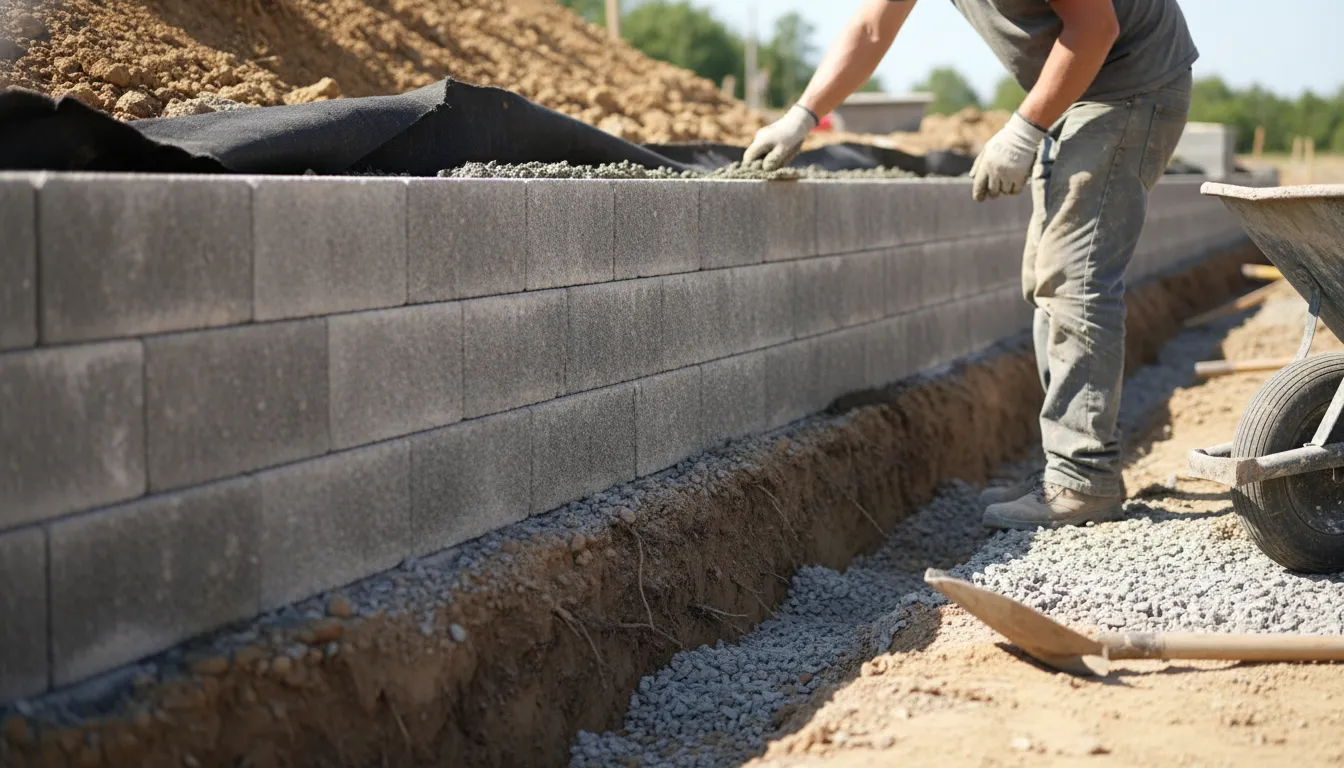
Essential for managing sloped properties, retaining walls create usable flat spaces, prevent soil erosion, and can be designed to include built-in seating or garden beds. Common materials include:
- Segmental Retaining Wall Blocks: Interlocking concrete blocks are a popular, engineer-approved choice for their strength, variety of styles, and relatively straightforward installation.
- Natural Stone: Dry-stacked or mortared stone walls offer a timeless, rugged look that blends seamlessly with the landscape.
- Treated Timber: A more economical option for shorter walls, though it may have a shorter lifespan than stone or concrete in the humid climate.
Material Considerations for South Carolina's Climate
The local environment-characterized by high humidity, significant rainfall, and coastal salt spray in some areas-directly impacts the performance and maintenance of hardscape materials.
- Humidity and Moisture: South Carolina's high humidity promotes the growth of moss, mildew, and algae on hard surfaces 4. Materials like concrete may require periodic sealing to protect against moisture penetration and staining. Permeable paving systems, which allow water to drain through the surface, are an excellent choice for managing the state's frequent rain and reducing runoff 4.
- Coastal Conditions: For homes near the coast, materials must withstand salt spray, which can be corrosive. Pavers and certain sealed concretes are often recommended for their resilience in these environments.
- Freeze-Thaw Cycles: While mild, the state does experience freezing temperatures. Materials and installation methods must account for potential frost heave, ensuring proper base preparation and drainage to prevent cracking and shifting.
Navigating Regulations and Permits
Before breaking ground on any significant hardscaping project, it's crucial to understand local rules. Failure to comply can result in fines or being required to remove the work.
- Building Permits: Most municipalities in South Carolina require permits for structural hardscaping projects. This is almost always the case for retaining walls over a certain height (commonly 3-4 feet), new driveways that alter curb cuts, and large patios. The permit process ensures the project meets safety and engineering standards, particularly for drainage.
- Homeowner Association (HOA) Approval: If your property is part of a planned community, you will likely need approval from an Architectural Review Board (ARB) or similar committee. These boards enforce community aesthetic standards and often require detailed plans for any exterior change, including hardscapes, fences, and driveways 5.
- Drainage and Grading Codes: Local codes place a strong emphasis on managing stormwater runoff. Your project plan may need to demonstrate that it will not negatively impact drainage on your property or neighboring lots. Using permeable materials or incorporating proper grading and drainage solutions like French drains is often a key part of compliance.
Find the perfect hardscaping contractors for your needs
Get personalized recommendations and expert advice
Understanding Costs and Budgeting for Your Project
Hardscaping is a considerable investment, with costs varying widely based on materials, project size, site complexity, and labor. Having a realistic budget from the outset is essential.
- Paver Patios & Driveways: As a high-end, durable option, paver installations typically range from $20 to $40 or more per square foot, including materials and professional installation 6.
- Stamped or Decorative Concrete: A versatile and popular choice, stamped concrete projects generally cost between $10 and $25 per square foot 7.
- Retaining Walls: Walls are usually priced by the square foot of the wall face. Depending on the material (from basic timber to natural stone) and height, expect a range of $20 to $50+ per square foot 8.
- Budgeting for a Comprehensive Project: A complete backyard transformation involving a paver patio, a new walkway, and a functional retaining wall can easily reach $30,000 to $75,000 or more, especially when including professional design services, excavation, and drainage work 9.
When planning your budget, always factor in:
- Site Preparation: Costs for excavation, grading, and soil removal.
- Material Quality: Higher-end natural stone or specialty pavers will increase the price.
- Labor and Expertise: Complex designs, intricate patterns, and challenging sites require more skilled labor.
- Long-Term Maintenance: Consider the future cost of sealing, cleaning, or occasional repairs for your chosen material.
Choosing the Right Professional
Given the technical, regulatory, and financial aspects of hardscaping, selecting a qualified contractor is the most important step.
- Verify Licensing and Insurance: Ensure the contractor holds any required state or local licenses and carries both liability insurance and workers' compensation.
- Review Portfolios and References: Look at examples of their past work, specifically projects similar to yours. Ask for and contact recent references.
- Get Detailed Written Estimates: Obtain at least three itemized quotes that break down material costs, labor, permit fees, and a projected timeline.
- Check for Local Knowledge: A contractor familiar with South Carolina's permit processes, HOA requirements, and climate-specific installation techniques (like proper base preparation for clay soils) is invaluable.
- Understand the Contract: The contract should clearly outline the project scope, materials (including brands/colors), payment schedule, start/end dates, and warranty information.
Frequently asked questions
Sources
Footnotes
-
Types of Hardscaping to Complete Your Landscaping Dreams - https://greenvillepavers.com/paving-blog/types-of-hardscaping-to-complete-your-landscaping-dreams/ ↩
-
12 Different Hardscapes For Landscaping in Myrtle Beach : - https://elitecoastallandscaping.com/12-different-types-of-hardscapes-for-landscaping-in-myrtle-beach/ ↩
-
6 Hardscape Projects for Home Lawns - Carolina Fresh Farms - https://carolinafreshfarms.com/6-hardscape-projects-for-home-lawns/ ↩
-
Hardscape Patio Design Considerations for South Carolina - https://scyardworks.com/blog/hardscape-patio-design-considerations-for-south-carolina ↩ ↩2
-
Building and Landscape Guidelines - 11/04 - WPPOA - https://wppoa.com/wp-content/uploads/2022/08/B-Gs-July-2022-UPDATES.pdf ↩
-
Paver Driveway Installation | Legacy Hardscapes | Myrtle Beach, SC - https://www.legacyhardscapessouthcarolina.com/paver-driveways ↩
-
Three Types of Patios to Consider For Your Home - Weller Brothers - https://www.wellerbrothers.com/types-of-patios/ ↩
-
Best Retaining Wall Materials for Sloped Yards in SC - https://www.moraleslandscapingtreeservice.com/best-retaining-wall-materials-for-sloped-yards-in-sc/ ↩
-
Landscape Pricing Guide For Charleston South Carolina ... - https://www.martinezlandscapingstraw.com/landscape-pricing-guide/ ↩