Find the Best Hardscaping Contractors for Your Business
No obligation • Fast responses • Nationwide coverage

Why you can trust Landscape Atlas
Landscape Atlas is a leading United States resource for evaluating landscaping, lawn care, and outdoor service providers. Our team researches each category in depth, focusing on service quality, safety, and customer experience. Listings and rankings are based on independent criteria and user feedback, and companies cannot pay to influence our assessments or recommendations.
Search providers near you
Best Hardscaping Contractors in Virginia Ranked
Hardscaping transforms your outdoor space by adding permanent, non-living structures like patios, walkways, driveways, and retaining walls. In Virginia, these features are essential for creating functional, beautiful, and erosion-resistant landscapes that can withstand the local climate. This guide helps you understand the types of hardscaping available, key considerations for Virginia properties, and how to connect with qualified local professionals for your project.
Cleanstone Construction
111 Agency Ave, Richmond, VA 23225
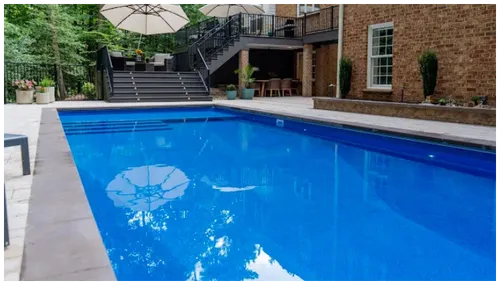
Cleanstone Construction is a landscaping and outdoor living company based in Richmond, VA. They specialize in designing and building custom outdoor spaces including patios, decks, pools, pergolas, outdoor kitchens, fire features, and lighting. Their services cover the greater Richmond area, focusing on creating functional and attractive environments for gatherings and relaxation. Cleanstone offers 3D design visualization to help clients see their projects before construction begins, ensuring the final result matches the vision. Their process includes detailed design, excavation, and construction to deliver quality outdoor living spaces.
Altizer Lawn & Landscape LLC
Richmond, VA
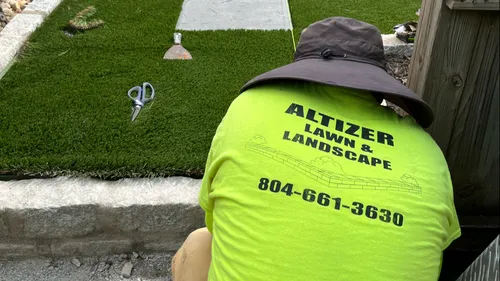
Altizer Lawn & Landscape LLC is a licensed and insured lawn care and landscaping company based in Richmond, VA. They offer a wide range of services including lawn mowing, fertilization, weed control, yard drainage, grading, land clearing, hardscaping with pavers and retaining walls, and stormwater management to protect home foundations. The company is certified in pesticide, herbicide, and fertilizer application and provides excavation and gravel driveway installation and maintenance. Founded and operated by Britt Altizer, a Richmond resident with a background in Environmental Studies and Urban Planning, the business emphasizes creative solutions and skilled workmanship.
Aubrey's Tree Service & Landscaping
630 Carter Rd, Chesapeake, VA 23322
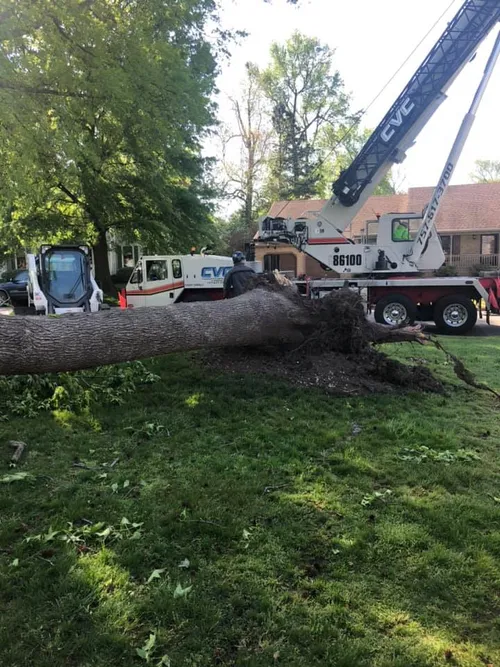
Aubrey's Tree Service & Landscaping is a family-owned business serving Chesapeake, VA, and the Hampton Roads area for over 25 years. They offer a wide range of services including tree removal, stump grinding, landscape design and installation, hardscaping, sod installation, irrigation, drainage system installation, and lot clearing. Their team is certified by OSHA and ISA and provides 24/7 emergency tree services to address urgent needs promptly. With extensive experience and comprehensive capabilities, they handle projects from concept to completion, including commercial and residential properties.
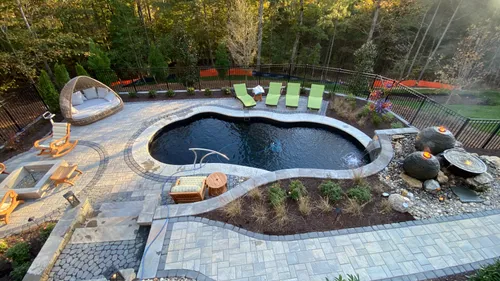
Easton Outdoors
550 Wythe Creek Rd, Poquoson, VA 23662
Easton Outdoors is a landscaping and hardscaping company based in Virginia Beach, VA. They offer services including landscape design, yard drainage, grading, and the construction of patios, retaining walls, and koi ponds. With decades of combined experience, they focus on creating functional and attractive outdoor spaces tailored to client visions. Their capabilities include comprehensive drainage solutions to improve yard performance.
Impact Landscaping
5041 Jakeman St, Virginia Beach, VA 23455
Impact Landscaping is a landscaping company based in Virginia Beach, VA, offering a wide range of outdoor services including sod and artificial turf installation, fence and hardscape construction, landscape lighting, tree and yard maintenance, sprinkler system installation, and land clearing. They specialize in custom garden design, concrete and paver work, and drainage solutions using industry-leading products. The team also provides property rehabilitation and real estate rescue services to restore and enhance outdoor spaces. Impact Landscaping partners with local experts for irrigation and custom deck and fence installations to deliver comprehensive outdoor improvements. Their skilled crew focuses on quality craftsmanship and personalized service, working on projects throughout Virginia Beach and nearby areas. Phone support is available 24/7, and they operate on-site daily from dawn to dusk.
Popular Hardscape Features for Virginia Homes
From creating outdoor living rooms to solving drainage issues, hardscaping serves both aesthetic and practical purposes. Here are the most common features installed by Virginia contractors.
Patios for Outdoor Living
A patio is the cornerstone of outdoor entertainment, providing a stable surface for furniture, grills, and fire pits. In Virginia, popular materials include interlocking concrete pavers, natural flagstone, and poured concrete. Pavers offer a wide range of colors and patterns and are forgiving with Virginia's freeze-thaw cycles due to their flexible joints. Flagstone provides a uniquely elegant, natural look but comes at a higher cost and requires more skilled installation. A well-designed patio extends your living space and significantly increases property enjoyment and value.
Walkways and Garden Paths
Walkways guide movement through your landscape, connecting your home to other areas like a patio, garden, or driveway. They prevent wear on your lawn and improve accessibility. Materials range from classic brick and cobblestone to rustic stepping stones or modern, scored concrete. The design should consider both flow and function-wider paths for main routes, and narrower, more decorative ones for garden access. Proper installation with a solid base is critical to prevent settling and tripping hazards, especially in areas with heavy clay soil.
Durable Driveway Surfaces
Replacing or installing a new driveway is a major hardscape investment that prioritizes durability and proper drainage. While asphalt is common, many Virginia homeowners opt for concrete or paver driveways for enhanced curb appeal and longevity. Pavers are particularly resistant to cracking from freeze-thaw cycles and allow for easy replacement of individual units if damage occurs. A key consideration in Virginia is ensuring the driveway slopes correctly to channel rainwater away from your home's foundation and garage, preventing costly water damage.
Functional and Decorative Retaining Walls
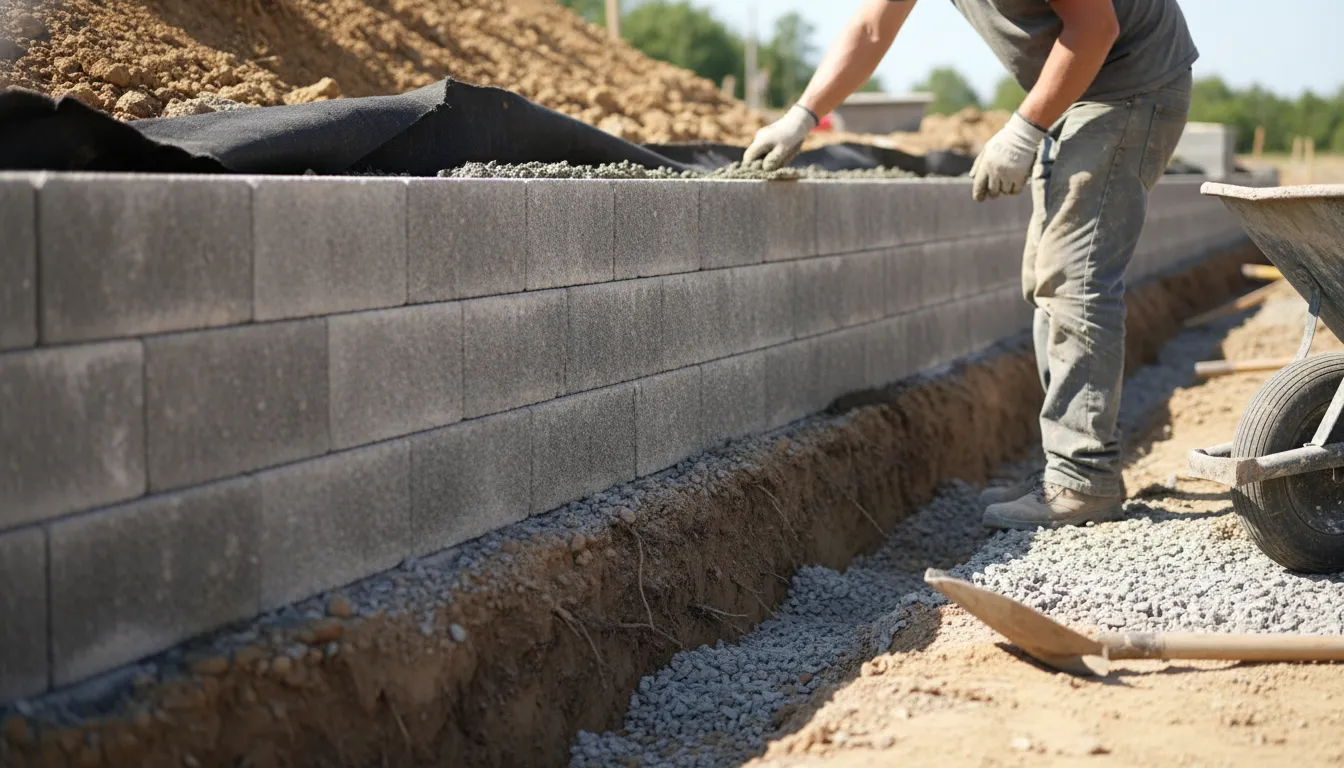
Retaining walls are crucial in Virginia's often hilly terrain. They prevent soil erosion, create usable flat spaces on sloped lots, and can be striking design elements. Walls are built from various materials, including segmental concrete blocks (the most common), natural stone, and timber. Beyond holding back earth, they can be integrated with seating (wall caps) or used to create terraced garden beds. For walls over a certain height, structural engineering and permits are typically required to ensure safety and compliance with local codes.
Critical Considerations for Virginia's Climate
Virginia's weather patterns directly impact the success and longevity of any hardscape project. Two factors are paramount: managing water and understanding local regulations.
Managing Water: Drainage and Erosion Control
Water is the primary enemy of hardscapes. Virginia's combination of heavy seasonal rains, snowmelt, and freeze-thaw cycles can wreak havoc on improperly installed surfaces. Effective drainage solutions are non-negotiable. This includes:
- Proper Grading: Ensuring all surfaces slope away from structures at a minimum pitch.
- Permeable Bases: Using gravel bases that allow water to infiltrate rather than pool.
- Integrated Drainage: Installing French drains, channel drains, or weep holes in retaining walls to relieve hydrostatic pressure 1. Without these measures, pavers can shift, concrete can crack, and retaining walls can fail under the pressure of saturated soil.
Navigating Permits and HOA Rules
Before breaking ground, it's essential to understand the regulatory landscape.
- Retaining Wall Permits: Local building codes often require a permit and engineering plans for retaining walls exceeding a specific height, commonly around 4 feet 2. This ensures the wall is designed to safely handle the soil load.
- Driveway and Walkway Permits: Projects that connect to a public right-of-way or alter stormwater runoff patterns may require municipal approval.
- Homeowners Association (HOA) Guidelines: Many Virginia communities have HOAs with strict covenants. These can dictate the allowable materials, colors, heights, and even the design of hardscape features. Always obtain written HOA approval before starting work to avoid costly alterations later.
Find the perfect hardscaping contractors for your needs
Get personalized recommendations and expert advice
Understanding Hardscaping Costs in Virginia
Hardscaping is an investment, and costs vary widely based on materials, scope, and site conditions. Having realistic budget expectations is key to planning a successful project.
Cost Ranges by Project Type
While every project is unique, here are general price ranges per square foot for common hardscape features in Virginia, excluding major site preparation or complex drainage work 3 4 5:
- Basic Paver Patio or Walkway: $10 - $25+ per sq. ft. This covers mid-range concrete pavers with a standard pattern and simple design.
- Flagstone or Natural Stone Patio: $25 - $50+ per sq. ft. The premium material cost and more labor-intensive installation drive the price higher.
- Concrete Driveway: $15 - $30+ per sq. ft. Price depends on the finish (stamped, stained, brushed) and the required thickness for vehicle loads.
- Retaining Walls: $20 - $60+ per sq. ft. (of the wall face). Height is the largest cost driver; taller walls need more material, deeper excavation, and often engineered designs.
Key Factors That Influence Your Final Price
Several variables can cause your project's cost to fall on the higher or lower end of these ranges:
- Material Selection: Natural stone (bluestone, flagstone) is at the top tier, followed by high-end manufactured pavers, with basic concrete and standard pavers being more budget-friendly.
- Site Preparation: Extensive excavation, tree root removal, or significant grading to correct slope issues adds considerable labor and equipment time.
- Project Complexity: Curves, intricate patterns, multiple levels, and integrated features like lighting, built-in seating, or fire pits increase both material and labor costs.
- Access and Logistics: Sites with limited access for machinery (narrow side yards, fenced backyards) may require manual labor for moving materials, raising costs.
- Drainage Requirements: Addressing existing water problems or installing comprehensive subsurface drainage systems is a critical but added expense.
Choosing Materials for Durability and Style
The materials you choose define the look, feel, cost, and maintenance of your hardscape.
Concrete Pavers: A versatile and popular choice. They are manufactured for consistency, come in countless colors, shapes, and textures, and are designed to interlock. Their flexibility makes them resistant to cracking in Virginia's climate. They can mimic the look of cobblestone, brick, or natural stone at a lower cost 6 7.
Natural Stone: Includes flagstone, bluestone, and fieldstone. It offers a unique, high-end, and organic appearance with natural color variation. It is extremely durable but requires professional installation and typically costs more than manufactured options. Sealing is often recommended to preserve its color and prevent staining 8 9.
Poured Concrete: A cost-effective option for large, simple areas like driveways or basic patios. It can be colored, stamped, or scored to resemble other materials. While durable, it is prone to cracking over time due to ground settlement and freeze-thaw cycles unless installed with proper control joints and a solid base 10.
Brick: Classic and timeless, clay brick offers a warm, traditional look. It is durable but can be susceptible to moss growth in shady, damp areas and may fade over time. Modern brick pavers are designed for landscape use and provide good stability.
The Professional Installation Process
A quality hardscape installation is a multi-step process that should never be rushed. Understanding the steps helps you appreciate the work involved and ensures your contractor follows best practices.
- Consultation and Design: A professional will assess your site, discuss your needs and budget, and often provide a conceptual drawing. This is when key decisions about materials, layout, and drainage are made.
- Site Preparation and Excavation: The area is marked and excavated to a depth that accommodates the base material, the hardscape material itself, and proper slope. This is the most labor-intensive phase.
- Base Installation: A compacted gravel base (typically 4-6 inches for patios, more for driveways) is installed and meticulously leveled and sloped for drainage. This base is the foundation that prevents settling and failure 11.
- Material Placement: Pavers, stone, or concrete forms are laid according to the design plan. For pavers and stone, this involves careful cutting and fitting.
- Finishing: For pavers, polymeric sand is swept into the joints and activated with water to lock them in place and prevent weeds. Retaining walls are backfilled with gravel for drainage. Concrete is finished, cured, and sealed if specified.
- Clean-up and Final Walkthrough: The site is cleaned, and the contractor should review the completed project with you, pointing out any care instructions.
Frequently asked questions
Sources
Footnotes
-
Retaining Walls - Northern Virginia Hardscaping by NOVA Landscape - https://novalandscapedesign.com/service/northern-virginia-retaining-walls/ ↩
-
Use of Hardscapes in Land Development Engineering - https://www.online-pdh.com/mod/resource/view.php?id=3497 ↩
-
Hardscapes in Winchester, VA: Costs, Ideas & Contractor Tips - https://potrosconstruction.com/hardscapes-winchester-va-guide/ ↩
-
Exploring Cost, Ideas, and Design for Walkways at Your Alexandria ... - https://www.kingstownelawn.com/blog/exploring-cost-ideas-design-walkways-at-your-alexandria-arlington-springfield-va-home ↩
-
The Ultimate Landscape & Patio Design Guide for Northern ... - https://www.kingstownelawn.com/blog/the-ultimate-landscape-and-patio-design-guide-for-northern-virginia-homeowners ↩
-
How to Add Hardscaping to Your Outdoor Living Space - https://northernvirginiamag.com/home/home-design/2024/04/23/hardscaping-outdoor-living-space/ ↩
-
Types of Hardscape Masonry - Virginia Landscapes - https://www.virginialandscapes.com/hardscape-design-installation-companies/types-of-hardscape-masonry/ ↩
-
Best Hardscape Design Ideas for Homes and Commercial Spaces in ... - https://heckmanlandworks.com/best-hardscape-design-ideas-for-homes-and-commercial-spaces-in-goode-va/ ↩
-
Hardscape Design Experts in Northern Virginia - O'Grady's Landscape - https://ogradyslandscape.com/hardscape-design-installation-northern-va/ ↩
-
Patios & Hardscape Design Installations in Charlottesville, VA - https://www.archadeck.com/central-va/what-we-build/patios-hardscapes/ ↩
-
Hardscape Installation - Northern Virginia Landscaping - https://www.nvalandscaping.com/hardscaping/ ↩