Find the Best Hardscaping Contractors for Your Business
No obligation • Fast responses • Nationwide coverage

Why you can trust Landscape Atlas
Landscape Atlas is a leading United States resource for evaluating landscaping, lawn care, and outdoor service providers. Our team researches each category in depth, focusing on service quality, safety, and customer experience. Listings and rankings are based on independent criteria and user feedback, and companies cannot pay to influence our assessments or recommendations.
Search providers near you
Best Hardscaping Contractors in Vermont Ranked
Hardscaping transforms your Vermont property by adding functional and beautiful non-living elements like patios, walkways, driveways, and retaining walls. In a state known for its rugged beauty and challenging winters, these permanent structures are essential for managing water, preventing erosion, and creating usable outdoor living spaces. This guide helps you understand the key considerations, materials, and processes for Vermont hardscaping projects, so you can make informed decisions when connecting with experienced local professionals.
Core Hardscaping Projects for Vermont Properties
Vermont's landscape and climate shape the most common and valuable hardscaping projects. These installations add structure, accessibility, and long-term value to your home.
- Patios & Walkways: Extending your living space outdoors is a top priority. A well-built patio of flagstone or pavers creates a durable surface for entertaining that can withstand the elements. Walkways in stone or gravel provide rustic, practical paths that connect different areas of your property while managing foot traffic and runoff.
- Driveways: Given the climate and often rural settings, driveways are a critical hardscape. Gravel is a popular, cost-effective choice that drains well. For a more premium and permanent look, pavers or stone offer exceptional durability and aesthetic appeal.
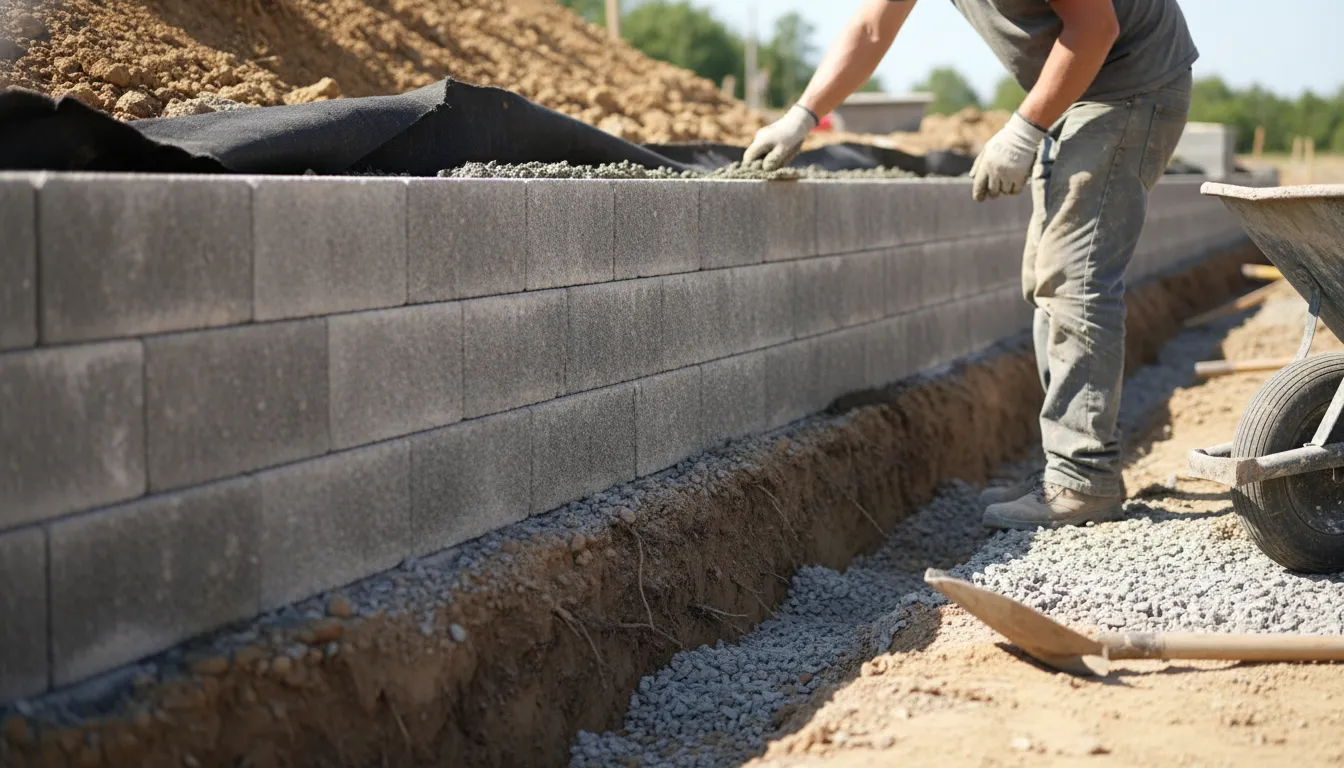
- Retaining Walls: Essential for managing Vermont's frequent slopes and hills, retaining walls prevent soil erosion, create level areas for gardening or recreation, and can be a striking landscape feature. They are built from stone, block, or timber and often require engineering for walls over a certain height.
Vermont-Specific Design & Engineering Considerations
Success in Vermont hardscaping hinges on planning for the local environment. Two factors dominate every project: weather and water.
Mastering the Freeze-Thaw Cycle
Vermont's extreme temperature swings are the primary challenge for any hardscape. Water that seeps into materials and subsoil will freeze and expand, then thaw and contract. This cycle can cause heaving, cracking, and shifting if the installation isn't properly engineered. The solution lies in expert base preparation-using adequate layers of compacted gravel and sand to create a stable, draining foundation-and selecting materials like natural granite, fieldstone, or high-quality concrete pavers rated for freeze-thaw conditions.
Drainage is Non-Negotiable
Proper drainage is the most critical engineering aspect of Vermont hardscaping. Water must be directed away from structures, foundations, and the hardscape itself. This involves grading the site correctly, incorporating drainage pipes (like French drains) behind retaining walls, and ensuring surfaces have a slight pitch. A project without a solid drainage plan is vulnerable to rapid failure, especially with the heavy snowmelt and rain common in the region.
Navigating Vermont Regulations & Permits
Before breaking ground, it's crucial to understand local requirements. Regulations exist to ensure safety, protect the environment, and maintain community standards.
- Local Permits: Most Vermont towns require permits for significant alterations. This is almost always mandatory for retaining walls over a certain height (commonly 3-4 feet), new or expanded driveways that impact drainage, and projects near property lines or wetlands 1.
- Zoning & Site Plan Review: If your project involves major site work or could be considered an accessory structure, your town may require a zoning review. Municipalities like Burlington have specific regulations governing landscape alterations and structures 2.
- State Codes: While primarily for buildings, Vermont's Residential Building Energy Standards (RBES) can influence site work that affects a home's thermal envelope or drainage footprint 3.
A reputable hardscaping contractor will be familiar with this process and can often handle or guide you through the permitting steps.
Find the perfect hardscaping contractors for your needs
Get personalized recommendations and expert advice
Material Selection for Durability and Aesthetics
Choosing the right material balances longevity, maintenance, cost, and the classic Vermont look.
- Natural Stone (Granite, Fieldstone, Flagstone): The premium choice for Vermont. It's incredibly durable, naturally beautiful, and blends seamlessly with the environment. Stone patios, walkways, and walls are a lifetime investment but come at a higher initial cost and require skilled installation.
- Concrete Pavers: A versatile and popular option. Modern pavers come in a wide array of colors, shapes, and textures that can mimic stone. They are engineered for strength and, when installed correctly with a proper base, perform very well in freeze-thaw climates. They offer a more consistent look than natural stone 4.
- Gravel: The most economical and permeable option. Ideal for rustic driveways, pathways, and drainage areas. It requires occasional regrading and topping off but allows for excellent water infiltration. Crushed stone is a more stable variation for high-traffic areas.
- Segmental Retaining Wall Blocks: Specifically engineered for building walls. These interlocking concrete blocks are designed for strength, ease of installation, and often include built-in drainage channels. They offer a clean, modern look and are available in various finishes.
Understanding Project Costs in Vermont
Hardscaping is an investment in your property. Costs in Vermont vary widely based on materials, site complexity, and labor. Here's a general framework to set expectations:
- Gravel Driveway or Path: $10 - $30 per square foot (materials and installation) 5.
- Paver Patio or Walkway: $20 - $50+ per square foot. The final cost depends on the paver quality, pattern complexity, and the amount of base preparation required 6.
- Natural Stone Patio or Walkway: $30 - $70+ per square foot. This reflects the high cost of materials and the skilled labor needed for cutting and fitting stone 7.
- Retaining Walls: $25 - $100+ per square foot of wall face. This is the most variable cost, heavily influenced by the wall's height, material, need for engineering plans, and excavation work 8 9.
These are estimates. The only way to get an accurate price is to have a contractor assess your specific site. Factors like difficult access, steep slopes, rocky soil, and extensive drainage needs will all influence the final quote.
The Professional Installation Process
Working with a qualified contractor ensures your project is built to last. A typical process includes:
- Consultation & Design: Discussing your vision, budget, and site challenges. A good contractor will assess drainage, soil, and sun exposure.
- Planning & Permitting: Finalizing design plans and securing any necessary local permits.
- Site Preparation: This is the most critical phase in Vermont. It involves excavation, grading, and installing a deep, compacted base of gravel and sand.
- Installation: Precisely laying the chosen materials, ensuring proper pitch for drainage, and securing joints.
- Drainage & Finishing: Installing any necessary drainage systems, adding edge restraints, and applying joint sand or sealant.
- Final Review: A walkthrough to ensure the work meets agreed-upon standards and functions correctly.
Frequently asked questions
Sources
Footnotes
-
Chapter 16: Landscape Design - Pressbooks at Virginia Tech - https://pressbooks.lib.vt.edu/emgtraining/chapter/16/ ↩
-
Citywide General Regulations - ARTICLE 5 - Burlington, VT - https://www.burlingtonvt.gov/DocumentCenter/View/2496 ↩
-
Residential Building Energy Standards - https://publicservice.vermont.gov/efficiency/building-energy-standards/residential-building-energy-standards ↩
-
Hardscape Design & Installation in Vermont - Landshapes - https://www.landshapes.net/landscaping-services/hardscapes/ ↩
-
Gravel vs. Pavers - What's Best for Your Vermont Driveway or Patio? - https://neklandscaping.com/gravel-vs-pavers-vermont/ ↩
-
Paver Patio Pricing by Size | Cost of 12x12 Patio & Per Sq Ft Guide - https://tomahawk-power.com/blogs/articles/how-much-does-a-paver-patio-cost-pricing-by-size-and-square-foot ↩
-
Vermont Patio, Garden & Walkway Stone at Livingston Farm - https://livingstonfarm.com/stone/patio-walkway-stone/ ↩
-
Building a Retaining Wall on a Slope Cost: Best 10 Tips - https://maslandscaping.com/building-a-retaining-wall-on-a-slope-cost/ ↩
-
Raised patio construction: 7 Powerful Benefits in 2025 - https://ajmgrounds.com/raised-patio-construction/ ↩