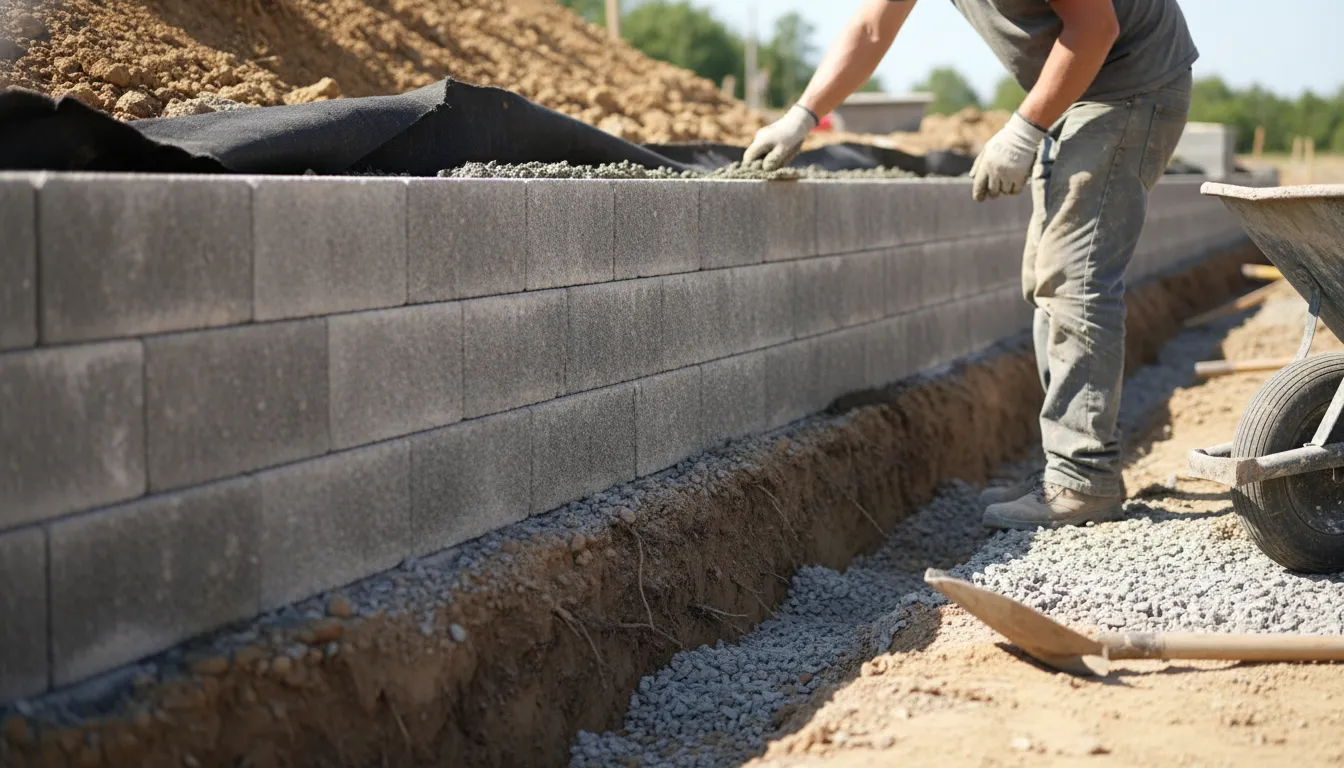
Find the Best Hardscaping Contractors for Your Business
No obligation • Fast responses • Nationwide coverage

Why you can trust Landscape Atlas
Landscape Atlas is a leading United States resource for evaluating landscaping, lawn care, and outdoor service providers. Our team researches each category in depth, focusing on service quality, safety, and customer experience. Listings and rankings are based on independent criteria and user feedback, and companies cannot pay to influence our assessments or recommendations.
Search providers near you
Best Hardscaping Contractors in Wisconsin Ranked
Hardscaping transforms your Wisconsin property by adding permanent, functional, and beautiful outdoor structures. From patios and walkways to retaining walls and outdoor kitchens, these elements define your landscape, increase property value, and create spaces for year-round enjoyment. Finding the right professional for your project is crucial, as proper design, material selection, and installation are key to ensuring your hardscape withstands the state's challenging climate. This guide will help you understand the services, considerations, and local expertise available for your next outdoor improvement.
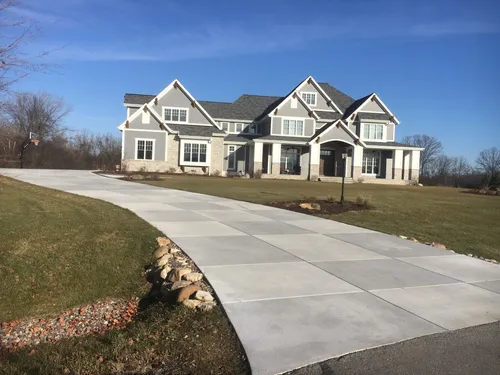
Victory Outdoor Services
Brookfield, WI 53005
Victory Outdoor Services is a hardscaping contractor based in Milwaukee, WI, specializing in concrete installation for driveways, patios, and walkways. They offer a range of concrete services including standard, stamped, colored, and stained concrete, providing customized outdoor solutions. The company serves Southeast Wisconsin, including Milwaukee and surrounding communities. Victory Outdoor Services has decades of experience and also provides commercial snow and ice removal services.
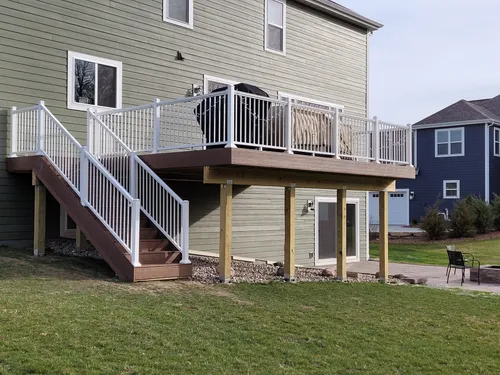
Fence and Deck Pros
2960 N 75th St, Milwaukee, WI 53210
Fence and Deck Pros is an exterior structure specialist based near Milwaukee, WI. They provide fence installation, landscape design, and hardscaping services including decks, patios, pergolas, and retaining walls. The company serves Milwaukee and surrounding areas such as Wauwatosa, Mequon, Racine, and Waukesha. They offer a variety of fencing options for residential, commercial, industrial, and security needs, and work with materials like treated wood, synthetic wood, and sustainable options. Fence and Deck Pros also provides design recommendations to help bring customer visions to life.
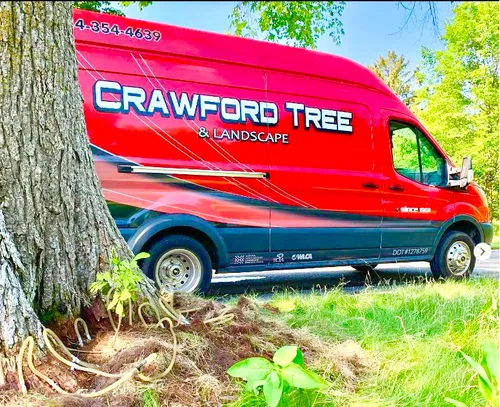
Crawford Tree & Landscape Services, Inc.
8760 W Calumet Rd, Milwaukee, WI 53224
Crawford Tree & Landscape Services, Inc. is a full-service tree and landscape care company based in Milwaukee, WI. They offer a wide range of services including tree risk assessment, removal, pruning, shrub trimming, lawn mowing, landscaping, grading, drainage solutions, and hardscape installation. Their plant health care services include disease management, pest control, fertilization, and specialized treatments such as Emerald Ash Borer protection. Established in 1969, Crawford Tree & Landscape Services provides 24/7 availability for urgent needs and uses advanced equipment to ensure safe and efficient operations.

Western Landscape LLC
6880 County Rd M, Verona, WI 53593
Western Landscape LLC is a full-service lawn care and landscaping company based in Madison, WI. Founded by brothers Sam and Elijah, the company offers a wide range of services including lawn mowing, fertilization, weed control, landscape design, hardscaping, snow removal, and luxury vinyl plank installation for both residential and commercial properties. They are known for transforming outdoor spaces into attractive and functional areas, serving Madison and the surrounding communities.
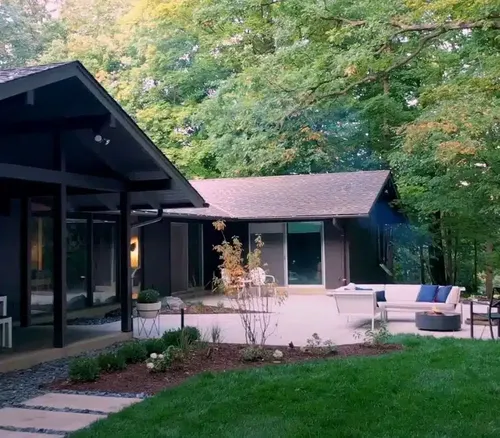
Corbin Landscaping and Lawn Care
Milwaukee, WI
Corbin Landscaping and Lawn Care is a landscaping and lawn care company based in Milwaukee, WI. They offer landscape design, garden services, and maintenance including leaf cleanup, mulching, bush trimming, and seasonal cleanups. Their services cover Brookfield, Elm Grove, and surrounding areas, focusing on creating and maintaining gardens with features like flower beds and paver patios. The team emphasizes sustainability and aims to enhance outdoor spaces with professional care.
Popular Hardscaping Services in Wisconsin
Wisconsin homeowners invest in hardscaping to enhance livability and address practical needs. The most common projects include creating defined outdoor rooms and managing the state's varied terrain.
Patios and Walkways
These are the foundation of outdoor living, turning unused yard space into extensions of your home. In Wisconsin, popular materials include:
- Concrete Pavers: Extremely durable and available in countless shapes, colors, and textures. Their interlocking design and flexibility make them resistant to cracking from ground movement caused by freeze-thaw cycles.
- Natural Stone: Flagstone, bluestone, and limestone offer a timeless, organic look. Each piece is unique, creating a one-of-a-kind surface. Proper sealing is often recommended for longevity.
- Brick: Classic clay brick provides a traditional, warm aesthetic. It's durable but can be susceptible to moss growth in shaded areas, requiring occasional maintenance.
- Poured Concrete: A cost-effective option that can be stamped, stained, or textured to mimic more expensive materials. Its success in Wisconsin heavily depends on expert installation with control joints to manage cracking.
Retaining Walls
Essential for managing slopes, preventing erosion, and creating level areas on uneven lots. Wisconsin contractors build walls using:
- Segmental Retaining Wall (SRW) Blocks: These interlocking concrete blocks are the most common choice. They are engineered for strength, come in various finishes, and are designed for proper drainage behind the wall, a critical factor for stability.
- Natural Stone: Dry-stack or mortared stone walls offer a rustic, high-end appearance. They require significant skill to construct properly.
- Timber: Treated landscape timbers are a traditional, cost-effective option for shorter walls but have a shorter lifespan than masonry materials.
Driveways
Upgrading a driveway with pavers significantly boosts curb appeal. Paver driveways are more permeable than solid concrete, helping to reduce stormwater runoff. Their modular nature also means individual damaged pavers can be replaced easily without patching.
Outdoor Living Features
These projects turn a patio into a true backyard destination.
- Outdoor Kitchens: Built with durable, weather-resistant materials like stone, stucco, and stainless steel to withstand Wisconsin seasons.
- Fire Pits and Fireplaces: Create a cozy gathering spot, extending the usability of your outdoor space into cooler evenings.
- Water Features: The sound of a bubbling fountain or a small pond adds a serene ambiance and can attract local wildlife.
Critical Considerations for Wisconsin Climates
Wisconsin's distinct four-season weather, particularly the harsh freeze-thaw cycles, demands specific construction techniques. A well-built hardscape is designed from the ground up to handle these challenges.
Foundation and Base Preparation
This is the single most important factor for longevity. A proper base prevents heaving, sinking, and cracking.
- Excavation: The area must be excavated to a depth that accounts for the pavers or wall blocks plus a substantial gravel base (typically 4-8 inches for patios, more for driveways).
- Base Material: A compacted layer of crushed gravel (often "road base" or "Class 5" gravel) is essential. It provides stability and, crucially, allows for drainage, preventing water from pooling and freezing beneath the surface.
- Bedding Sand: A level layer of coarse, concrete sand is laid on top of the compacted base. This fine-tunes the leveling for pavers and allows for minor adjustments.
Drainage and Water Management
Managing water is paramount. Poor drainage is the leading cause of hardscape failure in cold climates.
- Slope: All surfaces should have a slight slope (typically 1-2%) away from your home's foundation to direct water runoff.
- Permeable Options: Permeable pavers and gravel joints allow water to infiltrate the ground below, reducing surface runoff and ice formation.
- Behind Walls: Retaining walls require a perforated drain pipe (weeping tile) at the base, backfilled with gravel, to relieve hydrostatic pressure from trapped water, which can cause walls to bulge or collapse.
Find the perfect hardscaping contractors for your needs
Get personalized recommendations and expert advice
Understanding Permits and Regulations
Before breaking ground, it's vital to understand local requirements. Regulations exist to ensure safety, proper drainage, and compliance with zoning laws.
When Are Permits Typically Required?
While rules vary by municipality, certain projects almost always need a permit:
- Retaining Walls: Most Wisconsin cities and towns require a building permit for any retaining wall over 4 feet in height (measured from the bottom of the footing to the top of the wall). Walls over a certain height may also require an engineer's stamp on the design plans.
- Structural Work: Projects like decks, pergolas attached to a house, or covered structures often need permits.
- Electrical/Gas: Any hardscaping that includes permanent lighting, an outdoor kitchen with gas lines, or an electric fire feature will require separate electrical or plumbing permits, inspected by licensed professionals.
Stormwater and Impervious Surface Rules
Many communities have regulations limiting the amount of impervious surface (like solid concrete) on a lot, as it increases stormwater runoff.
- Calculations: Adding a large patio or driveway may trigger a review of your property's total impervious coverage.
- Mitigation: You may be required to add mitigation features, such as a rain garden, dry well, or specifically using permeable pavers, to offset the new runoff 1.
The Best Practice: Always contact your local building inspection or zoning department to inquire about permit requirements for your specific project. A reputable hardscaping contractor will usually handle this process for you.
Investment and Cost Factors
The cost of a hardscaping project in Wisconsin varies widely based on size, materials, site complexity, and labor. Understanding the cost drivers helps in planning a realistic budget.
Cost Ranges for Common Projects
- Patios and Walkways: Generally range from $15 to $50+ per square foot installed. The low end might be a basic poured concrete patio, while the high end reflects a large, complex natural stone patio with intricate patterns 2 3.
- Retaining Walls: Typically cost $50 to $100+ per linear foot. Height, material (natural stone is premium), and site accessibility (e.g., a backyard with no equipment access) significantly impact the price 4.
- Paver Driveways: A significant investment, usually between $25 and $60+ per square foot, considering the need for a much heavier-duty base to support vehicles 5.
- Outdoor Features: A simple built-in fire pit might start around $3,000, while a full outdoor kitchen with appliances, countertops, and masonry work can easily exceed $10,000 6.
What Influences the Final Price?
- Material Selection: Natural stone is more expensive than concrete pavers. Within paver lines, premium styles and colors cost more.
- Project Scale: Larger projects benefit from economies of scale (lower cost per square foot) for materials and equipment mobilization.
- Site Conditions: Slopes, poor soil, rocky ground, or difficult access (requiring manual labor) increase preparation time and cost.
- Design Complexity: Curved edges, intricate patterns, multiple levels, and integrated lighting or other features add to labor time.
- Demolition & Removal: The cost to remove an old patio, driveway, or existing landscape features must be factored in.
Choosing a Qualified Professional
Given the technical and regulatory aspects, selecting the right contractor is critical.
- Specialization: Look for contractors who specifically advertise hardscaping, masonry, or paver installation, not just general landscaping.
- Portfolio & References: Review their past work, especially projects a few years old, to see how their installations have held up over time. Ask for and contact local references.
- Licensing & Insurance: Verify they carry both liability insurance and workers' compensation insurance. While a state contractor's license may not be required for all hardscaping, check for any local licensing.
- Detailed Estimates & Contracts: A professional quote should be detailed, listing materials (brand, product line, color), scope of work, base preparation specifications, timeline, payment schedule, and warranty information.
- Permit Knowledge: They should be familiar with the permit process in your area and be willing to pull permits on your behalf.
Frequently asked questions
Sources
Footnotes
-
Our Wisconsin Hardscaping & Landscaping Permit Guide - https://ecoharmonylandscaping.com/wisconsin-hardscaping-landscaping-permit-guide/ ↩
-
Patio & Walkway Material Guide - Aspen Garden & Landscape - https://www.aspengardenandlandscape.com/patio-material-guide ↩
-
Estimating the Cost of a Patio - https://green-weaver.com/estimating-the-cost-of-a-pat ↩
-
Hardscape, Retaining Walls, Patios, Water Features Green Bay, WI - https://sharperedgeinc.com/green-bay-landscaping-services/green-bay-hardscape-paver-patios-retaining-walls-water-features/ ↩
-
Residential Hardscapes, Milwaukee, Muskego, Franklin, WI - https://www.tmslandscape.com/residential_projects.htm ↩
-
A Comprehensive Guide to Designing Your Outdoor Space - https://wirtzanddaughters.com/guide-to-hardscaping-design-projects/ ↩