Find the Best Land Clearing Contractors for Your Business
No obligation • Fast responses • Nationwide coverage

Why you can trust Landscape Atlas
Landscape Atlas is a leading United States resource for evaluating landscaping, lawn care, and outdoor service providers. Our team researches each category in depth, focusing on service quality, safety, and customer experience. Listings and rankings are based on independent criteria and user feedback, and companies cannot pay to influence our assessments or recommendations.
Search providers near you
Top Land Clearing Contractors in Beaumont, California Ranked
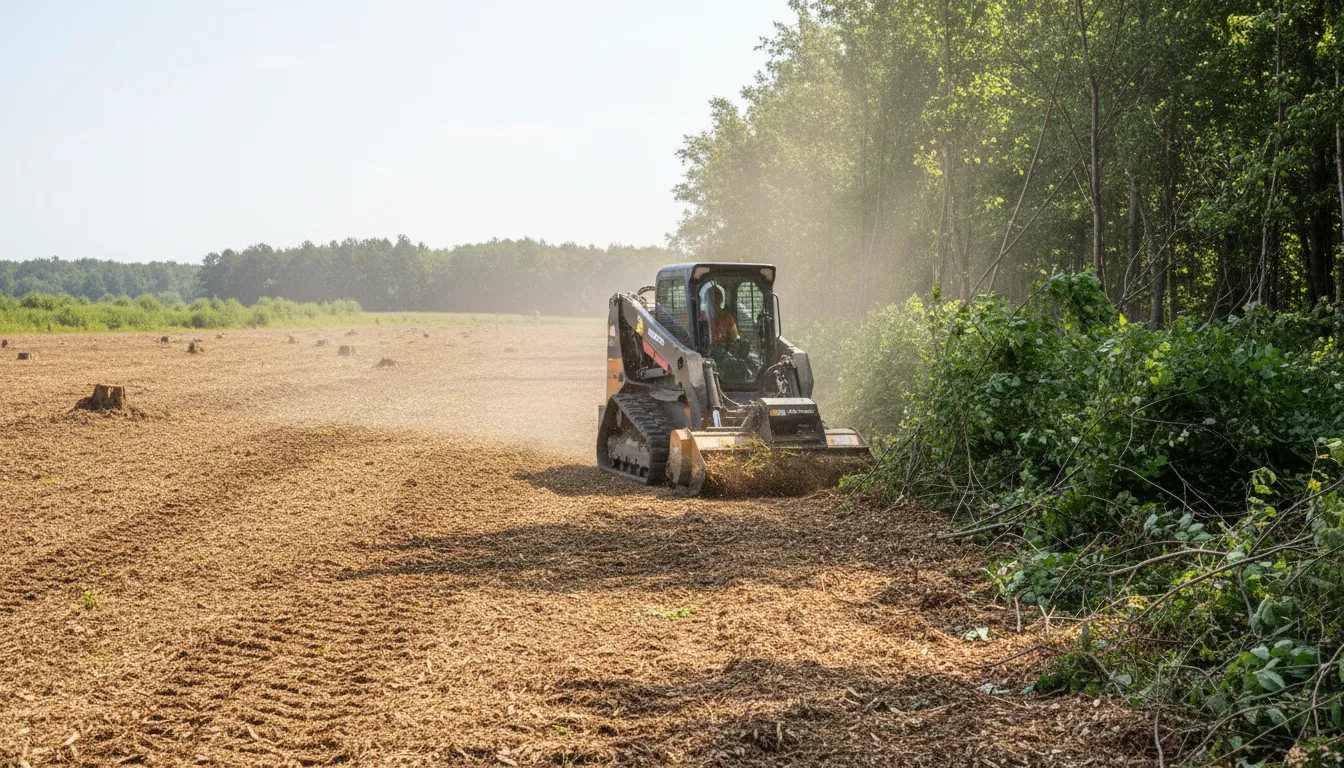
Land clearing in California is a critical process for property development, wildfire prevention, and land management, but it is governed by a complex web of state and local regulations. These rules focus on fire safety, protecting sensitive habitats, and preventing soil erosion, especially during the rainy season. Understanding these requirements is essential for any project, from creating defensible space around a home to preparing a large parcel for construction. This guide outlines the key regulations, best practices, and cost considerations to help you plan your land clearing project effectively and in compliance with California law.
Endless Tree Service
1234 Bautista Ln, Colton, CA 92324
Endless Tree Service is a family-owned business based in Riverside, CA, with over 30 years of experience in tree care and land clearing. They provide services such as ornamental pruning, tree topping, trimming, removal, stump grinding, and lot clearing. The company serves Riverside and surrounding communities including San Bernardino, Colton, Redlands, Rancho Cucamonga, Rialto, Fontana, and Yucaipa. Their team uses industry-standard methods and equipment to ensure quality and safety while respecting the environment and property.
Ortega's Jr Tree Care LLC
5896 Norwood Ave, Riverside, CA 92505
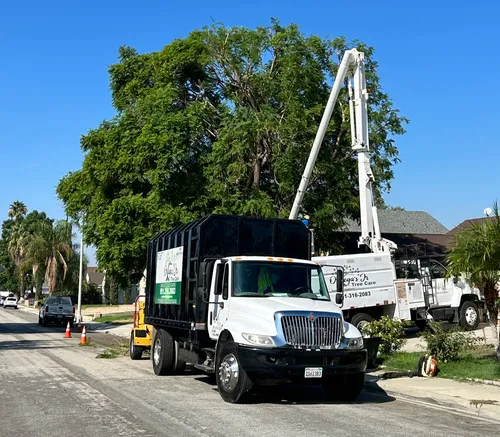
Ortega's Jr Tree Care LLC is a family-owned tree service and land clearing company based in Riverside, CA. They provide a range of services including tree removal, stump grinding, palm tree trimming, and land clearing for jobs of any size. With over 15 years of experience, the company is licensed, insured, and offers 24/7 emergency tree services for after-hours needs.
Green Vision Tree Service
25596 El Greco Dr, Moreno Valley, CA 92553
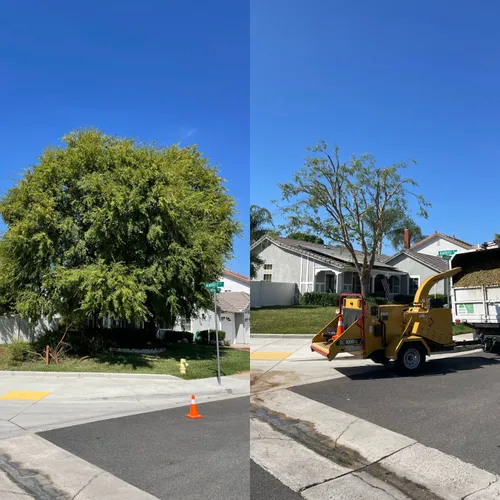
Green Vision Tree Service is a family-owned business providing tree and landscaping services in Riverside, CA. They serve both residential and commercial clients, offering tree trimming, removal, stump grinding, ornamental pruning, and lot clearing. The company also installs mulch and gravel to enhance landscaping projects. With over a decade of experience, Green Vision Tree Service is licensed, bonded, and insured, and they provide emergency tree services available 24/7 to address urgent needs.

SMITH TRACTOR WEED ABATEMENT SERVICES
Los Angeles, CA
SMITH TRACTOR WEED ABATEMENT SERVICES is a family-owned land clearing contractor based in Los Angeles, CA, specializing in weed abatement and brush removal. Serving Western Riverside County, including Lake Elsinore, Menifee, Wildomar, and Murrieta, the company uses specialized machinery to safely remove hazardous weeds and dry vegetation in compliance with local ordinances. With over 50 years of experience, they focus on reducing fire risk and property liability through effective vegetation management.
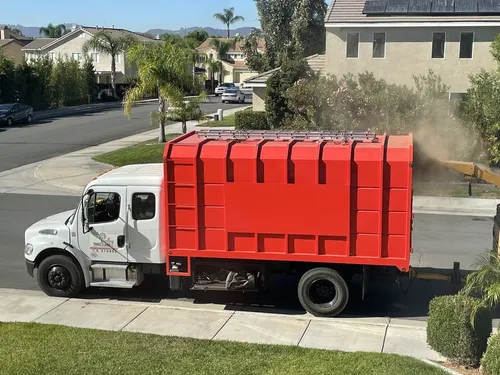
Valley Tree Care
Riverside, CA
Valley Tree Care provides residential, commercial, and industrial tree services in Riverside, CA. Their offerings include tree pruning, trimming, removal, stump grinding, and emergency tree services. The company is equipped to handle site and right-of-way clearing, plant health and risk assessments, and fertilization. Valley Tree Care is family-owned and operated, with a team of highly trained professionals experienced in managing tree care in various settings, including power plants. They offer 24-hour emergency tree service and serve multiple areas across Riverside and Orange County.
Fire Safety and Defensible Space Regulations
In wildfire-prone California, creating and maintaining defensible space is not just a recommendation-it's often a legal requirement. The primary goal is to slow or stop the spread of wildfire and protect structures by managing vegetation.
- Zone 0 (Ember-Resistant Zone): This area, extending 0-5 feet from structures, requires the most stringent clearance. It involves removing all dead plants, grass, weeds, and flammable vegetation. Using non-combustible materials like gravel or stone in this zone is highly recommended.
- Zone 1 (Lean, Clean, and Green Zone): Extending 30 feet from buildings (or up to 100-200 feet in high-hazard areas), this zone requires removing all dead or dry vegetation. Trees should be spaced apart, and limbs should be trimmed to a height of at least 6 feet from the ground to prevent fire from climbing into the canopy.
- Zone 2 (Reduced Fuel Zone): This outer zone, extending from 30 to 100 feet (or more), focuses on reducing fuel density. Grass should be maintained at a maximum height of 3 inches, and vertical and horizontal spacing between trees and shrubs is increased to break up continuous paths for fire.
Local fire districts, especially in areas like Los Angeles and San Diego, may require permits for any clearing beyond the standard defensible space, and they conduct annual inspections to ensure compliance1. Failure to maintain defensible space can result in fines, and the fire department may clear the land at the property owner's expense2.
Protecting Sensitive Species and Habitats
California's diverse ecosystems are home to many protected plant and animal species. Land clearing activities must avoid harming these species and their habitats.
- Protected Plants: Before clearing, a site survey may be necessary to identify sensitive species, such as certain annual wildflowers or bulbs. The State Project Requirements (SPR) often mandate that ground disturbance in areas with these species occur only during their dormant season or after their life cycle is complete to prevent destruction.
- Habitat Considerations: Clearing large areas can fragment wildlife corridors. Regulations may require leaving certain trees, shrubs, or brush piles as habitat, or implementing phased clearing to allow animals to relocate3 4.
- Permitting: Projects near wetlands, streams, or known habitats for protected species may require additional permits from state or federal agencies. It's crucial to check with local planning departments early in the process.
Erosion and Sediment Control Mandates
Preventing soil erosion and sediment runoff is a major regulatory focus, particularly to protect California's waterways. The rainy season (generally October 15 to April 15) is a critical period for control measures5.
- Timing: Major land-disturbing activities are discouraged during the wet season. If work must occur, stringent erosion control plans are mandatory.
- Best Practices & Controls: Regulations require installing erosion and sediment controls before grading begins. Common measures include:
- Silt Fences: Placed downhill of work areas to trap sediment.
- Straw Wattles: Laid on slopes to slow water flow and filter sediment.
- Erosion Control Blankets: Used to stabilize seeded slopes, especially those steeper than a 4:1 gradient.
- Diversion Berms: To channel clean water away from disturbed soil.
- Wind Erosion: During droughts, exposed soil is vulnerable to wind erosion. Plans must include measures like prompt revegetation or applying tackifiers to hold soil in place6 7.
Local municipalities have their own approved standards, such as the City of Redding Erosion and Sediment Control Standards, which detail specific requirements for inlet protection, slope stabilization, and runoff management8.
Find the perfect land clearing contractors for your needs
Get personalized recommendations and expert advice
Cost Factors for Land Clearing in California
The cost to clear land in California varies dramatically, from a few hundred dollars for a small residential plot to tens of thousands for large, complex acreage. Key factors influencing price include:
- Project Size & Vegetation Density: A small, brush-covered half-acre lot may cost a few thousand dollars to clear. A heavily forested 10-acre parcel with large trees can easily exceed $10,0009. Dense chaparral or overgrown thickets require more powerful equipment and labor.
- Terrain and Accessibility: Steep slopes, rocky ground, and poor access for heavy machinery increase costs significantly. Swampy or soft ground may require specialized tracked equipment.
- Disposal and Debris Management: California has strict rules on burning and dumping. Costs for hauling away debris, chipping it on-site, or legally disposing of it can be a major part of the budget. Some projects may qualify for controlled burning permits, but these are highly regulated.
- Equipment and Labor: The type of equipment needed drives daily rental rates and operator costs.
- Bulldozers ($800-$1,200/day): Used for pushing over trees and leveling dense woods on large plots.
- Forestry Mulchers ($1,000-$1,800/day): Excellent for quickly processing brush and small trees into mulch, which can be left on-site to suppress weeds and enrich soil.
- Excavators ($600-$1,000/day): Ideal for precision work, removing stumps, and working on uneven terrain.
- Skid Steers ($300-$500/day): Versatile for smaller projects, grading, and loading debris10.
Planning and Executing Your Project
Successful land clearing in California requires careful planning and often professional help.
- Define Your Goals: Are you creating defensible space, preparing for construction, or restoring native habitat? Your goal dictates the scope and methods.
- Research Local Regulations: Contact your local building/planning department and fire district. They can provide specific codes, permit requirements, and defensible space maps for your property.
- Conduct a Site Assessment: A professional can identify sensitive species, assess soil stability, and evaluate the best clearing methods for your terrain.
- Develop a Detailed Plan: This should include the clearing boundaries, methods (grubbing, mulching, etc.), erosion control measures, debris disposal plan, and a timeline that considers seasonal restrictions.
- Obtain Necessary Permits: Common permits include Grading Permits, Encroachment Permits (for work near roads), and Fire Department Clearance Permits. The process can take several weeks.
- Hire a Qualified Professional: Look for licensed, insured contractors with experience in California's regulatory environment. They should understand CAL FIRE requirements, local erosion control standards, and proper disposal methods.
Frequently asked questions
Sources
Footnotes
-
Brush Clearance Requirements - Los Angeles Fire Department - https://lafd.org/fire-prevention/brush/brush-clearance-requirements ↩
-
Property Owner Responsibility - https://acwm.lacounty.gov/property-owner-responsibility/ ↩
-
VEGETATION CLEARING FAQ SHEET (1) - https://www.sandiegocounty.gov/content/dam/sdc/pds/docs/pds800.pdf ↩
-
Standard Project Requirements (SPR) & Mitigation Measures (MM) ... - https://cdnverify.bof.fire.ca.gov/media/cxyisy3j/psa-id-2023-41-attachment-a.pdf ↩
-
ATTACHMENT 1: LANDFORM ALTERATION POLICY CONCERNS - https://www.coastal.ca.gov/landform/attach1.html ↩
-
A General Review - California Water Boards - https://www.waterboards.ca.gov/water_issues/programs/stormwater/docs/constpermits/cgp_review_4.0.pdf ↩
-
EROSION/SEDIMENTATION CONTROL PROGRAM - https://santabarbaraca.gov/sites/default/files/documents/Community%20Development/Erosion%20Control/Erosion%20%26%20Sedimentation%20Control%20Program.pdf ↩
-
City of Redding Erosion and Sediment Control Standards Design ... - https://www.waterboards.ca.gov/water_issues/programs/stormwater/docs/reddingcity/swmpapxk.pdf ↩
-
How Much Does it Cost to Clear Land in 2026? - Lawn Love - https://lawnlove.com/blog/land-clearing-cost/ ↩
-
What is the Cost of Land Clearing in Northern California? - https://ftclandmanagement.com/blog/what-is-the-cost-of-land-clearing-in-northern-california/ ↩