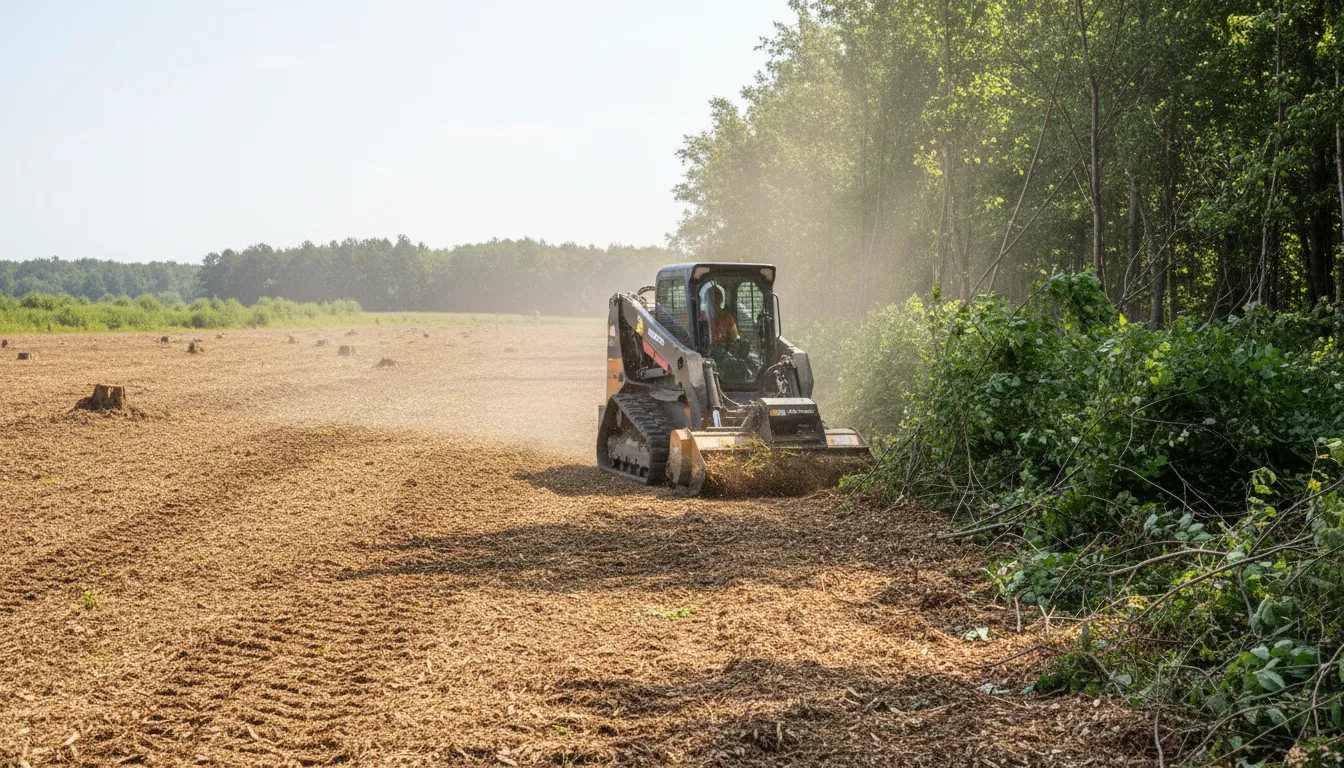
Find the Best Land Clearing Contractors for Your Business
No obligation • Fast responses • Nationwide coverage

Why you can trust Landscape Atlas
Landscape Atlas is a leading United States resource for evaluating landscaping, lawn care, and outdoor service providers. Our team researches each category in depth, focusing on service quality, safety, and customer experience. Listings and rankings are based on independent criteria and user feedback, and companies cannot pay to influence our assessments or recommendations.
Search providers near you
Top Land Clearing Contractors in Mountain View, California Ranked
Land clearing is the essential first step in preparing a property for construction, landscaping, or creating defensible space. In Mountain View, this process involves the careful removal of trees, brush, and other vegetation to create a clean, usable plot of land. Whether you're planning a new home, expanding your outdoor living area, or mitigating wildfire risk, understanding the local process and regulations is crucial. This guide will help you navigate the key considerations, typical steps, and costs associated with site clearing and brush removal in the area, connecting you with the information needed to plan your project effectively.
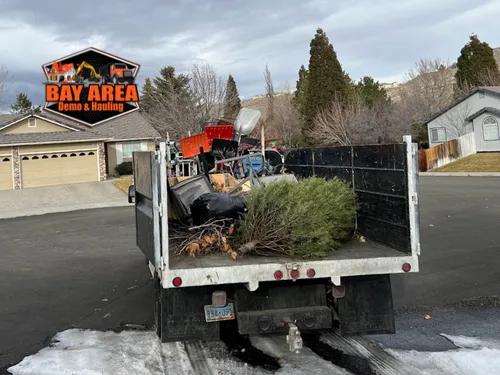
Bay Area Demo and Hauling
2034 Woodard Rd, San Jose, CA 95124
Bay Area Demo and Hauling is a licensed demolition and hauling contractor based in San Jose, CA. They provide residential and commercial demolition, junk removal, and site cleanup services across San Jose and the greater Bay Area within 25 miles. Their team uses specialized equipment such as concrete saws and jackhammers to handle projects ranging from backyard shed removal to full interior teardowns. The company emphasizes eco-conscious practices, recycling or repurposing over 80% of materials they haul to reduce landfill waste. Bay Area Demo and Hauling holds a contractor state license and OSHA certifications, ensuring compliance and safety on every job.
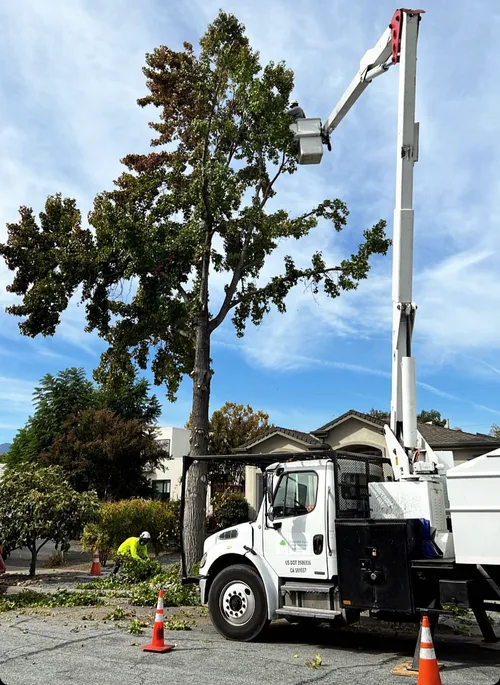
Emerald View Tree Service
3333 Pepper Tree Ln, San Jose, CA 95127
Emerald View Tree Service is a family-owned company based in San Jose, CA, with over 25 years of experience in tree care and land clearing. They provide services to both residential and commercial customers in San Jose and surrounding areas including Willow Glen, Rose Garden, Campbell, Saratoga, Cupertino, and more. Their capabilities include tree trimming, pruning, removal, stump grinding, hedge shaping, and brush clearing, supported by a fleet of utility trucks, wood chippers, and stump grinders. Emerald View Tree Service is licensed, insured, and fully bonded, offering professional service with same-day free estimates.
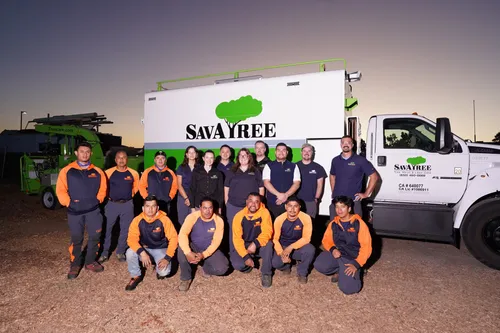
SavATree - Tree Service
1993 E Bayshore Rd, Redwood City, CA 94063
SavATree - Tree Service offers professional tree care and land clearing services in San Jose, CA. Their services include tree disease treatment, pruning, removal, stump grinding, cabling and bracing, insect and mite management, fertilization, and wildfire risk management. The team also provides emergency tree services for hazardous situations. They focus on maintaining tree health and safety while preparing properties for landscaping or fire-safe conditions.
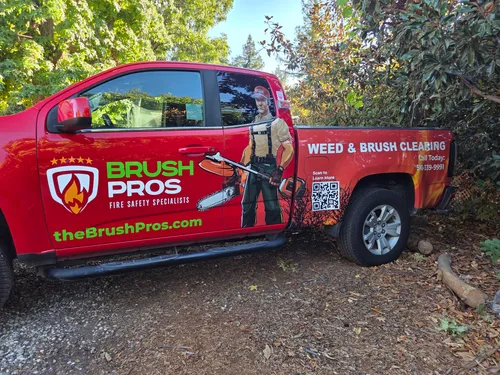
Brush Pros
San Jose, CA
Brush Pros is a tree service and land clearing contractor based in San Jose, CA, specializing in brush clearing, yard cleanup, tree pruning, and fire abatement services. They serve the East Bay region of California, including Oakland, Orinda, and Lafayette, focusing on fire inspection-compliant brush clearing and yard maintenance. With over 40 years of experience since 1982, Brush Pros uses commercial-grade, electric-powered equipment in compliance with local regulations and offers a fire inspection guarantee to help reduce fire hazards on properties.
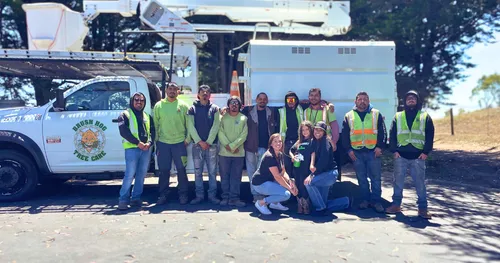
Brush Hog Tree Care Inc.
799 Main St Suite P, Half Moon Bay, CA 94019
Brush Hog Tree Care Inc. is a tree service and land clearing contractor based in San Jose, CA. They offer a range of services including tree removal, stump grinding, brush removal, and fuel mitigation to help protect properties and communities. With over 20 years of experience, the company also provides poison oak removal and emergency tree services available 24/7. They are fully licensed, insured, and bonded, ensuring professional and safe operations.
Understanding the Land Clearing Process
Land clearing, often referred to as lot clearing or site preparation, is far more than simply cutting down trees. It's a systematic project that transforms overgrown or wooded land into a safe, level, and buildable space. In Mountain View, common reasons for undertaking this work include new home construction, creating a backyard oasis, improving property access, and, critically, reducing wildfire fuel loads in compliance with local safety guidelines 1.
The complexity of a clearing project can vary dramatically. A small, lightly wooded backyard requires a different approach than a full-acre lot covered in dense brush and large trees. Regardless of scale, a professional approach ensures the job is done safely, efficiently, and in accordance with all city regulations, which are particularly important in this region.
Key Reasons for Property Clearing in Mountain View
- New Construction: Preparing a level building pad for a home, ADU, or other structure.
- Landscape Renovation: Clearing an area for a new lawn, garden, patio, or pool.
- Fire Safety (Defensible Space): Creating a buffer zone by removing flammable vegetation, a critical practice in wildfire-prone California.
- Property Access: Clearing paths for driveways, utilities, or fencing.
- Land Health: Removing invasive species or dead/diseased trees to improve the health of the remaining ecosystem.
The Step-by-Step Guide to Clearing Your Land
A successful land clearing project follows a logical sequence. Reputable contractors will typically manage this entire process, from initial planning to final grading.
1. Site Survey and Planning
Every project begins with a thorough assessment. A professional will visit your property to evaluate the scope. They will identify the types and sizes of trees, the density of underbrush, the slope of the land, and any potential obstacles like large rocks or old structures. This survey is used to create a clearing plan, determine the necessary equipment, and identify any special requirements, such as protecting existing trees you wish to keep.
2. Permitting and Regulations
This is a critical step in Mountain View. The city has regulations, particularly concerning tree removal permits, that must be followed. A professional land clearing service will often handle the permit application process for you. They understand which permits are required for vegetation removal and subsequent grading work, helping you avoid costly fines and project delays 2. Always verify that your contractor is familiar with local Mountain View ordinances.
3. Vegetation and Tree Removal
This is the physical clearing phase. The method depends on the vegetation:
- Trees: Large trees are typically felled using chainsaws and carefully directed. For larger tracts, heavy machinery like excavators with shears may be used.
- Brush and Undergrowth: Dense brush is cleared using specialized equipment like forestry mulchers, brush mowers, or excavators with rakes.
- Techniques: For larger areas, contractors may use bulldozers with rakes or even employ a technique called "chaining" (dragging a heavy chain between two bulldozers) to efficiently clear lighter vegetation.
4. Stump and Root Removal (Grubbing)
After trees are felled, stumps and major root systems must be removed to prevent future settling and to allow for proper grading. This process, called grubbing, is done using an excavator or a dedicated stump grinder. Grinding stumps into wood chips is a common and efficient method.
5. Debris Management and Disposal
What happens to all the removed material? Disposal strategy significantly impacts the project's cost and environmental footprint.
- On-Site Processing: The most cost-effective and sustainable method is often to chip brush and small trees on-site. The resulting mulch can be spread to control erosion or used later in landscaping3 4.
- Hauling Off-Site: Larger logs may be hauled to a green waste recycling facility or landfill. Some usable wood might be set aside for firewood or other purposes.
- Rock and Soil: Large rocks (riprap) can be stockpiled for later use in landscaping or retaining walls, while excess soil can be used for grading elsewhere on the property.
6. Final Grading and Leveling
Once the land is cleared and grubbed, the final step is grading. Using heavy equipment like graders or bulldozers, the contractor will shape the land to the desired contours, ensuring proper drainage and a level surface ready for the next phase of your project, whether it's laying a foundation or installing sod5 6.
Find the perfect land clearing contractors for your needs
Get personalized recommendations and expert advice
Equipment Used in Professional Land Clearing
The right equipment is essential for efficiency and safety. For residential projects in Mountain View, you'll typically see:
- Excavators: Versatile machines for digging, lifting, grubbing stumps, and handling debris.
- Bulldozers: Used for pushing over trees, moving large piles of dirt and debris, and final grading.
- Skid-Steer Loaders: Agile machines often equipped with mulching heads for brush clearing or grapples for handling debris.
- Chippers and Mulchers: Attachments or standalone machines that process vegetation into mulch on-site.
- Chainsaws: For precise cutting and felling of trees7.
Cost Factors for Land Clearing in Mountain View
Pricing for lot clearing is highly variable and is rarely a simple per-acre quote. A professional estimate will consider all the following factors 8:
- Vegetation Density and Type: Is it light brush, dense forest, or a mix of large oaks and undergrowth? Heavy brush and large trees cost more to clear.
- Lot Size and Accessibility: Can large equipment easily access the site? Tight urban lots may require smaller, more precise equipment.
- Slope and Terrain: Steep slopes are more challenging and time-consuming to work on.
- Disposal Method: On-site chipping is usually less expensive than hauling all debris to a disposal facility.
- Additional Services: Costs for permits, grubbing, grading, and rock removal are often separate line items.
Estimated Price Ranges
While every project is unique, here are general cost ranges to provide a frame of reference. These are for the clearing work itself and can vary widely9 10:
- Light to Medium Brush / Small Trees: Approximately $2,500 - $4,000 per acre.
- Heavy Brush / Mixed Forest: Approximately $4,000 - $6,000+ per acre.
- Dense Forest with Large Trees: Approximately $6,000 - $12,000+ per acre.
The only way to get an accurate price is to obtain a written, detailed estimate from a licensed Mountain View contractor after a site visit. They should break down the costs for clearing, grubbing, disposal, and any other necessary services11.
Mountain View-Specific Considerations
Wildfire Defensible Space
Creating defensible space is a major driver for land clearing in our region. California law requires homeowners to clear flammable vegetation around structures. A professional clearing service can help you create an effective and compliant defensible space zone, which not only protects your property but may also be required by your insurance provider12.
Protecting Desired Trees and Habitat
If you have mature oak trees or other desirable native species you wish to preserve, communicate this clearly during the initial survey. A reputable contractor will plan the work to protect these assets, sometimes using fencing to create a "no-work zone" around critical root areas.
Frequently asked questions
Sources
Footnotes
-
Land Clearing - MAG Engineering - https://magcompanies.net/services/land-clearing/ ↩
-
What is Land Clearing? - Tidd Tree - https://tiddtree.com/what-is-land-clearing/ ↩
-
What is the Cost of Land Clearing in Northern California? - https://ftclandmanagement.com/blog/what-is-the-cost-of-land-clearing-in-northern-california/ ↩
-
Complete Guide to Land Clearing Pricing and Project Planning - https://www.skidsteers.com/blog/brush-clearing-cost/ ↩
-
What Is The Process Of Clearing Land? | Houston Concrete And Asphalt - https://www.americanpavingtx.com/what-is-the-process-of-clearing-land/ ↩
-
The Cost Breakdown: Excavation vs. Other Site Preparation Services - https://www.titaniumexcavation.com/the-cost-breakdown-excavation-vs-other-site-preparation-services/ ↩
-
Equipment Needed for Land Clearing | The Cat Rental Store - https://www.catrentalstore.com/en_US/blog/equipment-land-clearing.html ↩
-
How Much Does It Cost to Clear Land? [2026 Data] | Angi - https://www.angi.com/articles/how-much-does-it-cost-clear-land.htm ↩
-
How Much Does It Cost to Clear Land in 2025? - Daniel Dean - https://www.danieldean.com/how-much-does-it-cost-to-clear-land/ ↩
-
Land Clearing Cost Calculator Near Burlington, WA: Complete Guide - https://baxterexcavation.com/blog/f/land-clearing-cost-calculator-near-burlington-wa-complete-guide ↩
-
Lot Clearing and Site Work - Adney Tree Services - https://adneytreeservice.com/lot-clearing-and-site-work/ ↩
-
The Ultimate Guide to Land Clearing After Acquiring Property - https://www.rogerslandworks.com/blog/2024/the-ultimate-guide-to-land-clearing-after-acquiring-property.html ↩