Find the Best Land Clearing Contractors for Your Business
No obligation • Fast responses • Nationwide coverage

Why you can trust Landscape Atlas
Landscape Atlas is a leading United States resource for evaluating landscaping, lawn care, and outdoor service providers. Our team researches each category in depth, focusing on service quality, safety, and customer experience. Listings and rankings are based on independent criteria and user feedback, and companies cannot pay to influence our assessments or recommendations.
Search providers near you
Top Land Clearing Contractors in Pleasanton, California Ranked
Land clearing is the essential first step in transforming an overgrown or undeveloped property into a usable space for building, landscaping, or agriculture. In Pleasanton, this process involves more than just removing trees and brush; it requires careful planning around local regulations, environmental considerations, and proper debris disposal to ensure a safe, compliant, and successful project. This guide will help you understand the methods, costs, and key considerations for land clearing in the Pleasanton area, connecting you with the local expertise needed to navigate your specific project.
Servant King Demolition & Servant King Junk Removal
Stockton, CA
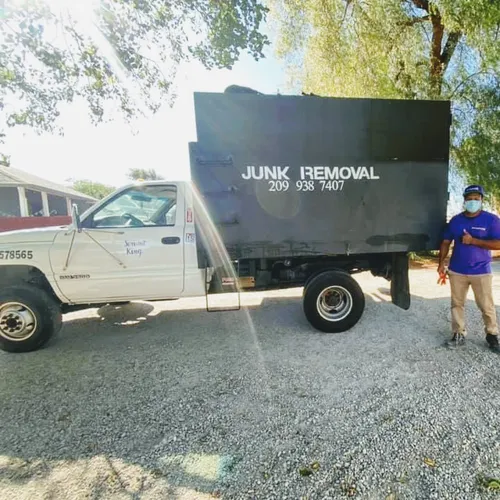
Servant King Demolition & Servant King Junk Removal is a licensed C-21 demolition contractor based in Stockton, CA. They provide commercial and residential demolition services, including selective demolition, site cleanup, property clear outs, and junk hauling. With over five years of experience, they specialize in handling demolition projects for retail spaces, tenant improvements, homes, and accessory structures. Their capabilities also include managing public works projects with compliance to prevailing wage laws and certified payroll processes. Originally starting as a junk removal company during the pandemic, they have grown into a full-service demolition and hauling business.
Bay Area Demo and Hauling
2034 Woodard Rd, San Jose, CA 95124
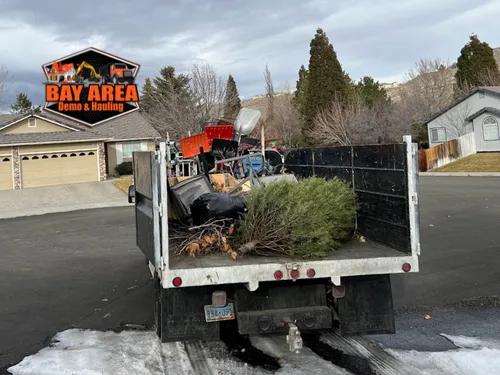
Bay Area Demo and Hauling is a licensed demolition and hauling contractor based in San Jose, CA. They provide residential and commercial demolition, junk removal, and site cleanup services across San Jose and the greater Bay Area within 25 miles. Their team uses specialized equipment such as concrete saws and jackhammers to handle projects ranging from backyard shed removal to full interior teardowns. The company emphasizes eco-conscious practices, recycling or repurposing over 80% of materials they haul to reduce landfill waste. Bay Area Demo and Hauling holds a contractor state license and OSHA certifications, ensuring compliance and safety on every job.
Emerald View Tree Service
3333 Pepper Tree Ln, San Jose, CA 95127
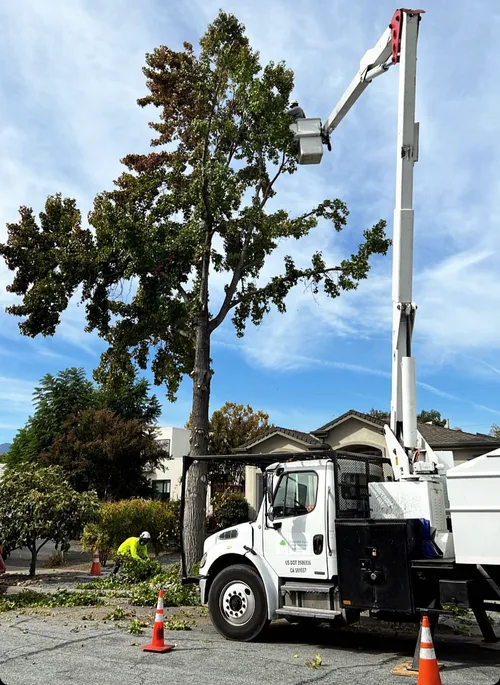
Emerald View Tree Service is a family-owned company based in San Jose, CA, with over 25 years of experience in tree care and land clearing. They provide services to both residential and commercial customers in San Jose and surrounding areas including Willow Glen, Rose Garden, Campbell, Saratoga, Cupertino, and more. Their capabilities include tree trimming, pruning, removal, stump grinding, hedge shaping, and brush clearing, supported by a fleet of utility trucks, wood chippers, and stump grinders. Emerald View Tree Service is licensed, insured, and fully bonded, offering professional service with same-day free estimates.
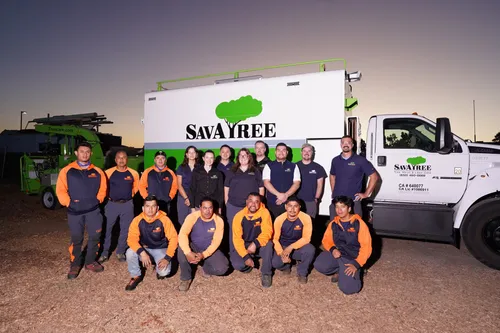
SavATree - Tree Service
1993 E Bayshore Rd, Redwood City, CA 94063
SavATree - Tree Service offers professional tree care and land clearing services in San Jose, CA. Their services include tree disease treatment, pruning, removal, stump grinding, cabling and bracing, insect and mite management, fertilization, and wildfire risk management. The team also provides emergency tree services for hazardous situations. They focus on maintaining tree health and safety while preparing properties for landscaping or fire-safe conditions.
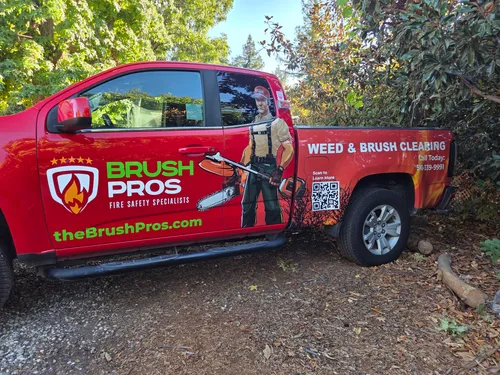
Brush Pros
San Jose, CA
Brush Pros is a tree service and land clearing contractor based in San Jose, CA, specializing in brush clearing, yard cleanup, tree pruning, and fire abatement services. They serve the East Bay region of California, including Oakland, Orinda, and Lafayette, focusing on fire inspection-compliant brush clearing and yard maintenance. With over 40 years of experience since 1982, Brush Pros uses commercial-grade, electric-powered equipment in compliance with local regulations and offers a fire inspection guarantee to help reduce fire hazards on properties.
Understanding Land Clearing and Site Preparation
Often referred to as lot clearing, brush clearing, or site development, land clearing is the comprehensive removal of vegetation, stumps, rocks, and other obstacles from a parcel of land. The goal is to create a clean, level slate for future use, whether that's constructing a home, installing a new lawn, or creating agricultural fields. In the Tri-Valley area, this work is critical not only for development but also for wildfire mitigation and restoring ecological balance to overgrown properties. A professional land clearing service will manage the entire process, from initial assessment to final grading, ensuring the site is ready for its next purpose.
Key Steps in the Pleasanton Land Clearing Process
A successful lot clearing project follows a structured sequence. Skipping steps can lead to regulatory issues, unexpected costs, or an unprepared site.
Initial Assessment and Permits
Before any equipment arrives, a reputable contractor will conduct a thorough site evaluation. This assessment identifies the types and density of vegetation, evaluates the terrain, and checks for any environmental sensitivities. Crucially, this phase involves understanding local regulations. In Pleasanton and Alameda County, there may be permits required for the removal of certain native trees or for projects near waterways. Understanding rules for debris disposal at approved green waste facilities or landfills is also a key part of planning.
Vegetation Removal Methods
The chosen technique depends on your project's goals, the vegetation present, and the intended use of the land.
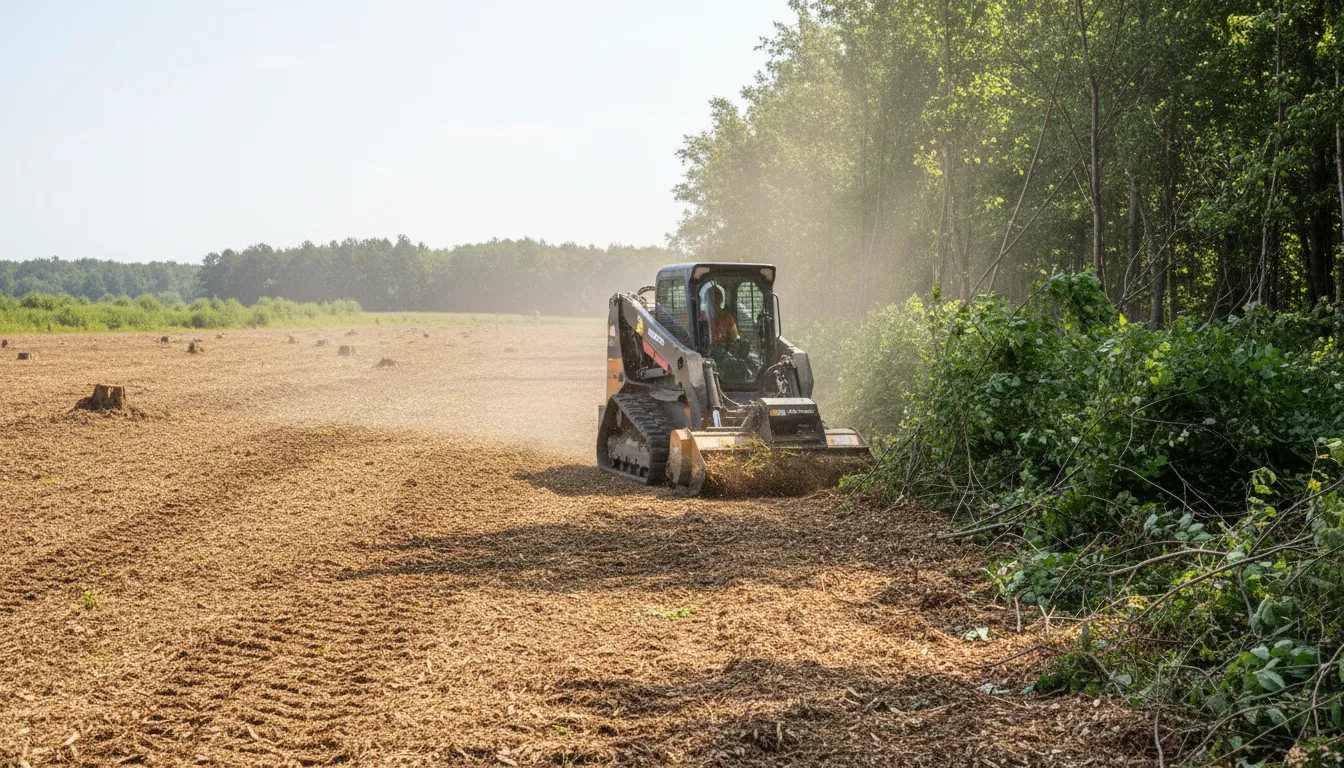
- Mulching or Forestry Mowing: This method uses heavy-duty machinery to grind brush and small trees into nutrient-rich mulch on-site. It's an excellent choice for firebreak creation, weed suppression, and improving soil health without the need for extensive hauling.
- Dozing and Grubbing: For larger-scale clearing involving big trees and dense root systems, bulldozers equipped with root rakes are used to push over and extract vegetation and stumps in one pass.
- Hand Clearing and Chainsaw Work: In sensitive areas, on steep slopes, or for selective tree removal, skilled crews use chainsaws and hand tools. This offers precision but is more labor-intensive.
Stump Grinding and Removal
Removing the visible tree is only part of the job. Left-behind stumps can hinder construction and landscaping. Stump grinding uses a specialized machine to chew the stump and surface roots into wood chips. For complete removal, especially when preparing for excavation, stumps may be extracted using heavy equipment, which leaves a larger hole to be filled and graded 1.
Debris Management and Disposal
What happens to all the removed material is a major component of the project. Options include:
- On-Site Chipping: Branches and brush are fed through a chipper to create mulch, which can be spread back on the property or removed.
- Hauling and Recycling: Most organic debris from Pleasanton projects is hauled to local green waste recycling facilities. Non-organic material or large volumes may go to approved landfills.
- Burn Piles: Highly regulated and often restricted, especially in fire-prone California, burning is less common and requires specific permits.
Final Site Preparation (Grading and Leveling)
Once cleared of debris, the land is often uneven. The final step uses bulldozers, excavators, or tractors to grade and compact the soil, creating a stable, level base for whatever comes next-from laying a foundation to sowing grass seed 2.
Find the perfect land clearing contractors for your needs
Get personalized recommendations and expert advice
What Influences Land Clearing Costs in Pleasanton?
The cost for property clearing in Pleasanton is highly variable and depends on several key factors. Professional clearing and hauling in California often runs into the several thousand-dollar range. According to industry data, the average land clearing cost in California is around $5,500, but this is a broad benchmark 3.
- Acreage and Density: The single biggest cost drivers. Clearing a lightly brushed half-acre lot costs far less than clearing a densely forested 5-acre parcel. Costs are often estimated on a per-acre basis, ranging from $1,000 for light brush to over $10,000 per acre for heavy timber with numerous stumps 4.
- Terrain and Accessibility: Steep, rocky, or difficult-to-access sites require specialized equipment and more time, increasing the price.
- Debris Volume and Disposal: The more debris generated, the higher the hauling and tipping fees at disposal facilities. Methods that reduce debris volume (like on-site mulching) can help manage these costs 5.
- Labor and Equipment: The complexity of the job dictates the size and type of machinery needed (e.g., skid steers, excavators, large bulldozers), each with different operational costs.
Example Scope: For a typical 1-acre parcel in the Bay Area with moderate brush, you might expect a range of $1,500 to $3,000 for basic clearing and mulching. A similar-sized lot with heavy timber, large stumps, and requiring grading would be significantly more expensive 6.
Choosing a Local Land Clearing Contractor
For a project of this scale, local expertise is invaluable. A contractor familiar with Pleasanton and Alameda County will understand:
- The specific permit requirements and application processes.
- The locations and regulations of nearby green waste recycling centers and landfills 7.
- Local environmental concerns, such as protected species or water runoff rules.
- The unique soil and terrain conditions of the Tri-Valley area.
It is strongly recommended to contact several licensed and insured local contractors for detailed, site-specific quotes. Reputable Bay Area land clearing companies can provide a clear breakdown of costs, timeline, and their plan for managing every step, from permit acquisition to final site grading 8.
Frequently asked questions
Sources
Footnotes
-
Land Clearing Tree Services for North Lake Tahoe Forests - https://jeremiahstreeservice.com/land-clearing/ ↩
-
Land Clearing - MAG Engineering - https://magcompanies.net/services/land-clearing/ ↩
-
How Much Does It Cost to Clear Land? [2025 Data] | Angi - https://www.angi.com/articles/how-much-does-it-cost-clear-land.htm ↩
-
How Much Does Land Clearing Cost in Kansas City? - https://tiddtree.com/how-much-does-land-clearing-cost/ ↩
-
Cheapest Way to Clear Land - Woodland Mills - https://woodlandmills.com/cheapest-way-to-clear-land ↩
-
Complete Guide to Land Clearing Pricing and Project Planning - https://www.skidsteers.com/blog/brush-clearing-cost/ ↩
-
Yard Debris Removal Pleasanton, CA | Pickup & Disposal Services - https://goloadup.com/pleasanton/yard-debris-removal/ ↩
-
Top 5 Methods of Land Clearing | Which Is Right for You? - Valor - https://www.valorenv.com/top-5-methods-of-land-clearing-which-is-right-for-you/ ↩