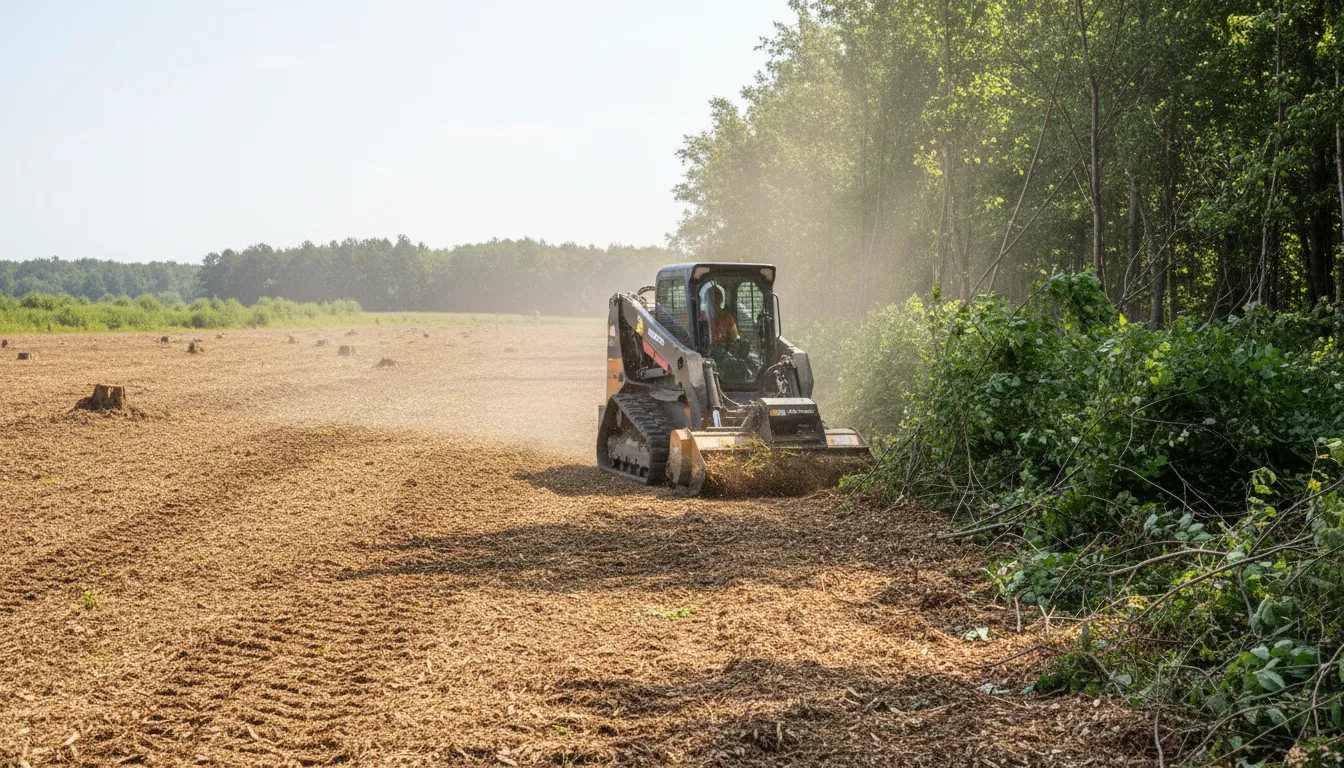
Find the Best Land Clearing Contractors for Your Business
No obligation • Fast responses • Nationwide coverage

Why you can trust Landscape Atlas
Landscape Atlas is a leading United States resource for evaluating landscaping, lawn care, and outdoor service providers. Our team researches each category in depth, focusing on service quality, safety, and customer experience. Listings and rankings are based on independent criteria and user feedback, and companies cannot pay to influence our assessments or recommendations.
Search providers near you
Best Land Clearing Contractors in Georgia Ranked
Land clearing is a critical first step for many property development, agricultural, and construction projects in Georgia. It involves the removal of trees, brush, stumps, and other obstacles to prepare a site for its intended use. Proper site preparation is essential for safety, project success, and environmental compliance. This guide provides a clear overview of the process, regulations, and costs specific to Georgia, helping you connect with experienced local professionals who can navigate the state's unique requirements.
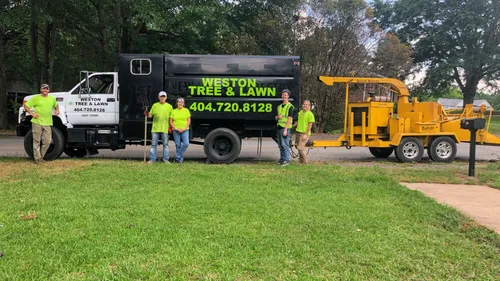
Weston Tree Service
60 Whitlock Pl SW suite e, Marietta, GA 30064
Weston Tree Service is a tree care company based in Atlanta, GA, specializing in tree removal, stump grinding, land clearing, and brush removal. They serve Marietta and the North Metro Atlanta area, offering services such as tree trimming, pruning, emergency response, and lot clearing for residential and commercial properties. The company emphasizes property stewardship, arbor expertise, and clear communication to ensure safe and precise tree work. Weston Tree Service also assists with insurance claims following storm damage. Owner Josh Weston brings a personal passion for tree care, fostering long-term relationships with clients and prioritizing safety and property care.
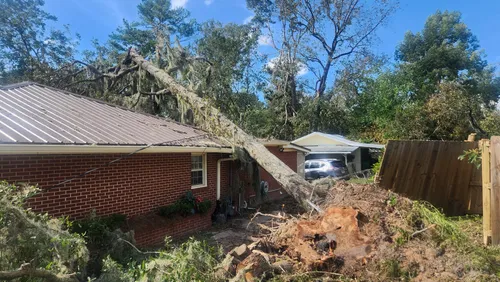
Joshua Tree Service
89 Atlanta St SE, Marietta, GA 30060
Joshua Tree Service is a family-owned tree care company based in Atlanta, GA, serving Marietta and surrounding areas. With over 25 years of experience, they provide a range of services including tree removal, stump grinding, land clearing, brush removal, and emergency tree services. Their ISA-certified arborists offer expert pruning and tree health assessments to maintain the safety and beauty of local landscapes. The company is fully licensed and insured, with a 24/7 emergency crew available to respond to storm damage and urgent tree care needs.
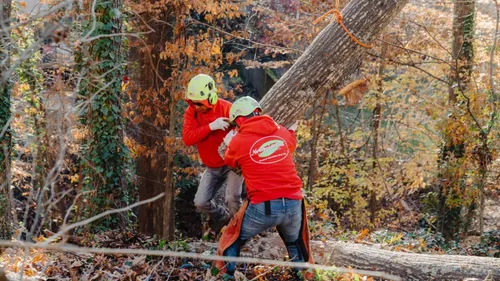
Northside Tree Professionals
3116 Chestnut Dr #102, Atlanta, GA 30340
Northside Tree Professionals provides tree removal, stump grinding, land clearing, and brush removal services in Atlanta, GA. They handle complex tree removal projects with care to avoid damage to surrounding property and ensure clean work areas. Their team is skilled in safely guiding large limbs and trees in tight spaces. The company is known for thorough property assessments and efficient project scheduling.

Outside Designs
Atlanta, GA
Outside Designs is a landscape design and hardscaping company based in Atlanta, GA, serving Cobb County, Roswell, Sandy Springs, Buckhead, and surrounding communities. With over 15 years of experience, they offer a range of services including landscape design, installation of softscapes like plants and flower beds, hardscape construction such as patios, pergolas, fire pits, retaining walls, and outdoor kitchens, as well as low voltage landscape lighting. Their capabilities include yard grading and drainage improvements to enhance outdoor spaces for both residential and commercial properties.
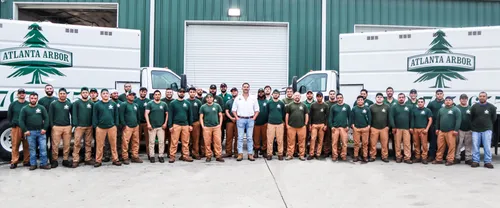
Atlanta Arbor Marietta Tree Service
301 Old Clay St SE, Marietta, GA 30060
Atlanta Arbor Marietta Tree Service is a certified tree care provider based in Atlanta, GA, offering a wide range of services including tree removal, trimming, pruning, stump grinding, and land clearing. They serve both residential and commercial clients, with expertise in emergency storm damage removal and plant healthcare. Their team includes certified arborists who provide consultations and use environmentally responsible practices. Established in 2014, the company combines over 30 years of combined experience and offers 24/7 emergency tree removal services for urgent situations.
Understanding Georgia's Land Clearing Regulations
Before any machinery arrives on your property, understanding Georgia's regulatory landscape is paramount. The state has robust rules designed to protect its waterways and prevent soil erosion, which directly impact how land clearing projects are planned and executed.
Permitting Requirements
In Georgia, a Land Disturbing Activity (LDA) permit is required for any project that will disturb more than one acre of land. This threshold is lower-sometimes as little as any disturbance-for sites located within 200 feet of a state waters' bank, in designated watersheds, or within certain subdivisions 1. The permitting process is managed locally through your county or city government, often in coordination with the Georgia Environmental Protection Division (EPD) and local Soil & Water Conservation Districts.
The cornerstone of the permit application is the Erosion and Sedimentation Control Plan (ESCP). This detailed plan must be prepared by a certified professional and submitted for approval before work begins. It outlines exactly how the contractor will prevent soil from leaving your site and entering nearby streams, rivers, or lakes.
Erosion and Sediment Control: A Top Priority
Georgia law mandates the use of Best Management Practices (BMPs) on all land-disturbing sites 2. These are not mere suggestions but required methods to control pollution. The philosophy is built on four key principles:
- Source Control: The most effective strategy is to minimize the amount of soil disturbed in the first place through careful planning of cleared areas and access routes.
- Stabilization: Exposed soil must be stabilized as quickly as possible using temporary measures like mulch or seed, followed by the establishment of permanent vegetation 3.
- Runoff Management: Stormwater must be safely managed through diversions, drains, or retention basins to control its flow and velocity.
- Sediment Trapping: Where runoff does occur, BMPs like silt fences, sediment basins, and inlet protectors must be in place to trap soil particles before the water leaves the property 4 5.
Failure to properly implement and maintain these BMPs can result in significant fines, work stoppages, and damage to the local ecosystem.
Protecting Sensitive Areas
Georgia enforces strict buffer zones along its streams, rivers, lakes, and wetlands. Generally, a 25-foot to 50-foot vegetative buffer (measured horizontally from the bank) must be left undisturbed 6 7. Activities within these buffers are heavily restricted or prohibited. Furthermore, special rules apply to land clearing in floodplains and for the protection of certain endangered species habitats. A reputable contractor will know how to identify these sensitive areas and plan the project accordingly.
Find the perfect land clearing contractors for your needs
Get personalized recommendations and expert advice
What to Expect from the Land Clearing Process
A professional land clearing project in Georgia follows a structured sequence from planning to final site preparation.
1. Initial Consultation and Site Assessment: A qualified contractor will visit your property to evaluate the scope. They assess vegetation density (brush vs. mature hardwoods), terrain (slopes, accessibility), soil type, the presence of wetlands or waterways, and your ultimate goal for the land (e.g., home site, pasture, commercial lot).
2. Permitting and Plan Development: For projects requiring a permit, the contractor or a hired consultant will survey the site, draft the necessary Erosion and Sedimentation Control Plan, and submit the permit application on your behalf. This phase ensures the project is legally compliant from the start.
3. The Clearing Operation: With permits in hand, the physical work begins. Methods vary:
- Clearing and Grubbing: Removal of all trees, stumps, brush, and rocks.
- Selective Clearing: Removal of specific trees and underbrush while preserving desired trees or natural areas.
- Cut and Leave/Grind: Trees are felled and either left for habitat, chipped, or ground into mulch on-site.
- Pushover Clearing: Using heavy machinery to push trees over, removing root ball and all.
4. Debris Management and Site Finishing: Removed vegetation must be disposed of responsibly. Options include on-site burning (where permitted), hauling to a landfill or mulching facility, or processing into wood chips. The final stage often includes rough or finish grading to shape the land for its next use, followed by the implementation of permanent erosion control measures like seeding and sodding.
Cost Factors for Land Clearing in Georgia
The cost to clear land in Georgia is highly variable, as it depends on a unique combination of site-specific factors. There is no standard "per-acre" price, but understanding the variables will help you interpret quotes.
- Vegetation Density and Type: This is the primary cost driver. Clearing a flat acre of light brush and pines is relatively inexpensive. An acre of dense, mature hardwood forest with large-diameter trees will cost significantly more due to the time, equipment, and expertise required for safe removal and processing.
- Terrain and Accessibility: Steep slopes, rocky ground, and poor access for heavy equipment (like bulldozers and excavators) increase labor time, require specialized machinery, and raise costs 8.
- Project Size: While larger projects have a lower cost per acre on average due to economies of scale, the total price will be higher. Small residential lots (under an acre) often have a higher cost per unit area.
- Debris Removal and Disposal: The method for handling cleared material greatly impacts the bottom line. On-site chipping or burning is typically less expensive than hauling tons of debris to a distant landfill, which incurs hauling and tipping fees.
- Additional Services: Costs add up for ancillary services like stump grinding or removal, rock removal, grading, soil stabilization, and installing drainage solutions.
As a broad reference, costs for clearing one acre in Georgia can range from approximately $800 to over $6,000, with multi-acre projects scaling accordingly 9 10. For a two-acre parcel, you might see quotes from $1,600 to $12,000 or more 10. These ranges underscore the importance of obtaining detailed, on-site estimates.
Choosing a Qualified Georgia Land Clearing Contractor
Selecting the right professional is crucial for a compliant, efficient, and safe project.
- Verify Licensing and Insurance: Ensure the contractor carries comprehensive general liability and workers' compensation insurance. While Georgia does not have a specific state license for land clearing, they must be registered and in good standing with the Georgia Secretary of State.
- Check Local Experience and References: Choose a contractor familiar with your county's specific permitting office and inspectors. Ask for references from recent projects of similar scope and follow up on them.
- Review Their Permit Expertise: A key question is whether they handle the permitting process, including the preparation of the Erosion and Sedimentation Control Plan. A contractor who understands this process is invaluable.
- Get Detailed, Written Estimates: Obtain at least three written quotes that break down costs for clearing, debris removal, grading, erosion control, and permitting fees. The lowest bid is not always the best value if it cuts corners on compliance or safety.
- Assess Their Equipment and Safety Practices: A professional operation will use well-maintained, modern equipment appropriate for your job size and will have clear safety protocols for their crew and your property.
Frequently asked questions
Sources
Footnotes
-
Land Disturbing Permit | Liberty County, GA - https://libertycountyga.gov/507/Land-Disturbing-Permit ↩
-
GAC - Subject 391-3-7 EROSION AND SEDIMENTATION CONTROL - https://rules.sos.ga.gov/gac/391-3-7 ↩
-
Understanding Erosion Control in Georgia Construction Projects - https://www.bucktowngradingandconstruction.com/understanding-erosion-control-in-georgia-construction-projects/ ↩
-
What Every Contractor Must Know - Georgia Land Clearing - https://georgialandclearing.com/understanding-land-clearing-laws-in-georgia-what-every-contractor-must-know/ ↩
-
Chapter 6 - Georgia Soil and Water Conservation Commission - https://gaswcc.georgia.gov/sites/gaswcc.georgia.gov/files/Manual_E&SC_Chapter_6.pdf ↩
-
EROSION PREVENTION AND SEDIMENT CONTROL IN GEORGIA - https://gaswcc.georgia.gov/document/publication/dirt2pdf/download ↩
-
MANUAL FOR EROSION AND SEDIMENT CONTROL IN ... - https://gaswcc.georgia.gov/sites/gaswcc.georgia.gov/files/Manual_for_Erosion_and_Sediment_Control_in_Georgia_Sixth_Edition_2014.pdf ↩
-
How to Clear Land in Atlanta A Practical Guide - https://richmondtree.com/how-to-clear-land/ ↩
-
How Much Does it Cost to Clear Land in 2026? - Lawn Love - https://lawnlove.com/blog/land-clearing-cost/ ↩
-
Real Prices Per Acre and What Property Owners Should ... - https://bhhlandclearing.com/land-clearing-costs-in-georgia-real-prices-per-acre-and-what-property-owners-should-expect/ ↩ ↩2