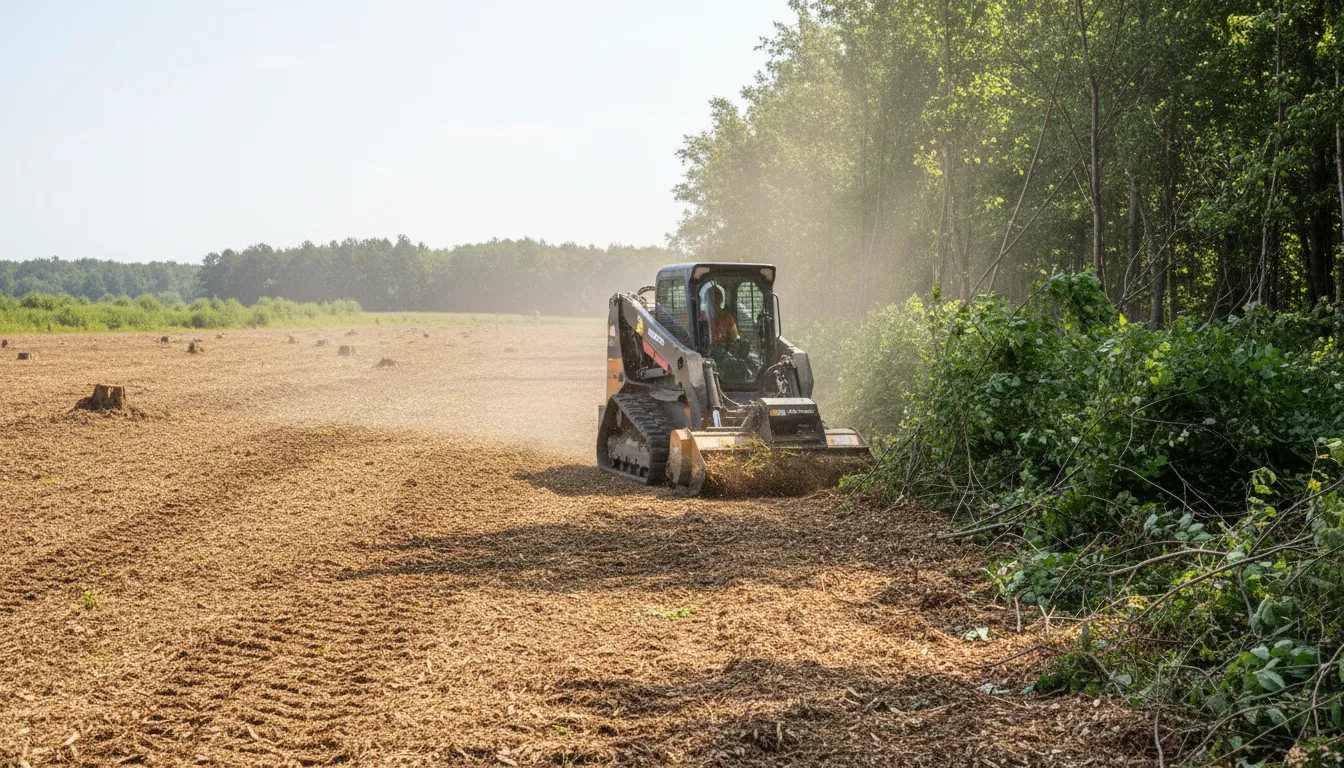
Find the Best Land Clearing Contractors for Your Business
No obligation • Fast responses • Nationwide coverage

Why you can trust Landscape Atlas
Landscape Atlas is a leading United States resource for evaluating landscaping, lawn care, and outdoor service providers. Our team researches each category in depth, focusing on service quality, safety, and customer experience. Listings and rankings are based on independent criteria and user feedback, and companies cannot pay to influence our assessments or recommendations.
Search providers near you
Best Land Clearing Contractors in Idaho Ranked
Land clearing is the process of removing trees, brush, stumps, and other obstacles to prepare a site for construction, agriculture, or landscaping. In Idaho, this work is more than just heavy machinery; it's a regulated activity that balances development with the state's commitment to protecting its natural landscapes, preventing erosion, and preserving sensitive habitats. Understanding local rules, environmental protections, and best practices is essential for a successful project. This guide provides the key information you need to plan your land clearing in Idaho and connect with experienced local professionals who understand these specific requirements.
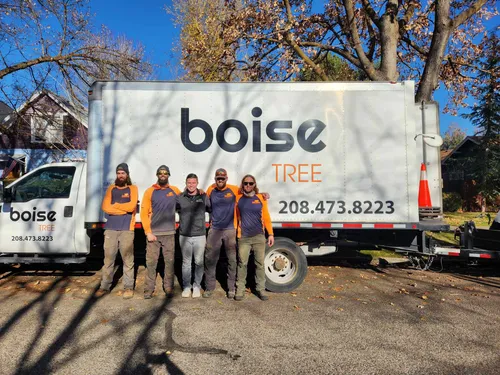
Boise Tree - SavATree
6126 W State St #401, Boise, ID 83703
Boise Tree - SavATree offers a range of tree and land clearing services in Boise, ID. Their expertise includes tree and shrub disease treatment, pruning, removal, stump grinding, cabling, bracing, insect and mite management, fertilization, and wildfire risk management. They also provide emergency tree services for storm damage, focusing on safety and landscape health. The company uses thorough assessments to tailor treatments and supports long-term plant vitality while helping to protect properties from wildfire hazards.
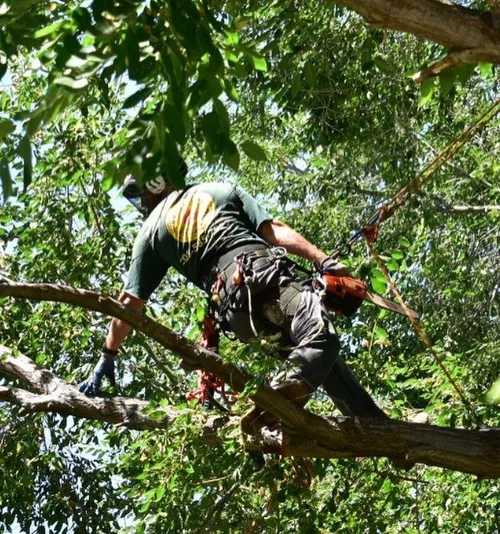
Primetime Pruning and Tree Removals
Boise, ID
Primetime Pruning and Tree Removals provides commercial and residential tree care services in Boise, ID. Their offerings include tree removal, stump grinding, pruning, trimming, brush and shrub care, and land clearing. They have the capability to climb any tree for safe and effective service.
Arborman Tree Care
8020 W King St, Boise, ID 83704
Arborman Tree Care is a family-owned tree service company based in Boise, ID, with 27 years of experience in arboriculture. They provide a wide range of services including tree removal, stump grinding, structure and fruit tree pruning, deadwood removal, height reduction, full landscape design, and emergency tree services. Their team is skilled in handling complex tree removal jobs safely, especially near roofs, utility lines, and neighboring properties. Arborman Tree Care also offers expert consultations and assistance with Boise's tree removal permits. They serve various Boise neighborhoods and focus on maintaining healthy trees suited to the local climate. Their emergency services are available 24/7 to address storm damage and other urgent tree issues.
Jennings Landscape & Cleaning
2580 E Blackstone Dr, Eagle, ID 83616
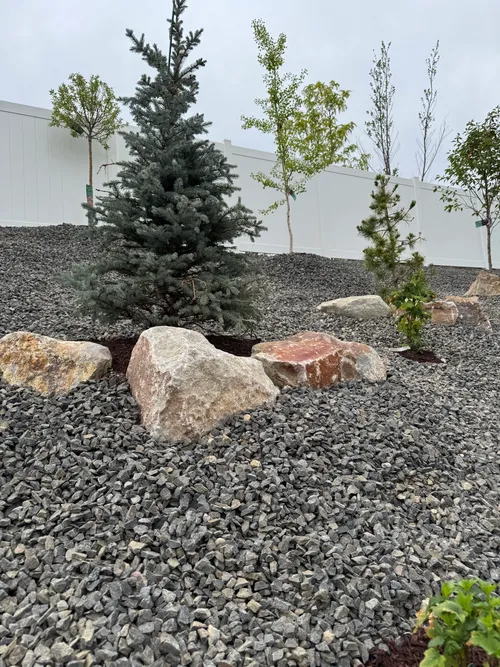
Jennings Landscape & Cleaning is a landscaping and lawn care company serving Boise, ID, and nearby areas including Meridian, Eagle, Kuna, and Garden City. They provide a wide range of services such as landscape design, lawn mowing, custom patios and walkways, yard drainage, land clearing, and snow removal. The company also specializes in excavation work including grading, trenching, and site preparation. Jennings Landscape & Cleaning offers custom mini golf course design and construction, managing projects from consultation through completion. Their team handles property clean-up and junk removal to maintain tidy outdoor spaces.
A-Z Tree Trimming & Removal
Boise, ID
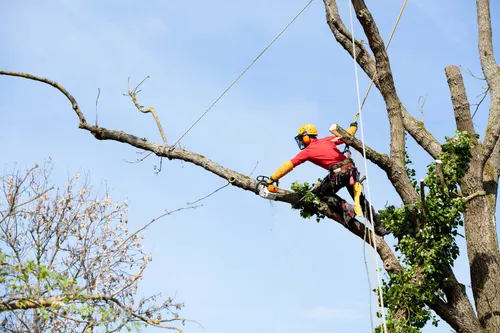
A-Z Tree Trimming & Removal is a family-owned business serving Boise, ID, and the surrounding Treasure Valley area. They offer a range of services including tree removal, tree trimming and pruning, stump grinding, land clearing, brush removal, and fence installation. Their team handles emergency tree removal and damage cleanup with next-day service available Monday through Friday. The company is equipped to perform stump grinding with biodegradable treatments to prevent regrowth and installs various types of fences including wood, vinyl, metal, and iron. They emphasize careful work to protect clients' yards and are committed to sustainability by replanting a tree for every one removed.
Understanding Idaho's Land Clearing Regulations
Before any equipment arrives on site, it's crucial to understand the regulatory framework. Idaho's approach to site development involves a combination of state guidelines and strict local ordinances designed to minimize environmental impact.
Local City and County Codes: Your project must comply with the specific land use and development codes of your city or county. These ordinances often dictate what can be cleared and where. For example, in Coeur d'Alene, grading and erosion control regulations require the retention of significant natural areas, particularly on slopes, to maintain stability and scenic value 1. Other municipalities may have similar "tree preservation and protection" ordinances that limit removal outside of designated construction zones. Always check with your local planning department first.
The Idaho Forest Practices Act: If your project involves timberland or larger-scale tree removal, the Idaho Forest Practices Act comes into play. Administered by the Idaho Department of Lands, these rules focus on sustainable forestry, including requirements for leaving seed trees, protecting water quality, and minimizing residual damage to the forest floor. A Forest Practices Act notification may be required before commencing work.
Protected and Sensitive Areas: Idaho land may contain culturally significant sites, such as historical homesteads or burial grounds, as well as sensitive wildlife habitats or wetlands 2. Identifying and protecting these areas is a legal and ethical necessity. Disturbing such sites can lead to significant fines and project delays.
Environmental Protections: Trees, Slopes, and Erosion Control
Idaho's variable terrain, from river valleys to forested hillsides, demands careful planning to protect the land itself. The core principles involve preservation, responsible removal, and mandatory restoration.
Tree Preservation and Removal: Regulations often mandate protecting native vegetation, especially on slopes exceeding a certain grade (e.g., 25% or more) 3. Trees can typically be removed within a defined "construction footprint," but indiscriminate clearing beyond that may be prohibited. The goal is to preserve the natural character of the land and utilize existing vegetation for slope stabilization 4 5.
Erosion and Sediment Control (ESC): This is non-negotiable in Idaho. State and local regulations require an ESC plan for virtually any land-disturbing activity. The Idaho Department of Environmental Quality and the Idaho Transportation Department provide clear guidelines. The rule is simple: disturbed soil must be stabilized immediately to prevent it from washing away.
Post-Clearing Stabilization: After clearing, you are often required to restore the site. This can include re-vegetation through seeding, applying mulch or erosion control blankets, and in some cases, even reforestation 6 7. The methods used-such as straw wattles, silt fencing, or soil binders-depend on the slope, soil type, and proximity to waterways.
Best Management Practices (BMPs) for Idaho Properties
Following Best Management Practices (BMPs) is the standard for responsible land clearing. These practices go beyond mere compliance and ensure the long-term health of your property and the surrounding environment.
Immediate Site Stabilization: As soon as an area is cleared, BMPs call for immediate application of stabilization measures. This might mean hydroseeding a slope the same day it's graded or covering piles of exposed soil with tarps 8.
Controlling the Impact: Effective site management limits the disturbance. This includes:
- Designating specific access routes and staging areas for equipment to avoid compacting unnecessary soil.
- Timing work to avoid rainy seasons when erosion risk is highest.
- Installing perimeter controls like silt fences before clearing begins.
- Using tracked equipment instead of wheeled vehicles on sensitive soils to reduce rutting.
Water Resource Protection: Special, more stringent BMPs apply for work near streams, lakes, or wetlands. These often involve larger buffer zones where clearing is heavily restricted or prohibited to filter runoff and protect water quality 9.
Find the perfect land clearing contractors for your needs
Get personalized recommendations and expert advice
Cost Factors for Land Clearing in Idaho
The cost to clear land in Idaho is highly variable and depends on your specific site conditions. There is no flat rate, but understanding the primary factors will help you budget effectively. Statewide averages provide a starting point, but local quotes are essential.
Scale of the Project: Costs are often considered on a per-acre or per-square-foot basis.
- Small Scale (e.g., under 1 acre): Projects might range from $400 to over $3,000, depending on density.
- Large Scale (1 acre or more): Costs can range from $800 to $6,000+ per acre. For very large or complex projects, the price can be significantly higher 10.
- Per Square Foot: A common estimate is between $1.00 and $2.00 per square foot, but this can fluctuate 11 12.
Key Cost Drivers:
- Debris Type and Volume: Clearing dense, mature forest with large hardwood trees and stumps costs far more than clearing a brushy field. The method of debris removal-grinding, hauling, burning-also affects the price.
- Terrain and Slope: Steep, rocky, or uneven terrain requires specialized equipment, takes more time, and complicates erosion control, increasing costs.
- Accessibility: If your site is remote or has limited access for large equipment like bulldozers and excavators, mobilization costs will be higher.
- Location: Labor and equipment rates can vary between regions (e.g., North Idaho vs. the Treasure Valley) and even between cities like Sandpoint, Boise, or Idaho Falls.
- Regulatory Requirements: The cost of implementing and maintaining an approved erosion control plan, including materials like mulch, blankets, and silt fencing, must be factored in.
The Professional Land Clearing Process in Idaho
Working with a professional who understands Idaho's landscape and laws ensures your project is efficient, compliant, and environmentally sound.
Initial Consultation and Site Assessment: A reputable provider will visit your property to evaluate the vegetation, topography, soil, drainage, and any potential sensitive areas. This is when they identify regulatory hurdles and begin planning.
Permitting and Plan Development: They will help you navigate the necessary permits from your local jurisdiction and develop the required Erosion and Sediment Control Plan. For forested land, they will handle the Forest Practices Act notification.
Execution with BMPs: The clearing work is performed according to the plan, with BMPs in place from day one. This includes sequencing the work to minimize exposed soil and installing controls as the project progresses.
Final Stabilization and Inspection: Once clearing is complete, the final and most critical phase begins: permanent stabilization. The professional will ensure all disturbed areas are properly seeded, mulched, or otherwise protected, and will coordinate any final inspections with local authorities.
Frequently asked questions
Sources
Footnotes
-
17.08.920: GRADING AND EROSION CONTROL: - https://codelibrary.amlegal.com/codes/coeurdaleneid/latest/coeurdalene_id/0-0-0-12599 ↩
-
Forest Management Plan - City of Priest River - https://priestriver-id.gov/documents/450/Forest_Management_Plan_-_Final.pdf ↩
-
Erosion Control - Idaho Department of Environmental Quality - https://www2.deq.idaho.gov/water/swpag/?type=activity&id=114 ↩
-
Forest Management Archives - Idaho Department of Lands - https://www.idl.idaho.gov/category/forest-management/ ↩
-
17.08.930: TREE PRESERVATION, PROTECTION AND REMOVAL: - https://codelibrary.amlegal.com/codes/coeurdaleneid/latest/coeurdalene_id/0-0-0-12632 ↩
-
chapter 1 - Wallace, Idaho - https://wallace.id.gov/wp-content/uploads/2019/09/Title-11.pdf ↩
-
Forest Practices Rules Guidance | Idaho Department of Lands - https://www.idl.idaho.gov/wp-content/uploads/sites/2/2024/04/FPAC-rules-guidance.pdf ↩
-
Idaho Construction Site EROSION and SEDIMENT CONTROL - https://apps.itd.idaho.gov/Apps/env/Erosion_Sediment_Guide.pdf ↩
-
Idaho Forestry Best Management Practices - https://www.fs.usda.gov/rm/pubs_int/int_gtr339.pdf ↩
-
Pricing Guide: How Much Does It Cost to Clear Land? - LawnStarter - https://www.lawnstarter.com/blog/cost/clear-land-price/ ↩
-
How Much Does it Cost to Clear Land in 2026? - Lawn Love - https://lawnlove.com/blog/land-clearing-cost/ ↩
-
Land Clearing in Sandpoint, ID - Costs 12 / 2025 - Homeyou - https://www.homeyou.com/id/land-clearing-sandpoint-costs ↩