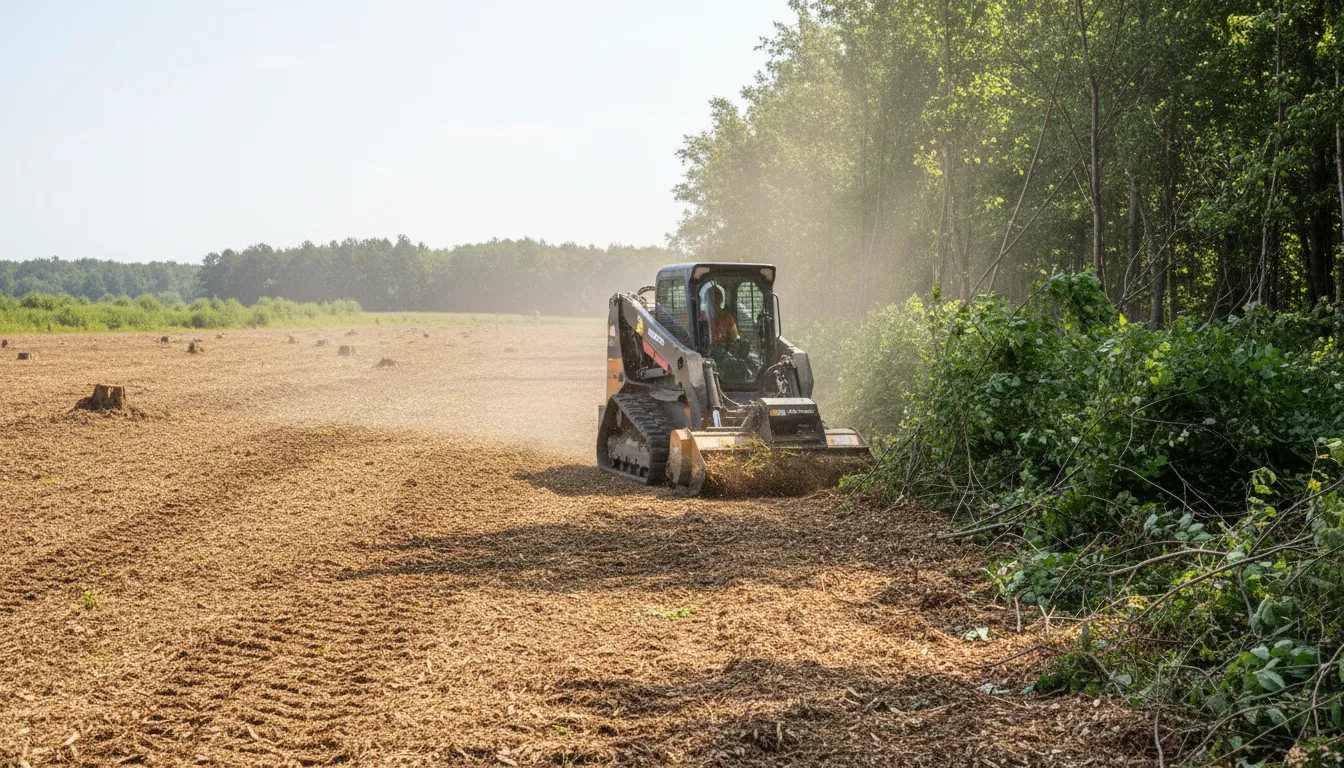
Find the Best Land Clearing Contractors for Your Business
No obligation • Fast responses • Nationwide coverage

Why you can trust Landscape Atlas
Landscape Atlas is a leading United States resource for evaluating landscaping, lawn care, and outdoor service providers. Our team researches each category in depth, focusing on service quality, safety, and customer experience. Listings and rankings are based on independent criteria and user feedback, and companies cannot pay to influence our assessments or recommendations.
Search providers near you
Best Land Clearing Contractors in Illinois Ranked
Land clearing is the process of removing trees, stumps, brush, and other vegetation from a site to prepare it for construction, agriculture, or landscaping. In Illinois, this work is more than just heavy machinery; it's a regulated activity focused on protecting the environment, preventing soil erosion, and preserving natural resources. Understanding the rules and best practices is essential for any property owner, developer, or farmer. This guide provides a clear overview of Illinois land clearing regulations, costs, and processes to help you connect with knowledgeable local professionals who can ensure your project is completed safely, efficiently, and in full compliance with state and local laws.
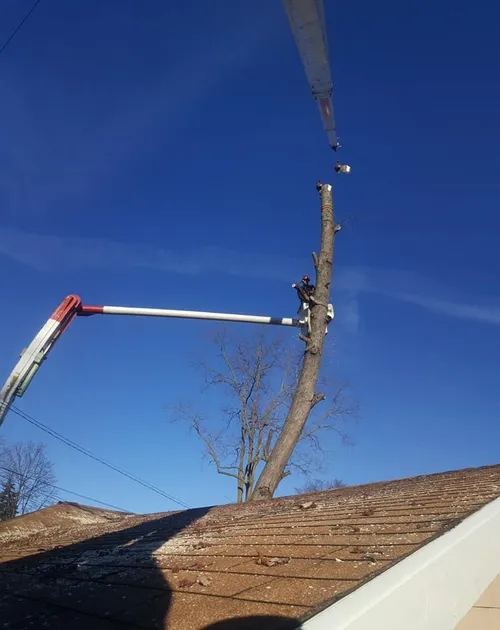
Huber Tree Expert
1622 Scoville Ave, Berwyn, IL 60402
Huber Tree Expert is a family-owned tree care company serving Chicago, IL, and surrounding areas including Cook and DuPage Counties. Since 1987, they have provided a full range of services such as tree removal, stump grinding, tree trimming, ornamental pruning, and land clearing. Their team combines certified arborist expertise with professional equipment to handle projects ranging from routine maintenance to large-scale land clearing. With decades of experience, they focus on preserving the health and safety of trees and properties in the local community.
Precision Land Solutions
1200 W Main St, Griffith, IN 46319
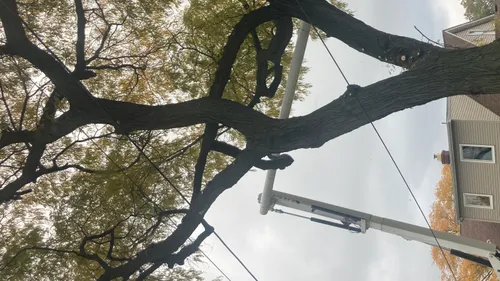
Precision Land Solutions is a tree service and land clearing company based near Chicago, IL, specializing in tree stump grinding, tree removal, and brush clearing. They serve residential, commercial, and municipal clients in and around Chicago, including parts of Indiana, Illinois, and Michigan. Their services include complete tree stump removal with chip hauling and land clearing for various projects. The company uses Bandit brand stump grinding machines and offers a True Grind Guarantee, grinding stumps at least 12 inches below ground level to support proper regrowth. Precision Land Solutions is licensed, bonded, and insured, emphasizing safety and professionalism in their work.

Absolute Tree Solutions
20063 N Rand Rd, Palatine, IL 60074
Absolute Tree Solutions is a tree care and landscaping company based in Palatine, serving Chicago, IL and nearby suburbs. They provide tree trimming, crown pruning, tree removal, stump grinding, brush removal, and land clearing services. The company has over 25 years of experience in the tree and landscape industry and was established in 2010. They offer regular maintenance and storm damage response to keep outdoor spaces safe and attractive.
Bobby Tree Care LLC Fully Insured
Road, 7 Pine Ave, Lake Zurich, IL 60047
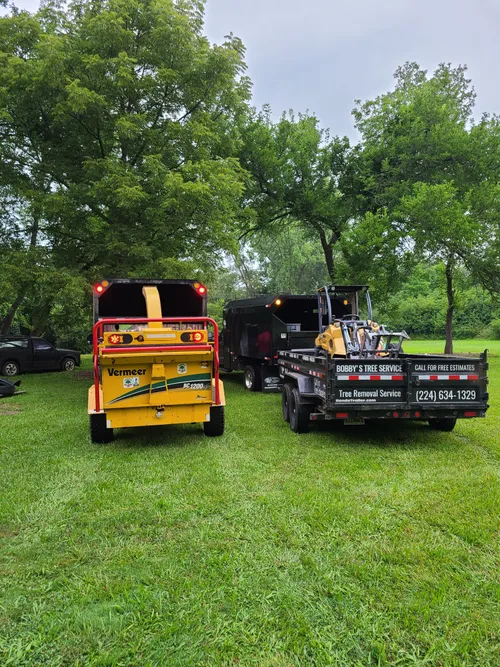
Bobby Tree Care LLC Fully Insured is a locally owned tree service and landscaping company based in Chicago, IL. They provide a range of services including tree removal, stump grinding, tree trimming and pruning, brush removal, land clearing, and emergency storm cleanup. The company serves Lake and Cook Counties, offering expertise in tree cabling and bracing to support tree health and prevent damage during severe weather. Bobby Tree Care is accredited by the Better Business Bureau and has been recognized for maintaining a complaint-free record, reflecting their commitment to customer satisfaction and safety. They offer emergency tree services seven days a week to address urgent needs.

Gray Tree Service
302 Kenneth Dr, Mt Prospect, IL 60056
Gray Tree Service is a full-service tree care provider based near Chicago, IL, serving the city and surrounding suburbs for over 75 years. They offer a wide range of services including tree removal of any size, stump grinding, brush clearing, tree trimming, pruning, and debris cleanup. The company is licensed, bonded, and insured, and emphasizes careful, customized service for each project. Gray Tree Service also provides 24-hour phone availability for customer support and is a member of the International Society of Arboriculture and the Tree Care Industry Association.
Understanding Illinois Land Clearing Regulations
Land clearing in Illinois is governed by a framework designed to minimize environmental impact. The primary focus is on soil erosion and sediment control. Before any vegetation is removed or ground is broken, a detailed plan is often required, especially for sites larger than one acre or in sensitive areas. These regulations are enforced at the county and municipal levels, meaning requirements can vary significantly between locations like Will County, Urbana, or Wheeling.
The core principle is to minimize land disturbance. Rules emphasize exposing the smallest area of land for the shortest time possible and preserving natural contours and mature vegetation wherever feasible. This proactive approach helps prevent topsoil loss, protects water quality in nearby streams and rivers, and maintains the ecological balance of the site.
Key Regulatory Themes
Illinois ordinances consistently highlight several non-negotiable themes for site preparation and vegetation removal:
- Pre-Construction Planning: Erosion control planning is mandated before clearing begins. This involves assessing soil sensitivity, natural drainage patterns, and the sequence of construction activities.
- Vegetation Protection: Retaining mature trees and native plants is strongly encouraged. Specific standards exist for protecting trees near construction, including using protective fencing around critical root zones 1. Damaged tree limbs over half an inch must be pruned flush, and exposed roots over one inch must be smoothly cut and covered 1.
- Erosion Control Measures: Installing physical barriers like silt fences, sediment basins, straw bales, and stabilized stone entrances is required before grading or clearing starts. These measures trap soil on-site and prevent it from leaving the property.
- Post-Construction Care: The responsibility doesn't end when the clearing is done. Sites require ongoing inspection and maintenance of erosion controls, particularly after rain events, until the land is permanently stabilized with new vegetation or structures.
The Land Clearing Process: From Plan to Completion
A successful land clearing project in Illinois follows a structured sequence. Skipping steps can lead to costly fines, project delays, and environmental damage.
1. Site Evaluation and Planning
This initial phase is the most critical. A professional will assess your property's size, slope, soil type, and existing vegetation. They will identify any protected areas, such as wetlands or floodplains, and note the proximity to watercourses. This evaluation forms the basis for the required erosion and sediment control plan.
2. Permit Acquisition and Plan Submission
Most municipalities require a permit for land disturbance. To obtain one, you must typically submit a detailed site plan. For smaller residential lots, this may be a simpler sketch. For larger commercial or subdivision projects (often over 10 acres), the plan must usually be certified by a Registered Professional Engineer. These engineered plans detail:
- The limits of clearing and grading.
- Location and specifications for all erosion control devices (silt fences, basins, etc.).
- A construction sequence phasing plan.
- A schedule for inspection and maintenance of controls.
3. Installation of Erosion Controls
Before any tree is felled or brush is cleared, the perimeter erosion controls must be installed. This means putting up silt fencing downhill of the work area, creating stabilized construction entrances with stone to minimize mud tracking, and setting up any necessary sediment basins. This "protect first, clear second" approach is a cornerstone of Illinois regulations.
4. The Clearing Operation
With controls in place, the physical clearing can begin. Methods vary based on the project goals:
- Clearing and Grubbing: Removal of all vegetation, stumps, and roots down to bare soil.
- Selective Clearing: Removal of specific trees, shrubs, or underbrush while preserving desired mature trees and natural features.
- Land Clearing for Agriculture: Often involves stump removal and rock picking to create arable fields. Equipment used may include excavators with mulching heads, bulldozers, forestry mowers, and stump grinders.
5. Disposal and Recycling
Removed vegetation must be disposed of properly. Many professionals now opt for on-site recycling through chipping and mulching, which can provide valuable material for erosion control elsewhere on the site. Burning may be allowed in some rural areas with a permit, while hauling to a green waste facility is another common option.
6. Final Stabilization and Inspection
Once clearing is complete, the exposed soil must be stabilized to prevent erosion. This can be done by seeding and mulching, laying sod, or installing permanent hardscape. Local authorities will conduct final inspections to ensure all erosion controls were maintained and the site is properly stabilized before the project is officially closed.
Find the perfect land clearing contractors for your needs
Get personalized recommendations and expert advice
Cost Factors for Land Clearing in Illinois
The cost of land clearing in Illinois is highly variable and depends on a confluence of project-specific and regulatory factors. There is no standard per-acre fee, but understanding the cost drivers can help you budget effectively.
Primary Cost Drivers:
- Site Size and Topography: Larger sites cost more. Steep slopes increase difficulty, require more sophisticated erosion controls, and slow down equipment, raising costs.
- Vegetation Density: A heavily wooded lot with large trees and thick underbrush is far more expensive to clear than an open field with light brush. Stump removal adds significant cost.
- Disposal Methods: Hauling away debris is a major expense. On-site chipping and repurposing mulch can reduce hauling fees.
- Permitting and Engineering: For projects requiring engineered erosion control plans, you must budget for the fees of a Registered Professional Engineer. Permit fees from the local municipality also add to the cost 2.
Cost Ranges:
- Small Residential Properties (under 1 acre): Costs can range from a few hundred dollars for minimal brush clearing to several thousand dollars for full clearing, stump removal, and basic silt fence installation 3 4.
- Large Properties & Development Sites (1+ acres): Costs escalate significantly. You are now paying for extensive engineered plans, large-scale erosion control installations like sediment basins, and weeks of equipment and labor. These projects often cost thousands to tens of thousands of dollars and are frequently calculated as a percentage of the total project's development cost 5 6.
Why Professional Expertise is Crucial
Navigating Illinois land clearing is not a DIY endeavor for any substantial project. The financial and legal risks of non-compliance are high. Professional providers bring essential expertise:
- Regulatory Knowledge: They understand the specific requirements of your county and city and can navigate the permit process efficiently.
- Proper Planning: They ensure the necessary erosion control plans are in place and implemented correctly from day one.
- Right Equipment: They have access to the appropriate machinery to complete the job safely and efficiently.
- Liability Management: Reputable professionals carry insurance, protecting you from liability in case of accidents or property damage.
- Avoiding Fines: They help you avoid stop-work orders and substantial fines that can be levied for non-compliance with erosion control ordinances 7 8.
Frequently asked questions
Sources
Footnotes
-
Village of Round Lake Tree and Landscape Manual - https://www.roundlakeil.gov/files/documents/TreeandLandscapeManual1315052031012216PM.pdf ↩ ↩2
-
SECTION 6-411. SOIL EROSION AND SEDIMENTATION CONTROL. - https://codelibrary.amlegal.com/codes/orlandpark/latest/orlandpark_il_ldc/0-0-0-18476 ↩
-
Title Eight - SOIL EROSION CONTROL | University Park, IL - https://library.municode.com/il/university_park/codes/code_of_ordinances?nodeId=PTTWELVEPLZOCO_TITEIGHTSOERCO ↩
-
EROSION,SEDIMENT, AND STORM WATER CONTROL - https://www.woodford-county.org/DocumentCenter/View/3755/Chapter-152-Erosion-Sediment-and-Storm-Water-Ordinance ↩
-
§ 164.020 GENERAL INFORMATION. - American Legal Publishing - https://codelibrary.amlegal.com/codes/willcounty/latest/willcounty_il/0-0-0-10810 ↩
-
CHAPTER 2 EROSION CONTROL, GRADING, PROTECTION ... - https://www.wheelingil.gov/DocumentCenter/View/546/Chapter-2-Erosion-Control-Grading-Protection-and-Restoration-Requirements-PDF ↩
-
Erosion Control - Urbana, IL - https://www.urbanail.gov/public-works/page/erosion-control ↩
-
Construction Specification 2-Clearing and Grubbing - https://illinoisurbanmanual.org/wp-content/uploads/2018/08/urb002cs1.pdf ↩