Find the Best Land Clearing Contractors for Your Business
No obligation • Fast responses • Nationwide coverage

Why you can trust Landscape Atlas
Landscape Atlas is a leading United States resource for evaluating landscaping, lawn care, and outdoor service providers. Our team researches each category in depth, focusing on service quality, safety, and customer experience. Listings and rankings are based on independent criteria and user feedback, and companies cannot pay to influence our assessments or recommendations.
Search providers near you
Best Land Clearing Contractors in Kentucky Ranked
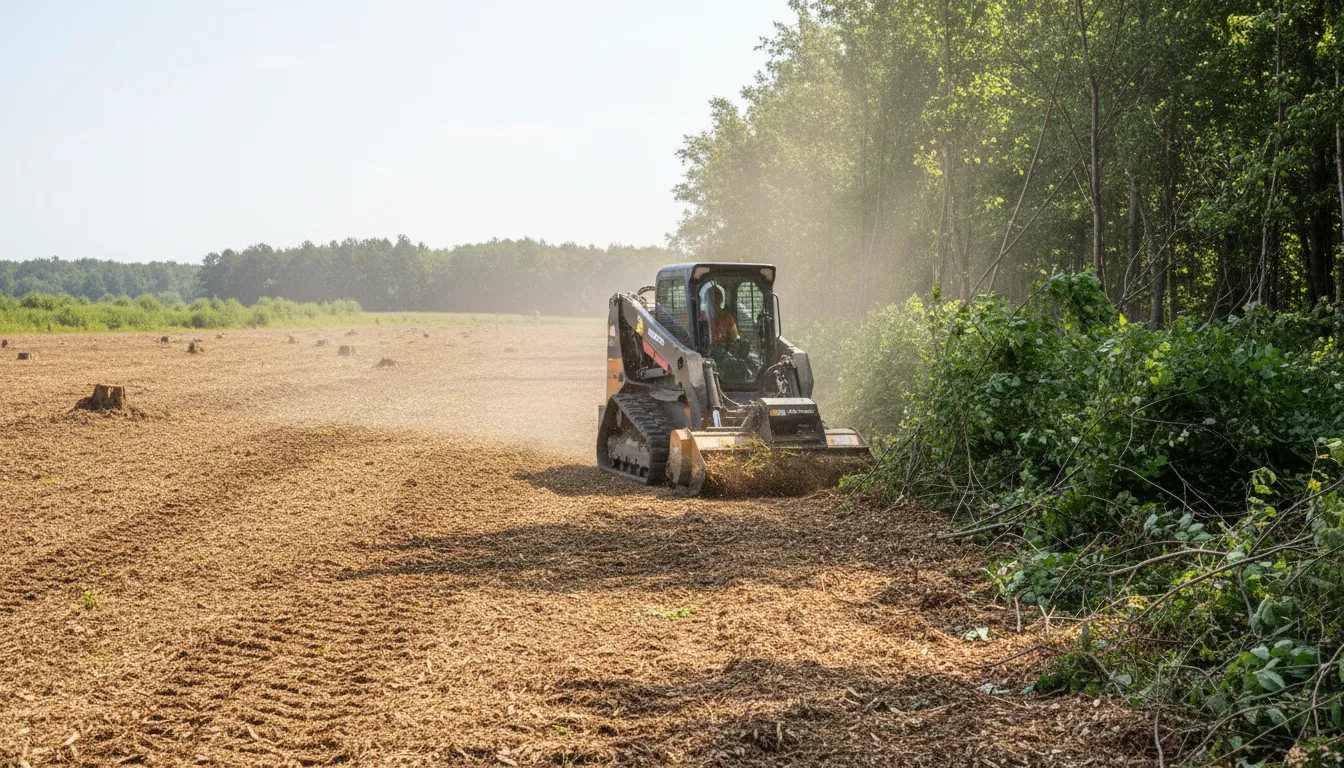
Land clearing is the essential first step for many construction, agricultural, and landscaping projects, involving the removal of trees, brush, and other vegetation from a site. In Kentucky, this process is governed by a strong emphasis on environmental protection, particularly for the state's abundant waterways and rolling terrain. Proper site preparation is not just about removing obstacles; it's about responsible planning to prevent erosion, manage stormwater, and comply with state and local regulations. This guide outlines the key considerations, costs, and regulatory landscape for land clearing projects across the Bluegrass State, helping you understand what to expect and how to connect with experienced local professionals who can navigate these requirements.
Shults Tree Service
252 Velva Dr, Louisville, KY 40229
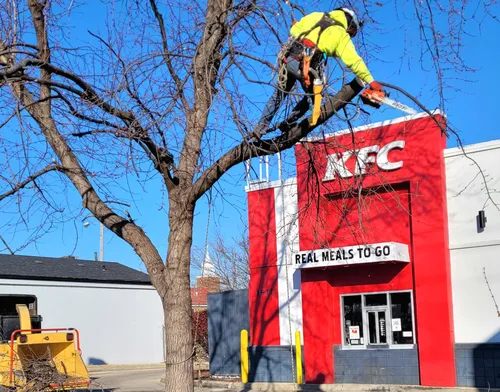
Shults Tree Service is a certified arborist company based in Louisville, KY, offering a wide range of tree care and land clearing services. They serve Louisville and nearby areas including Shepherdsville, Mt. Washington, Prospect, Taylorsville, Jeffersonville, and New Albany. Their services include tree trimming, removal, stump grinding, land clearing, storm damage cleanup, and emergency tree care. The team is led by an ISA-Certified Arborist and is equipped to handle tasks from routine pruning to complex tree removals safely and efficiently. They also provide 24/7 emergency tree services to address urgent needs.

Now You See It, Now You Don't
Louisville, KY
Now You See It, Now You Don't is a family-owned junk removal and tree service company based in Louisville, KY. They provide a range of services including junk removal, light demolition, tree trimming, storm cleanup, yard clearing, and dumpster rentals. The company emphasizes eco-friendly practices by donating usable items and recycling materials to minimize landfill waste. Fully insured and safety-focused, they serve homeowners, landlords, and business owners with fast quotes and flexible scheduling, often offering same-day or next-day service.
Babbs Land Management LLC
630 S Zion Rd, Scottsburg, IN 47170
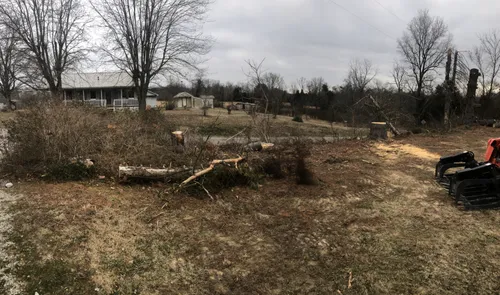
Babbs Land Management LLC is a family-owned and locally operated company based near Louisville, KY, offering a range of land management services for residential and commercial properties. Their services include tree removal, stump grinding, yard drainage, grading, land clearing, brush removal, landscaping, and hardscaping such as pavers and retaining walls. The company is licensed and insured, with over four years in business and extensive industry experience from the owner, Blake Babbs. They provide 24/7 availability for call-out and emergency jobs, supporting projects from small demolitions to septic system work.
Jamie's Stump Grinding
Lexington, KY
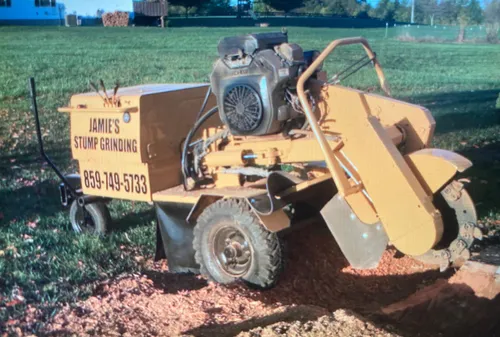
Jamie's Stump Grinding is a tree service and land clearing contractor based in Lexington, KY. They specialize in stump removal, tree and shrub removal, brush clearing, and emergency tree removal services. The company uses modern equipment and follows safety protocols, including the 'Call Before You Dig' 811 regulation, to protect underground utilities and ensure safe, efficient work. With five years of experience, Jamie's Stump Grinding serves multiple areas in Kentucky and offers insured services focused on the health and safety of yards and neighborhoods.
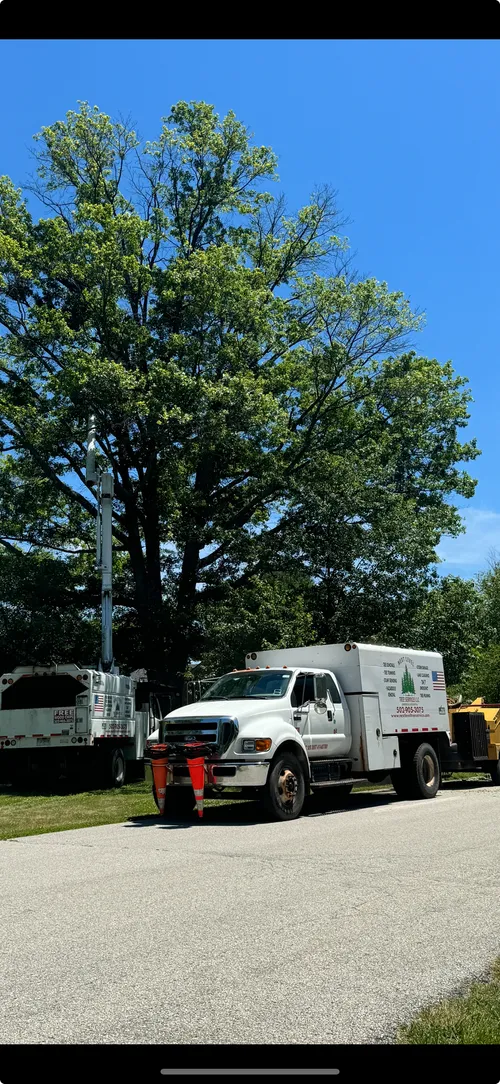
Next Level Tree Service
197 Kentucky St, Shelbyville, KY 40065
Next Level Tree Service provides professional tree care and land clearing services in Louisville, KY. They specialize in tree removal, tree pruning, stump grinding, storm damage cleanup, and brush removal, focusing on maintaining healthy and sustainable green spaces. The company understands the local environment and offers services tailored to the region's landscape.
Understanding Kentucky's Regulatory Environment
Before any equipment arrives on-site, understanding Kentucky's regulatory framework is crucial. The primary goal of state and local rules is to prevent sediment pollution, which can harm aquatic life and water quality. The Kentucky Energy and Environment Cabinet (EEC) enforces regulations that apply to nearly all land-disturbing activities.
A central rule is that any construction activity disturbing one acre or more of land typically requires a Kentucky Pollutant Discharge Elimination System (KPDES) permit for stormwater discharge 1. This isn't just a formality; it mandates the development and implementation of a detailed Erosion Prevention and Sediment Control (EPSC) plan. Furthermore, many local municipalities have their own, sometimes stricter, ordinances. For instance, some cities require permits for sites smaller than an acre if the project significantly increases impervious surface area 2.
Special attention is required near sensitive areas. Clearing within buffer zones of streams, rivers, lakes, or wetlands is heavily restricted and almost always requires additional permits 3. The Kentucky Transportation Cabinet (KYTC) also has specific regulations and may require mitigation payments for clearing within state highway rights-of-way.
Best Management Practices (BMPs) for Erosion Control
Compliance hinges on implementing effective Best Management Practices (BMPs). These are practical methods to minimize soil erosion and control sediment. Kentucky's field guides emphasize a phased approach: clearing land in sections rather than all at once to limit the amount of bare soil exposed to rain and wind.
Key BMPs for Kentucky projects include:
- Immediate Stabilization: Exposed soil should be covered as quickly as possible, ideally within 24 hours, using mulch, seed, or erosion control mats. This is especially critical on slopes steeper than 10% 4 5.
- Sediment Barriers: Installing silt fences, straw bale barriers, or sediment traps downhill of work areas is standard practice to catch runoff before it leaves the site.
- Vegetation Preservation: Whenever possible, existing trees and grass should be preserved. For trees that are to remain, a critical root zone (typically an area with a radius twice the branch span) should be marked and protected from compaction and damage by machinery 6.
- Runoff Diversion: Using berms or swales to divert clean runoff away from disturbed areas helps reduce the volume of water that can carry sediment.
Cost Factors for Land Clearing in Kentucky
The cost of clearing land in Kentucky is highly variable and depends on several site-specific factors. Prices are often quoted per square foot for larger tracts or as a project-based estimate. Based on local industry data, you can expect a general range 7 8:
- Light Clearing ($0.35 - $0.70 per sq ft): Involves removal of light brush, weeds, and small saplings.
- Moderate Clearing ($0.70 - $1.25 per sq ft): For thicker brush, dense undergrowth, and smaller trees.
- Heavy Clearing ($1.25 - $1.95+ per sq ft): Required for dense forest, large trees, and heavily wooded areas with substantial debris.
These base costs are influenced by:
- Vegetation Density: The type, size, and thickness of trees and brush are the primary cost drivers. Dense hardwood forest is far more costly to clear than an overgrown field.
- Terrain and Accessibility: Steep slopes, rocky ground, and poor access for heavy equipment can significantly increase time, labor, and equipment needs, raising the price 9 10.
- Disposal and Debris Management: Costs for grinding stumps, chipping brush, hauling away logs, or burning debris (where permitted) must be factored in.
- Permit and Planning Fees: The time and expense for obtaining KPDES permits, engineering plans for EPSC measures, and any local fees add to the overall project budget.
Find the perfect land clearing contractors for your needs
Get personalized recommendations and expert advice
The Land Clearing Process: From Planning to Stabilization
A successful project follows a logical sequence. It begins with a site evaluation by a qualified professional who assesses vegetation, topography, soil type, and proximity to waterways. This evaluation informs the planning and permitting phase, where necessary applications are submitted and the EPSC plan is finalized.
The physical clearing work is then executed in phases. Crews will typically fell trees, remove stumps via grinding or excavation, clear brush, and grade the land to the desired contour. Throughout this active phase, the installed BMPs like silt fences must be maintained.
Finally, site stabilization is not an afterthought but a required final step. Applying straw mulch, hydroseeding, or laying sod ensures the ground is protected from erosion the moment clearing work is complete, fulfilling permit conditions and protecting your investment 11.
Choosing a Service Provider in Kentucky
Given the regulatory complexity, selecting the right contractor is paramount. Look for providers with demonstrated experience in Kentucky-specific erosion control and permitting. They should be willing to conduct a thorough site visit and discuss their approach to BMPs and stabilization. Verify that they carry adequate insurance, including general liability and workers' compensation. Ask for references from past projects of similar scale and inquire about who will be responsible for securing the necessary permits. A reputable professional will view regulatory compliance not as a hurdle, but as an integral part of responsible site development.
Special Considerations for Rural and Agricultural Land
For farmers or rural landowners, land clearing might aim to create new pasture, reclaim overgrown fields, or prepare for agricultural buildings. While the core principles of erosion control still apply, the scale and techniques may differ. Controlled burning (with proper permits and safety protocols) is sometimes used for initial brush reduction. The focus may shift toward creating a stable seedbed for pasture grasses. It remains essential to protect any adjacent streams or ponds with vegetated buffer strips, as these are critical for keeping sediment and nutrients out of water sources, which is a key part of Kentucky's agricultural water quality plans 12 13.
Frequently asked questions
Sources
Footnotes
-
Fact Sheet - https://eec.ky.gov/Environmental-Protection/Water/PermitCert/KPDES/Documents/KYR10FactSheet.pdf ↩
-
Erosion and Sediment Control - City of Bellefonte Kentucky - https://cityofbellefonte.com/wp-content/uploads/2019/05/Erosion-and-Sediment-Control-1.pdf ↩
-
Title 603 Chapter 5 Regulation 155 • Kentucky Administrative ... - https://apps.legislature.ky.gov/law/kar/titles/603/005/155/ ↩
-
Title 405 Chapter 18 Regulation 200 • Kentucky Administrative ... - https://apps.legislature.ky.gov/law/kar/titles/405/018/200/ ↩
-
hardin county, kentucky ordinance no. 239, series 2005 - https://www.hardincountyky.gov/DocumentCenter/View/241/Ordinance-No-239-Series-2005-PDF ↩
-
VEGETATION MANAGEMENT GUIDE (DRAFT) - KYTC - https://transportation.ky.gov/Permits/AuxDocuments/Vegetation%20Management%20Gude%20April%202024%20Draft.pdf ↩
-
Land Clearing Cost in Lexington KY | BrushGrinders - https://lexingtonbrushgrinders.com/land-clearing-cost-lexington-ky/ ↩
-
Land Clearing Cost in Lexington KY | BrushGrinders - https://lexingtonbrushgrinders.com/land-clearing-cost-lexington-ky/ ↩
-
Land Clearing Cost in Lexington KY | BrushGrinders - https://lexingtonbrushgrinders.com/land-clearing-cost-lexington-ky/ ↩
-
Commercial Land Clearing Guide - https://strongholdtexas.com/a-complete-guide-to-commercial-land-clearing/ ↩
-
Erosion Prevention and Sediment Control Guide - Kentucky Energy ... - https://eec.ky.gov/Environmental-Protection/Water/Protection/Pages/EPSC.aspx ↩
-
Kentucky Erosion Prevention and Sediment Control Field Guide - https://eec.ky.gov/Environmental-Protection/Water/Reports/Reports/NPS0109-BMPConstFieldGuideRevised.pdf ↩
-
Kentucky - Best Management Practices for Construction Activities 2005 - https://eec.ky.gov/Environmental-Protection/Water/PermitCert/WQ401Cert/Documents/KentuckyBestMgmtPracticesForConstructionActivities-2005.pdf ↩