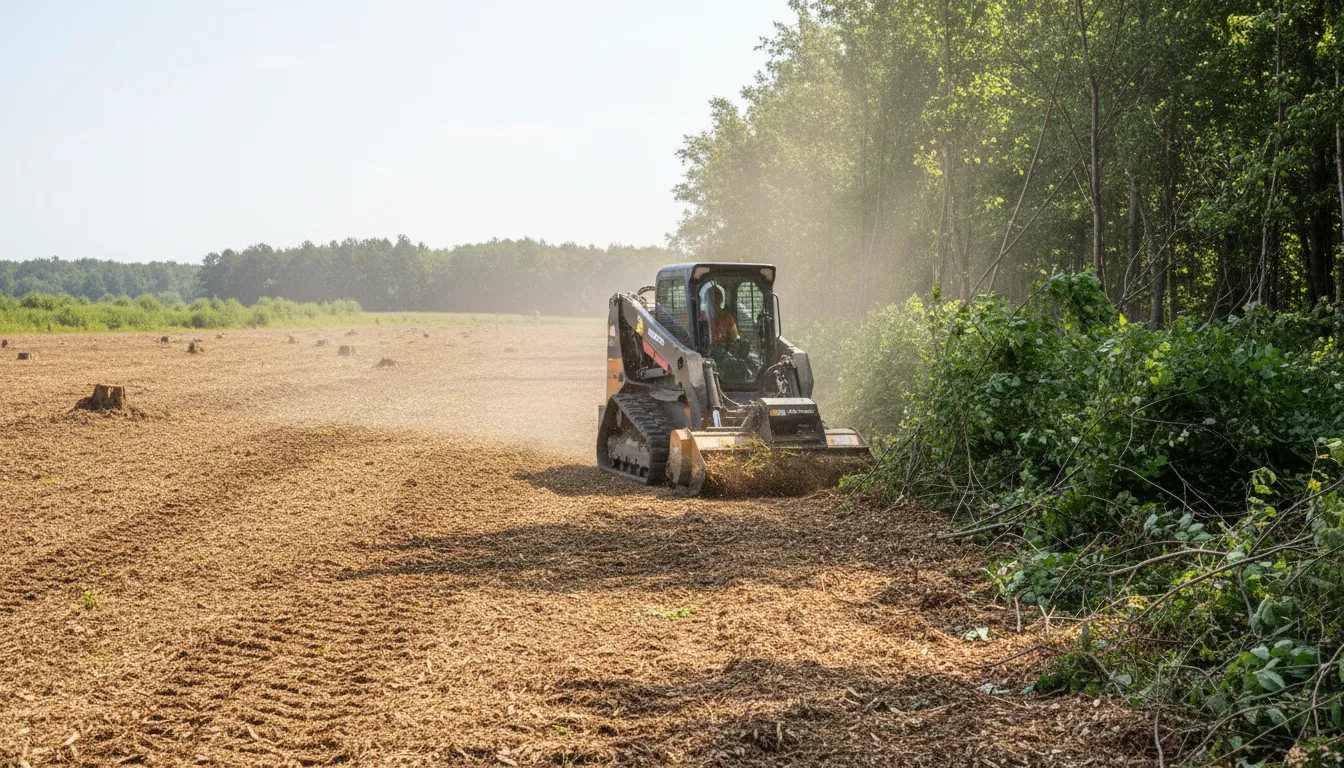
Find the Best Land Clearing Contractors for Your Business
No obligation • Fast responses • Nationwide coverage

Why you can trust Landscape Atlas
Landscape Atlas is a leading United States resource for evaluating landscaping, lawn care, and outdoor service providers. Our team researches each category in depth, focusing on service quality, safety, and customer experience. Listings and rankings are based on independent criteria and user feedback, and companies cannot pay to influence our assessments or recommendations.
Search providers near you
Best Land Clearing Contractors in Louisiana Ranked
Land clearing is the process of removing trees, stumps, brush, and other vegetation to prepare a site for construction, agriculture, or other development. In Louisiana, this work is more than just heavy machinery; it's a regulated activity that requires careful planning to protect the state's unique environment and comply with local laws. Understanding the rules for permits, erosion control, and protected species is essential for a successful project. This guide provides the practical information you need to plan your site work and connect with qualified local professionals who understand Louisiana's specific requirements.
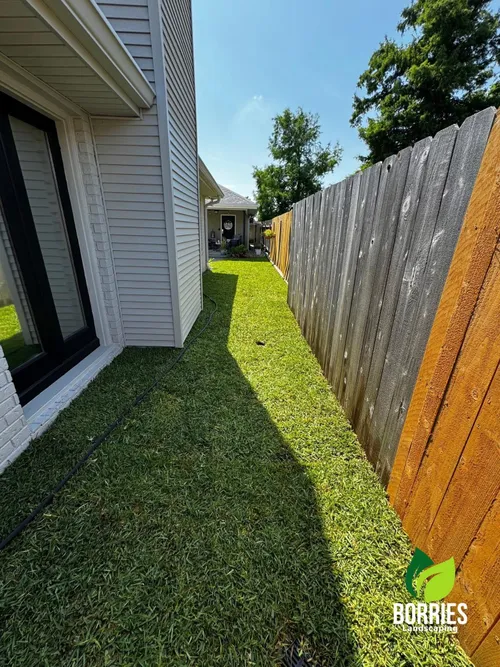
Borries Landscaping, Llc
726 N Starrett Rd, Metairie, LA 70003
Borries Landscaping, Llc is a family-owned landscaping company serving New Orleans, LA, and nearby areas including Kenner and Metairie. Established in 2018, they offer a range of services such as sod installation with options like St. Augustine and Bermuda, landscape design, tree removal, yard drainage solutions including French drains, sprinkler installation and repair, land clearing, and hardscaping. Their team includes a licensed horticulturist and experienced staff who handle projects from garden cleanups to full landscape installations. They are equipped to manage grading and drainage issues common in South Louisiana's rainy climate.
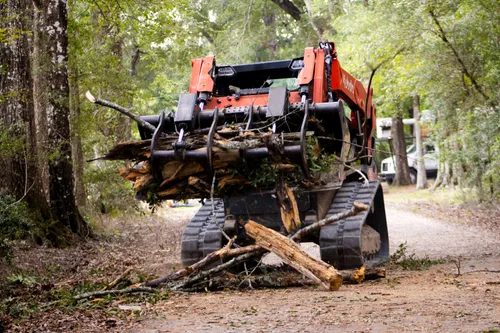
TREE-MENDOUS TREE SERVICE
Baton Rouge, LA
TREE-MENDOUS TREE SERVICE provides tree removal, stump grinding, land clearing, and brush removal services in Baton Rouge, LA, and nearby areas including Prairieville and Denham Springs. Their certified arborists use advanced equipment to safely remove hazardous trees, perform expert trimming, and clear land for construction or landscaping projects. The company also offers 24/7 storm cleanup and stump grinding with commercial-grade machinery to improve yard usability. TREE-MENDOUS TREE SERVICE is licensed and insured, serving both residential and commercial clients with a focus on maintaining tree health and safety.
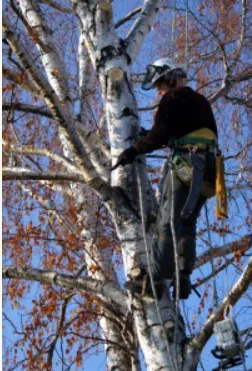
Professional Tree Service
13504 Rene Ave, Gulfport, MS 39503
Professional Tree Service provides tree removal, stump grinding, land clearing, and brush removal services in New Orleans, LA. The company offers a range of tree care solutions including emergency tree services, cabling and bracing, and storm damage clean-up. Their expertise includes handling tree trimming and land clearing projects with attention to safety and proper permits when required.
Singletary's Tree Service
New Orleans, LA
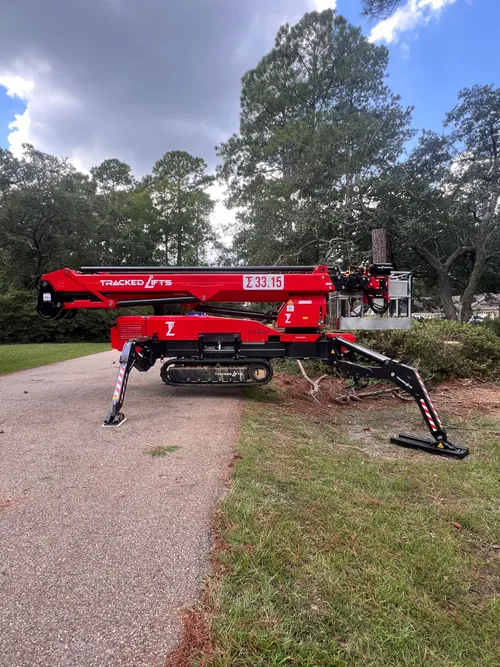
Singletary's Tree Service provides tree removal, stump grinding, and land clearing services in New Orleans, LA. Their team follows strict safety protocols to handle hazardous or damaged trees and uses Bobcat equipment for efficient land clearing projects. They focus on removing stumps to prevent regrowth and prepare properties for construction or landscaping needs.
Bottomland Tree Service
New Orleans, LA
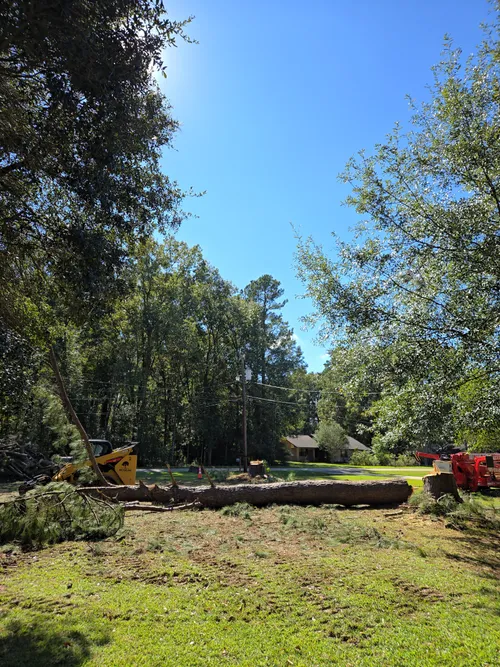
Bottomland Tree Service is a tree and land management company based in New Orleans, LA, serving Southeast Louisiana and Southwest Mississippi. They offer services including tree removal, stump grinding, forestry mulching, land clearing, right-of-way clearing, and brush removal for residential, commercial, and industrial clients. Their equipment features low ground pressure track pads, allowing work on various terrains with minimal soil disturbance. The company supports construction contractors, utility companies, homeowners, and government agencies with safe and environmentally responsible vegetation management solutions.
Understanding Louisiana's Land Clearing Regulations
Before any equipment arrives on-site, the first step is navigating the regulatory landscape. Louisiana has specific rules to manage stormwater runoff, protect habitats, and preserve tree canopy, especially in developing areas.
A cornerstone regulation is the Louisiana Pollutant Discharge Elimination System (LPDES) permit, administered by the Department of Environmental Quality (DEQ). If your land disturbance project will impact one acre or more of land, you will likely need an LPDES Construction General Permit. This permit is designed to control sediment and pollutants in stormwater runoff from construction sites. It's important to note that clearing for active agricultural purposes is typically exempt from this stormwater permit requirement.
Local city and parish governments often have their own, sometimes stricter, ordinances. For example, the City of Baton Rouge has detailed land clearing requirements that address permit thresholds, tree protection, and mandatory erosion control measures. Similarly, municipalities like Hammond have landscaping and tree preservation ordinances that can affect how clearing is conducted, particularly for new subdivisions or commercial developments. Always check with your local planning or public works department for specific rules.
Key Environmental Considerations
Louisiana's rich ecosystems demand special attention during clearing projects. Ignoring these factors can lead to significant delays, fines, or mandatory remediation.
- Protected Species and Habitat: Certain areas may be home to protected species, such as the Louisiana Black Bear. Disturbing critical habitat can trigger additional permitting requirements from state or federal wildlife agencies. Furthermore, local tree ordinances may protect specific species or sizes of trees, requiring permits for their removal and often mandating mitigation planting (replacing removed trees with new ones) 1.
- Erosion and Sediment Control (ESC): This is non-negotiable. Louisiana's heavy rainfall can quickly turn an unstabilized site into a source of major sediment pollution. Mandatory ESC measures include installing silt fences, applying mulch or erosion control blankets on exposed soil, and creating stabilized construction entrances 2. The state's administrative code explicitly requires minimizing soil erosion and off-site sediment discharge 2.
- Debris Management: You must have a plan for the vegetation and waste removed from the site. Options include on-site chipping for mulch, hauling to a licensed landfill, or in some cases, controlled burning (where permitted). Responsible debris management is a key part of project planning and cost estimation.
The Professional Land Clearing Process
A reputable contractor will follow a systematic approach to ensure efficiency, safety, and compliance.
- Site Evaluation and Planning: A professional will first assess the property's topography, soil type, density of vegetation, and proximity to waterways or wetlands. This evaluation informs the clearing strategy and permit applications.
- Permitting and Notification: Your contractor should help identify and secure all necessary permits from the DEQ and local authorities before work begins. This may include submitting a Stormwater Pollution Prevention Plan (SWPPP).
- Phased Clearing and Implementation: Instead of clearing the entire site at once, a best practice is to clear in phases. This limits the amount of exposed soil at any given time, making erosion control more manageable and effective.
- Erosion Control Installation: ESC measures like silt fences and inlet protections are installed before major clearing begins.
- Vegetation Removal: Using equipment like bulldozers, excavators with mulching heads, and stump grinders, the crew removes designated trees, brush, and stumps.
- Site Stabilization: Once clearing is complete for a phase or the entire project, the ground is stabilized. This can involve grading, seeding, sodding, or applying other ground covers to prevent erosion.
Find the perfect land clearing contractors for your needs
Get personalized recommendations and expert advice
Cost Factors for Land Clearing in Louisiana
The cost to clear land in Louisiana is highly variable and depends on several project-specific factors. For small parcels around one acre, you can expect a wide range, typically from $800 to over $6,000, with the final price depending on conditions below 3 4.
- Acreage and Vegetation Density: Larger projects have a lower cost-per-acre but a higher total price. Dense forest with large trees and thick underbrush costs significantly more to clear than a lightly wooded field.
- Terrain and Accessibility: Steep slopes, wet ground, or poor access for heavy equipment will increase labor time and complexity, raising costs.
- Debris Removal and Disposal: The largest cost variable is often what happens to the cleared material. Leaving logs for the owner, chipping on-site, or hauling everything away have very different price tags. Haulage and landfill fees add up quickly.
- Site Preparation Level: Basic clearing differs from "grubbing," which removes all roots and organic material, or full site grading and leveling.
- Permit and Mitigation Fees: Don't forget to budget for permit application fees and any required mitigation costs, such as purchasing and planting replacement trees.
For commercial-scale projects or subdivisions, costs are custom-quoted based on detailed surveys and plans, as economies of scale are balanced against more complex regulatory and engineering requirements 5.
How to Choose a Qualified Louisiana Contractor
Selecting the right professional is critical for a compliant and smooth project.
- Verify Licensing and Insurance: Ensure the contractor carries comprehensive general liability and workers' compensation insurance. While Louisiana may not have a specific "land clearing" license, they should be a licensed contractor in good standing.
- Check Local Experience: Choose a company with proven experience in your specific parish or city. They will have established relationships with local permit offices and knowledge of area-specific ordinances 6.
- Review Environmental Compliance Knowledge: Ask potential contractors about their experience with LPDES permits, SWPPP preparation, and erosion control. They should be able to explain the process clearly.
- Get Detailed Written Estimates: Obtain at least three written estimates that break down costs for labor, equipment, debris disposal, and any permit assistance. Be wary of quotes that seem unusually low.
- Ask for References and Portfolios: A reputable company will provide examples of past projects similar in scope to yours and references you can contact.
Final Steps Before You Begin
Your due diligence before starting a project is the best insurance against problems.
- Contact Authorities: Reach out to your local parish/city planning office and the Louisiana DEQ to confirm permit requirements for your specific project address and scope 7 8 9.
- Define Your Project Goals: Clearly communicate your end goal (e.g., home site, pasture, commercial lot) to every contractor you consult. This ensures their plan aligns with your vision.
- Plan for the Long Term: Consider what happens after the clearing is done. Factor in costs for ongoing erosion control, final grading, and any landscaping or construction that will follow.
Frequently asked questions
Sources
Footnotes
-
City of Hammond Ordinance No. ____________ LANDSCAPING, ... ↩
-
Louisiana Administrative Code, Chapter 3, Section I-315 ↩ ↩2
-
Pricing Guide: How Much Does It Cost to Clear Land? - LawnStarter ↩
-
6 Things You Need To Know About Land Clearing Services in Bogalusa ↩
-
Land Clearing in Louisiana: Navigating Local Regulations for a Smooth Project ↩