Find the Best Land Clearing Contractors for Your Business
No obligation • Fast responses • Nationwide coverage

Why you can trust Landscape Atlas
Landscape Atlas is a leading United States resource for evaluating landscaping, lawn care, and outdoor service providers. Our team researches each category in depth, focusing on service quality, safety, and customer experience. Listings and rankings are based on independent criteria and user feedback, and companies cannot pay to influence our assessments or recommendations.
Search providers near you
Best Land Clearing Contractors in Massachusetts Ranked
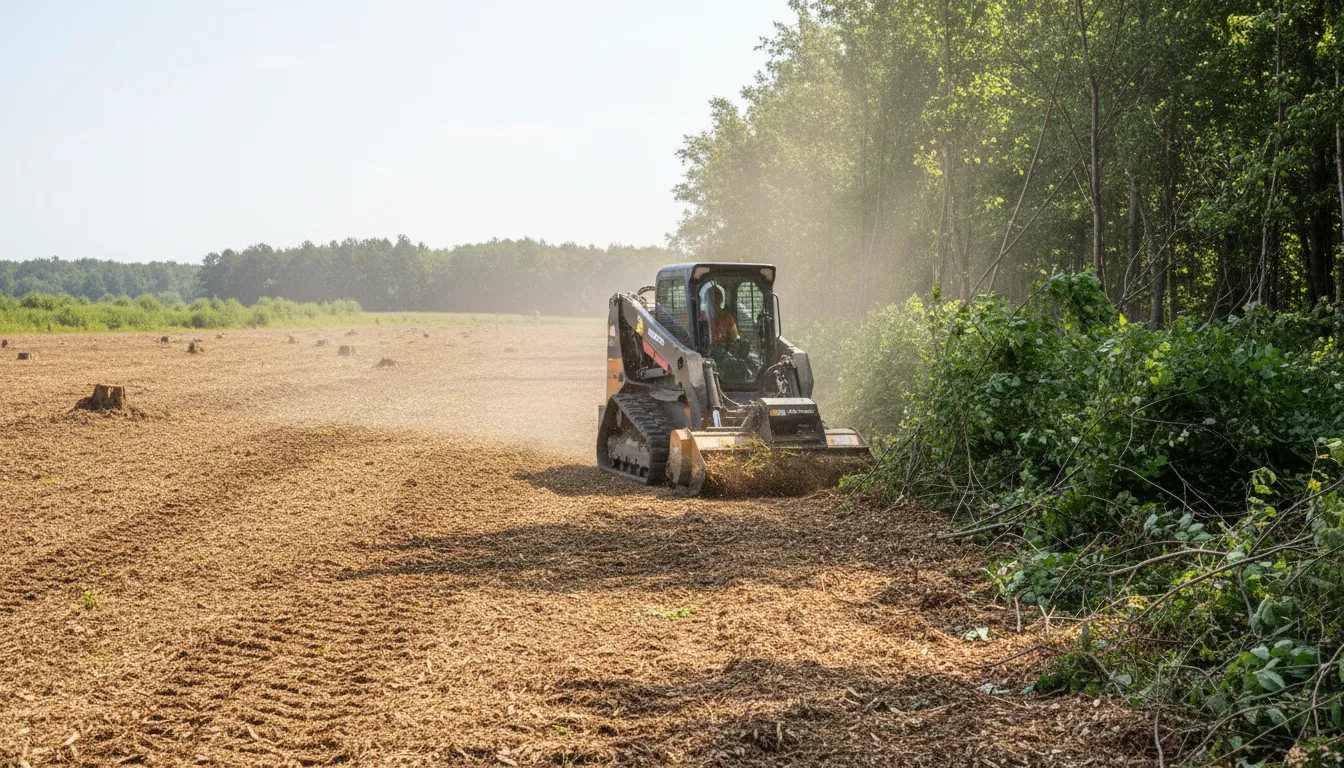
Preparing a property for construction, agriculture, or restoration often begins with land clearing. In Massachusetts, this process involves the careful removal of trees, brush, stumps, and other vegetation to create a usable space. It's a critical first step for many projects, but it's governed by a complex web of state and local environmental regulations designed to protect natural resources. This guide explains the key considerations, regulations, and costs associated with land clearing in the Bay State, helping you understand how to find qualified local professionals who can navigate these requirements successfully.
Kelley Tree Service
100 Ashburton Ave, Woburn, MA 01801
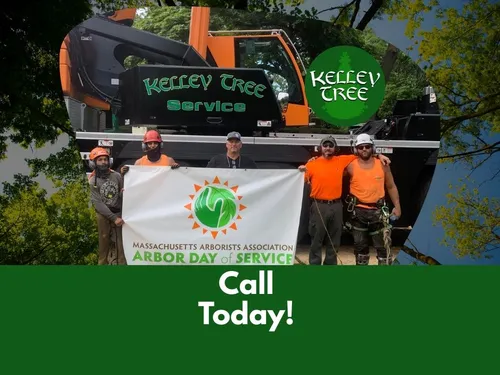
Kelley Tree Service is a locally owned and Veteran-Owned Small Business based in Boston, MA, providing a full range of tree care and land clearing services. Since 2011, they have offered tree removal, trimming, pruning, stump grinding, and lot clearing to residential and commercial clients. The company is fully licensed, insured, and a member of several professional arborist associations. They specialize in safe tree removal using cranes or ropes and pulley systems, as well as efficient stump grinding to prepare sites for landscaping or construction. Kelley Tree Service also offers 24/7 emergency storm damage cleanup and snow removal services to handle severe weather conditions.
Keith's Tree Service
465 Water St, Wakefield, MA 01880
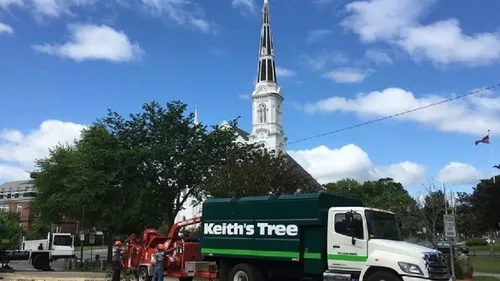
Keith's Tree Service is a licensed and insured tree care company based near Boston, MA, specializing in tree removal, stump grinding, pruning, and land clearing. They serve Wakefield and the surrounding Eastern Massachusetts area, handling large, dangerous, and hard-to-reach trees. With over 20 years in the industry, their certified arborist brings extensive experience in arboriculture to provide confident recommendations. The company also offers emergency tree services and operates year-round.

Dependable Tree Service
837 Randolph St, Abington, MA 02351
Dependable Tree Service is a family-owned business with over 15 years of experience, serving Boston, MA, and surrounding areas. They specialize in tree removal, pruning, stump grinding, lot clearing, and brush removal. The company uses equipment such as bucket trucks, cranes, and climbers to safely remove trees, including those in delicate or hard-to-reach locations. Dependable Tree Service is fully licensed and insured, offering written proposals and free estimates to clients.
Mendez Tree Services Inc
Boston, MA
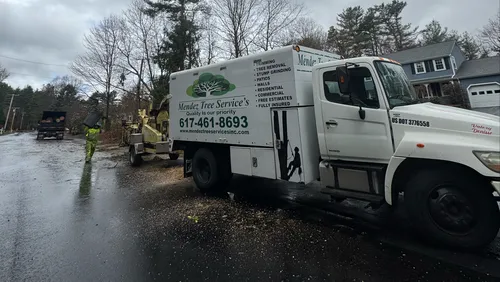
Mendez Tree Services Inc is a landscaping and tree service company based in Boston, MA. They offer a range of services including tree removal, stump grinding, land clearing, brush removal, and general landscaping. With over eight years of experience, the team provides skilled landscaping and tree care services, focusing on delivering professionally finished results from start to finish.
EP Landscape Demo & Services LLC - Boston
Boston, MA
EP Landscape Demo & Services LLC - Boston is a landscaping company serving Boston, MA, and surrounding communities. They offer a wide range of services including lawn mowing, fertilization, weed control, landscape design, tree and stump removal, yard drainage, grading, land clearing, and brush removal. Their expertise covers residential, commercial, and industrial landscaping needs, with capabilities such as large-scale land clearing, site preparation, and storm damage cleanup. The company understands Boston's unique climate and terrain, adapting their services to local conditions including coastal weather and seasonal changes. They provide ongoing maintenance and specialized services like bi-weekly weeding and mulch installation to support healthy landscapes throughout the year.
Understanding Massachusetts Land Clearing Regulations
Land clearing in Massachusetts is not a simple matter of bringing in heavy equipment. The state and its municipalities have established strict rules to minimize environmental impact, particularly concerning water quality, wildlife habitats, and soil stability. Navigating these regulations is the most crucial aspect of planning a clearing project.
State-Level Oversight: The Forest Cutting Practices Act
A primary state law governing tree removal is the Forest Cutting Practices Act1. This act is designed to protect forest resources for water supply protection, wildlife habitat, and erosion control. If your project involves cutting a significant volume of timber, you may need to file a Forest Cutting Plan with the state's Department of Conservation and Recreation. This ensures that logging and clearing activities follow best management practices to prevent soil erosion and protect waterways.
Local Permits and Commissions
Local oversight is often more immediate and detailed. Two key local boards are typically involved:
- Conservation Commission: Nearly every town has a Conservation Commission responsible for enforcing the Massachusetts Wetlands Protection Act. If your property contains or is near wetlands, marshes, streams, or floodplains, any land clearing activity will likely require a permit from this commission. The goal is to prevent pollution and protect the natural functions of these critical areas.
- Planning Board or Zoning Board: Many municipalities require a Site Alteration Special Permit for clearing projects over a certain size, often 40,000 square feet or more. The Planning Board reviews these permits to ensure the project complies with local zoning bylaws and does not adversely affect the neighborhood or environment.
The first and most important step is to contact your local town hall to speak with the Conservation Commission and Planning Department. They can clarify exactly which permits you'll need before any work begins 2.
Protecting Specimen Trees and Managing Vegetation
Local bylaws often include provisions for specimen trees-large, historic, or otherwise significant trees3. Removing these trees may be prohibited or require a special permit. Furthermore, projects must address noxious and invasive plants like Buckthorn. Management plans for these species are sometimes required, as noted in utility vegetation management plans4.
Best Practices for Erosion and Sediment Control
Massachusetts regulations strongly emphasize controlling erosion and managing stormwater runoff from disturbed land. A proper site plan must include specific measures to prevent soil from leaving the property and entering storm drains or waterways.
Key Principles for Minimizing Impact
The guiding philosophy is to minimize disturbance. This means clearing only the area absolutely necessary, preserving natural vegetation buffers (especially near water), and carefully planning the sequence of work to limit the amount of exposed soil at any given time.
Essential Control Measures
Professional land clearing services will implement a suite of controls, which may be mandated by your permit:
- Silt Fences: Temporary barriers of filter fabric installed downhill of disturbed areas to catch sediment.
- Wattles (Straw Rolls): Tubular rolls of straw or other material placed on slopes or along contours to slow water flow and trap sediment.
- Stabilized Construction Entrances: Stone pads at site entrances to prevent tracking mud onto public roads.
- Catch Basin Silt Sacks: Filters placed in storm drain inlets.
- Immediate Stabilization: As soon as clearing and grading are complete in an area, exposed soil must be stabilized, typically by seeding and mulching or installing erosion control blankets.
Find the perfect land clearing contractors for your needs
Get personalized recommendations and expert advice
Cost Factors for Land Clearing in Massachusetts
The cost to clear land in Massachusetts varies widely based on several factors. While average ranges provide a starting point, a professional, site-specific quote is essential for an accurate budget.
Primary Cost Determinants
- Vegetation Density and Type: Clearing a lightly wooded lot with small trees and brush is far less expensive than clearing a dense, mature forest with large-diameter trees and thick undergrowth.
- Terrain and Accessibility: Steep slopes, rocky ground, and poor access for equipment increase the time, complexity, and cost of the job.
- Acreage and Lot Size: While costs are often estimated per acre, smaller lots (e.g., under an acre) may have a higher cost per square foot due to fixed mobilization costs for equipment.
- Disposal Methods: Costs depend on whether debris is chipped on-site for mulch, hauled away, or burned (where permitted).
- Stump Removal: Grinding stumps adds significant cost but is often necessary for construction.
- Permitting and Planning: The time and potential consulting fees required to secure necessary permits are a real part of the project cost.
Estimated Cost Ranges
Based on industry data, here are general cost ranges for Massachusetts5 6 7 8:
- Per Acre (General Clearing): $1,500 - $5,000. For dense, forested acreage, costs can reach $3,400 to $6,200 or more.
- Selective or Light Clearing: $1,200 - $4,000 per acre for thinning trees or clearing brush around building sites.
- Smaller Residential Lots: A single acre project might range from $800 to $5,900 total, depending on the factors above.
These figures are for the clearing work itself and may not include permit fees, engineering plans, or subsequent grading and seeding.
Choosing a Professional Land Clearing Service
Given the regulatory complexity, hiring an experienced, licensed, and insured professional is non-negotiable. A reputable contractor will:
- Understand state and local permitting requirements.
- Conduct a thorough site evaluation.
- Provide a detailed written estimate that outlines the scope of work, timeline, and responsible party for obtaining permits.
- Have proof of insurance (liability and workers' compensation).
- Explain their erosion control plan.
- Offer references from past projects in your area.
Be sure to get multiple quotes and ask each provider how they intend to comply with local Conservation Commission and Planning Board rules.
The Importance of Post-Clearing Stabilization
The job isn't finished when the last tree is removed. Massachusetts standards require that all disturbed soils be stabilized immediately after grading to prevent erosion9. This typically involves:
- Seeding and Mulching: Applying grass seed and a protective layer of straw mulch.
- Erosion Control Blankets: Using biodegradable mats to hold seed and soil in place on steeper slopes.
- Temporary or Permanent Planting: Establishing vegetation is the most effective long-term method for reducing erosion and storm damage10.
Your land clearing professional should include this critical final step in their project plan and quote.
Frequently asked questions
Sources
Footnotes
-
Forest Cutting Practices Act - Mass.gov - https://www.mass.gov/guides/forest-cutting-practices-act ↩
-
Land Clearing Techniques for Massachusetts Properties - https://www.groundscapesinc.com/land-clearing-techniques-for-massachusetts-properties-a-comprehensive-guide ↩
-
Model Land Clearing, Grading and Protection of Specimen Trees ... - https://www.mass.gov/doc/model-tree-clearing-ordinance-from-cape-cod-commission/download ↩
-
Massachusetts Five Year Vegetation Management Plan 2024 ... - https://www.nationalgridus.com/media/oasis/filings-and-studies/2024-2028-ma-national-grid-5-year-vmp.pdf ↩
-
Land clearing for development: Top 5 Safe Methods 2025 - https://aatreeservicema.com/land-clearing-for-development/ ↩
-
Pricing Guide: How Much Does It Cost to Clear Land in 2026? - LawnStarter - https://www.lawnstarter.com/blog/cost/clear-land-price/ ↩
-
How Much Does it Cost to Clear Land in 2026? - Lawn Love - https://lawnlove.com/blog/land-clearing-cost/ ↩
-
Land Clearing Cost Per Acre: A Complete Guide - Jack Cooper - https://www.jackcooper.com/land-clearing-cost-per-acre-a-complete-guide/ ↩
-
of 17 CITY OF NEWTON Stormwater Management and Erosion ... - https://www.newtonma.gov/home/showpublisheddocument/86082/638768684348457374 ↩
-
Planting Vegetation to Reduce Erosion and Storm Damage - Mass.gov - https://www.mass.gov/doc/stormsmart-properties-fact-sheet-3-planting-vegetation-to-reduce-erosion-and-storm-damage/download ↩