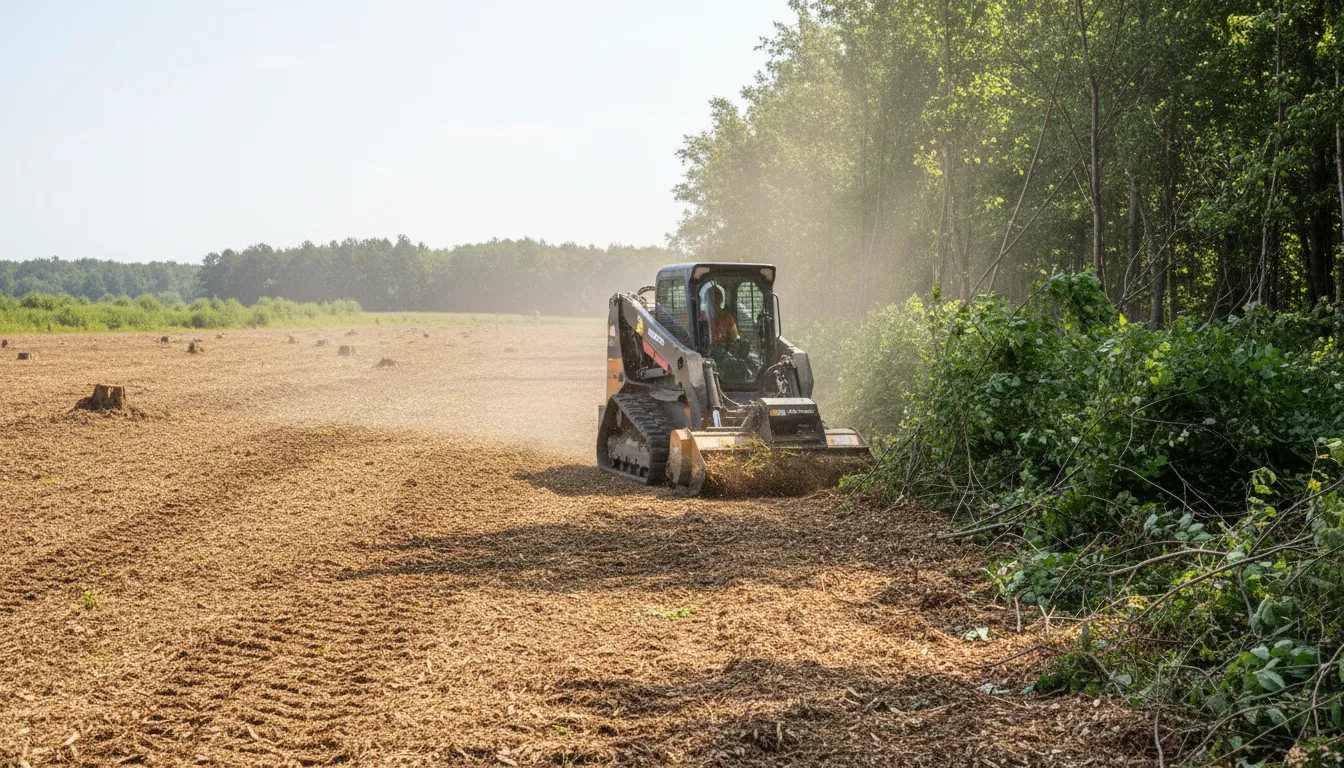
Find the Best Land Clearing Contractors for Your Business
No obligation • Fast responses • Nationwide coverage

Why you can trust Landscape Atlas
Landscape Atlas is a leading United States resource for evaluating landscaping, lawn care, and outdoor service providers. Our team researches each category in depth, focusing on service quality, safety, and customer experience. Listings and rankings are based on independent criteria and user feedback, and companies cannot pay to influence our assessments or recommendations.
Search providers near you
Best Land Clearing Contractors in Maryland Ranked
Land clearing is the process of removing trees, brush, stumps, and other obstacles from a property to prepare it for construction, agriculture, or landscaping. In Maryland, this work is more than just heavy machinery; it's a regulated activity crucial for protecting the state's waterways, forests, and soil. Proper land clearing ensures your project proceeds safely, legally, and with minimal environmental impact. This guide will help you understand the key regulations, processes, and considerations for clearing land in Maryland, empowering you to plan effectively and connect with qualified local professionals.
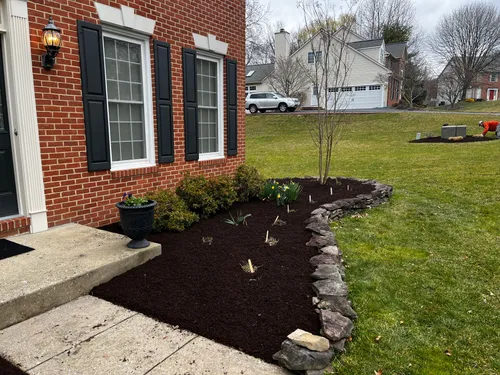
Core Aeration and Lawn Services, LLC
Baltimore, MD
Core Aeration and Lawn Services, LLC is a landscaping and lawn care company based in Baltimore, MD. They offer a range of services including lawn aeration, overseeding, topdressing, turf renovation, mulching, garden bed maintenance, shrub trimming, tree pruning, brush hogging, leaf removal, shrub removal, and junk removal. The company serves Baltimore and surrounding areas such as Catonsville, Clarksville, Dayton, Woodbine, Columbia, West Friendship, and Ellicott City. Core Aeration and Lawn Services provides expert advice on planting and watering, helping customers maintain their landscapes effectively.
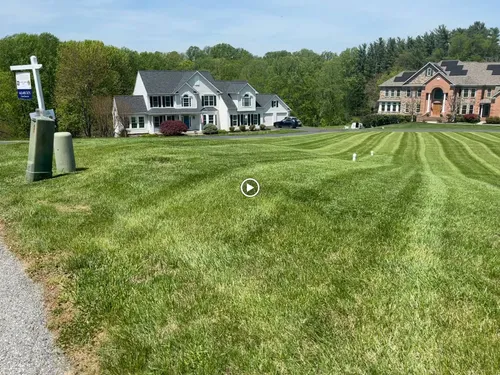
Green Heaven Lawn Care & Snow Removal Services LLC
Baltimore, MD
Green Heaven Lawn Care & Snow Removal Services LLC is a landscaping and lawn care company based in Baltimore, MD. They provide a variety of outdoor maintenance services including lawn mowing, mulching, rock installations, seasonal cleanups, weeding, land clearing, snow removal, leaf cleanup, and flower bed care. Their service offerings cover both lawn care and land clearing, helping maintain and enhance outdoor spaces throughout the year.
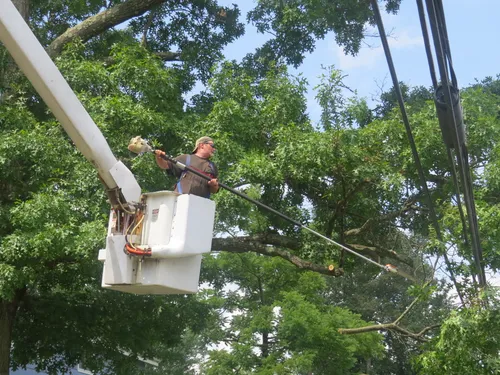
Doug's Tree Service
Baltimore, MD
Doug's Tree Service provides comprehensive tree care and land clearing services in Baltimore, MD. The company offers tree removal, stump grinding, pruning, trimming, hazardous tree assessment, and line clearing, with a focus on safety and practical solutions. Doug Gardner, a certified arborist, leads a skilled team equipped to handle complex and dangerous tree jobs, including those requiring cranes or bucket trucks. Serving Baltimore and surrounding counties, Doug's Tree Service has built a reputation over many years for honest advice and thorough property care. They also offer 24/7 emergency services for storm-related tree damage.
A-AAA Tree Service
4134 E Joppa Rd Suite 203, Nottingham, MD 21236
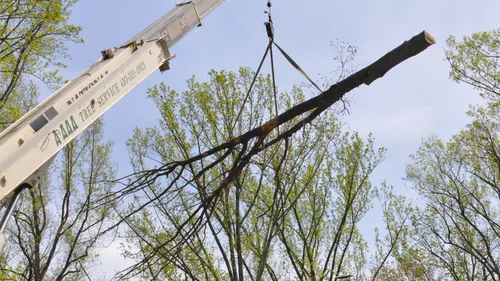
A-AAA Tree Service provides comprehensive tree care and land clearing services in Baltimore, MD. Their offerings include tree removal, trimming, stump grinding, storm damage cleanup, and lot clearing. They also provide specialized services such as tree inventory, structural support with cabling and bracing, and crane operations for various projects. Since 2002, A-AAA Tree Service has served the Greater Baltimore Area with a focus on safety, expertise, and proper equipment. They are prepared to assist with emergency storm damage cleanup when needed.
MD Lawn Care & Landscaping
5993 Sandy Ridge, Elkridge, MD 21075
MD Lawn Care & Landscaping is a full-service lawn care and landscaping company based in Baltimore, MD. They offer a wide range of services including lawn mowing, fertilization, weed control, sod installation, landscape lighting, tree services, yard drainage, land clearing, and seasonal cleanups. Their expertise includes professional sod installation with soil preparation and grading to ensure healthy, long-lasting lawns. The company focuses on maintaining clean, polished outdoor spaces through regular upkeep and specialized landscaping projects.
Understanding Maryland's Regulatory Landscape
Before any equipment arrives on your property, it's essential to understand the regulatory framework. Maryland has strict rules to prevent soil erosion and protect water quality, particularly for the Chesapeake Bay and its tributaries.
The 5,000 Square Foot Threshold: A critical rule to know is that disturbing 5,000 square feet or more of land, or moving 100 cubic yards or more of soil, requires an approved Erosion and Sediment Control (ESC) plan from your local soil conservation district or permitting authority. The Maryland Department of the Environment (MDE) sets the statewide standards that these local plans must follow 1. This means even a moderately sized residential lot clearing project will likely need a permit.
Forest Conservation Act: For larger projects, typically those disturbing more than 40,000 square feet, Maryland's Forest Conservation Act comes into play. This may require a Forest Stand Delineation (FSD) to inventory existing trees and a Forest Conservation Plan that mandates replanting or mitigation for any significant tree loss 2. The goal is to minimize the loss of forest cover during development.
Special Protections: Critical Areas and Buffers
Maryland designates certain regions as "Critical Areas"-land within 1,000 feet of the Chesapeake Bay or its tidal tributaries. Clearing in these zones is subject to the most stringent regulations.
Vegetative Buffers are Mandatory: In Critical Areas, establishing and maintaining a vegetated buffer is a primary requirement. These buffers, often 35 feet or more in width, act as natural filters, trapping sediment and nutrients before they reach the water 3. Clearing within these buffers is heavily restricted and usually requires replanting with native species if any disturbance occurs.
Even outside Critical Areas, preserving existing vegetation and establishing new vegetative buffers along streams and shorelines is a best practice strongly encouraged by the state for erosion control and habitat preservation 4 5.
The Erosion and Sediment Control (ESC) Plan Process
An ESC plan is not just a permit; it's a detailed blueprint for how your project will manage stormwater and prevent dirt from leaving the site.
What's in a Plan: A certified professional must prepare the plan, which will specify Best Management Practices (BMPs) tailored to your site. Common BMPs include:
- Silt Fences: Temporary barriers that filter sediment from runoff.
- Sediment Basins or Traps: Ponds that allow sediment to settle out of water before it discharges.
- Stabilized Construction Entrances: Stone pads at site exits to keep mud off public roads.
- Temporary Seeding or Mulching: Quickly covering exposed soil to prevent erosion 6.
Implementation is Key: These controls must be installed before clearing begins and maintained throughout the entire project until the site is permanently stabilized 7. Failure to install or maintain these controls can result in significant fines and stop-work orders.
Practical Considerations for Your Project
Beyond permits, several practical factors will influence your land clearing project in Maryland.
Site Assessment and Tree Preservation: A thorough site walk with your contractor is the first step. Clearly mark any trees, specimen plants, or vegetation you wish to preserve. Maryland regulations and sound practice encourage saving mature trees where possible for shade, property value, and environmental benefits. Your contractor should also identify any invasive species, which may have different removal protocols.
Choosing the Right Method: The method depends on your goals. For a clean slate for construction, grubbing and clearing removes all vegetation and roots. For creating open space while leaving some trees, selective clearing or cut and chip methods are appropriate. Land grading often follows clearing to shape the final contour of the land. A professional can advise on the best technique for your intended use.
Access and Disposal: Consider how equipment will access the site and where the debris will go. Brush and logs may be chipped for mulch, hauled away, or, in some cases, burned (with proper permits). These logistics significantly impact the project's efficiency and cost.
Find the perfect land clearing contractors for your needs
Get personalized recommendations and expert advice
Cost Factors for Land Clearing in Maryland
Costs are highly variable and depend on your specific site conditions. It's best to get multiple detailed quotes from licensed and insured contractors.
Primary Cost Drivers:
- Acreage and Density: The single biggest factor. Clearing a lightly wooded meadow costs far less than clearing a densely forested slope.
- Terrain and Accessibility: Steep slopes, wetlands, or poor access for large machinery increase complexity and cost.
- Debris Removal: The volume of material to be removed and the disposal method (chipping, hauling, burning) affect the price.
- Regulatory Requirements: The need for ESC plans, permits, and specific BMPs adds to the project's upfront planning and implementation costs.
Example Price Ranges: While every job is unique, some reported averages can provide a benchmark. For small lots under an acre, costs can range from a few hundred dollars for minimal clearing to $1,000 - $3,000 or more for heavily wooded parcels 8 9. For larger properties, costs are often estimated per acre, ranging from $1,500 to over $5,000 per acre depending on all the factors listed above 8 10. One cost report for the Baltimore area showed an average of around $2,179 per acre 10.
The Value of Professional Expertise
Given the regulatory complexity and potential for costly mistakes, hiring a professional land clearing service in Maryland is a wise investment.
Navigating Red Tape: Reputable contractors are familiar with local permit requirements, MDE standards, and the process for getting ESC plans approved. They handle the paperwork and ensure your project starts on the right side of the law.
Proper Technique and Safety: Professionals have the right equipment for the job-from excavators and bulldozers to specialized forestry mulchers. They understand how to safely fell trees, manage slopes, and operate machinery to protect your property and utility lines 11.
Ensuring Long-Term Stability: Perhaps most importantly, a professional ensures the site is left stable and compliant. Proper grading, effective erosion controls, and final stabilization with seed or sod prevent future problems like washouts, sediment runoff into neighbors' properties or local streams, and the associated liability 12 13.
Frequently asked questions
Sources
Footnotes
-
Maryland Stormwater Management and - https://mde.maryland.gov/programs/water/stormwatermanagementprogram/documents/swm%20and%20esc%20guidelines%20for%20state%20and%20federal%20projects%20feb%202015.pdf ↩
-
Vegetation Removal - Non-Critical Area | Calvert County, MD - https://www.calvertcountymd.gov/3240 ↩
-
Critical Area FAQ's - Maryland DNR - https://dnr.maryland.gov/criticalarea/pages/faqs.aspx ↩
-
SHORE EROSION - Maryland DNR - https://dnr.maryland.gov/ccs/Publication/shoreerostext.pdf ↩
-
Vegetative Buffers for Maryland Properties - Pro Landscapes MD - https://prolandscapesmd.com/vegetative-buffers-for-maryland-properties/ ↩
-
Temporary Erosion Control Methods in Maryland - Pro Landscape - https://prolandscapesmd.com/temporary-erosion-control-methods-in-maryland/ ↩
-
Soil Erosion and Sediment Control - https://mde.maryland.gov/programs/water/stormwatermanagementprogram/pages/erosionsedimentcontrol.aspx ↩
-
How Much Does it Cost to Clear Land in 2026? - Lawn Love - https://lawnlove.com/blog/land-clearing-cost/ ↩ ↩2
-
How Much Does Land Clearing Cost | Ace Pro Forestry - https://aceproforestry.com/how-much-is-land-clearing/ ↩
-
Baltimore Land Clearing Costs & Prices - ProMatcher Cost Report - https://land-clearing.promatcher.com/cost/baltimore-md-land-clearing-costs-prices.aspx ↩ ↩2
-
Land Clearing Considerations - Hagan & Sons Tree Service - https://www.haganstree.com/land-clearing-considerations/ ↩
-
Best Practices for Erosion Control in Maryland Construction - https://prolandscapesmd.com/best-practices-for-erosion-control-in-maryland-construction/ ↩
-
Benefits of Professional Land Clearing | AcePro - https://aceproforestry.com/the-top-benefits-of-professional-land-clearing-for-property-owners/ ↩