Find the Best Land Clearing Contractors for Your Business
No obligation • Fast responses • Nationwide coverage

Why you can trust Landscape Atlas
Landscape Atlas is a leading United States resource for evaluating landscaping, lawn care, and outdoor service providers. Our team researches each category in depth, focusing on service quality, safety, and customer experience. Listings and rankings are based on independent criteria and user feedback, and companies cannot pay to influence our assessments or recommendations.
Search providers near you
Top Land Clearing Contractors in Roseville, Michigan Ranked
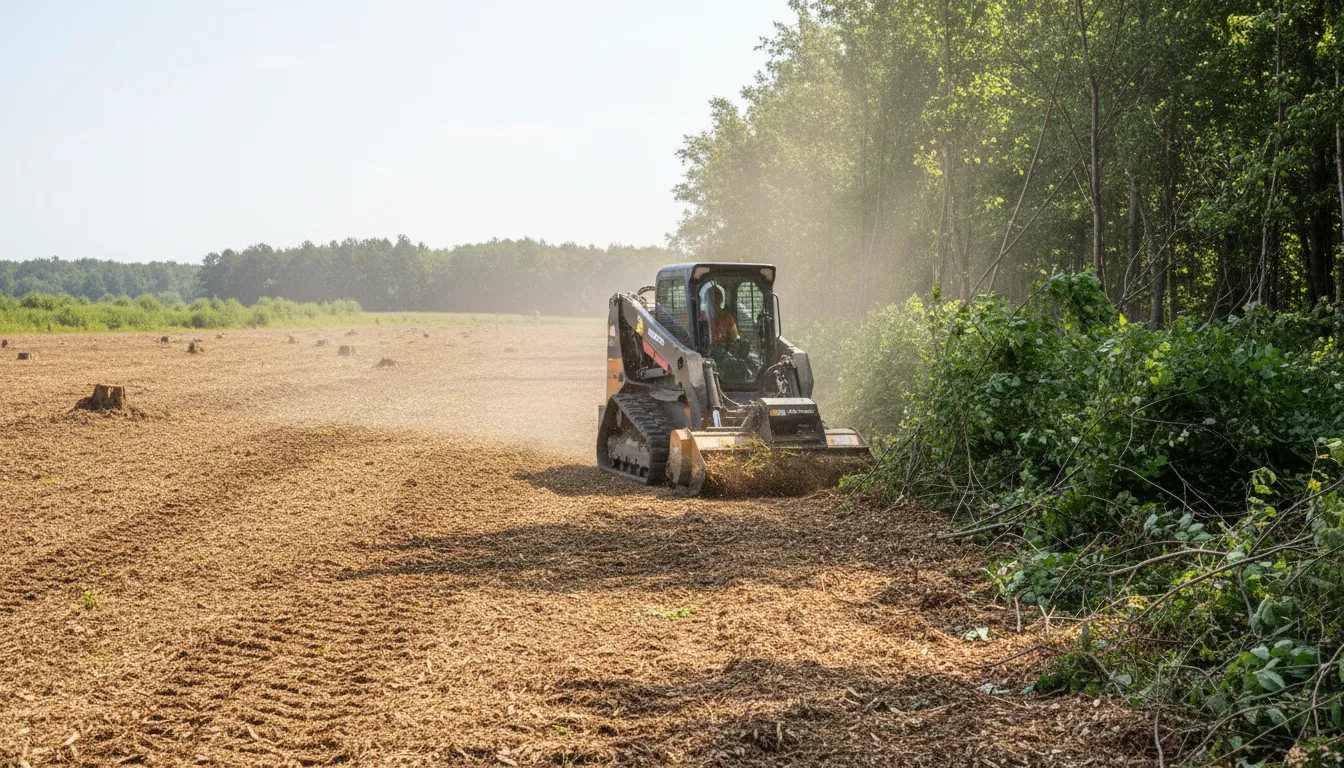
Land clearing is the process of removing trees, stumps, brush, and other obstacles from a property to prepare it for construction, agriculture, or landscaping. In Michigan, this work is more than just heavy machinery; it's a regulated activity that requires careful planning to protect the state's abundant water resources, sensitive soils, and wildlife habitats. Understanding the rules and best practices is essential for a successful project that avoids fines and environmental damage. This guide provides the key information you need to plan your site clearing, from permits and costs to finding qualified local professionals who can navigate Michigan's specific requirements.
Nate's Outdoor Services
27445 Grandon Ave, Livonia, MI 48150
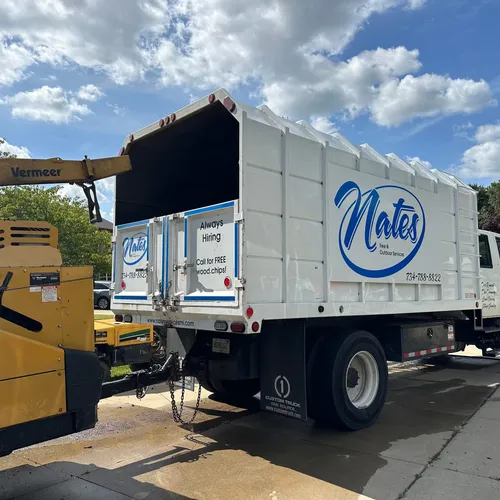
Nate's Outdoor Services is a family-owned and operated company based in Detroit, MI, offering comprehensive tree and landscaping solutions. With over 20 years of experience, they provide services including tree removal, tree trimming, stump grinding, land clearing, brush removal, and landscaping across the Detroit Metro area. The company is fully licensed and insured, and they also offer 24-hour emergency storm work to handle damaged trees promptly. Their expertise extends to landscape demolition and debris removal, supporting a wide range of outdoor projects.
ABK Tree Services
28648 Suburban Dr, Warren, MI 48088
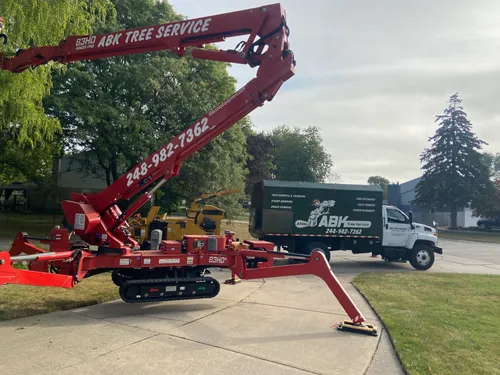
ABK Tree Services offers professional tree care and land clearing services in Detroit, MI. Their services include tree removal, stump grinding, brush removal, lot clearing, and storm damage cleanup. They specialize in grinding stumps six inches below ground to prepare yards for new planting. With 18 years of experience, owner Kai Cox personally oversees each project to ensure quality work. The company is fully insured for added protection.
Tree Service of Troy
755 W Big Beaver Rd Suite 2020-B, Troy, MI 48084
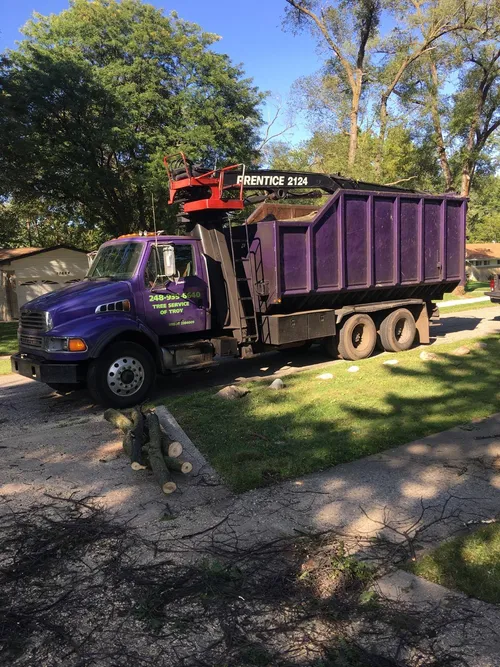
Tree Service of Troy provides a range of tree care and land clearing services in Detroit, MI. Their offerings include tree trimming and pruning, tree removal, stump grinding, lot and land clearing, brush and debris cleanup, storm damage restoration, and crane services for heavy material handling. With over 44 years of experience, they serve Oakland, Macomb, and Wayne Counties in Southeastern Michigan. The company is recognized for its professionalism and commitment to quality tree care.
Metro Detroit Tree & Firewood
22585 Ira Blvd, Warren, MI 48091
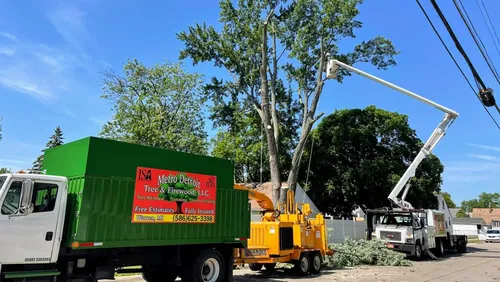
Metro Detroit Tree & Firewood provides comprehensive tree services in Detroit, MI, including tree removal, trimming, pruning, stump grinding, and land clearing. They serve residential, commercial, and municipal clients across multiple counties in the Metro Detroit area. The company is equipped with modern machinery such as bucket trucks, chippers, bulldozers, and cranes to handle complex jobs safely and efficiently. They offer 24-hour emergency tree services to address urgent needs. Metro Detroit Tree & Firewood has a strong reputation supported by numerous customer reviews highlighting their professionalism and thorough cleanup.
Dav’s tree service llc
Detroit, MI
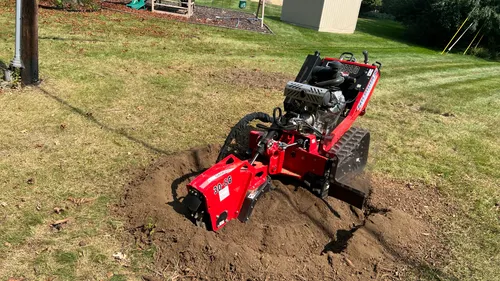
Dav's Tree Service LLC is a tree service and land clearing contractor based in Detroit, MI. They provide tree removal, stump grinding, brush removal, fence-line clearance, and lot clearing services. The company serves customers within 50 miles of Detroit's east side and offers 24-hour emergency service for urgent tree-related issues. With over 20 years of experience, Dav's Tree Service handles projects of all sizes and works year-round, including winter tree cutting.
Understanding Michigan's Land Clearing Regulations
Michigan's environmental regulations are designed to protect its vast network of lakes, streams, and wetlands. The primary framework governing land disturbance is the Soil Erosion and Sedimentation Control (SESC) program, administered by the Michigan Department of Environment, Great Lakes, and Energy (EGLE). The goal is to prevent soil from leaving a construction site and polluting waterways, which can harm aquatic life and water quality.
The most critical rule for property owners is the permit trigger. An SESC permit is required for any earth change (which includes clearing) that disturbs one or more acres of land, or is within 500 feet of a lake or stream. This means even a relatively small clearing project near the water's edge will likely need formal approval and a professionally prepared SESC plan.
Key Regulatory Bodies and Rules
- EGLE (State Level): Issues SESC permits for projects meeting the state criteria. They also regulate activities in wetlands and floodplains, which often require separate permits.
- Local Counties and Municipalities: Many local governments have their own, sometimes stricter, erosion control ordinances and zoning rules that must be followed. Always check with your local building or planning department.
- Protected Critical Areas: Regulations emphasize protecting "critical areas" from disturbance. These include steep slopes (especially those over 12%), areas with highly erodible soils, and the immediate zones adjacent to water bodies 1 2.
The Permit Process and SESC Plans
If your project triggers the need for a permit, you cannot begin clearing until it is approved. The cornerstone of the application is the Soil Erosion and Sedimentation Control Plan.
What is an SESC Plan?
This is a detailed document that maps your property, identifies sensitive areas, and outlines exactly how you will prevent erosion during and after clearing. A proper plan is not a simple sketch; it requires professional design to be accepted by regulators. Key components include:
- Site maps showing topography, water features, and limits of disturbance.
- A sequence of construction operations.
- Specifications for Best Management Practices (BMPs) like silt fences, sediment basins, and stabilized construction entrances.
- A plan for permanent stabilization (e.g., seeding, mulching) of all disturbed areas once work is complete.
Wetlands Considerations
Michigan's wetlands are protected by both state and federal law. Clearing vegetation in a wetland almost always requires a permit from EGLE. It is illegal to proceed without determining if wetlands are present on your site. A qualified professional can conduct a wetland delineation to identify regulated areas.
Best Practices for Sustainable Land Clearing
Following best practices isn't just about compliance; it's about responsible stewardship of your land and Michigan's environment.
1. Erosion and Sediment Control (ESC): The primary objective is to keep soil on site. Effective BMPs include:
- Phased Clearing: Clear only the areas you are immediately preparing to minimize the amount of exposed soil at any one time 3.
- Silt Fences and Filter Berms: Placed downhill and around the perimeter of the disturbance to trap sediment 4.
- Mulching and Seeding: Applying straw mulch or erosion control blankets, followed by quick-germinating grass seed, stabilizes soil rapidly.
- Avoiding Wet Periods: Schedule major clearing for drier seasons (late summer/early fall) to reduce runoff risk from spring snowmelt or heavy rains.
2. Wildlife and Habitat Management: Thoughtful clearing can balance development with ecology.
- Retain Buffer Strips: Leave vegetated buffers along streams, wetlands, and property lines to filter runoff and provide wildlife corridors.
- Manage Woody Debris: While stumps are typically ground or removed, consider leaving some large logs or "snags" in wooded portions of the property to provide habitat for birds, insects, and small mammals 5 6.
- Minimize Stump Height: If trees are cut, keep stumps low to reduce pest habitat and improve aesthetics for future use.
3. Vegetation Management and Disposal: Decide in advance what to do with cleared material.
- On-site Chipping: Brush and small trees can be chipped for use as mulch on the property.
- Burning: May require a permit from the local fire department and is subject to air quality rules.
- Hauling: The most common method for large volumes, requiring coordination with a disposal site or recycling center.
Find the perfect land clearing contractors for your needs
Get personalized recommendations and expert advice
Cost Factors for Land Clearing in Michigan
The cost to clear land in Michigan varies dramatically based on the project's scope and complexity. Statewide averages provide a starting point, but your final price will depend on local factors.
Average Cost Ranges (Per Acre):
Key Variables That Influence Price:
- Vegetation Density and Type: Dense hardwood forests with large trees cost far more to clear than an overgrown field of saplings and brush.
- Terrain and Accessibility: Steep slopes, rocky ground, or wet soils slow down equipment and increase labor costs. Easy access for large machinery keeps costs lower.
- Stump Removal vs. Grinding: Complete stump extraction is more expensive than grinding stumps down below grade.
- Erosion Control Requirements: Projects requiring extensive silt fencing, sediment basins, and detailed SESC plans will have higher upfront costs due to materials and professional design fees 9.
- Disposal Fees: Costs for hauling and dumping brush, logs, and stumps at a landfill or recycling center.
- Permit Fees: Local and state permit application fees add to the total project cost.
Professional Planning is an Investment: For any project near water or over an acre, hiring a professional to design the SESC plan is not an optional expense-it's a requirement for permit approval. This cost is justified, as a good plan prevents costly fines, project delays, and remediation work if sediment escapes your property.
Choosing a Land Clearing Professional in Michigan
Given the regulatory landscape, selecting the right contractor is crucial. Look for a provider with specific experience in Michigan's SESC rules.
Essential Qualifications:
- Licensing and Insurance: Verify they carry adequate liability and workers' compensation insurance.
- SESC Knowledge: Ask directly about their experience submitting and complying with SESC permits. Do they work with certified plan designers?
- Local Experience: A contractor familiar with your county's specific inspectors and ordinances can streamline the process.
- Equipment Suitability: Ensure they have the right machinery (e.g., excavators with mulching heads, bulldozers, stump grinders) for your specific job.
Questions to Ask During Estimates:
- Do you handle the permit application process, or is that the owner's responsibility?
- Can you provide references for similar projects in Michigan, particularly those near water?
- How do you plan to control erosion and sediment on my site?
- What is your plan for disposing of or recycling the cleared vegetation?
- Does your quote include all costs for stabilization (seeding, mulching) after clearing?
A reputable contractor will view regulations as a standard part of the job, not an obstacle, and will provide a clear, detailed proposal that accounts for all phases of work, from permitting to final site stabilization.
Frequently asked questions
Sources
Footnotes
-
Unit 3: Vegetative Stabilization - State of Michigan - https://www.michigan.gov/-/media/Project/Websites/egle/Documents/Programs/WRD/Storm-Water-SESC/training-manual-unit3.pdf?rev=ba17fe6379a4409182990fe3d345b5e2 ↩
-
Unit 8: SESC Plan Review/Document Exercises - State of Michigan - https://www.michigan.gov/-/media/Project/Websites/egle/Documents/Programs/WRD/Storm-Water-SESC/training-manual-unit8.pdf?rev=a3c7f9b4dbd7498eb45909c695a97b92 ↩
-
Land Clearing Management - State of Michigan - https://www.michigan.gov/-/media/Project/Websites/egle/Documents/Programs/WRD/NPS/Tech/BMP/bmp-land-clearing.pdf?rev=867a932407de4417802d85c4850fe285 ↩
-
Erosion is the process by which the land surface is worked away ... - https://milivcounty.gov/wp-content/uploads/SESC-Administrative-Rules.pdf ↩
-
Michigan Forestry Best Management Practices for Soil and - https://www.michigan.gov/-/media/Project/Websites/dnr/Documents/FRD/Mgt/IC4011_SustainablePracticesForestLand.pdf?rev=4be8786b254d4d5ebcb0233de6f99833 ↩
-
Generally Accepted Forest Management Practices - State of Michigan - https://www.michigan.gov/dnr/-/media/Project/Websites/dnr/Documents/FRD/General-FRD/Final-GAFMPs.pdf?rev=fc22f1287d604013957b4cce1afc607b ↩
-
Pricing Guide: How Much Does It Cost to Clear Land in 2026? - LawnStarter - https://www.lawnstarter.com/blog/cost/clear-land-price/ ↩
-
How Much Does It Cost to Clear Land? [2026 Data] | Angi - https://www.angi.com/articles/how-much-does-it-cost-clear-land.htm ↩
-
Do You Need a Permit to Clear Land in Michigan? - https://stumpdemolition.com/do-you-need-a-permit-to-clear-land-in-michigan/ ↩