Find the Best Land Clearing Contractors for Your Business
No obligation • Fast responses • Nationwide coverage

Why you can trust Landscape Atlas
Landscape Atlas is a leading United States resource for evaluating landscaping, lawn care, and outdoor service providers. Our team researches each category in depth, focusing on service quality, safety, and customer experience. Listings and rankings are based on independent criteria and user feedback, and companies cannot pay to influence our assessments or recommendations.
Search providers near you
Best Land Clearing Contractors in New Jersey Ranked
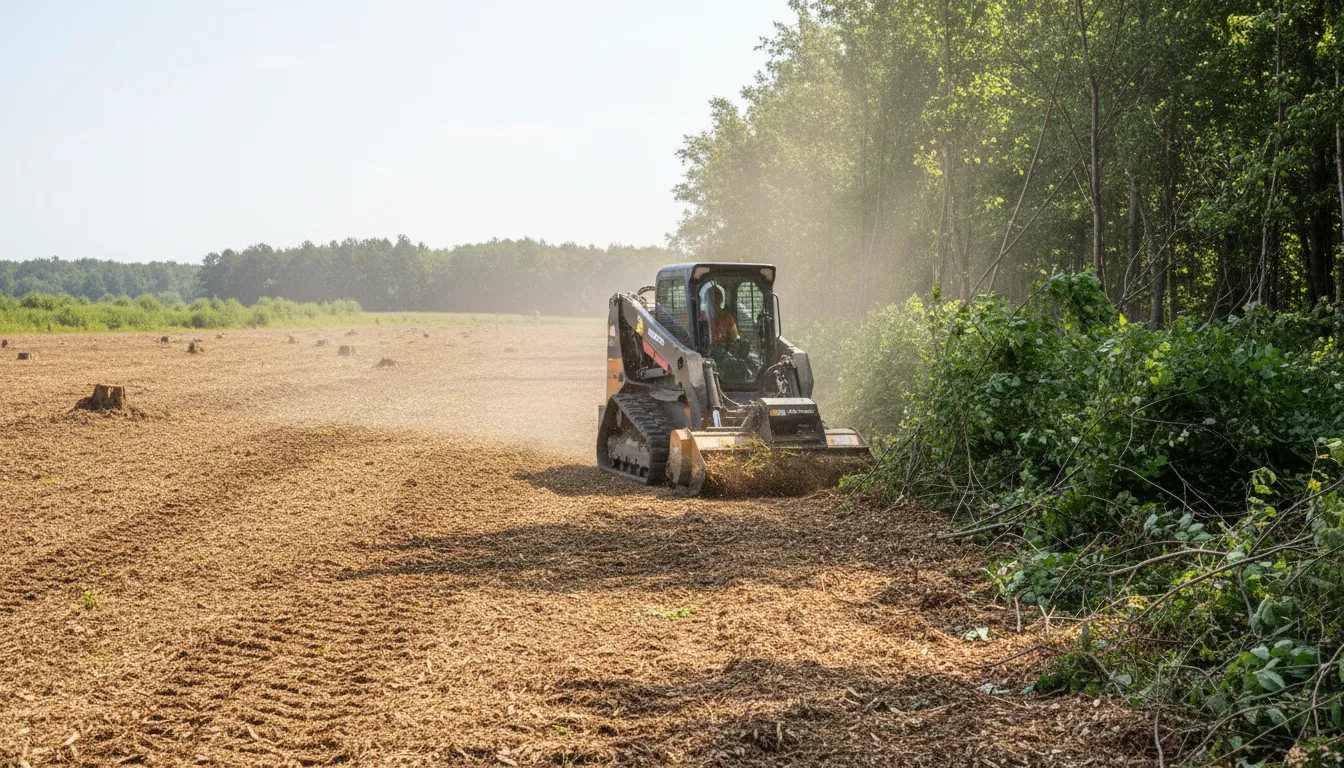
Land clearing is the process of removing trees, stumps, brush, and other obstacles from a property to prepare it for construction, agriculture, or landscaping. In New Jersey, this work is more than just cutting and hauling; it's a regulated activity focused on protecting the state's soil and water resources. Proper site clearing is crucial for preventing erosion, preserving valuable trees, and ensuring your project complies with state and local laws. This guide will help you understand the regulations, costs, and best practices for land clearing in NJ, empowering you to plan your project effectively and connect with qualified local professionals.
Royal Tree Service
Newark, NJ
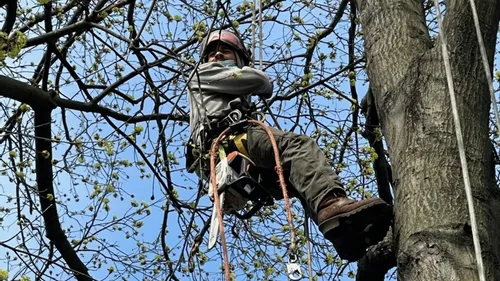
Royal Tree Service provides tree removal, stump grinding, and land clearing services in Newark, NJ. They assist both residential and business clients with projects ranging from simple tree and shrub removal to large-scale brush clearing. The company offers consultations to inform clients about necessary work and expected costs before starting any project, helping customers make informed decisions about their landscape needs.
Atlas Tree Service
Newark, NJ
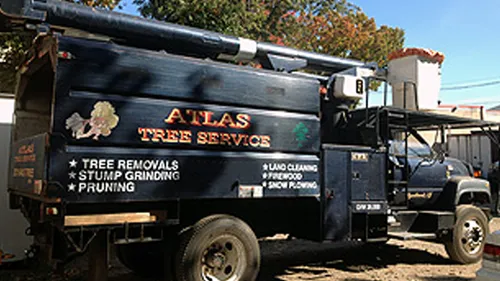
Atlas Tree Service is a locally owned tree care company serving Newark, NJ, and nearby areas. Since 2006, they have provided a wide range of services including tree pruning, removal, stump grinding, land clearing, and snow removal. The company is fully licensed and insured, offering 24/7 emergency tree services to handle storm damage and hazardous situations promptly. Their team uses advanced equipment and industry best practices to maintain tree health and safety while minimizing environmental impact.
Landscape Renovations - Backyard Landscaping Queens
60-53 Woodhaven Blvd, Elmhurst, NY 11373
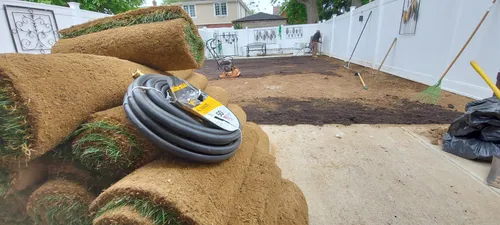
Landscape Renovations - Backyard Landscaping Queens is a landscaping company based in Newark, NJ, offering custom landscape design and comprehensive yard makeover services. They specialize in land clearing, brush removal, and total yard renovations, including tilling, root and debris removal, and concrete and fence removal. With over 25 years of experience and more than 300 completed projects, the company provides tailored solutions for homes and small businesses. They are open to discussing new projects and creative ideas to help clients achieve their landscaping goals.
Newstar Landscaping Contracting
Newark, NJ
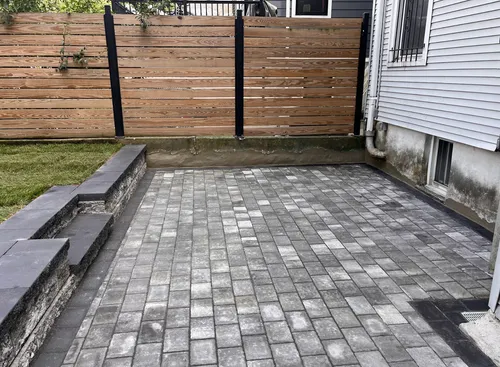
Newstar Landscaping Contracting in Newark, NJ offers a wide range of landscaping and home improvement services. Their expertise includes lawn mowing, lawn care with fertilization and weed control, fence installation, landscape lighting, tree services including removal and stump grinding, land clearing, and hardscaping such as retaining walls and pavers. They also provide handyman services and seasonal property cleanups. One notable capability is their comprehensive approach to both landscaping and construction projects, covering everything from outdoor lighting to home remodeling tasks.
Royal Tree Service
Newark, NJ
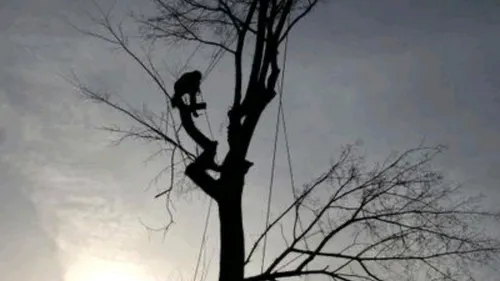
Royal Tree Service provides tree removal, stump grinding, land clearing, and brush removal services in Newark, NJ. They offer consultations for both residential and commercial clients to help plan projects ranging from simple tree or shrub removal to large-scale land clearing. The company aims to inform customers about necessary work and expected costs before starting any job.
Understanding New Jersey's Land Clearing Regulations
Before any machinery arrives, understanding New Jersey's regulatory framework is essential. The primary law governing land clearing is the Soil Erosion and Sediment Control Act1. This act is designed to minimize the environmental impact of disturbing the land.
The key trigger for regulation is the project size. If your project will disturb 5,000 square feet or more of soil, you are required to have a certified Soil Erosion and Sediment Control Plan. This plan must be developed and approved before any work begins. It's not just for large-scale developers; this threshold applies to residential projects as well, meaning many homeowners looking to clear land for a new home, pool, or large garden may need to comply.
The plan must be certified by your local Soil Conservation District. These districts, found in each county, review plans to ensure they meet the state's technical standards for preventing soil loss and protecting waterways from sediment pollution. Failure to obtain the necessary approvals can result in stop-work orders and significant fines.
The Importance of Tree Protection and Preservation
New Jersey's standards place a strong emphasis on preserving existing healthy vegetation, particularly mature trees. Trees are not just aesthetic; they play a vital role in stabilizing soil, managing stormwater, and providing habitat. A well-planned clearing project identifies which trees to save early in the process.
Protected vegetation must be identified and physically safeguarded. This involves:
- Installing protective fencing around the Critical Root Zone (CRZ) of trees to be preserved before any work starts.
- Avoiding soil compaction and grade changes within the CRZ.
- Using proper pruning techniques (no flush cuts) if roots or branches must be trimmed.
- Applying a protective layer of woodchip mulch over root zones in work areas to prevent damage from equipment2.
Investing in thoughtful site planning to preserve trees and minimize unnecessary earth movement doesn't just benefit the environment; it can also reduce your overall project costs for subsequent landscaping and help you avoid potential regulatory penalties3.
Erosion and Sediment Control Measures
Controlling runoff is the cornerstone of any approved land clearing plan in NJ. The goal is to prevent exposed soil from being washed away during rain, which can clog storm drains, silt up streams, and degrade water quality. Controls are categorized as temporary and permanent.
Temporary Controls are installed during active construction and include:
- Silt Fences: Fabric barriers placed downhill of disturbed areas to filter sediment from runoff.
- Straw Mulch or Filter Fabric: Applied to exposed soil to shield it from raindrop impact.
- Sediment Basins: Small ponds that allow sediment to settle out of water before it leaves the site.
Permanent Controls are established as the final step. The state standard requires that 80% vegetative cover be established within 10 days of final grading. This is typically achieved through:
- Seeding: Applying a suitable grass seed mix, along with lime and fertilizer, tailored to the site conditions.
- Sodding: For immediate erosion protection, especially on slopes.
- Topsoil: Adding a layer of quality topsoil to promote healthy grass growth.
Cost Factors for Land Clearing in New Jersey
The cost to clear land in New Jersey is highly variable and depends on much more than just the acreage. While per-acre estimates provide a starting point, the final price is dictated by your specific site conditions and regulatory requirements.
Primary Cost Drivers:
- Vegetation Density: A heavily wooded lot with large trees and thick underbrush costs significantly more to clear than a lightly treed meadow.
- Terrain and Slope: Hilly or rocky terrain requires more specialized equipment and labor, increasing costs.
- Site Access: Easy access for large equipment keeps costs down. Tight, restricted access can complicate and lengthen the project.
- Disposal/Processing: Costs for hauling away debris, chipping brush, or grinding stumps add up.
- Erosion Control Compliance: The materials and labor to install silt fences, mulch, and establish seeding as per your certified plan are a direct project cost.
General Price Ranges: For a small property (e.g., 1 acre), basic clearing can range from $800 to over $6,000, with complex sites (rocks, hills, dense trees) pushing costs higher4 5. For larger multi-acre properties, costs can scale from $2,000 to $10,000 or more, depending on the factors above6 7. It's critical to view a simple "per acre" quote with caution, as it often doesn't tell the whole story7.
Find the perfect land clearing contractors for your needs
Get personalized recommendations and expert advice
The Land Clearing Process: Step-by-Step
A successful, compliant land clearing project follows a logical sequence.
- Site Assessment & Planning: A professional will walk the property with you to understand your goals, identify trees to preserve, and assess challenges like wetlands, slopes, or utilities.
- Permitting & Plan Certification: For projects over 5,000 sq ft, a Soil Erosion and Sediment Control Plan is developed and submitted to the local Soil Conservation District for approval 8. This step is non-negotiable.
- Utility Location: Always call 811 (New Jersey One Call) to have underground utilities marked before any digging or clearing begins.
- Tree Protection: Install fencing around all trees designated for preservation9.
- Clearing Operations: This involves felling trees, removing brush, and extracting stumps (via grinding or excavation).
- Erosion Control Installation: Temporary measures like silt fences are installed as clearing progresses.
- Grading & Final Preparation: The land is graded to the desired contour.
- Establishing Permanent Cover: The area is seeded or sodded to meet the 80% cover requirement within 10 days of grading10.
Special Considerations: Land Clearing by Burning
New Jersey has specific regulations if you intend to clear land by burning vegetation. According to N.J. Admin. Code § 7:27-2.11, land that has been cleared by burning cannot be used for any purpose other than agricultural or horticultural use for a period of five years following the burn11. This is a crucial long-term land-use restriction to consider before choosing burning as a clearing method.
Choosing a Qualified Land Clearing Professional
Given the regulatory complexity, choosing the right contractor is critical. Look for professionals with:
- Proven Experience in New Jersey: They should be familiar with the Soil Conservation District process and the state's technical standards.
- Proper Licensing and Insurance: Verify they carry adequate liability and workers' compensation insurance.
- References: Ask for and contact references for similar projects.
- Detailed, Written Estimates: A good estimate will break down costs for clearing, grunting, hauling, erosion control, and seeding-not just provide a single lump sum.
- Commitment to Compliance: They should proactively discuss permits and erosion control plans, not minimize their importance.
Frequently asked questions
Sources
Footnotes
-
The Soil Erosion and Sediment Control Act N.J.S.A. 4:24-39 et seq. - https://www.bscd.org/uploads/7/9/0/8/79080652/2021_municipal_officials_course.pdf ↩
-
Standards for Soil Erosion and Sediment Control in New Jersey May ... - https://www.nj.gov/agriculture/divisions/anr/pdf/9_Tree%20Protection%202011.pdf ↩
-
NR Erosion Control | NJ Green Building Manual - https://greenmanual.rutgers.edu/nr-erosion-control/ ↩
-
How Much Does it Cost to Clear Land in 2026? - Lawn Love - https://lawnlove.com/blog/land-clearing-cost/ ↩
-
Cost To Clear Land in South Jersey - Earthmovers NJ - https://earthmoversnj.com/cost-to-clear-land-in-nj/ ↩
-
Land Clearing Cost Per Acre: A Complete Guide - Jack Cooper - https://www.jackcooper.com/land-clearing-cost-per-acre-a-complete-guide/ ↩
-
Land Clearing Cost Per Square Foot: Why $1-$8 Only Tells Half the ... - https://www.bucktowngradingandconstruction.com/land-clearing-cost-per-square-foot-why-1-8-only-tells-half-the-story/ ↩ ↩2
-
NJ Soil Erosion and Sediment Control Program - https://www.nj.gov/agriculture/divisions/anr/nrc/njerosion.shtml ↩
-
Protect Mature Trees on Project Sites - https://soildistrict.org/protect-mature-trees-on-project-sites/ ↩
-
Current Soil Erosion and Sediment Control Standards for New ... - https://soildistrict.org/new-soil-erosion-and-sediment-control-standards-for-new-jersey/ ↩
-
N.J. Admin. Code § 7:27-2.11 - Land clearing | State Regulations - https://www.law.cornell.edu/regulations/new-jersey/N-J-A-C-7-27-2-11 ↩