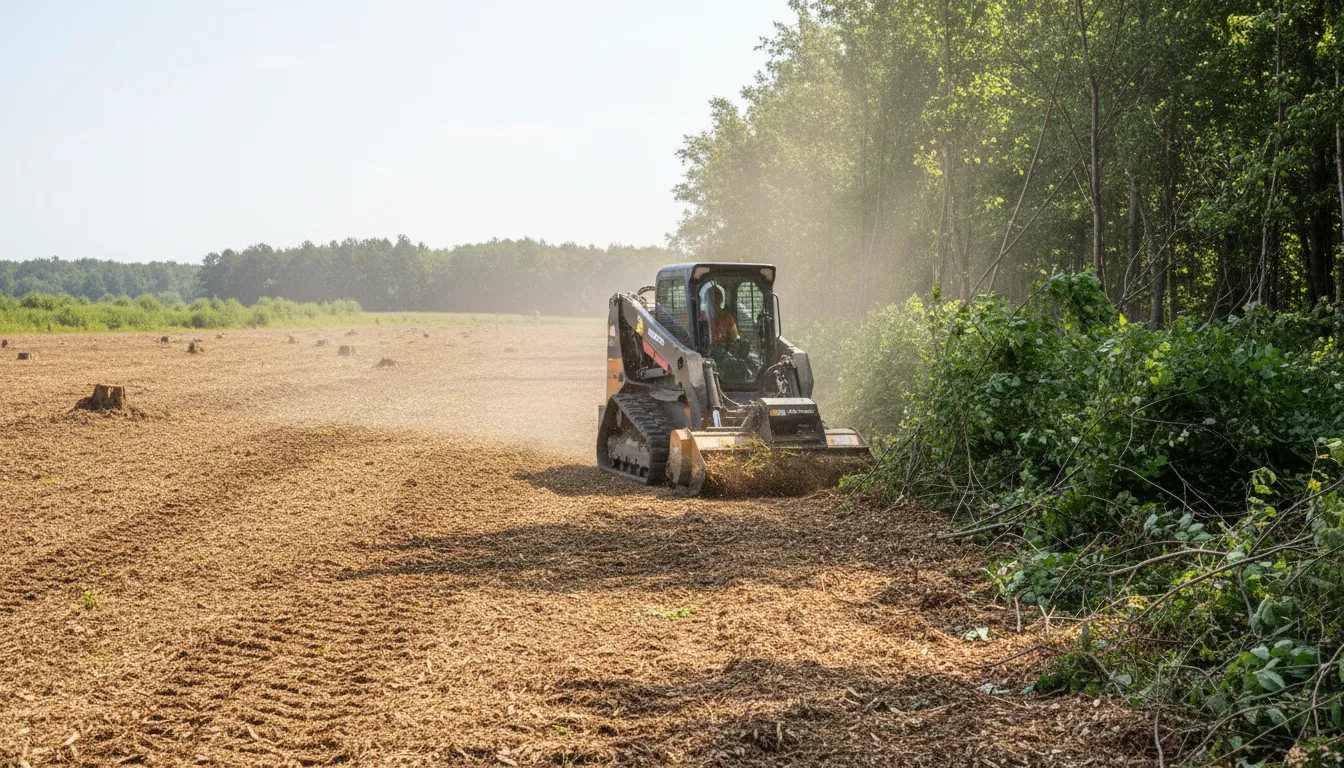
Find the Best Land Clearing Contractors for Your Business
No obligation • Fast responses • Nationwide coverage

Why you can trust Landscape Atlas
Landscape Atlas is a leading United States resource for evaluating landscaping, lawn care, and outdoor service providers. Our team researches each category in depth, focusing on service quality, safety, and customer experience. Listings and rankings are based on independent criteria and user feedback, and companies cannot pay to influence our assessments or recommendations.
Search providers near you
Best Land Clearing Contractors in New Mexico Ranked
Land clearing is a critical first step for many property development, agricultural, and wildfire mitigation projects in New Mexico. It involves the removal of trees, brush, rocks, and other obstacles to prepare a site for construction, farming, or ecological restoration. Given the state's diverse terrain, sensitive ecosystems, and strict environmental regulations, proper planning and execution are essential. This resource provides a detailed overview of the process, regulations, and costs to help you understand what's involved and connect with qualified local professionals who can navigate New Mexico's specific requirements.
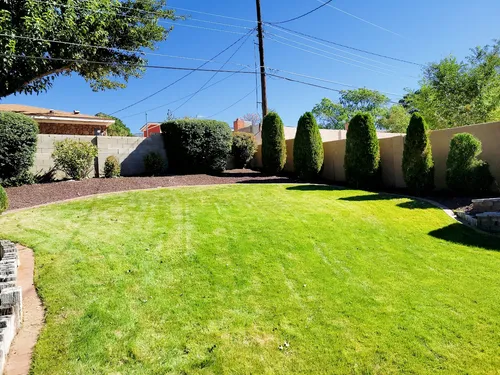
Arborscapes Ground Maintenance and Landscaping, LLC
2420 Comanche Rd NE, Albuquerque, NM 87107
Arborscapes Ground Maintenance and Landscaping, LLC is a family-owned landscaping company based in Albuquerque, NM. They provide a wide range of services including lawn mowing, lawn fertilization, weed control, landscape design, tree removal, stump grinding, sprinkler installation and repair, land clearing, hardscaping, and grounds maintenance for both residential and commercial properties. The company emphasizes custom solutions tailored to clients' lifestyles and priorities, with a focus on desert landscaping suited to the Albuquerque area. Arborscapes has grown through word of mouth and values quality, precision, creativity, and integrity in their work.
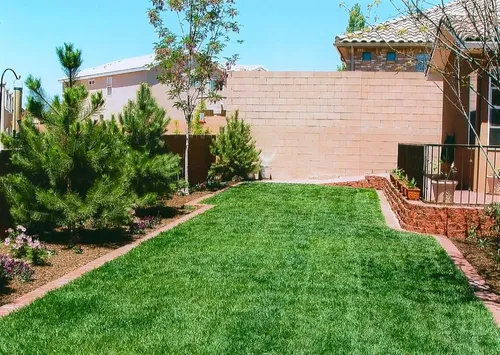
ASAP Sands Outdoor Services
310a Ranchitos Rd NE, Albuquerque, NM 87113
ASAP Sands Outdoor Services is a full-service landscaping company based in Albuquerque, NM. Serving both residential and commercial clients, they offer a wide range of services including lawn fertilization, weed control, landscape lighting installation, tree removal, yard drainage, sprinkler installation and repair, land clearing, and hardscaping such as patios and retaining walls. With over 40 years of experience since 1984, ASAP Sands Outdoor Services has established a strong presence in the local landscaping industry.
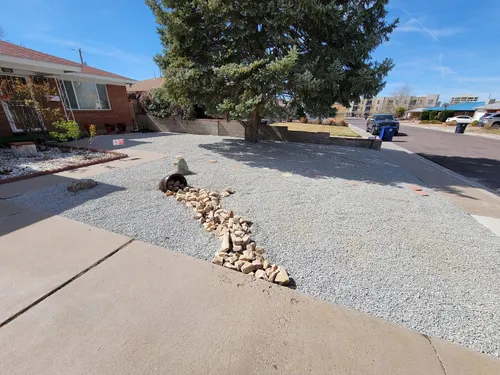
2 Brothers Landscaping
Albuquerque, NM
2 Brothers Landscaping is a family-owned landscaping and hardscaping company based in Albuquerque, NM. They offer a wide range of services including lawn mowing, fertilization, weed control, sod installation, artificial turf, landscape design, tree care, yard drainage, sprinkler installation and repair, land clearing, and hardscaping such as patios and retaining walls. Their team is experienced in transforming outdoor spaces with attention to detail and personalized service. They serve Albuquerque and surrounding areas including Rio Rancho and South Valley. 2 Brothers Landscaping is known for their expertise in sod installation and irrigation system repairs, ensuring healthy and well-maintained lawns.
Brothers & Sons Trees
Albuquerque, NM
Brothers & Sons Trees is a family-owned and operated tree and lawn care company based in Albuquerque, NM. They provide a range of services including tree trimming and pruning, tree and shrub removal, stump grinding and removal, landscaping, lawn mowing, brush removal, and power washing. The company emphasizes environmentally friendly practices and offers services for both residential and commercial properties in the Albuquerque area. With over 20 years of experience, Brothers & Sons Trees is known for careful work such as protecting wildlife during tree removal and thorough cleanup after projects.

United Tree Service and Landscape
Albuquerque, NM
United Tree Service and Landscape is a locally owned company based in Albuquerque, NM, offering a range of tree care and landscaping services for residential and commercial properties. Their services include tree pruning, stump removal, stump grinding, and landscaping maintenance, tailored to meet various project sizes and customer needs. They emphasize safe and efficient work using professional-grade equipment and provide 24/7 availability for emergency tree services. The company is committed to transparent pricing and thorough project planning to ensure quality results and customer satisfaction.
Understanding Land Clearing and Site Preparation
Land clearing, often referred to as site preparation or grubbing, is more than just removing vegetation. It's a systematic process to create a safe, stable, and usable parcel of land. In New Mexico, this work is governed by a combination of local ordinances and state environmental rules designed to protect soil, water, and native habitats. The process typically includes assessing the site, obtaining necessary permits, implementing erosion controls, physically removing obstructions, and properly disposing of or managing the resulting debris. Whether you're preparing a residential lot for a new home, creating defensible space for fire protection, or developing a commercial site, understanding these steps is crucial for a successful and compliant project.
Key Regulations and Permit Requirements
Navigating the regulatory landscape is one of the most important aspects of land clearing in New Mexico. Failure to comply can result in significant fines and project delays.
Local City and County Permits
Most land clearing projects, regardless of size, will require a permit from your local city or county building or planning department. For example, municipalities like Elephant Butte and Deming have specific codes outlining requirements for clearing, grading, and dust control. These local permits ensure the work aligns with community standards for erosion control, drainage, and public safety. Always check with your local authority as the first step in your planning process.
State and Federal Environmental Permits
For larger projects, state and federal regulations come into play. A critical rule is the Environmental Protection Agency's (EPA) Construction General Permit (CGP), which is required for land-disturbing activities that impact one or more acre of land 1. This permit focuses on preventing stormwater pollution and mandates the creation and implementation of a Stormwater Pollution Prevention Plan (SWPPP). In New Mexico, the New Mexico Environment Department (NMED) and the Energy, Minerals and Natural Resources Department (EMNRD) Forestry Division enforce Best Management Practices (BMPs) to protect water quality during forestry and related operations 2.
Protected Vegetation and Sensitive Areas
New Mexico places a strong emphasis on protecting its native flora and sensitive ecosystems. Regulations often require the identification and preservation of specific native trees and plants. Special attention must be paid to riparian areas-the zones adjacent to rivers and streams. These areas are vital for water quality and wildlife habitat, and clearing within them is heavily restricted or may require additional permits and mitigation plans. Before any work begins, a site survey should identify which vegetation can be removed and what must be protected.
Best Management Practices (BMPs) for Erosion and Sediment Control
Controlling erosion and sediment runoff is not just a good practice-it's often a legal requirement. New Mexico's arid climate can lead to sudden, intense rainstorms that quickly wash unprotected soil into waterways.
Pre-Work Planning and Installation
A fundamental rule is that erosion controls must be installed before clearing begins, not after. This proactive approach is mandated to prevent any soil disturbance from causing off-site pollution. Common temporary controls include:
- Silt Fences: Placed downhill from the work area to filter sediment from runoff.
- Fiber Rolls (Straw Wattles): Used to slow water flow and trap sediment on slopes.
- Sediment Basins or Traps: Small ponds that allow sediment to settle out of water before it leaves the site.
During and After Clearing
During the clearing process, maintaining these controls is essential. For sloped areas, techniques like water bars-shallow channels cut across a slope-are used to divert water and reduce erosion 3. After grading is complete, exposed soil must be stabilized promptly. This usually involves covering the land with mulch, hydroseeding, or applying a base coarse material (often 3-4 inches thick) within a specified timeframe, such as 30 days, to prevent dust and erosion.
Forest Management and Wildfire Fuel Reduction
In New Mexico's forested regions, land clearing is often undertaken for wildfire risk reduction. This type of work, sometimes called forest thinning or fuel management, follows specific ecological principles aimed at restoring forest health and creating defensible space.
Slash Management and Debris Disposal
After clearing trees and brush, the leftover debris, known as "slash," must be managed to reduce fire hazard. Best practices dictate treating slash so that piles are less than 3 feet high and dense to facilitate decomposition or controlled burning. Proper slash management is a critical component of a responsible clearing plan, turning a potential fire risk into a treated landscape.
Landscape-Scale Considerations
For larger properties, especially in wildland-urban interface zones, effective fuel reduction may involve coordinated, landscape-scale treatments. This approach looks beyond individual property lines to create a broader buffer against catastrophic wildfire, aligning with the New Mexico Forest Restoration Principles 4 5.
Find the perfect land clearing contractors for your needs
Get personalized recommendations and expert advice
Navigating Site-Specific Challenges
Every parcel of land in New Mexico presents unique challenges that must be addressed during the clearing process.
Hidden Hazards and Utilities
Before any equipment touches the ground, it is imperative to have all underground utilities located and marked. This includes power lines, gas lines, oil pipelines, and communication cables. In many rural and agricultural areas, also be aware of acequias-traditional irrigation ditches that are vital to local communities. Disturbing an acequia without permission can lead to serious legal and community issues 6. A thorough site investigation helps avoid costly and dangerous surprises.
Terrain and Access
The cost and complexity of a project are heavily influenced by the terrain. Rocky slopes, dense stands of piñon or juniper, and poor soil conditions can increase the time and equipment needed. Furthermore, limited equipment access to the site may require specialized machinery or manual labor, impacting the overall project budget and timeline.
Cost Factors for Land Clearing in New Mexico
Land clearing costs in New Mexico are highly variable and depend on a multitude of site-specific factors. Understanding these can help you budget more effectively.
For small residential lots, you can expect costs to range from $1.18 to over $2.00 per square foot, with total project costs often falling between $1,200 and $4,000 or more 7. This typically includes clearing brush, small trees, and rocks from a defined area.
For larger properties, pricing is often estimated per acre. Costs can range widely from $700 to $5,900 or more per acre 8. This broad range accounts for the major variables:
- Vegetation Density: Clearing a lightly brushed meadow costs far less than clearing a densely wooded area with large trees.
- Tree Removal: The size, number, and species of trees significantly impact cost, especially if stumps need to be ground or extracted.
- Terrain and Rocks: Steep, rocky slopes require more labor and specialized equipment than flat, clear land.
- Permits and BMPs: The direct costs of permits, plus the labor and materials for required erosion control measures, add to the project total.
- Debris Disposal: Hauling away or legally burning debris is a separate cost factor.
Always obtain detailed, written estimates from providers that break down these costs and specify what is included, such as permit assistance, erosion control installation, and final site grading.
The Professional Land Clearing Process
Working with a knowledgeable professional ensures your project meets all legal and environmental standards. A typical process includes:
- Site Consultation and Plan: A professional will assess your goals, survey the land, identify protected features, and develop a site plan showing clearing limits and preservation areas 9.
- Permit Procurement: They will handle applications for local, state, and federal permits as required.
- Erosion Control Installation: As mandated, silt fences, wattles, or other controls are installed around the project perimeter before any ground is broken 10.
- Phased Clearing: The land is cleared using appropriate equipment, often in phases to manage debris and minimize disturbance.
- Stabilization and Final Grading: Once clearing is complete, the site is graded to plan, and exposed soil is immediately covered with mulch, seed, or base material to achieve stabilization 11.
- Final Inspection: The contractor will ensure all permit conditions are met and may coordinate a final inspection with local authorities.
Frequently asked questions
Sources
Footnotes
-
Commercial Land Clearing Guide - https://strongholdtexas.com/a-complete-guide-to-commercial-land-clearing/ ↩
-
Forest Regulations and Best Management Practices (BMP) - Forestry - https://www.emnrd.nm.gov/sfd/forest-regulations-and-best-management-practices-bmp/ ↩
-
NMDOT Erosion and Sediment Control Field Guide - https://www.dot.nm.gov/wp-content/uploads/2024/07/2024-05-23-Erosion-and-Sediment-Control-Field-Guide_FINAL-FOR-WEB.pdf ↩
-
New Mexico Forest Restoration Principles - https://www.fs.usda.gov/media/244582 ↩
-
New Mexico Forest Restoration Principles - https://nmfwri.org/wp-content/uploads/2019/12/New-Mexico-Forest-Restoration-Principles.pdf ↩
-
A Guide for Planning Riparian Treatments in New Mexico - https://www.nrcs.usda.gov/plantmaterials/nmpmcpg7685.pdf ↩
-
Pricing Guide: How Much Does It Cost to Clear Land? - LawnStarter - https://www.lawnstarter.com/blog/cost/clear-land-price/ ↩
-
Land Clearing Cost Per Acre: A Complete Guide - Jack Cooper - https://www.jackcooper.com/land-clearing-cost-per-acre-a-complete-guide/ ↩
-
§ 155.056 REQUIREMENTS FOR CLEARING AND GRADING ... - https://codelibrary.amlegal.com/codes/elephantbutte/latest/elephant_nm/0-0-0-4076 ↩
-
Section 201: Clearing and Grubbing | RRNM.gov - https://rrnm.gov/DocumentCenter/View/76306/Section-201-Clearing-and-Grubbing ↩
-
11-5-4: DUST CONTROL AND SOIL EROSION PLAN: - https://codelibrary.amlegal.com/codes/demingnm/latest/deming_nm/0-0-0-4856 ↩