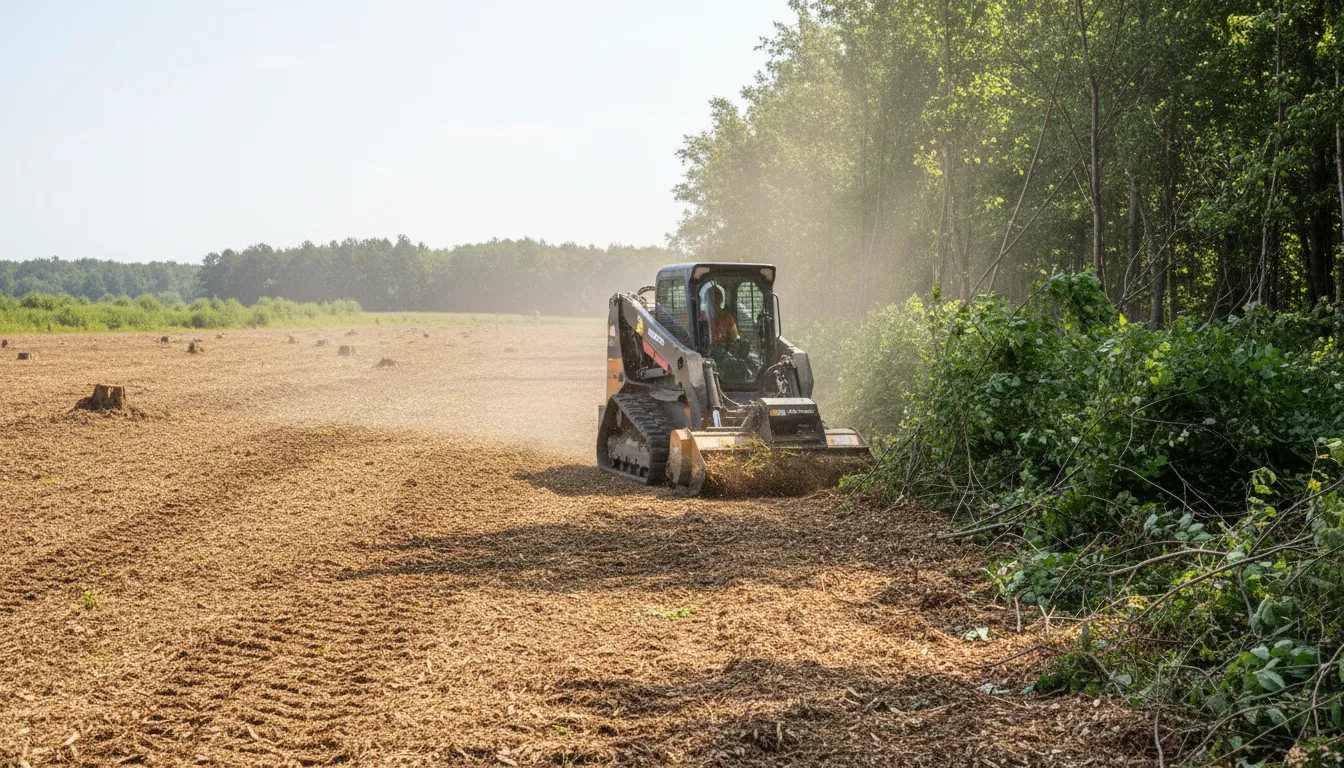
Find the Best Land Clearing Contractors for Your Business
No obligation • Fast responses • Nationwide coverage

Why you can trust Landscape Atlas
Landscape Atlas is a leading United States resource for evaluating landscaping, lawn care, and outdoor service providers. Our team researches each category in depth, focusing on service quality, safety, and customer experience. Listings and rankings are based on independent criteria and user feedback, and companies cannot pay to influence our assessments or recommendations.
Search providers near you
Best Land Clearing Contractors in Nevada Ranked
Land clearing is the process of removing trees, shrubs, stumps, rocks, and other obstacles from a piece of land to prepare it for construction, agriculture, or other uses. In Nevada, this work is more than just heavy machinery; it's a regulated activity that requires careful planning to protect the state's sensitive desert environment and comply with strict local and state rules. This guide provides essential information on regulations, costs, and best practices to help you plan a successful land clearing project in Nevada, whether for a new home site, commercial development, or agricultural expansion.
Alpen Tree Experts
10221 Schaffer Dr, Truckee, CA 96161
Alpen Tree Experts provides tree services including tree removal, stump grinding, land clearing, and brush removal in Reno, NV. They serve residential and commercial clients, focusing on tree care, defensible space creation, and lot clearing. With over 20 years of experience and an ISA certified arborist leading the team, they use state-of-the-art equipment and safety gear to handle complex projects. Alpen Tree Experts is committed to sustainable results and offers expert consultation to meet unique client needs.
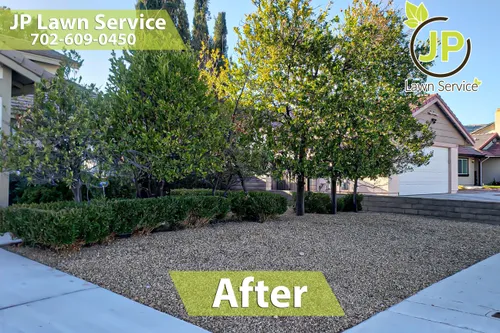
Juan Perez Lawn Service
Henderson, NV
Juan Perez Lawn Service is a family-owned lawn care company serving Henderson, NV, and the Las Vegas area. With over 12 years of experience, they provide a range of services including lawn mowing, fertilization, weed control, tree trimming, stump removal, irrigation repair, and general yard cleanups. Their team offers customized lawn care solutions tailored to the specific needs of each property, focusing on maintaining healthy and attractive outdoor spaces. The company emphasizes honesty and professionalism in their work and aims to build lasting relationships through quality results and open communication.
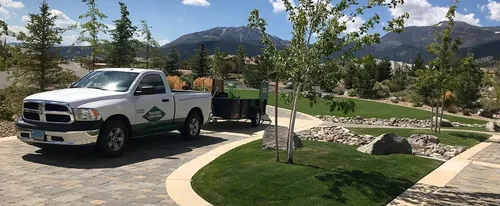
Tailored Lawn Care, LLC
230 Coney Island Dr, Sparks, NV 89431
Tailored Lawn Care, LLC is a lawn and landscaping company based in Reno, NV, offering a wide range of services including lawn mowing, fertilization, weed control, sod installation, artificial turf, landscape design, tree removal, stump grinding, sprinkler installation and repair, and land clearing. They specialize in eco-friendly xeriscaping and provide customized lawn care solutions to enhance residential outdoor spaces. With over 10 years of experience, Tailored Lawn Care is known for its comprehensive services and customer-focused approach, serving clients throughout the Reno area.
Pure Turf USA
5974 S Edmond St Building #4, Las Vegas, NV 89118
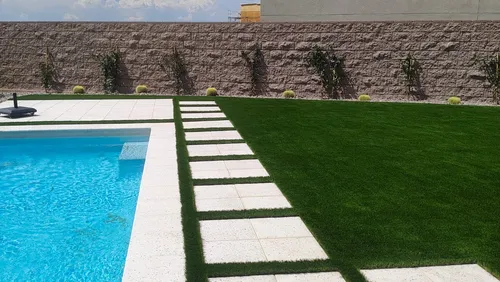
Pure Turf USA is a landscaping and turf installation company based in Las Vegas, NV. They specialize in artificial turf installation, landscape design, tree services including removal and stump grinding, yard drainage and grading, sprinkler installation and repair, land clearing, and hardscaping such as pavers and retaining walls. The company is known for delivering comprehensive yard transformations using high-quality synthetic turf and custom hardscape features. Their team handles projects efficiently, often completing installations within a few days while maintaining clean and precise work. Pure Turf USA also offers expert design consultations to tailor outdoor spaces to client needs, ensuring functional and aesthetic results.

LandTeck Inc. Landscape & Irrigation Contractor
4049 E Lake Mead Blvd, Las Vegas, NV 89115
LandTeck Inc. Landscape & Irrigation Contractor is based in Las Vegas, NV, providing a wide range of outdoor services including landscape lighting installation, tree removal, yard drainage solutions, sprinkler system installation and repair, land clearing, landscaping, and lawn care. They serve multiple communities in and around Las Vegas, including Henderson, Summerlin, and North Las Vegas. Their expertise includes drainage systems such as French drains and grading, as well as irrigation leak detection and repairs. LandTeck specializes in maintaining and renovating existing landscapes and offers services like yard cleanups, rock and dirt removal, and outdoor lighting installation.
Understanding Nevada's Land Clearing Regulations
Before any equipment arrives on site, understanding the regulatory landscape is crucial. Nevada's arid climate and fragile ecosystems mean land clearing is closely monitored to prevent long-term environmental damage.
Key Regulatory Bodies:
- Nevada Division of Environmental Protection (NDEP): Mandates erosion and sediment control plans for any project that disturbs soil.
- Nevada Division of Forestry: Administers laws protecting native trees and flora, requiring permits for the removal of certain species.
- Local County & Municipal Governments: Enforce additional grading, clearing, and zoning ordinances that can be more stringent than state rules.
Failure to obtain the proper permits or follow Best Management Practices (BMPs) can result in significant fines, project delays, and mandatory remediation work.
Permit Requirements for Nevada Land Clearing
Permits are not always optional. In many cases, they are legally required, and the need depends on the project's scope and location.
1. Protected Flora Permits: Nevada Revised Statutes (NRS) Chapter 527 protects native plants like specific cacti, yuccas, and trees 1. It is unlawful to willfully destroy or remove these plants from public or private land without written permission from the landowner and a permit from the State Forester. Always have a qualified professional survey your site to identify any protected species before planning begins.
2. Grading & Erosion Control Permits: Most counties and cities require a grading permit for projects that disturb a certain amount of square footage. This permit process will require you to submit an Erosion and Sedimentation Control Plan detailing how you will prevent soil loss during and after clearing 2.
3. Local Land Development Permits: Check with your local building or planning department. They may have specific land clearing permits, especially for projects in wildfire hazard zones, near waterways, or on steep slopes.
Environmental Protection and Best Management Practices (BMPs)
Erosion control is not just a good idea-it's the law in Nevada. The NDEP requires that all construction and land disturbance activities use BMPs to prevent sediment from polluting waterways. A proper plan is essential for permit approval.
Temporary Erosion Controls (During Work):
- Silt Fences: Installed downhill of disturbed areas to trap sediment 3.
- Straw Wattles or Bales: Used to slow water flow and filter sediment on slopes.
- Erosion Control Blankets: Help stabilize soil on slopes until vegetation is established.
- Temporary Seeding: Quickly planting fast-growing grasses to hold soil.
Permanent Stabilization (After Work): The ultimate goal is to permanently stabilize the soil. In Nevada, this often means re-establishing native vegetation. Regulations may require achieving a specific percentage of native ground cover (e.g., 70% on slopes) 4. This involves:
- Stockpiling and Reusing Topsoil: Salvaging valuable topsoil before clearing and redistributing it afterward.
- Native Revegetation: Seeding with approved native plant mixes that are drought-tolerant and adapted to local conditions 5.
- Mulching: Applying straw or wood mulch to retain moisture and protect seeds. For larger or high-risk projects, local authorities may require a performance bond to ensure funds are available to complete the required stabilization 6.
Find the perfect land clearing contractors for your needs
Get personalized recommendations and expert advice
Cost Factors for Land Clearing in Nevada
Costs can vary dramatically based on your site's specific characteristics. Nevada's terrain-from rocky hillsides to dense brush-directly impacts the price.
Typical Cost Ranges:
- Small / Light Clearing: For brush and lightly wooded areas, expect costs in the range of $1,000 to $3,500 per acre.
- Large / Heavy Clearing: For land with dense trees, large stumps, or rocky terrain, costs can range from $3,500 to $8,000 or more per acre 7.
What Influences the Price?
- Vegetation Density and Type: Clearing a field of sagebrush is far less expensive than removing a dense stand of juniper trees or protected cacti.
- Stump Removal: Grinding stumps adds significant cost but is often necessary for construction.
- Terrain and Accessibility: Steep, rocky, or hard-to-reach sites require specialized equipment and more time.
- Disposal Fees: Hauling away green waste, rocks, and debris to approved landfills or recycling centers adds to the cost.
- Erosion Control & Revegetation: Budgeting for silt fences, straw bales, native seed, mulch, and labor for installation is a mandatory part of the project cost, not an optional add-on.
Planning and Executing Your Project
A successful project starts with thorough planning and the right professional help.
Step-by-Step Planning Guide:
- Site Assessment: Hire a consultant or experienced contractor to survey the land for protected flora, slope, soil type, and drainage patterns.
- Regulatory Check: Contact your local planning department and the Nevada Division of Forestry to determine exactly which permits you need 8 9.
- Develop a Plan: Create a detailed site plan that includes the clearing boundaries, protected plant areas, erosion control measures, and revegetation strategy.
- Obtain Quotes: Get detailed, written bids from several licensed and insured land clearing contractors. Ensure each bid includes line items for all necessary permits, erosion control, disposal, and stabilization.
- Schedule Strategically: Plan clearing activities for Nevada's drier periods (typically late spring through early fall) to minimize erosion from rain and snowmelt runoff.
- Monitor and Maintain: Once work begins, regularly inspect and maintain all erosion control devices. After clearing, monitor the revegetation progress to ensure the site stabilizes properly.
Choosing a Land Clearing Contractor in Nevada
Selecting the right professional is critical. Look for a contractor with:
- Nevada-Specific Experience: Proven knowledge of local regulations, protected species, and approved BMPs.
- Proper Licensing and Insurance: Verify they carry general liability and workers' compensation insurance.
- Detailed Proposals: They should provide a clear scope of work, timeline, and a breakdown of all costs, including permits and stabilization.
- References: Ask for and contact references from past projects of similar scope in Nevada. A reputable contractor will view the permit and erosion control process as a standard part of the job, not an obstacle.
Frequently asked questions
Sources
Footnotes
-
NRS: CHAPTER 527 - PROTECTION AND PRESERVATION ... - https://www.leg.state.nv.us/nrs/nrs-527.html ↩
-
Grading, Erosion Prevention, and Sedimentation Control - https://library.municode.com/nv/reno/codes/land_development_code?nodeId=CH18.04DEST_ART3GRERPRSECO_18.04.304PONSSTWAQUMA ↩
-
EROSION & SEDIMENT CONTROL o VEGETATIVE FILTER ... - https://ndep.nv.gov/uploads/water-bmp-docs/Construction_and_Grading.pdf ↩
-
Conservation Practice Standard Land Clearing (Code 460) - https://www.nrcs.usda.gov/sites/default/files/2022-09/Land_Clearing_460_CPS_9_2020.pdf ↩
-
LAND CLEARING - NRCS Field Office Technical Guide - https://efotg.sc.egov.usda.gov/references/Delete/2013-9-28/Archived_460-Std-AZ2012_130926.pdf ↩
-
Commercial Land Clearing Guide - https://strongholdtexas.com/a-complete-guide-to-commercial-land-clearing/ ↩
-
Land Clearing 101: Costs, Permits, and Timeline Explained - https://www.gibbsexcavating.net/blog-land-clearing-101--costs-permits-and-timeline-explained.php ↩
-
EROSION & SEDIMENT CONTROL o ACCESS ROADS o ... - https://ndep.nv.gov/uploads/water-bmp-docs/Mining_and_Resource_Extraction.pdf ↩
-
Regulations for Forest Practices, Timber Lands, Trees & Flora - https://forestry.nv.gov/natural-resource-management/forest-practices-flora-protection ↩