Find the Best Land Clearing Contractors for Your Business
No obligation • Fast responses • Nationwide coverage

Why you can trust Landscape Atlas
Landscape Atlas is a leading United States resource for evaluating landscaping, lawn care, and outdoor service providers. Our team researches each category in depth, focusing on service quality, safety, and customer experience. Listings and rankings are based on independent criteria and user feedback, and companies cannot pay to influence our assessments or recommendations.
Search providers near you
Best Land Clearing Contractors in Oregon Ranked
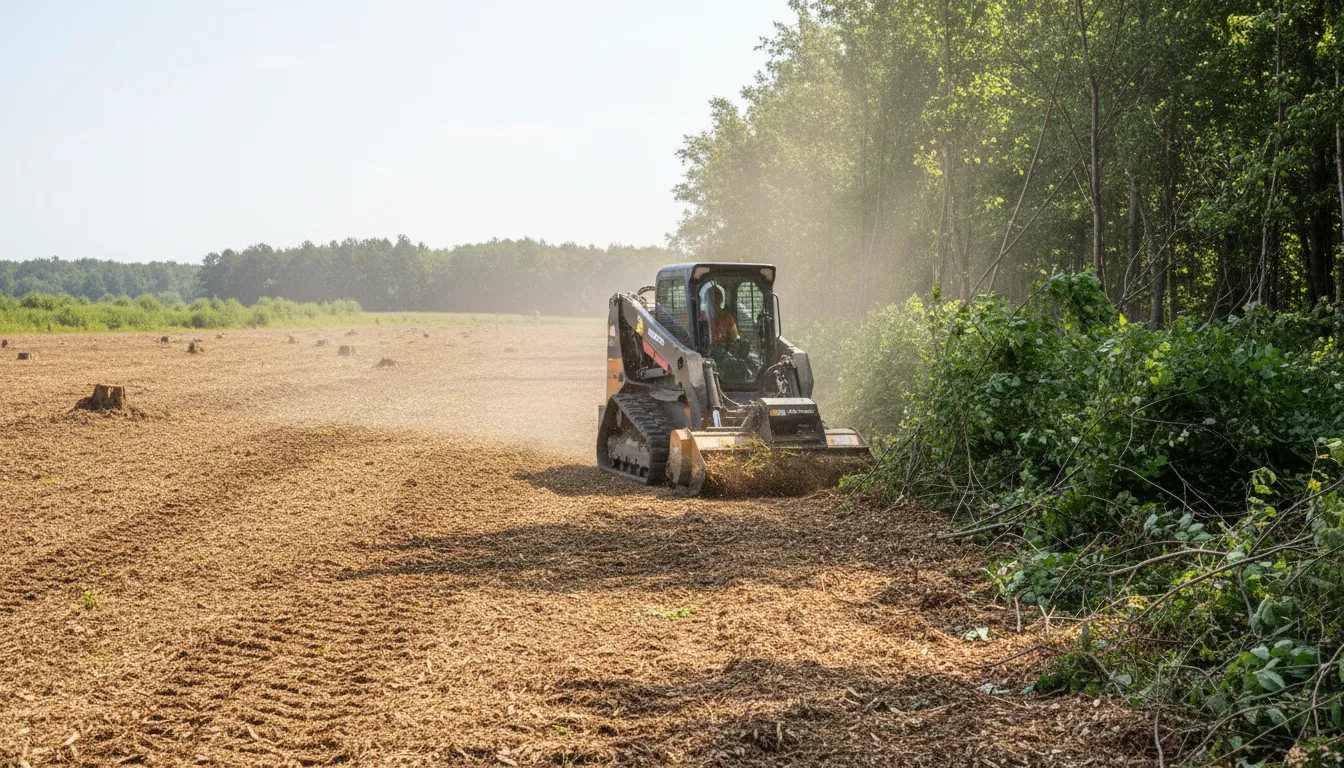
Land clearing is the essential first step in preparing a site for construction, agriculture, or landscaping. In Oregon, this process is more than just removing trees and brush; it's a carefully regulated activity designed to protect the state's sensitive ecosystems, prevent soil erosion, and manage water quality. Navigating the rules requires understanding state, federal, and local requirements. This guide explains the key regulations, best practices, and cost considerations for land clearing projects across Oregon, helping you plan effectively and connect with experienced local professionals who understand these critical nuances.
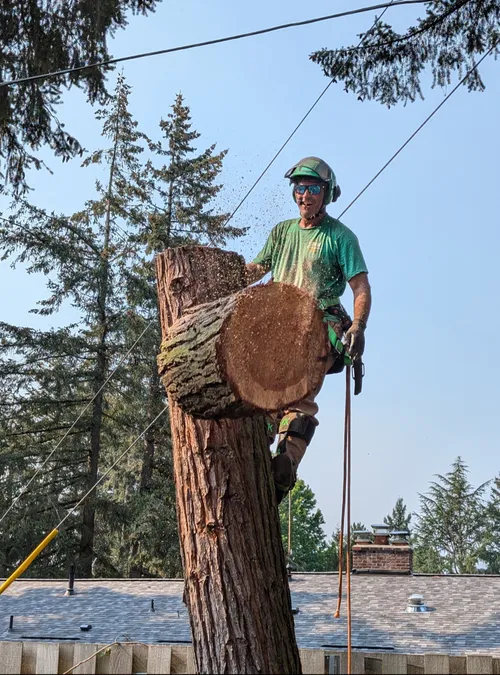
Very Good Stump Grinding & Tree Removal
5780 SW Childs Rd, Lake Oswego, OR 97035
Very Good Stump Grinding & Tree Removal is a family-owned tree care company serving Portland, OR, and nearby communities. With over 30 years of experience, they provide a range of services including tree removal, stump grinding, tree trimming, lot clearing, and brush removal. Their ISA-certified arborist oversees all work to ensure safety and proper care. The company uses specialized equipment like spider lifts and spur-less trimming gear to minimize impact on landscapes. They also offer emergency tree removal and debris hauling services across the Portland metro area.

Monkeyman's Tree Service
17280 Lower Boones Ferry Rd, Lake Oswego, OR 97035
Monkeyman's Tree Service provides a range of tree care and land clearing services in Portland, OR. Their offerings include tree trimming, pruning, removal, stump grinding, brush removal, and emergency tree services. The company is equipped to handle both residential and commercial projects, focusing on maintaining healthy trees and safe properties. They have been serving the Portland area since 2008 and employ ISA Certified Arborists who follow strict agricultural standards, including the use of biodegradable lubricants and organic plant health care treatments.
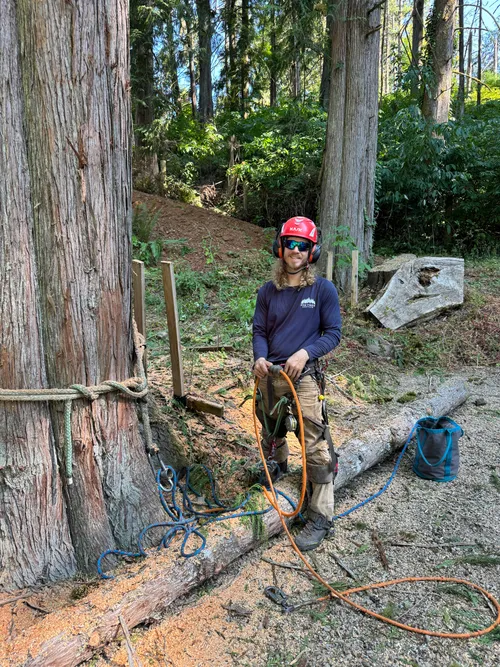
PDX Tree Service, Inc.
2080 SE Oak Grove Blvd Ste 18, Milwaukie, OR 97267
PDX Tree Service, Inc. provides tree removal, stump grinding, lot clearing, and tree pruning services in Portland, OR. They serve Portland and nearby communities including Lake Oswego, Oregon City, Happy Valley, Wilsonville, and Beaverton. The company offers professional arborist services to help maintain and clear residential properties, with capabilities in heavy tree removal and brush clearing. PDX Tree Service focuses on supporting homeowners with a range of tree and land clearing needs across the region.
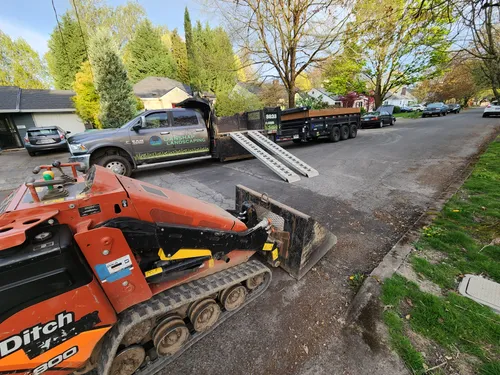
Danshap Landscaping and Excavation inc.
7800 NE 103rd Ave, Vancouver, WA 98662
Danshap Landscaping and Excavation Inc. is a licensed, bonded, and insured landscaping company serving Portland, OR, and the surrounding areas. They offer a wide range of services including sod installation, landscape design, tree removal, stump grinding, yard drainage, grading, land clearing, brush removal, and general lawn care. The company is equipped to handle both residential and commercial projects, with capabilities such as grading and re-sloping yards to improve drainage and appearance. Danshap Landscaping is locally owned and operated, with a strong focus on customer satisfaction and quality workmanship.

Family Landscaping LLC
Portland, OR
Family Landscaping LLC is a landscaping and tree service company based in Portland, OR. They offer a range of services including landscape design, tree removal, stump grinding, land clearing, brush trimming, gutter cleaning, roof moss removal, pressure washing, and fence repair. The company also provides drywall patching and painting services. Their process involves personalized consultations and ongoing maintenance tailored to clients' property layouts and budgets. Family Landscaping LLC serves Portland and nearby areas including Forest Grove, Tigard, Hillsboro, Cornelius, Vancouver, Gaston, and North Plains.
Understanding Oregon's Regulatory Landscape
Oregon's environmental protections mean that land clearing is rarely a simple "clear-cut" operation. Multiple layers of regulation exist to safeguard natural resources, and your project's location will determine which rules apply.
Wetlands and Waterway Protections
The most significant regulatory hurdle often involves the Oregon Department of State Lands (DSL). A Removal-Fill Permit is required for most projects that will remove or fill material in wetlands, rivers, streams, lakes, and some ditches. This includes many land clearing activities near water. The DSL reviews these permits to ensure projects avoid and minimize impacts to these vital areas.
Sensitive Species Considerations
Before breaking ground, you must determine if your site is home to threatened or endangered species. Oregon's diverse habitats can host protected plants and animals. You are legally required to avoid harming these species, and your project may need to follow specific guidelines from the U.S. Fish and Wildlife Service or the Oregon Department of Fish and Wildlife.
Agricultural Land Clearing Limits
If your goal is to clear land for a new agricultural operation, be aware of statewide limits. Generally, clearing for new commercial agricultural use is restricted to 15 acres, unless you develop and follow an approved water quality management area plan or are practicing certain types of low-impact forestry1. This rule is designed to prevent large-scale conversion of forests to farmland without proper environmental safeguards.
Local City and County Ordinances
State rules are just the beginning. Cities and counties have their own, often stricter, regulations. For example:
- Portland has detailed erosion control requirements for any ground-disturbing activity.
- Forest Grove mandates erosion and sediment control measures for sites over 500 square feet.
- Many jurisdictions have rules about tree removal, habitat corridors, and setbacks from property lines or sensitive areas.
Always check with your local planning or building department to understand the full scope of permits and plans required for your project.
The Critical Role of Erosion and Sediment Control
In Oregon's climate, exposed soil is a major pollutant. Rain can wash tons of sediment into streams, harming fish habitat and water quality. Consequently, an Erosion and Sediment Control (ESC) Plan is not just a good idea-it's often a legal requirement for any significant clearing project.
Key Components of an Effective ESC Plan
A proper plan outlines how you will minimize soil disturbance and prevent runoff. For simple, flat sites away from water, a written plan may suffice. For larger or more complex projects, a detailed graphical plan is typically required. Key elements include:
- Phased Clearing: Clearing and stabilizing land in sections, rather than all at once, drastically reduces the amount of bare soil exposed to rain.
- Timely Stabilization: A crucial deadline in western Oregon is October 1st. If rain is expected, any slopes over 2% must have temporary ground cover installed by this date to prevent winter erosion2 3.
- Best Management Practices (BMPs): Your plan should specify the use of:
- Temporary Seeding or Mulching: Quickly establishing plant cover or covering soil with straw or wood chips.
- Silt Fences and Wattles: Placing barriers to filter sediment from runoff water.
- Buffer Strips: Leaving vegetated areas undisturbed next to streams or wetlands.
- Tree Protection Fencing: Guarding trees that are to remain on-site from equipment damage.
Planning and Design Standards
Oregon provides comprehensive guidance for ESC planning. Manuals detail everything from calculating runoff to selecting the right BMPs for your soil type and slope4. For projects involving public infrastructure, like roads, the Oregon Department of Transportation has its own strict appendix of approved practices5. Investing in a well-designed ESC plan upfront can prevent costly fines, work stoppages, and environmental damage later.
Find the perfect land clearing contractors for your needs
Get personalized recommendations and expert advice
Cost Factors for Land Clearing in Oregon
The cost to clear land in Oregon varies tremendously, from a few thousand dollars to tens of thousands, depending on your site's specific characteristics. There is no flat "per-acre" rate that applies to all projects.
Primary Cost Drivers
- Site Terrain and Slope: Steep slopes are the single biggest cost multiplier. They require specialized equipment, more labor, and more complex erosion controls. Clearing flat or gently rolling land is significantly less expensive.
- Vegetation Density and Type: Is it a light brush field or a dense forest of large-diameter trees? The time, equipment (chainsaws, excavators, bulldozers, grinders), and labor needed differ greatly. Grinding stumps adds to the cost but is often required.
- Debris Removal and Disposal: What happens to the trees, stumps, and brush? Costs include hauling, dump fees (which vary by county), or the expense of on-site burning (if permitted). Some contractors may charge extra if the debris is piled for the owner's future use.
- Permitting and Planning: Don't overlook these soft costs. Fees for DSL, county, or city permits add up. If your project requires a professional-engineered ESC plan or biological assessment, those services come at a significant cost 6.
- Project Scale: While economies of scale can apply, very small projects (under an acre) often have a higher cost per acre due to minimum mobilization fees for equipment.
Estimated Cost Ranges
It's vital to get multiple, detailed quotes for your specific property. However, general ranges can provide a starting point:
- Small-scale clearing (e.g., for a home site or driveway on 1 acre) can range from $800 to over $6,000, heavily influenced by the factors above.
- Per-acre costs for larger projects are equally variable. Simple clearing on flat land might start around $1,000-$3,000 per acre. For projects with moderate slopes, dense vegetation, or permitting needs, costs can easily reach $3,000 to $7,000+ per acre for the clearing work alone7 8 9.
- Remember, grading (shaping the land after clearing) is a separate and additional cost, often quoted per cubic yard of dirt moved10.
Best Practices for a Successful Project
- Start Early with Research: Permitting can take weeks or months. Contact the DSL and your local planning department at the very beginning of your planning process.
- Hire Experienced Local Professionals: Choose contractors familiar with Oregon's and your county's specific regulations. They should be able to discuss ESC plans and permitting knowledgeably.
- Budget for the Entire Process: Factor in costs for permits, professional plans (ESC, surveying), the clearing work itself, debris disposal, and final stabilization (seeding, landscaping).
- Plan for the Season: Aim to complete clearing and have permanent stabilization in place before the fall rainy season begins. Starting a major clearing project in late summer is risky.
- Get Everything in Writing: A detailed contract should outline the scope of work, specific BMPs to be used, responsibility for obtaining permits, debris disposal method, and a clear payment schedule.
Frequently asked questions
Sources
Footnotes
-
350-082-0280 - Oregon Secretary of State Administrative Rules - https://secure.sos.state.or.us/oard/viewSingleRule.action;JSESSIONID_OARD=2gFA23wnO4gHgbN9Qo2dvFMgUsNCfGFJSboWeXE7oz3_aZb5vcxb!99228750?ruleVrsnRsn=287182 ↩
-
Erosion Control - Forest Grove, OR - https://www.forestgrove-or.gov/473/Erosion-Control ↩
-
Erosion Control - Portland.gov - https://www.portland.gov/ppd/erosion-control ↩
-
Erosion Prevention and Sediment Control Planning and Design ... - https://www.milwaukieoregon.gov/sites/default/files/fileattachments/building/page/36871/epsc_complete_manual.pdf ↩
-
Erosion Control Manual Appendix A - Oregon.gov - https://www.oregon.gov/ODOT/GeoEnvironmental/Docs_Environmental/ECM-Appx-A.pdf ↩
-
Oregon Department of State Lands : Removing or Filling Material - https://www.oregon.gov/dsl/wetlands-waters/pages/removal-fill.aspx ↩
-
How Much Does it Cost to Clear Land in 2026? - Lawn Love - https://lawnlove.com/blog/land-clearing-cost/ ↩
-
Oregon Land Clearing Costs & Prices - ProMatcher Cost Report - https://land-clearing.promatcher.com/cost/oregon.aspx ↩
-
Pricing Guide: How Much Does It Cost to Clear Land? - LawnStarter - https://www.lawnstarter.com/blog/cost/clear-land-price/ ↩
-
Land Clearing and Grading Costs: Factors Affecting Budget - https://alphaenvironmental.net/blog/land-clearing-grading-costs/ ↩