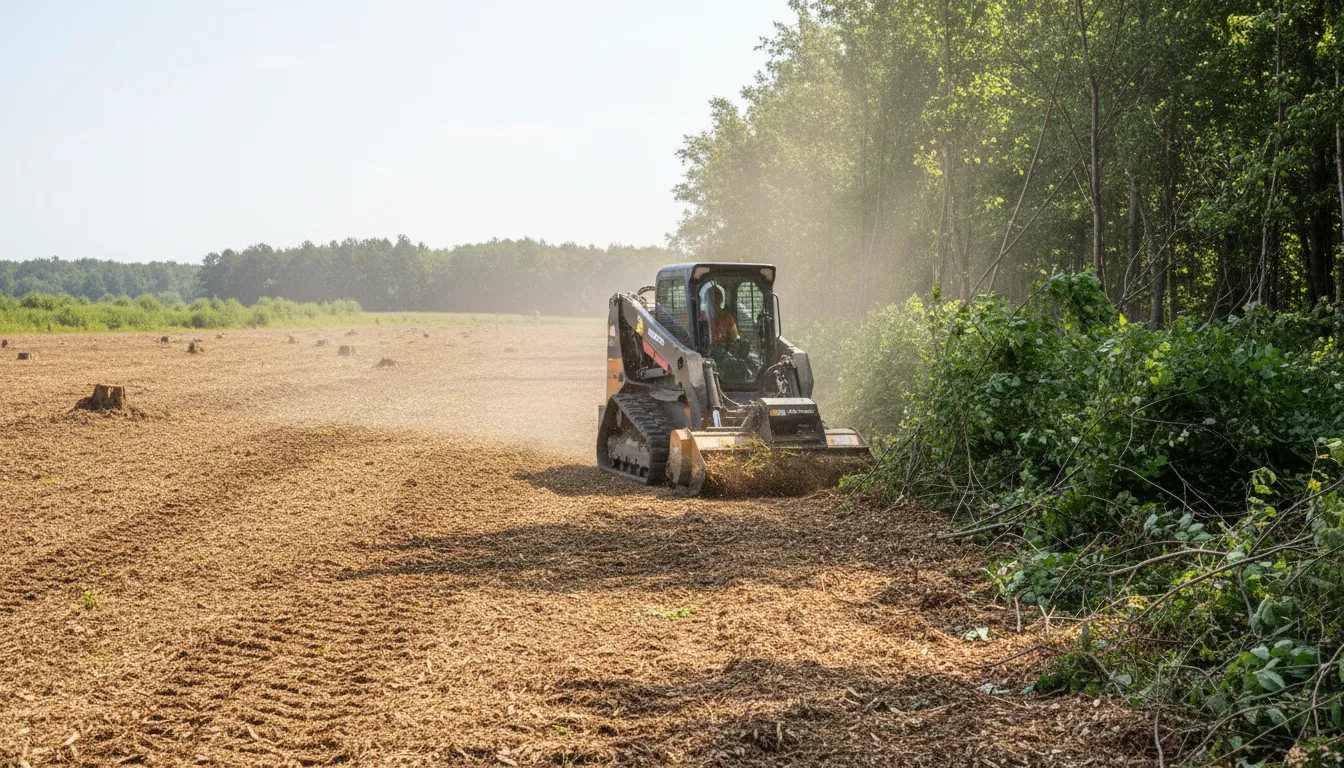
Find the Best Land Clearing Contractors for Your Business
No obligation • Fast responses • Nationwide coverage

Why you can trust Landscape Atlas
Landscape Atlas is a leading United States resource for evaluating landscaping, lawn care, and outdoor service providers. Our team researches each category in depth, focusing on service quality, safety, and customer experience. Listings and rankings are based on independent criteria and user feedback, and companies cannot pay to influence our assessments or recommendations.
Search providers near you
Best Land Clearing Contractors in Pennsylvania Ranked
Land clearing is the process of removing trees, brush, stumps, and other obstacles to prepare a site for construction, agriculture, or other land uses. In Pennsylvania, this work is governed by strict environmental regulations designed to protect water quality and prevent erosion. Understanding these rules and planning your project carefully is essential for compliance, cost control, and protecting your property's long-term value. This guide provides practical information to help you navigate the process, from permits to best practices, and connect with qualified local professionals.
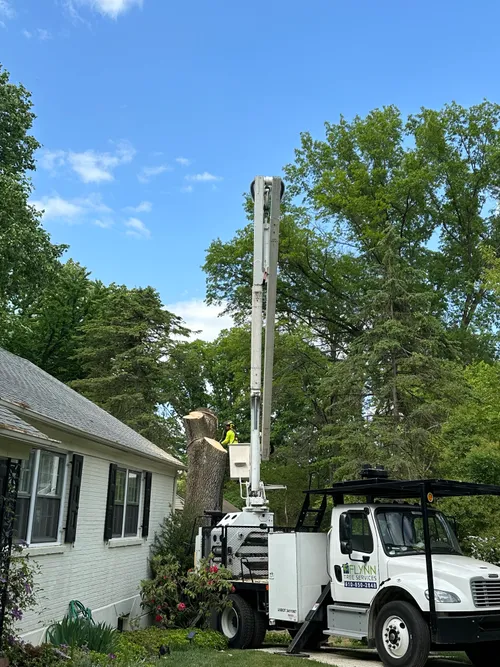
Flynn Tree Services
501 Ellis Ave, Newtown Square, PA 19073
Flynn Tree Services is a licensed and insured tree service company based near Philadelphia, PA. They provide a range of services including tree trimming, removal, stump grinding, land clearing, brush removal, and storm cleanup. Their team uses specialized equipment such as bucket trucks and crane trucks to safely handle tree removal and maintenance. Flynn Tree Services also offers emergency response available 24/7 to address hazardous tree conditions promptly. They serve Southeastern Pennsylvania, South Jersey, and Northern Delaware, helping with residential and commercial tree care needs.
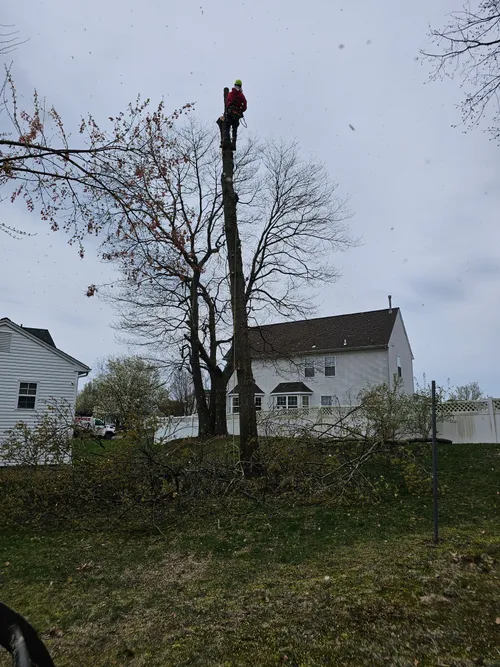
FT Stump Grinding and Tree Service
733 Wills Ave, Deptford, NJ 08096
FT Stump Grinding and Tree Service provides tree removal, stump grinding, land clearing, and brush removal services in Philadelphia, PA, and the surrounding South Jersey area. They serve residential and commercial clients, including emergency tree service and storm damage cleanup available 24/7. Their capabilities include large-scale stump grinding using advanced equipment to ensure thorough removal and yard restoration. The company is fully licensed and insured, covering Gloucester and Camden Counties with services such as arborist consultations, tree pruning, and firewood delivery.
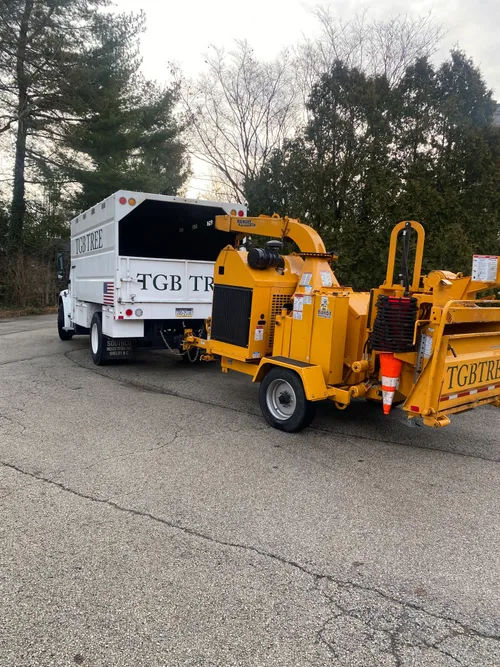
TGB Tree
1315 Lawrence Rd, Havertown, PA 19083
TGB Tree is a tree service company based in Havertown, PA, serving Philadelphia and the Main Line suburbs. They specialize in large hazardous tree removals, tree pruning, stump grinding, land clearing, and brush removal. The company often uses cranes and rigging techniques for complex tree removals and works in areas including Lower Merion, Haverford, Radnor townships, and nearby communities. Their expertise includes handling large, dying, or dead trees that pose risks to structures or people.
Marcucci & Company Tree Experts
1357 N Woodbine Ave, Penn Valley, PA 19072
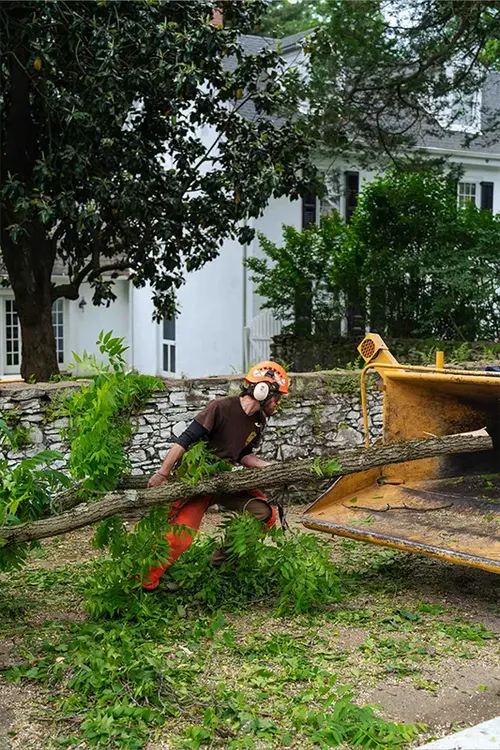
Marcucci & Company Tree Experts is a tree service and land clearing contractor based in Philadelphia, PA. Founded in 2023 by Luke Marcucci, the company offers tree pruning, tree removals, tree risk assessments, stump grinding, brush removal, and site clearing. They serve the Philadelphia area with expertise in handling complex tree removal projects, including those near utility lines.
E&J Landscaping LLC
31 Upland Rd, Brookhaven, PA 19015
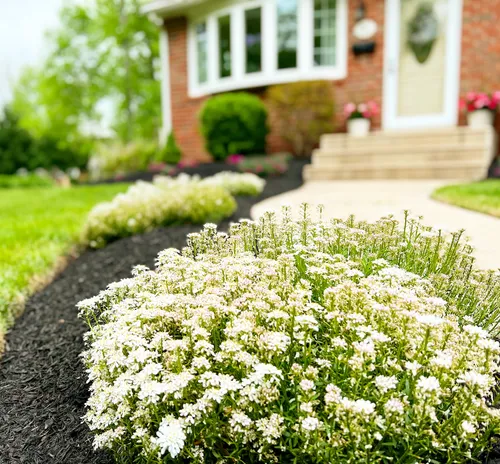
E&J Landscaping LLC provides comprehensive lawn care, landscaping, drainage, and outdoor improvement services in Philadelphia, PA. They offer routine property maintenance such as mowing, bush trimming, garden care, and seasonal cleanups, along with custom landscape design and installation of paver and flagstone patios. Their expertise includes yard grading and stormwater management solutions like French drains and catch basins to protect home foundations. Serving Delaware County communities, E&J Landscaping LLC is licensed and insured, focusing on quality materials and construction to maintain healthy, attractive outdoor spaces.
Understanding Pennsylvania's Erosion & Sediment Control Rules
The cornerstone of any site preparation work in Pennsylvania is compliance with the Department of Environmental Protection's (DEP) Chapter 102 regulations. These rules are in place because disturbed soil can easily wash into streams and rivers, harming aquatic life and water quality. The key factor determining your regulatory requirements is the total area of earth disturbance.
- Under 5,000 Square Feet: For very small projects, a formal written Erosion and Sediment (E&S) Control Plan is not required by the state. However, you are still responsible for implementing basic Best Management Practices (BMPs) like silt fencing or straw bales to prevent runoff.
- 5,000 Square Feet to 1 Acre: This is a common threshold for residential lot clearing. A written E&S Plan is required. This plan typically does not need formal DEP approval but must be available on-site. It details the specific BMPs you will use to control erosion during and after work.
- Over 1 Acre: Projects disturbing one acre or more generally require a more comprehensive E&S Plan and often a National Pollutant Discharge Elimination System (NPDES) permit for stormwater discharges. This process is more involved and usually requires coordination with your local County Conservation District.
Critical Considerations for Your Site
Beyond the sheer size of the disturbance, several site-specific factors can trigger additional requirements or increase complexity.
- Protected Waterways: If your property borders or contains a stream designated as High Quality (HQ) or Exceptional Value (EV), much stricter controls apply. Activities near these waters often require wider protective buffers (riparian zones) where clearing is heavily restricted or prohibited.
- Wetlands: Disturbing wetlands requires separate permits from the DEP and potentially the U.S. Army Corps of Engineers. Always have a qualified professional assess your property for wetland indicators before planning clearing work.
- Steep Slopes: Many Pennsylvania municipalities have steep slope ordinances that limit or forbid clearing on slopes over a certain grade (e.g., 15-25%). Even without a local ordinance, working on steep terrain requires specialized, more expensive E&S controls to prevent landslides and severe erosion 1.
- Tree Protection: The best erosion control is existing vegetation. When clearing, clearly mark and protect trees you wish to keep with sturdy fencing to prevent root and trunk damage from equipment. Properly stockpiling and reusing topsoil is also crucial for successful revegetation later.
The Permitting Process: Who to Contact
Navigating the required approvals is a multi-step process. Relying on experienced professionals here can prevent costly delays.
- Start Local: Your first point of contact should be your local township or municipality. They will inform you of any local grading, excavation, or land development permits required under the Uniform Construction Code (UCC) or local ordinances 2.
- Consult the Conservation District: Your County Conservation District is an invaluable resource. They are the local agency that administers the DEP's E&S program. They can review your project size and location, advise on plan requirements, and often review and accept E&S Plans for smaller projects 3. Districts like those in Dauphin, Centre, and Mifflin counties provide clear guides for landowners 3.
- State-Level Permits: For larger disturbances (1+ acre) or work near special protection waters, the DEP's NPDES permit process comes into play. Your Conservation District can guide you on whether this is necessary for your project.
Best Management Practices (BMPs) for Effective Control
An E&S Plan is only as good as its implementation. Effective, well-maintained BMPs are the physical safeguards that keep soil on your site.
- Perimeter Controls: Silt fence, filter socks, or straw bales installed along the down-slope boundary of the disturbance area are the first line of defense, trapping sediment before it leaves the site.
- Stabilization: The single most important practice is to seed and mulch any exposed soil as quickly as possible. Leaving bare ground exposed, even for a short time, invites erosion. Use temporary seeding for areas dormant for weeks, and permanent seeding for final stabilization.
- Site Management: Sequence work to minimize the amount of land disturbed at any one time. Stabilize areas immediately after grading. Use stone construction entrances ("rock pads") to prevent mud from being tracked onto public roads.
Find the perfect land clearing contractors for your needs
Get personalized recommendations and expert advice
Understanding Land Clearing Costs in Pennsylvania
Pricing for site preparation in Pennsylvania is highly variable and rarely simple. It depends on a confluence of factors, making detailed site evaluations essential for accurate estimates.
- Project Scale: Costs are not linear. Small projects (e.g., clearing 1-2 acres for a home) often have a higher cost per acre due to fixed expenses like equipment mobilization and permit setup. Larger projects (10+ acres) may see a lower per-acre rate for the clearing itself, but the total cost will be significantly higher due to the volume of work, and expenses for large-scale E&S controls and permits can add thousands 4.
- Key Cost Drivers:
- Terrain: Steep, rocky, or wet sites are more difficult and time-consuming to work on, increasing costs.
- Vegetation Density: A thick stand of large hardwood trees costs far more to clear and dispose of than an overgrown field of brush.
- Access: Narrow roads, limited staging areas, or remote locations can increase time and equipment needs.
- Regulatory Requirements: The need for an NPDES permit, specialized BMPs for HQ waters, or wetland mitigation can add substantial planning, material, and labor costs 5.
- Cost Ranges: For a basic clearing and grading project on a one-acre residential lot with moderate brush, you might expect a base cost ranging from $1,000 to $3,000 or more. Crucially, you must then add the cost for required E&S controls-such as silt fence installation, seeding, and mulching-which could add another $500 to $2,000+ to the total 6 7. For large-acreage projects, clearing alone might be quoted between $500 and $1,500 per acre, but the final bill will be substantially shaped by the factors above.
Planning and Executing Your Project
A successful land clearing project hinges on careful planning and hiring the right team.
- Define Your Goals: Be clear about the final use of the land. Is it for a building pad, a pasture, or a future subdivision? This determines the extent of clearing and grading needed.
- Get a Professional Site Assessment: Before soliciting bids, consider having a civil engineer, surveyor, or highly experienced site contractor assess your property. They can identify wetlands, steep slopes, drainage issues, and other constraints that will affect the plan and cost.
- Secure Qualified Bids: When requesting bids, provide each contractor with the same detailed project description and site plan. Ask for itemized bids that separate costs for clearing, grubbing, stump removal, grading, and the installation and maintenance of all required E&S controls. Ensure they are familiar with local Conservation District requirements.
- Verify Credentials: Check for proper insurance (liability and workers' compensation) and ask for references from similar projects in your area. Membership in local building or excavation associations can be a positive indicator.
- Plan for the Long Term: Discuss final stabilization and revegetation plans with your contractor. A well-seeded and mulched site not only complies with regulations but also protects your investment by preventing gullies and washouts.
Frequently asked questions
Sources
Footnotes
-
DEP-Timber-Harvest-Guide.pdf - Fulton County Conservation District - https://fultoncountyconservationdistrict.org/wp-content/uploads/2020/11/DEP-Timber-Harvest-Guide.pdf ↩
-
Pennsylvania Excavation Permit Requirements - https://muthlerconstruction.com/articles/pennsylvania-excavation-permit-requirements/ ↩
-
Erosion & Sediment Control Plans (E&S Plans) | Centre County, PA - https://centrecountypa.gov/692/Erosion-Sediment-Control-Plans-ES-Plans ↩ ↩2
-
Agriculture Erosion and Sediment Control - https://www.pa.gov/agencies/dep/programs-and-services/water/bwrnsm/nonpoint-source/agriculture-compliance/agriculture-erosion-and-sediment-control ↩
-
Riparian Buffer Protection via Local Government Regulation - https://library.weconservepa.org/guides/119-riparian-buffer-protection-via-local-government-regulation ↩
-
Small Projects Guide for Erosion and Sediment - http://www.dauphincd.org/erosion/2015%20Documents/Small%20Projects%20Guide/SMALL%20PROJECTS%20GUIDE%202-16.pdf ↩
-
SMALL PROJECT/ LOW-HAZARD EROSION CONTROL GUIDE - http://www.mifflinccd.com/wp-content/uploads/2017/08/Small-project-ES-guide-full-version.pdf ↩