Find the Best Land Clearing Contractors for Your Business
No obligation • Fast responses • Nationwide coverage

Why you can trust Landscape Atlas
Landscape Atlas is a leading United States resource for evaluating landscaping, lawn care, and outdoor service providers. Our team researches each category in depth, focusing on service quality, safety, and customer experience. Listings and rankings are based on independent criteria and user feedback, and companies cannot pay to influence our assessments or recommendations.
Search providers near you
Top Land Clearing Contractors in Cedar Park, Texas Ranked
Preparing a raw piece of land for a new home, a commercial development, or simply reclaiming your property from overgrowth requires professional land clearing. This essential service involves the systematic removal of trees, brush, stumps, and debris to create a clean, workable site. In Cedar Park, with its mix of dense cedar, hardwoods, and limestone terrain, proper site clearing is crucial for safe and efficient construction or landscaping. This guide will help you understand the local process, methods, and considerations for finding experienced professionals to handle your lot clearing or brush removal project.
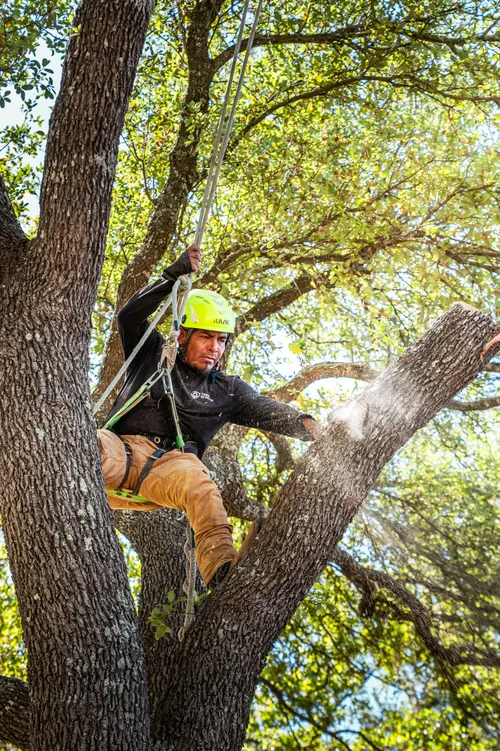
Tree Scouts Tree Service & Trimming Georgetown
501 S Austin Ave Floor 2, #88, Georgetown, TX 78626
Tree Scouts Tree Service & Trimming Georgetown is a certified and insured tree care company serving Austin, TX. Their services include tree trimming, pruning, safe tree removal, stump grinding, land clearing, and oak wilt management. The team follows ANSI and ISA standards and is led by ISA-Certified Arborists who provide expert guidance on tree health and maintenance. With over 30 years of experience, Tree Scouts offers comprehensive care including disease diagnosis and treatment, as well as emergency storm damage response with 24/7 availability.

Southern Love Landscaping & Design
111 Congress Ave. Suite 400, Austin, TX 78701
Southern Love Landscaping & Design is a landscaping and outdoor living company based in Austin, TX. They offer a wide range of services including custom landscaping, fire pits, patios, sod installation, irrigation installation and repair, fence installation, retaining walls, and landscape lighting. The company serves Austin and nearby areas such as Cedar Park and Round Rock, providing tailored outdoor solutions that enhance both residential and commercial properties. Their expertise includes building durable retaining walls and designing functional irrigation systems to support healthy landscapes. Southern Love Landscaping & Design emphasizes personalized service and craftsmanship to meet client needs.
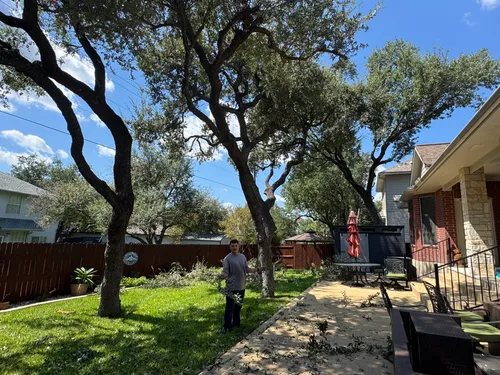
Hill Country Tree Trimming
Austin, TX
Hill Country Tree Trimming is a family-owned tree service company based in Austin, TX, serving Round Rock and surrounding areas. With over 15 years of experience, they provide a range of services including tree trimming, removal, stump grinding, land clearing, landscaping, and hardscaping. Their team offers 24-hour emergency tree services to address urgent situations promptly. The company combines arborist expertise with landscaping and hardscape capabilities to enhance both the health and appearance of outdoor spaces. Their Christian-based values guide their work, and the owner is present on every job to ensure quality.
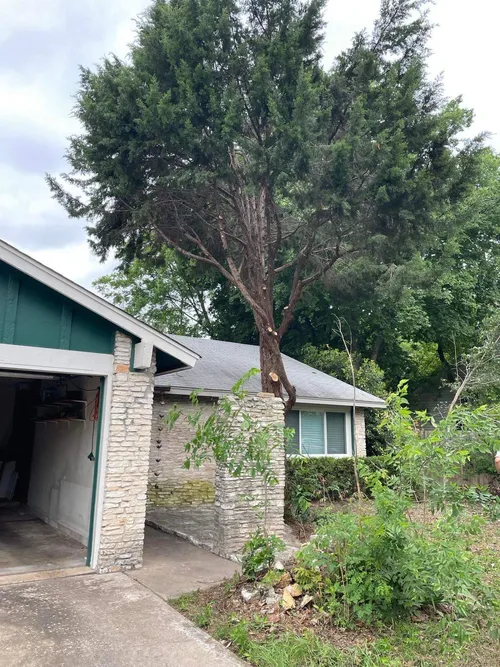
Central Texas Arbor Care
Austin, TX
Central Texas Arbor Care is a tree service company based in Austin, TX, serving the city and surrounding Travis County since 2017. They provide residential and commercial tree care, including tree trimming, pruning, removal, stump grinding, and land clearing. Their licensed arborists focus on tree health, safety, and landscape aesthetics, with expertise in managing tree diseases like oak wilt. The company uses professional equipment and techniques to deliver comprehensive tree maintenance and emergency removal services.

Beny's Tree Service
9530 US-290 Service Rd, Austin, TX 78724
Beny's Tree Service is a certified tree care company based in Austin, TX. They offer a range of services including tree trimming, tree removal, stump grinding, brush removal, lot clearing, storm cleanup, roof cleaning, and lawn fertilization. Their team includes ISA Certified Arborists who ensure proper care and maintenance of trees. Beny's Tree Service provides 24/7 storm cleanup and emphasizes safe practices and thorough property cleanup after tree removal. They serve Austin and surrounding areas such as Georgetown, Buda, and Round Rock.
Understanding Land Clearing in the Texas Hill Country
Land clearing, often referred to as lot clearing or site preparation, is more than just cutting down trees. It's a multi-step process that transforms overgrown or wooded land into a usable blank canvas. In Cedar Park, this typically involves navigating specific local regulations, especially concerning large native hardwoods, and dealing with the region's challenging cedar growth and rocky soil. The goal is to safely remove all vegetation and obstacles so the land can be graded, surveyed, and built upon. Whether you're a homeowner with a few acres or a developer planning a subdivision, understanding this process is the first step toward a successful project.
The Step-by-Step Land Clearing Process
A professional land clearing operation follows a logical sequence to ensure thoroughness and compliance.
1. Initial Assessment and Permitting
The first step is a thorough site evaluation. A reputable contractor will survey the property to identify the types and density of vegetation, assess the terrain and slope, check for large rocks or limestone outcroppings, and determine the best access points for equipment. Critically, they will also check the City of Cedar Park's regulations. For instance, special permits or approvals may be required for removing hardwood trees over a certain diameter, often 16 inches or more. This upfront planning helps avoid legal issues and accurately scopes the project.
2. Vegetation Removal
This is the core of the clearing work. The method used depends on the vegetation:
- Large Trees and Dense Brush: Heavy equipment like bulldozers, excavators, and tracked skid steers are used to push over and gather trees and thick brush.
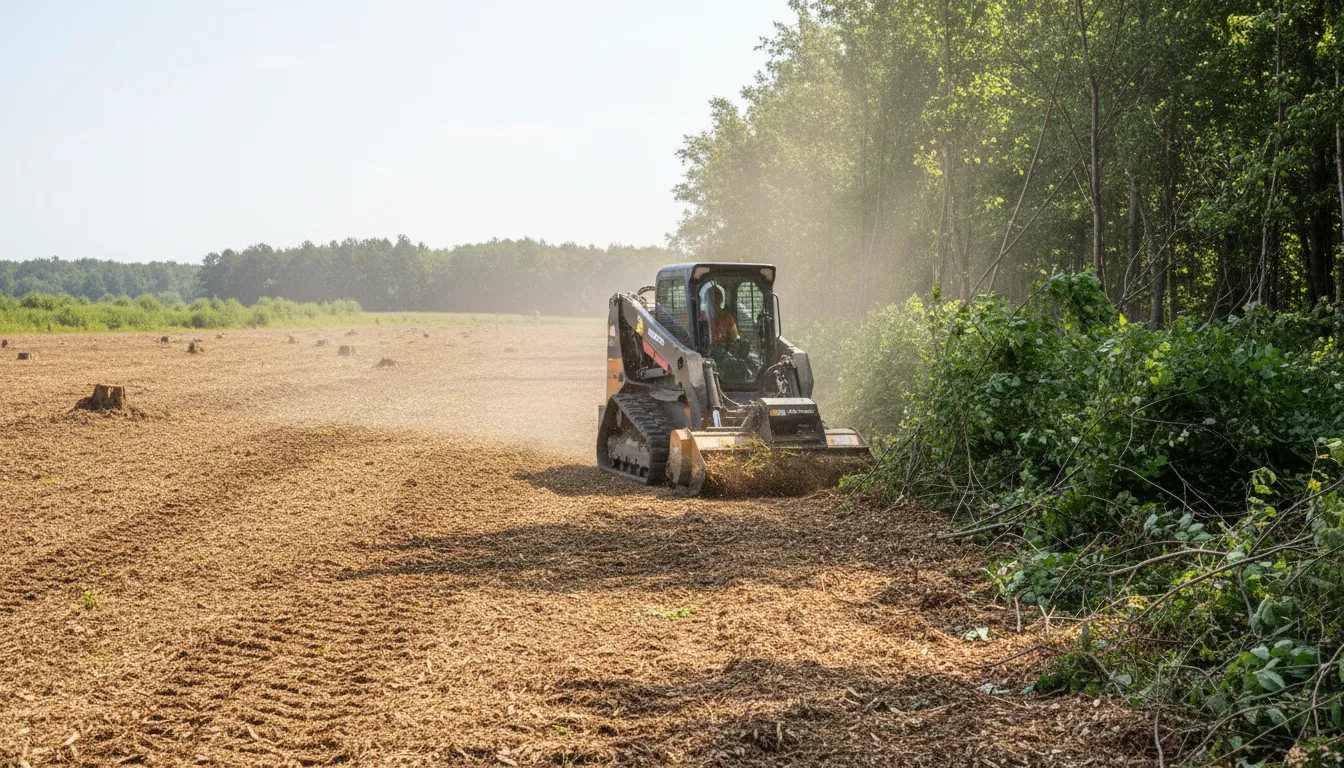
- Smaller Growth and Undergrowth: For areas with smaller trees, cedars, and dense brush, a forestry mulcher or brush hog attachment can quickly grind vegetation into mulch on-site.
- Selective Clearing: If you only want to remove specific trees or brush while preserving others, hand crews with chainsaws may be employed for precision.
3. Stump and Root Removal (Grubbing)
After trees are felled, stumps and root systems remain. Leaving them in place can interfere with future grading and construction. "Grubbing" is the process of removing these stumps and large roots. Excavators with thumb attachments or bulldozers equipped with specialized root rakes are commonly used to dig out and pile these remnants.
4. Debris Hauling and Disposal
Once everything is cleared and piled, the debris must be dealt with. There are two primary approaches in Cedar Park:
- Off-Site Hauling: The most common method involves loading the piles of wood, brush, and rocks onto dump trucks and hauling them to an approved disposal facility or recycling center.
- On-Site Mulching: If forestry mulching was used, the debris is processed into a layer of organic mulch that remains on the ground. This can help with erosion control and soil health, though it may need to be redistributed or partially removed depending on the final site plan.
5. Final Site Preparation
With the land cleared and debris removed, the final step is rough grading. This involves using bulldozers and graders to level the ground, fill in holes left by stump removal, and create a stable, even base for the next phase of work, whether it's fine grading for a foundation or preparing for landscaping.
Common Land Clearing Methods and Equipment
Choosing the right technique depends on your land's characteristics and your goals for the cleared site.
Bulldozing and Grubbing: This traditional method uses a bulldozer, often with a root rake or shear blade, to push over trees and clear dense growth. It's highly effective for large-scale clearing of heavily wooded areas and is followed by grubbing to remove stumps. It leaves a clean slate but typically requires off-site debris hauling.
Forestry Mulching: A popular and efficient method in Central Texas. A single machine with a rotary mulching head grinds trees, brush, and vines into small wood chips, depositing them back onto the soil. This is excellent for clearing cedar breaks and medium-density brush, as it eliminates hauling costs and can help suppress future weed growth. It's considered more environmentally friendly than traditional methods.
Excavator-Based Clearing: For rocky or uneven terrain common in Cedar Park, excavators are invaluable. Their reach and power allow for precise tree removal, digging out large stumps and boulders, and piling debris for easy hauling. They are often used in combination with other equipment 1.
Hand Clearing: For smaller residential lots, selective clearing, or areas where heavy machinery cannot access, manual clearing with chainsaws and hand tools is the solution. It's labor-intensive but offers the highest level of control over what is removed and what remains 2.
Find the perfect land clearing contractors for your needs
Get personalized recommendations and expert advice
Factors Influencing Land Clearing Costs in Cedar Park
The cost for lot clearing services can vary widely based on several key factors specific to your property. Understanding these will help you interpret estimates from local contractors.
- Vegetation Density and Type: This is the biggest cost driver. Clearing a lightly brushed acre costs significantly less than clearing a densely forested acre full of large oak trees and thick cedar. Cedar, in particular, can be tough and time-consuming to remove.
- Terrain and Rocks: Cedar Park's limestone substrate means contractors often encounter rock. Clearing land with significant rock outcroppings or boulders requires more powerful equipment and more time, increasing the cost 3.
- Acreage and Accessibility: Larger projects often have a lower cost per acre due to economies of scale. However, if the land is difficult to access (steep slopes, no easy entry for equipment), costs will rise due to the need for specialized machinery or longer setup times 4.
- Disposal Method: Choosing on-site mulching can reduce or eliminate hauling and dump fees. Opting to haul all debris away adds line items for trucking, labor, and disposal facility tipping fees.
- Equipment and Labor: The choice of method dictates the equipment used. Forestry mulching might be billed at an hourly rate (often between $150-$300 per hour), while larger dozing projects may be quoted as a flat rate per acre 5.
As a general range, for medium brush clearing in the Cedar Park area, you might expect costs in the range of $2,000 to $4,000 per acre. For heavily wooded or forested land with large trees and difficult terrain, costs can easily reach $4,000 to $10,000 or more per acre 6 7 8. Always get detailed, written estimates that break down these factors.
Why Professional Land Clearing is Essential
Attempting to clear land yourself, especially beyond a small residential patch, is dangerous and often inefficient. Professionals bring the necessary heavy machinery, expertise in local ecology and regulations, and insurance to handle the job safely. They can efficiently manage the disposal of large volumes of debris-a major logistical challenge-and ensure the site is properly prepared for its next use, preventing future issues with drainage or unstable ground 9 10. For a project as significant as preparing land for a build, investing in expert site clearing is a foundational step toward success.
Frequently asked questions
Sources
Footnotes
-
Best Equipment for Efficient Land and Brush Clearing - DOZR - https://dozr.com/blog/best-equipment-for-efficient-land-and-brush-clearing ↩
-
Services We Offer - https://www.dakotalandworksllc.com/services ↩
-
Lot and Land Clearing in Cedar Park, TX - https://rootedintexastreecare.com/lot-and-land-clearing/ ↩
-
What is Land Clearing? - Tidd Tree - https://tiddtree.com/what-is-land-clearing/ ↩
-
What Does Forestry Mulching Cost? [2026 Data] | Angi - https://www.angi.com/articles/forestry-mulching-cost.htm ↩
-
How Much Does It Cost to Clear Land in 2025? - Daniel Dean - https://www.danieldean.com/how-much-does-it-cost-to-clear-land/ ↩
-
The Cost To Clear Land in Texas: A Guide For Property Owners - https://www.intexlandclearing.com/the-cost-to-clear-land-in-texas-a-guide-for-property-owners/ ↩
-
HOW MUCH DOES IT COST TO CLEAR LAND? (2025 GUIDE) - https://www.linkedin.com/pulse/how-much-does-cost-clear-land-2025-guide-apx-construction-group-a0b4c ↩
-
Top 5 Methods of Land Clearing | Which Is Right for You? - Valor - https://www.valorenv.com/top-5-methods-of-land-clearing-which-is-right-for-you/ ↩
-
Equipment Needed for Land Clearing | The Cat Rental Store - https://www.catrentalstore.com/en_US/blog/equipment-land-clearing.html ↩