Find the Best Land Clearing Contractors for Your Business
No obligation • Fast responses • Nationwide coverage

Why you can trust Landscape Atlas
Landscape Atlas is a leading United States resource for evaluating landscaping, lawn care, and outdoor service providers. Our team researches each category in depth, focusing on service quality, safety, and customer experience. Listings and rankings are based on independent criteria and user feedback, and companies cannot pay to influence our assessments or recommendations.
Search providers near you
Top Land Clearing Contractors in Missouri City, Texas Ranked
Preparing a piece of land for a new home, a commercial development, or simply reclaiming your property from overgrowth starts with professional land clearing. This essential service removes trees, brush, stumps, and debris to create a clean, workable site. In Missouri City, this process is critical for safe construction, fire prevention, and improving land usability. This guide will help you understand the local process, methods, and considerations for finding the right site preparation professionals for your project.
LeFelton Opulent Land Clearing
4912 Laigle Rd, Manvel, TX 77578
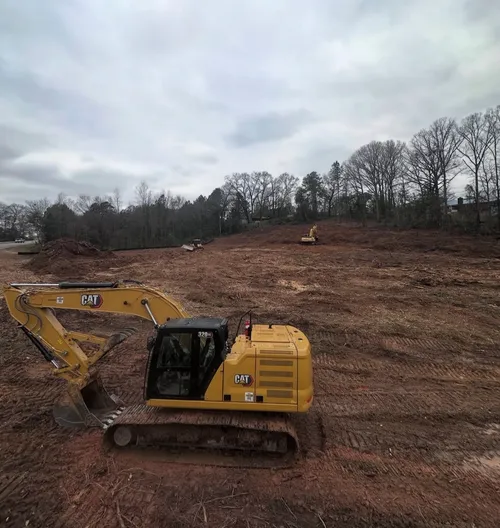
LeFelton Opulent Land Clearing provides land clearing, forestry mulching, tree removal, stump grinding, and brush removal services in Houston, TX. They serve a wide area across Southeast and East Texas, including cities such as Pearland, Sugar Land, Conroe, and Beaumont. The company handles projects ranging from small residential lots to large rural properties and commercial sites. Their capabilities include forestry mulching, which helps clear wooded areas efficiently. LeFelton Opulent Land Clearing offers 24/7 emergency services and same-day estimates to accommodate urgent needs.
Wilber's Tree Service
5024 Breen Dr, Houston, TX 77086
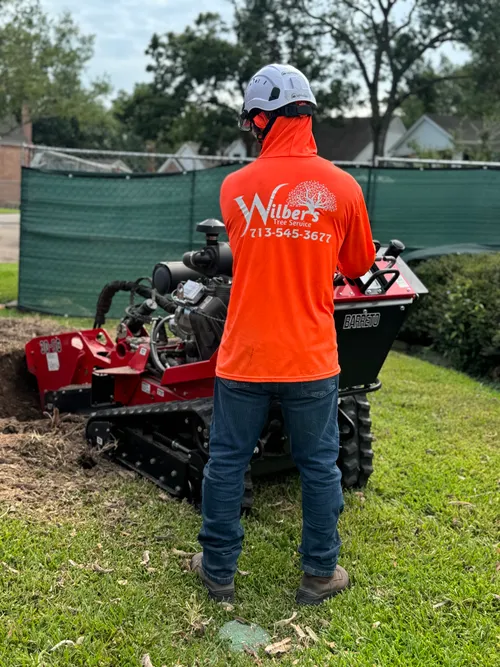
Wilber's Tree Service is a family-owned business providing residential and commercial tree care in Houston, TX. They offer a range of services including tree removal, stump grinding, tree trimming, land clearing, and brush removal. Serving the greater Houston area and nearby communities, Wilber's Tree Service has over 30 years of experience since its establishment in 1993. The company also provides emergency services for urgent tree care needs.
Oak Tree Service
Houston, TX
Oak Tree Service is a locally owned and operated tree service company based in Houston, TX. They provide a wide range of tree care and land clearing services for residential and commercial properties in the Houston area. Their offerings include tree trimming, pruning, total tree removal, stump removal and grinding, lot clearing, post-emergency cleanup, and wood chipping. Oak Tree Service focuses on safety and efficiency in all their work.
JRP Tree & Demolition Services
3321 Almeda Genoa Rd, Houston, TX 77047
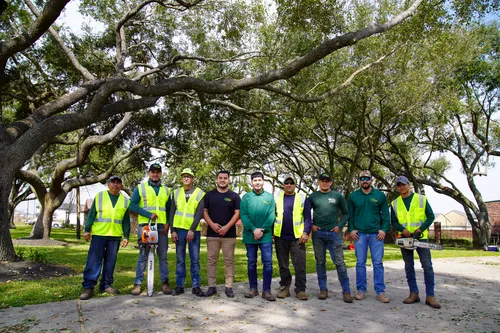
JRP Tree & Demolition Services is a family-owned business serving Houston, TX, with nearly 30 years of experience. They provide a range of tree services including removal, trimming, topping, and stump grinding, as well as demolition services for residential and commercial properties. Their team includes certified arborists who focus on safe and environmentally sound tree care. JRP also handles lot clearing, grading, brush removal, and pool or home demolition, offering comprehensive property clearing and demolition solutions.

Optimum Tree Service
Houston, TX
Optimum Tree Service is a Houston, TX-based company specializing in comprehensive tree care, including tree trimming, pruning, removal, stump grinding, and land clearing. Their certified arborists provide services for both residential and commercial clients, focusing on tree health, safety, and environmental sustainability. The company offers 24/7 emergency tree services to address urgent situations such as storm damage. Optimum Tree Service uses advanced equipment for stump grinding and removal to prepare properties for new growth or construction. They serve Houston and surrounding areas, including Tomball, The Woodlands, Katy, Sugarland, and more.
Understanding the Land Clearing Process in Missouri City
Land clearing, or site clearing, is far more than just knocking down trees. It's a systematic project that transforms a raw piece of land into a ready canvas. A proper job ensures the stability of your future construction and the long-term health of your property. The typical process followed by local Missouri City contractors involves several key phases, from initial planning to final grading.
Phase 1: Planning, Permits, and Site Assessment
Before any machinery arrives, thorough planning is essential. Reputable contractors will start with a detailed site assessment. They evaluate the density of vegetation, the types of trees (like the common Live Oaks in the area), soil conditions, slope, and any potential obstacles. This assessment informs the clearing method and provides an accurate quote.
A crucial part of planning is navigating local regulations. In Missouri City, you may need permits, especially for projects involving significant grading, erosion control, or drainage alterations. Your contractor should help you understand and secure any necessary approvals from the city or county to ensure your project complies with all codes.
Phase 2: Site Preparation and Access
Once plans are set, the crew prepares the site. This involves clearing access routes for heavy equipment like bulldozers, excavators, and forestry mulchers. They will flag off any areas to be protected, such as existing structures, desirable trees, or utility lines. This step minimizes disruption to the surrounding property and ensures a safe working environment.
Common Land Clearing and Brush Removal Methods
The best method for your Missouri City property depends on your goals, the landscape, and your budget. Local professionals employ a variety of techniques.
Bulldozing/Pushing: This is a fast, traditional method where heavy machinery pushes over trees and brush. It's effective for large, open tracts but often leaves root systems and stumps in the ground, which may require additional work later.
Cutting and Grinding: For projects where preserving the topsoil and minimizing ground disturbance is important, crews will cut trees and brush at the stump. The remaining stumps are then ground down below the surface. This method is excellent for preparing land for landscaping or pasture.
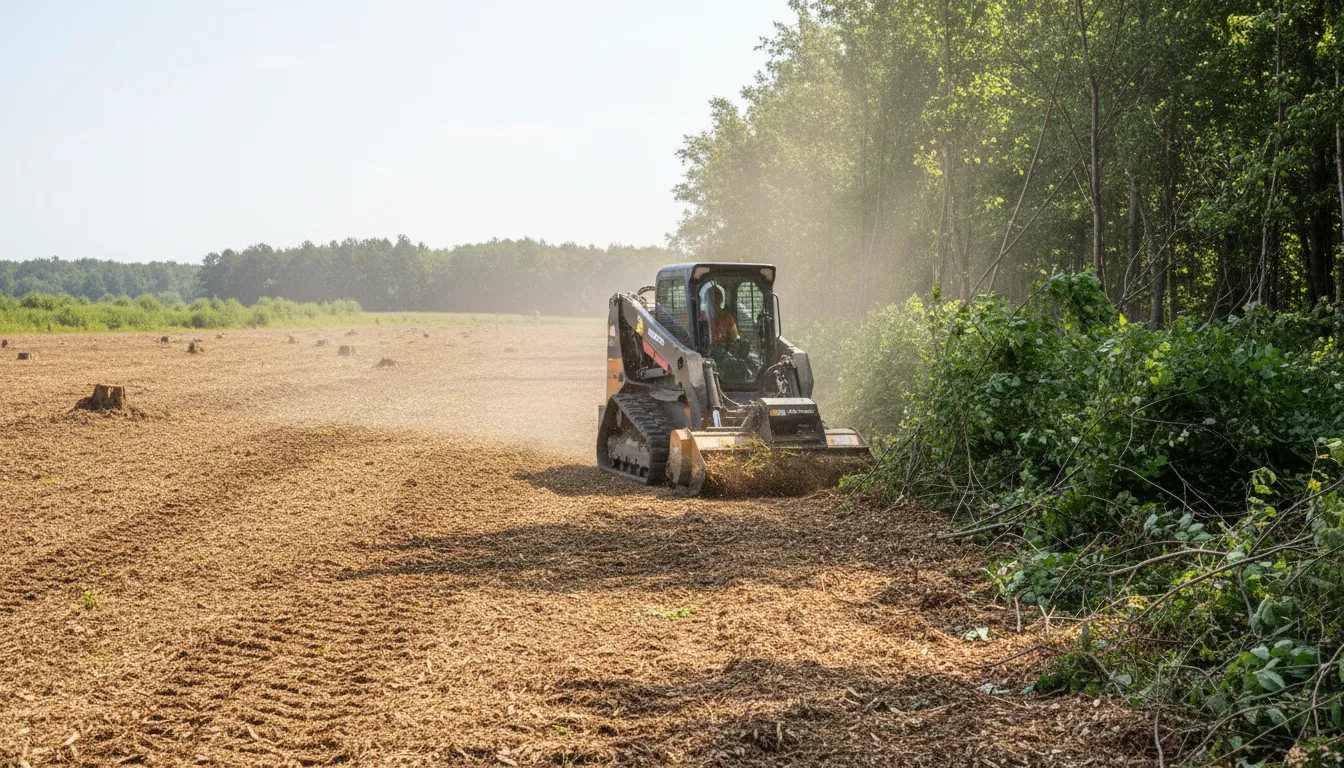
Forestry Mulching: An increasingly popular and eco-friendly option, forestry mulching uses a single machine to cut, grind, and mulch vegetation in one pass. The resulting layer of wood chips acts as a natural erosion barrier, suppresses weed growth, and enriches the soil as it decomposes. It's ideal for land management, creating trails, or clearing underbrush without hauling debris away 1.
Pulling: For complete root removal, an excavator or similar machine can be used to pull stumps and root balls from the ground. This is more thorough than pushing and creates a cleaner subsurface for future digging or construction.
Managing Debris and Stump Removal
What happens to all the removed material is a major component of the project cost and planning. Missouri City contractors typically offer several debris management options:
- Hauling: All debris is loaded into trucks or roll-off dumpsters and taken to a designated disposal site, such as a landfill or recycling center. This is the cleanest option, leaving the site empty and ready, but it adds significant cost, especially for fuel and tipping fees.
- On-Site Burning: For large-scale clearing of dry brush and non-commercial timber, controlled burning in a prepared pit may be an option if local burn bans are not in effect and permits are secured. It reduces hauling costs but requires strict safety measures.
- On-Site Grinding/Mulching: As mentioned with forestry mulching, turning debris into usable mulch on-site is cost-effective and environmentally beneficial. The mulch can be spread over the cleared area 2.
- Burying: In some cases, particularly with stumps and root balls, burying them in a deep pit on the property can be the most economical disposal method, provided soil conditions are suitable.
Stump removal is often a separate service. After trees are felled, stumps can be ground down with a specialized machine (stump grinding) or dug out entirely (stump removal). Grinding is faster and less invasive, while removal is more thorough but leaves a larger hole to be filled.
Find the perfect land clearing contractors for your needs
Get personalized recommendations and expert advice
Grading, Erosion Control, and Final Site Prep
True land clearing doesn't end with a pile of debris. The final and critical step is preparing the land for its next use. This involves grading and leveling the soil to create a smooth, stable surface with proper drainage away from future structures 3 4. Proper grading prevents water pooling, which can lead to foundation issues and erosion.
In Missouri City's climate, erosion control is not an afterthought-it's a necessity. After clearing, the exposed soil is vulnerable to being washed away by rain. Contractors may implement silt fences, erosion control blankets, or quickly seed the area with grass to stabilize the soil 5. This protects nearby waterways and preserves your topsoil.
What Influences Land Clearing Costs in Missouri City?
Costs can vary widely based on the specifics of your property. Understanding these factors will help you interpret quotes from local professionals.
- Acreage and Density: This is the primary cost driver. Clearing a lightly brushed acre will cost significantly less than clearing a densely forested one. Prices per acre in the region can range from $500 for light work to over $6,200 for dense forest with large trees 6.
- Tree Size and Type: Removing a few small trees is inexpensive, but large, mature trees like Oaks require more labor, specialized equipment, and careful disposal, increasing the cost per tree to $200-$800 or more 7.
- Terrain and Accessibility: Steep slopes, rocky ground, or wet soil complicate equipment operation. Properties with poor access may require smaller equipment or manual labor, increasing time and cost.
- Chosen Methods & Disposal: The clearing technique (e.g., mulching vs. bulldozing) and your chosen debris disposal method (hauling vs. on-site processing) have a direct impact on the final price 8 9.
- Additional Services: Costs for stump grinding ($75-$200 per stump), final grading, erosion control measures, and permit acquisition are often quoted separately but are essential for a complete project 10 11 12.
The most reliable way to get an accurate price is to obtain detailed, written estimates from several licensed and insured Missouri City land clearing companies. They can assess your unique site and provide a scope of work that includes all necessary steps from permits to final grading 13.
Choosing a Service Provider for Your Project
Selecting the right contractor is as important as understanding the process. Look for companies with proven experience in the Missouri City area, as they will be familiar with local soil conditions, tree species, and regulations. Always verify that they carry both liability insurance and workers' compensation coverage. Ask for references and examples of past projects similar in scale to yours. A trustworthy provider will conduct a thorough on-site evaluation, explain the proposed methods clearly, and provide a detailed, written contract outlining costs, timelines, and responsibilities 14.
Frequently asked questions
Sources
Footnotes
-
Land Clearing | Tree Solutions of Texas - https://treesolutionsoftexas.com/land-clearing/ ↩
-
Land Clearing- What happens when you consult an arborist? - https://texastreeteam.com/tree-removal/land-clearing-2/ ↩
-
Commercial Land Clearing Guide - https://strongholdtexas.com/a-complete-guide-to-commercial-land-clearing/ ↩
-
What Is The Process Of Clearing Land? - American Paving - https://www.americanpavingtx.com/what-is-the-process-of-clearing-land/ ↩
-
Clearing Land in Texas: What You Need to Know - Coastal Spray - https://www.coastalspray.com/texas-clearing-land/ ↩
-
Affordable Land Clearing in Texas Without Compromising Quality - https://treeamigos-satx.com/affordable-land-clearing-texas/ ↩
-
Tree Services & Tree Removal in Missouri City, TX - https://jrpservices.net/missouri-city-tree-services-and-removal/ ↩
-
The Ultimate Guide to Land Clearing in Texas - https://lonestarclearing.com/the-ultimate-guide-to-land-clearing-in-texas/ ↩
-
Land clearing is the removal of brush, trees and stumps. For ... - https://www.danieldean.com/land-clearing/ ↩
-
How Much Does It Cost to Clear Land in 2025? - Daniel Dean - https://www.danieldean.com/how-much-does-it-cost-to-clear-land/ ↩
-
Pricing Guide: How Much Does It Cost to Clear Land in 2026? - LawnStarter - https://www.lawnstarter.com/blog/cost/clear-land-price/ ↩
-
Land Clearing 101: Costs, Permits, and Timeline Explained - https://www.gibbsexcavating.net/blog-land-clearing-101--costs-permits-and-timeline-explained.php ↩
-
Complete Guide to Land Clearing Pricing and Project Planning - https://www.skidsteers.com/blog/brush-clearing-cost/ ↩
-
Missouri City Land Clearing & Property Maintenance - https://brushhogmaster.com/service-areas/missouri-city ↩